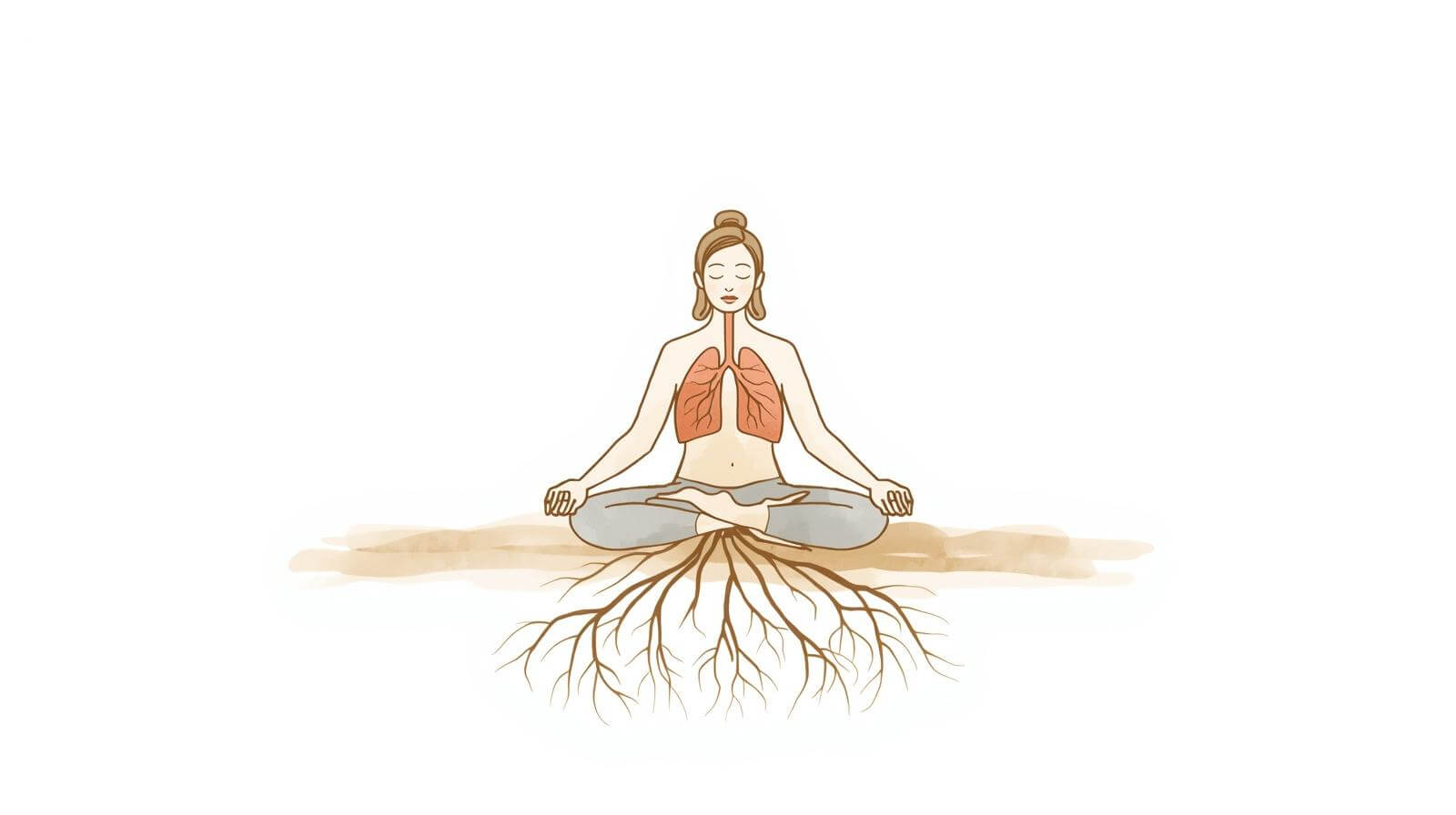
Aligning Your Energy with Prosperity

5 Steps to Manifest Abundance

Have you ever wondered why some people seem to attract success effortlessly while others struggle despite working twice as hard? The secret isn’t just in your strategy—it’s in your vibration.

Prosperity is more than just a number in a bank account; it is an energetic frequency. When you learn the art of aligning your energy with prosperity, you stop “chasing” wealth and start “attracting” it. Here is how you can shift your internal state to mirror the external abundance you desire.

1. Shift from Scarcity to an Abundance Mindset

The biggest barrier to prosperity is a scarcity mindset—the belief that there is “never enough” or that money is difficult to come by. To align with wealth, you must first recognize that the universe is infinitely abundant.

  • The Shift: Instead of focusing on what you lack, focus on what is already flowing. Celebrate the successes of others as proof that prosperity is possible for everyone, including you.

2. Master the Art of Gratitude

Gratitude is the fastest way to raise your energetic frequency. It sends a signal to the universe that you already possess wealth, which in turn attracts more of it.

  • Practical Tip: Start a daily “Prosperity Journal.” Every morning, write down five things you are grateful for—even small things like a cup of coffee or a functioning car. Feeling the emotion of thankfulness is the key to true alignment.

3. Use High-Vibrational Affirmations

Your words are the architects of your reality. If you constantly say, “I can’t afford that,” you are energetically locking yourself out of prosperity.

  • Try these:
    • “I am a magnet for financial abundance.”
    • “Money flows to me easily and frequently.”
    • “I am worthy of a life filled with riches and joy.”

4. Release Energetic Blocks and Resistance

Sometimes we unconsciously push prosperity away because of limiting beliefs—like thinking money is “evil” or that we aren’t “good enough” to be rich.

  • The Fix: Identify these “money stories” you’ve carried since childhood. Once you acknowledge them, you can consciously choose to replace them with a new story of worthiness and ease.

5. Take Aligned Action

Manifesting isn’t just about sitting on a meditation cushion; it’s about aligned action. When you are in energy alignment, you will receive “pings” of intuition—a sudden idea for a business, a person you should call, or a course you should take.

  • The Action: Follow these intuitive nudges immediately. Prosperity rewards those who move with the flow of their own energy.

Conclusion

Aligning your energy with prosperity is a daily practice, not a one-time event. By choosing gratitude, shifting your mindset, and listening to your intuition, you become an energetic match for the wealth you seek.

Ready to dive deeper? Download our Free Prosperity Meditation Guide to start your journey toward financial freedom today!


Reclaiming Joy: A Guide to Nurturing Your Inner Child’s Light

Introduction: The Forgotten Spark

Do you remember a time when your biggest worry was whether you could reach the highest swing at the park? Or when a box of crayons felt like a portal to another world? As we transition into the “shoulds” and “musts” of adulthood, that natural spark of wonder often starts to flicker.

Reclaiming joy isn’t about ignoring your adult responsibilities; it’s about nurturing your inner child’s light. Your inner child is the part of your subconscious that holds your earliest memories, your capacity for play, and your most authentic emotions. When we reconnect with this part of ourselves, we unlock a level of resilience and happiness that productivity alone can never provide.

What is the “Inner Child”?

In psychology, the inner child represents the child-like aspects of our personality—the part of us that remains curious, vulnerable, and creative. However, it also carries the “wounds” of unmet needs from our past. If you find yourself overreacting to criticism or struggling to set boundaries, it might be your inner child reacting to an old script.

Healing this part of yourself allows you to move from “survival mode” back into “joy mode.”

The Benefits of Reconnecting

Reclaiming your inner child’s light offers more than just a trip down memory lane.Research shows that inner child work can:

  • Improve Mental Health: Alleviate stress and chronic anxiety by addressing core emotional wounds.
  • Boost Creativity: Unlocking your youthful imagination helps you solve adult problems with fresh perspectives.
  • Strengthen Relationships: When you heal your own triggers, you approach others with more empathy and less reactivity.

4 Practical Steps to Nurture Your Inner Child

1. Create a “Safe Space” for Play

Adults are often obsessed with being “good” at things. To nurture your inner child, engage in low-stakes play. Buy a coloring book, build something with LEGOs, or have a five-minute kitchen dance party. The goal isn’t to create a masterpiece; it’s to feel the freedom of movement and expression.

2. Practice Compassionate Reparenting

We are often our own harshest critics. When you make a mistake, notice the voice in your head. Is it a supportive adult or a critical echo from the past? Reparenting involves speaking to yourself as you would a child you love: with kindness, patience, and encouragement.

3. Write a Letter to Your Younger Self

Grab a notebook and write a letter to “Little You.” Tell them what they needed to hear back then—that they are safe, loved, and enough. Many find it helpful to write the response with their non-dominant hand, which can tap into the more emotional, less “logical” parts of the brain.

4. Identify Your Joy Triggers

Think back to what made you lose track of time as a kid. Was it being in nature? Reading adventure stories? Singing? Find a way to incorporate a “micro-dose” of that activity into your weekly routine.

Embracing the Journey

Reclaiming yourself through joy isn’t an overnight achievement; it’s a gentle, daily practice. By acknowledging the needs of your inner child, you aren’t just looking backward—you’re lighting the way for a more vibrant, authentic future.

Ready to start? Leave a comment below and share one thing that brought you pure joy as a child!

Embodied Mindfulness & Daily Rituals for Minimalist Living

In our fast-paced, digitally saturated world, we often live “from the neck up.” We process endless streams of data, manage overflowing to-do lists, and navigate a sea of physical clutter, all while losing touch with the physical vessel that carries us through it all: our bodies.

True minimalist living isn’t just about owning fewer things; it’s about creating space for embodied mindfulness. When we pair the external simplicity of minimalism with the internal grounding of daily rituals, we don’t just “clear the room”—we clear the mind and regulate the soul.

What is Embodied Mindfulness?

While traditional mindfulness often focuses on observing thoughts, embodied mindfulness invites you to feel the “felt sense” of the present moment. It is the practice of noticing the weight of your feet on the floor, the temperature of the air on your skin, and the subtle rise and fall of your chest.

In a minimalist home, this becomes easier. Without the visual “noise” of excess possessions, your nervous system can finally downshift, allowing you to tune into your body’s internal signals.

Why Rituals Matter in a Minimalist Life

A habit is something you do on autopilot (like brushing your teeth). A ritual is a habit elevated by intention. Rituals are the anchors of mindful living; they turn mundane tasks into moments of sacred connection. By simplifying your life through minimalism, you remove the “friction” of excess, making it easier to maintain these soul-nourishing practices.


3 Embodied Rituals to Ground Your Daily Life

To begin your journey into mindful living, try incorporating these three rituals that focus on the physical experience of being alive.

1. The Sensory Morning Brew

Instead of scrolling through news while gulping down coffee, turn your morning caffeine (or tea) into a sensory ritual.

  • The Embodied Practice: Feel the warmth of the ceramic mug against your palms. Inhale the steam deeply, noticing the exact notes of the aroma. As you take a sip, follow the sensation of the liquid moving down your throat. This 5-minute ritual tells your nervous system that you are safe and present.

2. The “Touchstone” Transition

Minimalism emphasizes the importance of your environment. Use a physical object in your home—perhaps a smooth stone, a wooden table, or a linen curtain—as a mindfulness touchstone.

  • The Embodied Practice: Every time you pass this object, stop and touch it. Notice the texture—is it rough, cool, or soft? Take one deep breath while maintaining physical contact. This “micro-ritual” breaks the cycle of mental “brain rot” and pulls you back into the physical world.

3. The Evening Decompression Scan

As you prepare for sleep, use the minimalist principle of “clearing the deck” for your body.

  • The Embodied Practice: While lying in bed, perform a mental scan from your toes to your head. Instead of just thinking about your body, feel the heavy support of the mattress beneath you. If you notice tension in your jaw or shoulders, don’t just “fix” it—breathe into it and let the sensation dissolve.

Minimalism in 2026: The Shift to “Welcoming Minimalism”

As we look toward the future of mindful living, the trend is shifting away from cold, clinical minimalism toward “Welcoming Minimalism.” This approach focuses on:

  • Organic Textures: Using wood, stone, and natural fibers that provide “sensory feedback” to the body.
  • Curated Essence: Keeping only the items that serve a functional purpose or provide a deep, visceral sense of joy.
  • Soft Boundaries: Using lighting and scent to create “ritually-zoned” spaces for rest and work.

Final Thoughts

Embodied mindfulness and daily rituals are the “how-to” of minimalist living. When you remove the excess from your life, you aren’t just left with an empty room; you are left with the space to finally inhabit your own body.

Start small. Pick one ritual. Feel one sensation. And watch how a simplified life becomes a deeply felt one.


Ready to simplify?
Which daily ritual will you start tomorrow? Let us know in the comments below!

Cultivating Daily Spiritual Awareness

In a world that often feels “wired but tired,” the spiritual conversation of 2026 has shifted. We are moving away from the era of “optimization overload”—where we tracked every heartbeat and optimized every calorie—and toward a deeper, more grounded state of being.

The next step in our collective evolution isn’t about knowing more; it’s about living what we know in our bodies. This is the essence of embodied mindfulness. It is the practice of bringing spiritual awareness down from the clouds and into our bones, breath, and daily actions.

What is Embodied Mindfulness?

Traditional mindfulness often focuses on the mind—observing thoughts and staying present. Embodied mindfulness takes this a step further. It is the integration of awareness with the physical self. Instead of just thinking about being calm, you learn to feel safety in your nervous system.

When we are embodied, we aren’t just “living from the neck up.” We are tuned into the subtle signals of the body: the rhythm of our breath, the tension in our shoulders, and the “gut feelings” that guide our intuition. This connection is the ultimate bridge to spiritual awareness.

The Power of Daily Rituals as Anchors

If mindfulness is the “what,” rituals are the “how.” In the energetic climate of 2026, rituals have become our essential anchors. They are not rigid chores, but “wellness snacks”—small, intentional moments that signal to our brain and spirit that we are safe, present, and connected.

By turning mundane habits into sacred rituals, we create a “spiritual nervous system” that can withstand the acceleration and change of modern life.

3 Rituals to Cultivate Spiritual Awareness Today

1. The Morning “Vagal” Greeting

Before you reach for your phone, reach for your breath. A major trend this year is focusing on vagal tone—the health of your vagus nerve.

  • The Ritual: Place one hand on your heart and one on your belly. Take three deep “coherent breaths” (inhaling for 5 seconds, exhaling for 5). As you breathe, notice the physical sensation of your hands moving.
  • The Spiritual Shift: This signals to your body that your presence is the first and most important “input” of the day, grounding your spirit before the digital world intervenes.

2. Midday Sensation Resets

Midday is often when our attention fractures. Instead of pushing through “brain rot,” use a sensory ritual to return to the now.

  • The Ritual: Engage in a “3-2-1 Sensory Scan.” Stop what you are doing and identify 3 things you can feel (the chair against your legs, the air on your skin), 2 things you can hear, and 1 scent or taste.
  • The Spiritual Shift: This pulls your consciousness out of “time-traveling” (worrying about the future or past) and back into the only place spirituality actually exists: the present moment.

3. Evening Nervous System Downregulation

In 2026, rest is no longer optional; it is foundational. An evening ritual helps process the day’s “emotional charge.”

  • The Ritual: Try a magnesium soak or warm foot bath paired with light journaling. Write down one thing you are releasing from today and one intention for rest.
  • The Spiritual Shift: This acts as a closing ceremony for your day, allowing your spirit to detach from “doing” so it can simply “be” during sleep.

The Benefits: Why Embodiment Matters

When you commit to embodied mindfulness and daily rituals, the benefits transcend simple stress relief:

  • Clarity over Reactivity: You learn to respond to life from a place of centeredness rather than reacting from a place of triggers.
  • Deeper Intuition: By listening to the body’s wisdom, you gain access to a “deeper knowing” that logic alone cannot provide.
  • Sustainable Resilience: You build a nervous system that can handle the highs and lows of life without burning out.

Final Thoughts: Start Where You Are

Cultivating daily spiritual awareness doesn’t require a Himalayan retreat or a two-hour meditation practice. It requires the courage to slow down and inhabit your own skin.

Choose one ritual this week. Don’t worry about doing it perfectly—simply focus on feeling it. Your body is the temple of your spirit; it’s time to come home to it.


Ready to dive deeper? Explore our guide on Nervous System Regulation for 2026.

From Head to Heart

A Guide to Embodied Mindfulness & Daily Rituals

In our fast-paced, digital-first world, it’s easy to live entirely “from the neck up.” We spend our days processing data, scrolling through feeds, and checking off to-do lists, often forgetting that we have a body until it sends us signals of pain or exhaustion.

Embodied mindfulness is the bridge back to ourselves. Unlike traditional mindfulness, which often focuses solely on observing thoughts, embodiment practices invite you to inhabit your physical form. By integrating daily rituals like breathwork and grounding, you can move from a state of constant “doing” into a state of present “being.”

What is Embodied Mindfulness?

Embodied mindfulness is the practice of staying present by tuning into the “felt sense” of your body. It’s the difference between thinking about being calm and feeling the weight of your body in your chair. When we practice embodiment, we tap into our body’s natural intelligence to regulate our nervous system, lower cortisol, and improve emotional resilience.

1. Breathwork: Your Internal Anchor

Your breath is the only part of your autonomic nervous system that you can consciously control. It is the fastest way to signal to your brain that you are safe.

The Ritual: The “Extended Exhale”

  • How to do it: Inhale through your nose for a count of 4. Pause briefly. Then, exhale through pursed lips (as if blowing through a straw) for a count of 6 or 8.
  • Why it works: Longer exhales activate the vagus nerve, which triggers the parasympathetic nervous system—your “rest and digest” mode.
  • Daily Integration: Practice this for 2 minutes before opening your laptop in the morning or while waiting in line.

2. Grounding: Reconnecting with the Earth

Grounding (or “earthing”) is the practice of physically or energetically connecting with the earth to stabilize your energy. In a world of high-frequency stress, grounding acts as a lightning rod for anxiety.

The Ritual: The “Feet-to-Floor” Check-in

  • How to do it: If possible, step outside barefoot on grass or soil. If you’re indoors, sit with both feet flat on the floor. Close your eyes and visualize roots growing from the soles of your feet deep into the earth. Notice the texture, temperature, and pressure.
  • Why it works: This practice shifts your awareness away from racing thoughts and down into your physical foundation, providing an immediate sense of stability.
  • Daily Integration: Make this your “transition ritual” when moving from work mode to home mode.

3. Creating Your Daily Rituals

A ritual is simply a routine infused with intention. To make embodied mindfulness and daily rituals stick, they don’t need to be long—they just need to be consistent.

  • Morning (The Awakening): Before checking your phone, place a hand on your heart and take three deep diaphragmatic breaths. Notice the rise and fall of your chest.
  • Mid-Day (The Reset): Use the “5-4-3-2-1” grounding technique. Acknowledge 5 things you see, 4 things you can touch, 3 things you hear, 2 things you can smell, and 1 thing you can taste.
  • Evening (The Release): Practice gentle somatic stretching or a “body scan” in bed. Start from your toes and work your way up, consciously releasing tension in each muscle group.

The Benefits of a Somatic Life

When you commit to these embodiment practices, the benefits extend far beyond a moment of “zen.” You’ll likely notice:

  • Reduced Anxiety: A more regulated nervous system.
  • Improved Focus: Less mental “clutter” and better presence.
  • Emotional Intelligence: A better understanding of how emotions manifest physically (e.g., a tight chest or a clenched jaw) before they overwhelm you.

Conclusion

Embodied mindfulness isn’t about achieving a perfect state of peace; it’s about coming home to yourself, over and over again. By weaving breathwork and grounding into your daily rituals, you transform your body from a vehicle for your head into a sanctuary for your soul.

Ready to start? Pick one practice—breathwork or grounding—and try it for just three minutes today. Your body will thank you.


Mindfulness for Emotional Regulation

In our fast-paced, screen-saturated world, it’s easy to live entirely “from the neck up.” We spend our days processing data, managing schedules, and navigating digital spaces, often forgetting that our emotions don’t just happen in our heads—they happen in our bodies.

When we lose touch with our physical selves, we lose our most effective tool for emotional regulation. This is where Embodied Mindfulness and Daily Rituals come in. By shifting from “thinking” about our feelings to “sensing” them, we can find a grounded calm that no amount of logic can provide.

What is Embodied Mindfulness?

Standard mindfulness often focuses on observing thoughts. Embodied mindfulness goes deeper: it is the practice of bringing non-judgmental awareness to your physical sensations.

Scientific research into interoception—our ability to sense the internal state of our bodies—shows that people with higher body awareness are better at regulating their emotions. When you can feel your chest tightening before you start shouting, or notice your breath becoming shallow before an anxiety attack peaks, you gain a window of opportunity to respond rather than react.

The Power of Daily Rituals as Nervous System Anchors

While a “habit” is something we do on autopilot (like brushing our teeth), a ritual is a habit infused with intention. Rituals act as anchors for the nervous system. They send cues of safety to the brain, telling it: “We are here. We are safe. We are in control.”

By combining embodied mindfulness with daily rituals, you create a “bottom-up” approach to emotional regulation—calming the brain by first calming the body.


3 Rituals to Regulate Your Emotions

Here are three simple, embodied rituals you can integrate into your day to help manage stress and find emotional balance.

1. The “Threshold Breath” (Transition Ritual)

We often carry the stress of one meeting or task into the next. To stop this “emotional bleeding,” choose a physical threshold—like your office door or the kitchen entrance.

  • The Practice: Every time you walk through that door, pause. Place one hand on your belly. Take one slow, deep breath, feeling the expansion of your ribs and the grounding of your feet on the floor.
  • Why it works: It breaks the “autopilot” cycle and resets your nervous system before you enter a new environment.

2. The 5-Sense Sensory Anchor (Grounding Ritual)

When emotions feel like a storm, your mind is usually in the past (regret) or the future (anxiety). You need to get back to the now.

  • The Practice: Stop what you are doing and name:
    • 5 things you can see (the texture of the wall, the light on a leaf).
    • 4 things you can touch (your clothes, the cool desk).
    • 3 things you can hear (distant traffic, your own breath).
    • 2 things you can smell.
    • 1 thing you can taste.
  • Why it works: It forces your brain to shift from the “Default Mode Network” (rumination) to the “Task Positive Network” (present-moment awareness).

3. The “Closing Ceremony” (Evening Ritual)

Many of us struggle with “bedtime procrastination” because we haven’t emotionally processed the day.

  • The Practice: At the end of your workday or before bed, perform a physical “closing.” This could be washing your hands with intention—feeling the water and “rinsing away” the day’s demands—or lighting a candle and blowing it out to signify that work-time is over.
  • Why it works: It creates a clear psychological and physical boundary, allowing your body to shift into “rest and digest” mode.

Tips for Making It Stick

  • Consistency over Intensity: You don’t need to meditate for an hour. A 30-second ritual performed daily is more effective for your brain than a 2-hour retreat once a year.
  • Name the Sensation: Instead of saying “I’m stressed,” try “I feel a buzzing in my hands and a weight on my shoulders.” Naming the physical sensation creates “emotional distance,” making the feeling easier to manage.
  • Be Kind to the Wanderer: Your mind will wander. That’s what minds do. The “magic” of mindfulness isn’t having a blank mind; it’s the moment you realize you’ve wandered and gently bring yourself back to your body.

Final Thoughts

Emotional regulation isn’t about “fixing” your feelings; it’s about building a bigger container to hold them. By practicing embodied mindfulness and honoring daily rituals, you stop being a passenger to your emotions and start becoming an anchored observer of your life.

Which of these rituals will you try today? Start small, stay in your body, and breathe.

Vision Casting

We often hear about goal setting, but how often do we talk about Vision Casting?

While a goal is a target you want to hit, a vision is the identity you want to inhabit. Vision casting is the process of painting a vivid, detailed picture of your future self so clearly that your brain begins to recognize it as your current reality.

If you’ve ever felt like you’re “checking the boxes” but not actually changing, it’s because you’re focusing on what you are.

We’ve all been there: you set a massive goal on January 1st, stay excited for exactly three days, and then life gets in the way. Suddenly, the “future you” feels like a distant stranger living in a different zip code.

You revert to old habits, and that version of yourself – the one who is disciplined, calm, and successful—seems like a fictional character.

The problem isn’t your willpower. The problem is that you are chasing a goal without casting a vision. Goals tell you what you want to achieve; vision casting tells you who you need to be.

To bridge the gap between where you are and where you want to be, you must learn to embody your highest self today. Here is how you do it.

1. Define the Character of Your Highest Self

Vision casting starts with a character audit. If you met the highest version of yourself on the street, what would you notice? Don’t look at their bank account; look at their essence.

  • How do they respond to stress? Instead of spiraling, they respond with calm, perspective, and a solution-oriented mindset.
  • What is their energy like in a room? They don’t shrink to fit in; their presence is confident, inviting, and grounded.
  • How do they treat their body? They don’t see exercise as a chore; they treat their body as a temple of high performance, fueling it with intention and movement.

The Shift: Stop asking “What do I want to do?” and start asking “Who is the person who already has what I want?”

2. Move from Goal – Setting to Identity – Shifting

A goal is an external target (e.g., “I want to write a book”). An identity is an internal state (e.g., “I am a writer”).

When you cast a vision, you are choosing a new identity. When your actions stem from your identity, they become effortless. The highest version of you doesn’t have to “try” to wake up early; they wake up early because that is simply who they are.

3. Close the “Zip Code” Gap

If your highest self feels like they live in a different zip code, it’s because your daily environment is still reflecting your old self. To embody the new version, you must bring that “future zip code” into your current reality through micro-embodiments:

  • Dress the Part: Even if you work from home, dress in a way that makes you feel like the CEO of your life.
  • Curate Your Inputs: Listen to the podcasts and read the books that the highest version of you would find interesting.
  • Audit Your Language: Stop saying “I’m trying to…” and start saying “I am…” or “I choose to…”

4. The Daily Vision Cast

Vision casting isn’t a one-time event; it’s a daily practice. Every morning, spend five minutes in “The Future Lab.” Close your eyes and visualize yourself navigating your day as your highest version.

See yourself handling that difficult meeting with grace. See yourself choosing the healthy meal. Feel the pride of a day well-spent. By the time you open your eyes, your brain won’t know the difference between the vision and reality—and you will find yourself acting accordingly.

Nurturing Your Soul Tribe

Cultivating a Community of Authentic Connection

As we journey on our soul’s path, having a supportive community is invaluable. Your “soul tribe” is the group of people who see you, accept you, and champion your growth. This week, we explore how to find and nurture these deeply resonant connections.

What is a Soul Tribe and Why Do You Need One?

Your soul tribe is comprised of individuals who you feel an instant and deep connection with. These are the people who “get” you on a fundamental level. A soul tribe provides a sense of belonging, mutual support, and a safe space to be your most authentic self. They are the family you choose.

The Qualities of a Soul-Aligned Friendship

  • Unconditional Acceptance: They love and accept you for who you are, flaws and all.
  • Mutual Growth: They inspire you to be a better person and you do the same for them.
  • Shared Values: You are aligned on the things that truly matter in life.
  • Authentic Communication: You can be open and honest with each other without fear of judgment.

How to Call in Your Soul Tribe

Finding your soul tribe often happens when you are actively living in alignment with your own soul’s path.

  • Follow Your Passions: Get involved in activities and communities that light you up.
  • Be Your Authentic Self: The more you embody your true self, the more you will attract those who resonate with you.
  • Set the Intention: Clearly define the qualities you desire in your friendships and hold that intention in your heart.

Nurturing Your Community: The Give and Take of Authentic Connection

Like any relationship, your connection with your soul tribe requires nurturing. Be present for them, celebrate their wins, and offer support during challenges. Authentic community is built on a foundation of reciprocity and mutual care.

Celebrating Your Connections: Rituals for a Thriving Soul Tribe

  • Regular Gatherings: Create intentional time to connect, whether it’s a monthly dinner or a weekly check-in call.
  • Shared Practices: Engage in activities together that nourish your souls, like meditation, nature walks, or creative projects.

By calling in and nurturing your soul tribe, you create a powerful network of support that will enrich your life and help you stay true to your soul’s path.

Awaken Your Awareness: Practical Steps for Mindfulness in Everyday Life

Awaken Your Awareness: Practical Steps for Mindfulness in Everyday Life

In our fast-paced world, it’s easy to get caught up in the rush of daily responsibilities, often operating on autopilot. But mindfulness offers us a powerful tool to bring awareness, presence, and peace into our everyday lives. By cultivating mindfulness, we can deepen our connection with ourselves, others, and the world around us. Here are some practical steps to integrate mindfulness into your daily routine.

1. Start Your Day with Intention

Instead of reaching for your phone first thing in the morning, take a few deep breaths and set an intention for the day. Ask yourself, “How do I want to show up today?” This simple practice creates a mindful foundation for the rest of your day.

2. Practice Mindful Breathing

Our breath is always with us, making it a perfect anchor for mindfulness. Throughout the day, take a moment to focus on your breath. Inhale deeply through your nose, hold for a few seconds, and exhale slowly. This simple act helps to ground you in the present moment and reduces stress.

3. Engage in Conscious Eating

Eating is a daily activity often done mindlessly. Instead of rushing through meals, try eating with full awareness. Notice the colors, textures, and flavors of your food. Chew slowly and savor each bite. This practice enhances digestion and fosters gratitude for nourishment.

4. Be Present in Daily Activities

Whether you’re washing dishes, walking, or driving, bring full attention to what you’re doing. Observe the sensations, sounds, and movements involved in the activity. This transforms mundane tasks into opportunities for mindfulness.

5. Take Mindful Pauses

Throughout the day, pause for a few seconds to check in with yourself. Notice how you’re feeling physically, emotionally, and mentally. These mindful check-ins help you stay connected to your inner state and prevent stress from accumulating.

6. Cultivate Gratitude

At the end of the day, reflect on three things you’re grateful for. This practice shifts your focus from what’s missing to what’s abundant, fostering a sense of contentment and peace.

7. Create a Mindful Evening Routine

Before bed, engage in a calming practice such as journaling, meditation, or gentle stretching. This helps to quiet the mind, release the day’s tension, and prepare for restful sleep.

By incorporating these simple mindfulness practices, you can transform your daily life into a more peaceful, present, and fulfilling experience. Mindfulness is not about perfection but about bringing awareness to the present moment with compassion and curiosity. Start small, be patient with yourself, and watch as mindfulness brings greater clarity and joy into your life.

Are you ready to awaken your awareness? Begin today with just one mindful breath.

The Power of Breath: Techniques for Reducing Stress and Finding Inner Peace

In the rush of daily life, it’s easy to become overwhelmed by stress, anxiety, and mental clutter. However, one of the most powerful tools for finding calm and balance is something we often take for granted—our breath. Conscious breathing can shift our energy, regulate our nervous system, and bring us into a state of peace and mindfulness. In this blog post, we will explore the power of breath and techniques that can help you reduce stress and cultivate inner harmony.

The Connection Between Breath and Mind

Breath is the bridge between the body and mind. When we are anxious or stressed, our breathing tends to become shallow and rapid, signaling the body’s fight-or-flight response. By slowing down and deepening our breath, we send a message to the nervous system that we are safe, triggering the relaxation response. This simple yet profound shift can help us regain clarity, presence, and inner peace.

Breathing Techniques for Stress Reduction

1. Diaphragmatic Breathing (Belly Breathing)

This technique engages the diaphragm, allowing for deep, full breaths that calm the mind and body. How to Practice:

  • Sit or lie down in a comfortable position.
  • Place one hand on your chest and the other on your abdomen.
  • Inhale deeply through your nose, allowing your belly to rise while keeping your chest still.
  • Exhale slowly through your mouth, feeling your abdomen fall.
  • Repeat for several minutes, focusing on the rhythm of your breath.

2. Alternate Nostril Breathing (Nadi Shodhana)

A balancing breath practice that harmonizes the left and right hemispheres of the brain, promoting relaxation and mental clarity. How to Practice:

  • Sit comfortably with a straight spine.
  • Use your right thumb to close your right nostril and inhale through your left nostril.
  • Close your left nostril with your right ring finger and release your right nostril.
  • Exhale through your right nostril, then inhale through the right nostril.
  • Close the right nostril again, release the left nostril, and exhale through the left.
  • Repeat for a few minutes, focusing on the breath’s flow.

3. 4-7-8 Breathing (Relaxing Breath)

This technique is excellent for reducing anxiety and promoting sleep. How to Practice:

  • Inhale through your nose for 4 seconds.
  • Hold the breath for 7 seconds.
  • Exhale slowly through your mouth for 8 seconds.
  • Repeat this cycle for four breaths, gradually increasing as needed.

4. Box Breathing (Square Breathing)

A method used by athletes and military personnel to maintain focus and composure under stress. How to Practice:

  • Inhale through your nose for 4 seconds.
  • Hold the breath for 4 seconds.
  • Exhale through your mouth for 4 seconds.
  • Hold again for 4 seconds before beginning the next inhale.
  • Repeat for several rounds, visualizing a square as you breathe.

Integrating Breathwork into Daily Life

Breath awareness doesn’t have to be limited to formal practice; it can be integrated into everyday activities. Try the following:

  • Take deep, mindful breaths while waiting in line or sitting in traffic.
  • Start and end your day with a few minutes of conscious breathing.
  • Use breath techniques before a stressful meeting or conversation.
  • Practice breath awareness during meditation, yoga, or mindful walking.

Conclusion

Breath is a powerful tool for transformation, offering a pathway to reduce stress, increase mindfulness, and reconnect with inner peace. By incorporating simple breathing techniques into your daily routine, you can cultivate a sense of calm and clarity, no matter the external circumstances. Start today—breathe deeply, exhale fully, and embrace the tranquility that already resides within you.

0
    0
    Your Cart
    Your cart is emptyReturn to Shop