Guided and Non-guided Meditations
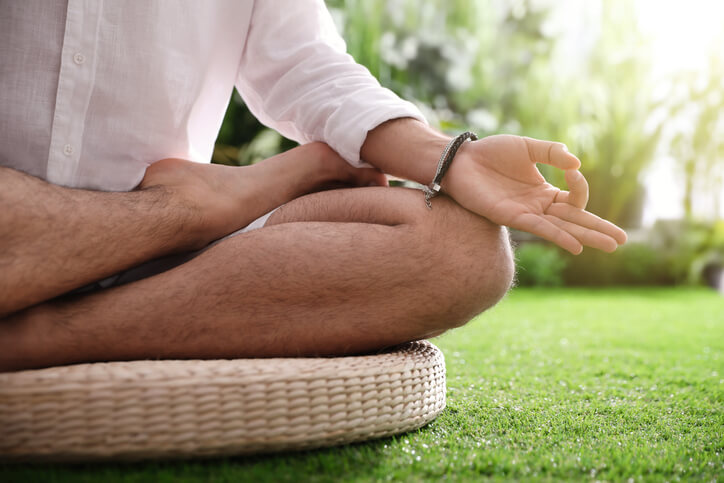
Meditation

MEditaiton

Meditation is a helpful tool for many people in their journey towards better mental, emotional and physical health.

While there are many meditation practices and techniques, the two main types are guided and non-guided meditations. Both practices offer unique benefits, so it’s important to understand the differences between them in order to decide which is best suited for your own needs.

Guided meditations are a form of directed meditation, in which an instructor or a recording provides verbal guidance or prompts throughout the practice. This often includes narrating specific visualizations, poses, or breathing techniques, as well as guiding the meditator through the entire process. Guided meditations are best for people who are new to meditation, or for those who need extra help to stay focused and motivated. The instructor can provide encouragement and support, which can help the meditator stay on track and get the most out of their practice.

Non-guided meditation, also known as mindfulness meditation, is a type of meditation in which the meditator focuses on their own body and thoughts, without being guided by an instructor. Non-guided meditations are best suited for people who are already familiar with meditation and can maintain a focused and relaxed state on their own. These meditations are often used as a form of self-exploration, allowing the meditator to get in touch with their inner self and cultivate an attitude of acceptance and self-awareness.

Whether you choose to practice guided or non-guided meditation, the most important thing is to find a practice that works for you and that you can stick with. Take the time to explore both types to see which one is most suitable for your lifestyle and your needs.

Journaling

Journaling

When I first started journaling, I had no idea how it worked. I thought it was just recording what happened during my day.  As I got older and started to understand what a wonderful tool it is.

Journaling allows you to work through your emotions and dive deeper into your everyday thoughts and behaviors.

  • Having trouble knowing what write or feeling uninspired.  Try doodling drawing etc to get juices flowing.
  • Create a running list of journal prompts that you can turn to in a pinch.
  • If physically writing out your thoughts is causing writer’s block, don’t force yourself to stick with it. You can type in Google docs or use your phone’s notepad application. Digital journals are easy to back up, access, and organize.
  • Let yourself be messy, your journal isn’t here to look pretty. It’s here for you to explore your thoughts, work through big emotions, and encourage introspection.
  • Don’t Edit as You Go – If you make a mistake, scribble it out and keep going. ‘Mistakes” distract you from your train of thought.
  • Carry Your Journal at All Times, you can write whenever inspiration strikes (and you have a few minutes to spare!) Can’t write the entry immediately, jot down a vague heading and some bullet points containing your thoughts and ideas. Later, you can remind yourself what you thought and write the full entry.
  • Write to Yourself – great way to track your progress and growth. Try to remember what it was like to be 5, 10, or 20 years younger. What were you worried about? What were your dreams? After putting yourself in a smaller pair of your own shoes, write a letter to that version of yourself.
  • Write about the people you know now, your job, your family, your pets, your habits, things you’ve overcome, and areas where you’ve changed. Compare and contrast your life now and then.
  • Write About What You Want – don’t force yourself to write about something that irritates you. Your journal is a tool meant for your benefit and growth. If you hate a prompt, get annoyed with a specific journal structure, or find an entire guided journal infuriating – you don’t have to stick with it.
  • Write In Different Places – they can trigger different memories and bring out different aspects of your personality
  • Turn Off Distractions
    • Turn off your phone if you can, otherwise put it on silent and place it face down. Put away anything that will distract you as you’re writing.
  •  Set a Timer – set a judgment-free timer for 10 or 15 minutes. If the timer  goes off and you’ve found a flow or are on a thought path you want to dive deeper into, you can continue! But you can’t stop until the timer goes off.

Stream of Consciousness  – write down whatever pops into your head. Don’t worry about finishing sentences – if your thoughts switch, your writing must too!

Creating a Meditation Space in Your Home

Meditation is an important activity for both physical and mental wellbeing. It can help you relax and de-stress, as well as increase your awareness and mindfulness.

Creating a dedicated meditation space in your home can help you to create a habit of regular meditation and deepen your practice.

Here are some tips for creating a calming and inviting meditation space in your home:

  1. Choose the Right Location: Choose a room or corner of your home that is quiet and away from disruptions. It should be a space that feels welcoming and comfortable, and where you can easily relax and focus on your meditation practice.
  2. Set the Mood: Create an atmosphere that is conducive to meditation. Consider adding candles, an essential oil diffuser, or incense to scent the room. Also, add some pillows or cushions to make it more comfortable to sit on the floor.
  3. Add Objects of Inspiration: Add objects that you find inspiring and calming. This could include artwork, crystals, plants, or other items that have a special meaning for you.
  4. Get Comfortable: Wear comfortable clothing and shoes to help you relax. If you tend to get too hot or cold, consider adding a fan or space heater to your meditation space.
  5. Get Organized: Keep your meditation space neat and organized. This can help you to focus on your practice without being distracted.

With these tips, you can create a calming and inviting meditation space in your home that will help you deepen your practice and relax your mind and body.

Finding Calm in the Storm: The One-Minute Breath for Anxiety Relief

Life is full of moments that can leave us feeling anxious and overwhelmed. Whether it’s a public speaking engagement, a disagreement with a loved one, or simply the weight of daily stressors, these moments can take a toll on our well-being. However, there is a simple and effective technique that can help us find calm and clarity in just one minute—the one-minute breath. In this blog post, we will explore how this breath pattern can be a powerful tool in reducing anxiety and restoring inner peace.

Find Comfort in Your Space: To begin, find a comfortable place where you can relax and focus on your breath. It can be your favorite chair, a peaceful corner of your home, or even a spot outdoors that brings you tranquility. The key is to choose a space where you feel at ease and can fully concentrate on the practice.

The One-Minute Breath Technique: Set a timer for one minute, or choose a song you love that is approximately one minute in length. This will serve as a guide for the duration of your practice. Once you’re ready, follow this simple breathing technique:

Breathe in deeply through your nose for a count of five seconds. Feel the air filling your lungs and expanding your abdomen.

Hold your breath for a count of five seconds. Embrace the stillness and allow yourself to be present in this moment.

Exhale slowly and fully through your mouth for a count of five seconds. Release any tension or worries as you let go of your breath.

Practice and Repetition: Commit to practicing this one-minute breath pattern for at least one minute each day, or as often as needed. You can choose to extend the duration if you feel comfortable doing so. The key is to cultivate a regular practice that allows you to tap into the power of your breath and find solace amidst the chaos.

The Power of Music: To enhance your one-minute breath practice, consider playing a song you love that aligns with your desired state of calmness. As you listen to the music, synchronize your breath with the rhythm, allowing the melody to guide your inhalation, retention, and exhalation. This combination of breathwork and music can deepen your relaxation and create a soothing experience.

If you find yourself frequently experiencing anxiety or feeling overwhelmed, it’s beneficial to explore additional tools and resources. There are numerous items available that can assist in anxiety relief, such as calming essential oils, meditation apps, and stress-relief gadgets. Take the time to find what works best for you and incorporate these resources into your daily self-care routine.

One of my favorites is:

[wptrafficguard id=’20’]

Anxiety is a common part of life, but it doesn’t have to overpower us. By embracing the simplicity of the one-minute breath, we can find moments of tranquility, clarity, and renewed focus. Remember, it’s okay to take a step back, prioritize your well-being, and practice self-care. The one-minute breath is a valuable tool that can be easily integrated into your daily routine, empowering you to navigate life’s challenges with a calmer and more centered mindset. Embrace the power of your breath and find calm in the storm.

0
    0
    Your Cart
    Your cart is emptyReturn to Shop