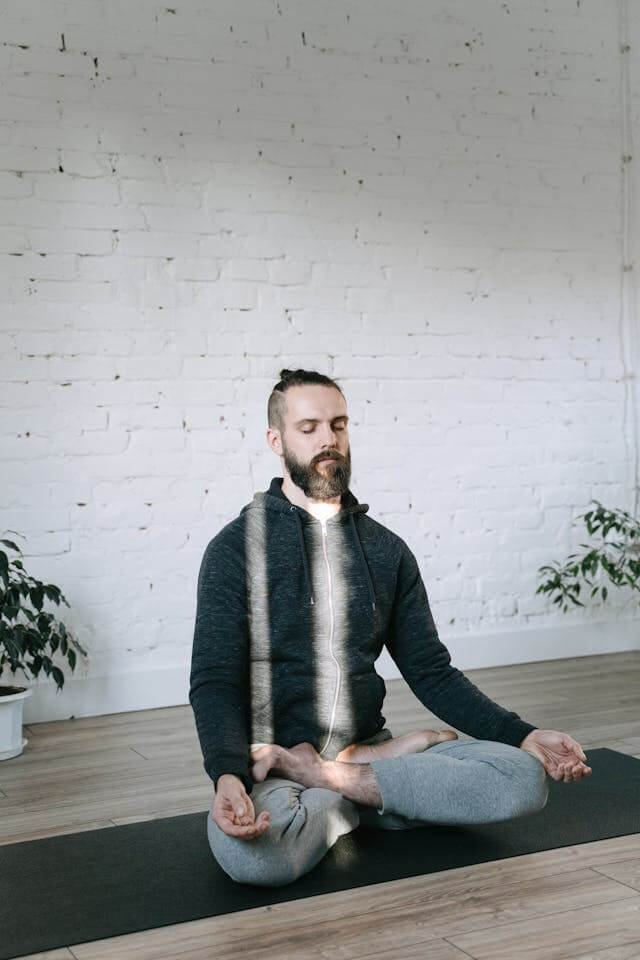
The practice of meditation is a powerful tool for reducing stress, improving focus, and fostering a sense of tranquility. While you can meditate anywhere, creating a dedicated space for your practice can profoundly enhance its benefits. This personal sanctuary becomes both a physical and mental anchor, signaling to your mind that it’s time to release distractions and turn inward.
The Power of a Dedicated Space
Having a specific area for meditation helps to build a consistent practice. When you repeatedly return to the same spot for meditation, you create a psychological association between that location and a state of calm. This can make it easier to slip into a meditative state more quickly and deeply. A designated space also serves as a visual reminder to prioritize your well-being and take time for yourself.
The primary benefits of a dedicated meditation space include:
- Reduced Distractions: A designated area allows you to minimize interruptions and create a peaceful environment.
- Enhanced Focus: By removing external clutter, you can better concentrate on your inner world.
- Increased Consistency: A dedicated spot encourages a regular meditation routine, making it a more ingrained habit.
- Stress Reduction: The simple act of entering your meditation space can begin to trigger a relaxation response.
Designing Your Sanctuary: Key Elements to Consider
Creating a meditation space doesn’t require an entire room; a quiet corner can be just as effective. The most important factor is that the space feels peaceful and inviting to you.
1. Location, Location, Location:
Choose a low-traffic area where you’re less likely to be disturbed. If possible, select a spot near a window to take advantage of natural light, which can have a significant impact on your mood. Even a small nook in your bedroom or living room can be transformed into a serene retreat.
2. Comfort is Key:
Your physical comfort is crucial for a successful meditation practice. Incorporate comfortable seating options like a meditation cushion (zafu), a bench, or a comfortable chair. Soft rugs or blankets can also add a layer of coziness.
3. Declutter and Simplify:
A cluttered space can lead to a cluttered mind. Keep your meditation area clean and free of unnecessary items. A minimalist approach to decor can help create a sense of spaciousness and calm. Only include objects that have personal meaning and contribute to a tranquil atmosphere.
4. Calming Decor and Ambiance:
The visual elements of your space should promote relaxation.
- Colors: Choose calming and neutral colors like blues, greens, whites, or beiges.
- Lighting: Soft, warm lighting is ideal. Consider using lamps with dimmer switches or candlelight to create a soothing ambiance. Sheer curtains can help to diffuse harsh sunlight while still allowing for natural light.
- Nature’s Touch: Incorporating natural elements can be grounding. Add plants, fresh flowers, stones, or a small water fountain to bring a sense of the outdoors in.
Personalizing Your Space for a Deeper Practice
The most effective meditation space is one that resonates with you on a personal level. Consider adding elements that have special meaning and enhance your sense of peace.
- Inspiring Objects: You might include items like meaningful artwork, photographs of loved ones, or inspiring quotes.
- Aromatherapy: Scent can be a powerful tool for relaxation. Use essential oil diffusers with calming scents like lavender, chamomile, or sandalwood, or light incense.
- Sound: If you find it helpful, incorporate soothing sounds like instrumental music, nature recordings, or a singing bowl. Using sound-absorbing materials like textiles and wall hangings can also help to reduce echo and outside noise.
Ultimately, your meditation space is a gift to yourself – a dedicated haven for quiet reflection and inner peace. By thoughtfully creating an environment that is both calming and personal, you can significantly deepen your meditation practice and cultivate a greater sense of well-being in your daily life.