
Have you ever walked into a room and immediately felt the heavy tension of a conversation you didn’t even hear? Or perhaps you’ve spent an hour listening to a friend’s struggles, only to leave feeling as though their sadness has become your own.
If you are an empath, you don’t just understand other people’s emotions—you absorb them. While this makes you a deeply compassionate friend and a powerful listener, it can also lead to a state of complete exhaustion known as empath overload.
Empath overload (sometimes called “empathy burnout” or “sensory overload”) occurs when a highly sensitive person absorbs more emotional or sensory information than their nervous system can process. Instead of just feeling “for” someone, you begin to feel “as” them, losing the boundary between your own emotions and the world around you.
For empaths, the nervous system is naturally more sensitive. You are constantly receiving “data” from the environment—the unspoken energy, the shifts in mood, and even the collective stress of the world. Without the right tools, this data piles up until your system “crashes,” leading to burnout or vicarious trauma.
1. Create “Shielding” Visualizations
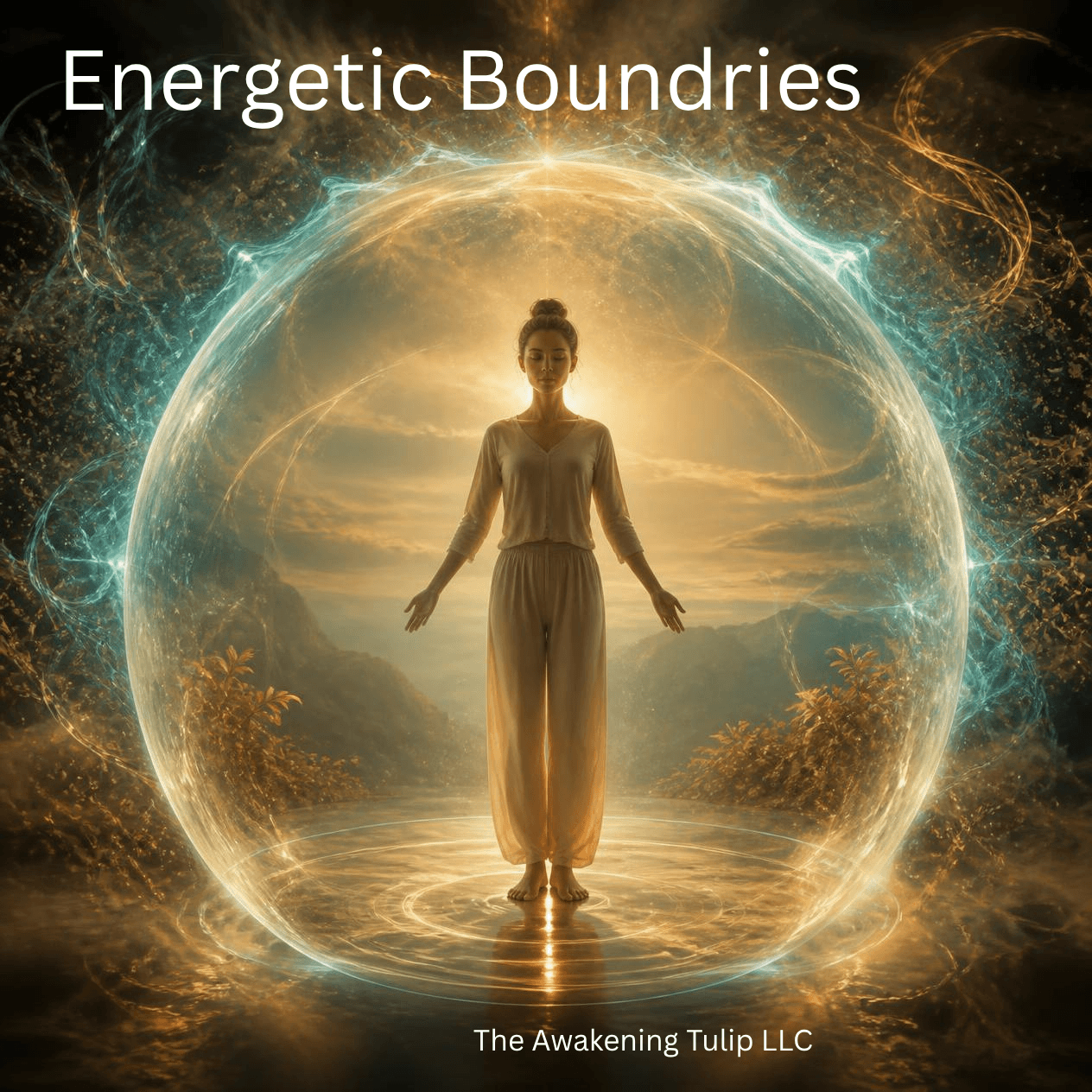
Before entering a high-stress environment (like a busy office or a family gathering), take a moment to visualize a shield of white or golden light surrounding your body. Tell yourself that this shield allows love and positive energy in but reflects negative energy away. It sounds simple, but it helps set a mental “filter” for what you are willing to absorb.
2. Practice the “Is This Mine?” Check
When you feel a sudden wave of sadness, anger, or anxiety, pause and ask: “Is this mine?” If you were feeling fine ten minutes ago and then spoke to someone who was stressed, the emotion likely belongs to them. Acknowledging that it isn’t yours is the first step to letting it go.
3. Set Hard Boundaries on Media
In a digital world, empaths can suffer from “collective overload” just by scrolling. Limit your news intake to specific times of the day and avoid “doomscrolling” before bed. Your nervous system needs time to recover from the weight of global events.
4. Use Grounding Techniques
Grounding helps pull your energy out of the emotional “clouds” and back into your body.
5. Define Your “Sacred Space”
Ensure you have a physical place—even just a corner of a room—where you can be entirely alone and uninterrupted. Use this space for “decompression time” after a long day to let the day’s absorbed emotions evaporate.
Being an empath is a gift, but it requires maintenance. You cannot pour from an empty cup, and you cannot heal the world by drowning in its pain. By setting boundaries and protecting your energy, you ensure that your empathy remains a superpower rather than a burden.