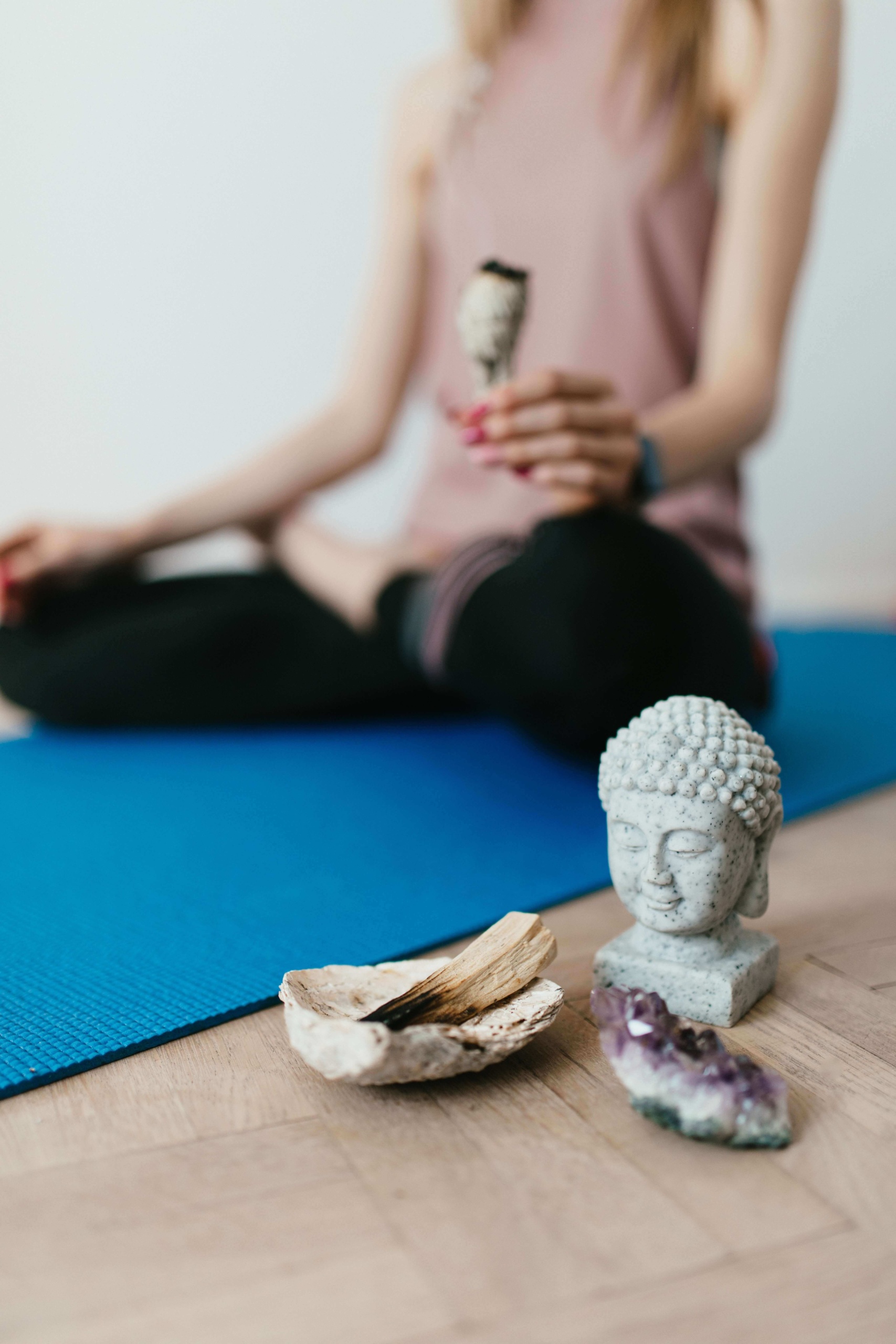

From Stillness to Inspiration: Using Mindfulness to Awaken Hidden Passions

Discover how mindfulness practices can help you reconnect with forgotten dreams and spark new artistic pursuits.

In the hustle of daily life, our true passions can become buried under responsibilities and distractions. Mindfulness offers a pathway to rediscover these hidden desires by bringing focused attention to the present moment.

The Connection Between Mindfulness and Creativity

Practicing mindfulness enhances your ability to observe thoughts and feelings without judgment. This heightened awareness can reveal long-forgotten interests and open doors to new creative outlets. Research indicates that mindfulness can boost divergent thinking, a key component of creativity. ​

Practical Mindfulness Techniques

  • Breath Awareness: Regularly focusing on your breath anchors you in the present and creates mental space for creative ideas to emerge.​
  • Body Scans: Paying attention to physical sensations can uncover emotions linked to suppressed passions, guiding you toward activities that resonate deeply.​
  • Mindful Observation: Engaging fully with your surroundings can inspire fresh perspectives and ideas. For instance, observing nature with all your senses can lead to creative insights.​

Integrating Mindfulness into Daily Life

Set aside dedicated time each day for mindfulness practices. Over time, this commitment can peel back layers of routine and rediscover the passions that bring you joy and fulfillment.​

Awaken Your Awareness: Practical Steps for Mindfulness in Everyday Life

Awaken Your Awareness: Practical Steps for Mindfulness in Everyday Life

In our fast-paced world, it’s easy to get caught up in the rush of daily responsibilities, often operating on autopilot. But mindfulness offers us a powerful tool to bring awareness, presence, and peace into our everyday lives. By cultivating mindfulness, we can deepen our connection with ourselves, others, and the world around us. Here are some practical steps to integrate mindfulness into your daily routine.

1. Start Your Day with Intention

Instead of reaching for your phone first thing in the morning, take a few deep breaths and set an intention for the day. Ask yourself, “How do I want to show up today?” This simple practice creates a mindful foundation for the rest of your day.

2. Practice Mindful Breathing

Our breath is always with us, making it a perfect anchor for mindfulness. Throughout the day, take a moment to focus on your breath. Inhale deeply through your nose, hold for a few seconds, and exhale slowly. This simple act helps to ground you in the present moment and reduces stress.

3. Engage in Conscious Eating

Eating is a daily activity often done mindlessly. Instead of rushing through meals, try eating with full awareness. Notice the colors, textures, and flavors of your food. Chew slowly and savor each bite. This practice enhances digestion and fosters gratitude for nourishment.

4. Be Present in Daily Activities

Whether you’re washing dishes, walking, or driving, bring full attention to what you’re doing. Observe the sensations, sounds, and movements involved in the activity. This transforms mundane tasks into opportunities for mindfulness.

5. Take Mindful Pauses

Throughout the day, pause for a few seconds to check in with yourself. Notice how you’re feeling physically, emotionally, and mentally. These mindful check-ins help you stay connected to your inner state and prevent stress from accumulating.

6. Cultivate Gratitude

At the end of the day, reflect on three things you’re grateful for. This practice shifts your focus from what’s missing to what’s abundant, fostering a sense of contentment and peace.

7. Create a Mindful Evening Routine

Before bed, engage in a calming practice such as journaling, meditation, or gentle stretching. This helps to quiet the mind, release the day’s tension, and prepare for restful sleep.

By incorporating these simple mindfulness practices, you can transform your daily life into a more peaceful, present, and fulfilling experience. Mindfulness is not about perfection but about bringing awareness to the present moment with compassion and curiosity. Start small, be patient with yourself, and watch as mindfulness brings greater clarity and joy into your life.

Are you ready to awaken your awareness? Begin today with just one mindful breath.

The Power of Breath: Techniques for Reducing Stress and Finding Inner Peace

In the rush of daily life, it’s easy to become overwhelmed by stress, anxiety, and mental clutter. However, one of the most powerful tools for finding calm and balance is something we often take for granted—our breath. Conscious breathing can shift our energy, regulate our nervous system, and bring us into a state of peace and mindfulness. In this blog post, we will explore the power of breath and techniques that can help you reduce stress and cultivate inner harmony.

The Connection Between Breath and Mind

Breath is the bridge between the body and mind. When we are anxious or stressed, our breathing tends to become shallow and rapid, signaling the body’s fight-or-flight response. By slowing down and deepening our breath, we send a message to the nervous system that we are safe, triggering the relaxation response. This simple yet profound shift can help us regain clarity, presence, and inner peace.

Breathing Techniques for Stress Reduction

1. Diaphragmatic Breathing (Belly Breathing)

This technique engages the diaphragm, allowing for deep, full breaths that calm the mind and body. How to Practice:

  • Sit or lie down in a comfortable position.
  • Place one hand on your chest and the other on your abdomen.
  • Inhale deeply through your nose, allowing your belly to rise while keeping your chest still.
  • Exhale slowly through your mouth, feeling your abdomen fall.
  • Repeat for several minutes, focusing on the rhythm of your breath.

2. Alternate Nostril Breathing (Nadi Shodhana)

A balancing breath practice that harmonizes the left and right hemispheres of the brain, promoting relaxation and mental clarity. How to Practice:

  • Sit comfortably with a straight spine.
  • Use your right thumb to close your right nostril and inhale through your left nostril.
  • Close your left nostril with your right ring finger and release your right nostril.
  • Exhale through your right nostril, then inhale through the right nostril.
  • Close the right nostril again, release the left nostril, and exhale through the left.
  • Repeat for a few minutes, focusing on the breath’s flow.

3. 4-7-8 Breathing (Relaxing Breath)

This technique is excellent for reducing anxiety and promoting sleep. How to Practice:

  • Inhale through your nose for 4 seconds.
  • Hold the breath for 7 seconds.
  • Exhale slowly through your mouth for 8 seconds.
  • Repeat this cycle for four breaths, gradually increasing as needed.

4. Box Breathing (Square Breathing)

A method used by athletes and military personnel to maintain focus and composure under stress. How to Practice:

  • Inhale through your nose for 4 seconds.
  • Hold the breath for 4 seconds.
  • Exhale through your mouth for 4 seconds.
  • Hold again for 4 seconds before beginning the next inhale.
  • Repeat for several rounds, visualizing a square as you breathe.

Integrating Breathwork into Daily Life

Breath awareness doesn’t have to be limited to formal practice; it can be integrated into everyday activities. Try the following:

  • Take deep, mindful breaths while waiting in line or sitting in traffic.
  • Start and end your day with a few minutes of conscious breathing.
  • Use breath techniques before a stressful meeting or conversation.
  • Practice breath awareness during meditation, yoga, or mindful walking.

Conclusion

Breath is a powerful tool for transformation, offering a pathway to reduce stress, increase mindfulness, and reconnect with inner peace. By incorporating simple breathing techniques into your daily routine, you can cultivate a sense of calm and clarity, no matter the external circumstances. Start today—breathe deeply, exhale fully, and embrace the tranquility that already resides within you.

The Art of Presence: How to Cultivate Mindfulness in Daily Life

In our fast-paced world, it’s easy to get caught up in the whirlwind of responsibilities, distractions, and worries about the past or future. However, true peace and fulfillment come from embracing the present moment. Mindfulness—the practice of being fully present and engaged in the now—can transform your daily life by reducing stress, enhancing awareness, and deepening your connection with yourself and the world around you.

The Power of Mindfulness

Mindfulness is not just a buzzword; it is a practice rooted in ancient traditions that has been scientifically proven to improve mental and emotional well-being. By bringing our attention to the present, we cultivate greater clarity, patience, and joy. The good news is that mindfulness doesn’t require hours of meditation—it can be effortlessly woven into everyday activities.

Simple Ways to Incorporate Mindfulness Into Daily Life

1. Mindful Breathing

One of the easiest ways to practice mindfulness is through conscious breathing. Take a few deep breaths, focusing on the sensation of air entering and leaving your body. This simple practice can ground you in the present and bring a sense of calm amidst a busy day.

2. Mindful Eating

Instead of rushing through meals, take time to truly savor each bite. Pay attention to the flavors, textures, and aromas of your food. Chew slowly, and express gratitude for the nourishment. Mindful eating not only enhances digestion but also strengthens your relationship with food.

3. Mindful Walking

Walking is an excellent opportunity to practice mindfulness. Whether you’re strolling in a park or walking to work, focus on the sensation of your feet touching the ground, the rhythm of your steps, and the sounds around you. Walking with awareness can transform an ordinary activity into a meditative experience.

4. Mindful Listening

How often do we truly listen when someone is speaking? Practice mindful listening by giving your full attention to the person in front of you. Avoid interrupting or planning your response while they talk. Simply be present and engaged in the conversation.

5. Mindful Tasks

Everyday chores, such as washing dishes, drinking tea, or folding laundry, can become acts of mindfulness. Instead of rushing through them, focus on the sensations involved. Feel the warmth of the water, the texture of the fabric, or the aroma of your tea. These small moments of awareness add up to a more mindful life.

6. Mindful Gratitude

Take a few moments each day to reflect on what you’re grateful for. A gratitude practice shifts your focus from what’s lacking to the abundance in your life. This simple habit cultivates joy and appreciation for the present moment.

Making Mindfulness a Way of Life

Mindfulness is not about achieving perfection but about gently bringing your awareness back to the present whenever your mind wanders. The more you practice, the more natural it becomes. By integrating mindfulness into your daily routine, you can experience greater peace, resilience, and a deeper connection to life itself.

Final Thoughts

Living mindfully is a gift you can give yourself every day. Whether it’s through breathing, eating, walking, listening, or expressing gratitude, each moment offers an opportunity to be fully present. Start small, be patient with yourself, and watch as mindfulness transforms the way you experience life.

The Power of Self-Compassion: Why Being Kind to Yourself Changes Everything

Self hugs

In a world that often encourages self-criticism and relentless striving, the practice of self-compassion can be a game-changer. Many of us are quick to offer kindness and understanding to others but struggle to extend the same grace to ourselves. What if we could change that? What if treating ourselves with the same gentleness we show a dear friend could transform our mental health, relationships, and overall happiness? Science suggests it can—and here’s why.

Understanding Self-Compassion

Self-compassion, a term popularized by researcher Dr. Kristin Neff, consists of three core components:

  1. Self-kindness – Being warm and understanding toward ourselves rather than overly critical.
  2. Common humanity – Recognizing that suffering and imperfection are universal, rather than feeling isolated in our struggles.
  3. Mindfulness – Acknowledging painful emotions without judgment or over-identification.

Practicing self-compassion means replacing harsh self-talk with supportive inner dialogue and treating yourself with patience and care, especially in times of failure or difficulty.

The Science Behind Self-Compassion

Research has shown that self-compassion is linked to numerous psychological benefits. Studies indicate that individuals who practice self-compassion experience lower levels of anxiety, depression, and stress. Unlike self-esteem, which is often dependent on external validation, self-compassion fosters a stable and resilient sense of self-worth. It activates the parasympathetic nervous system, reducing cortisol levels and promoting emotional well-being.

How Self-Compassion Improves Mental Health

Many of us believe that self-criticism helps us improve, but in reality, it often leads to anxiety and self-doubt. Self-compassion, on the other hand, encourages growth without the fear of failure. When we acknowledge our mistakes with kindness, we are more likely to learn from them and move forward in a positive direction. This practice also reduces rumination, the cycle of negative thoughts that can contribute to depression and stress.

Strengthening Relationships Through Self-Compassion

When we cultivate self-compassion, we also improve our relationships with others. People who are kind to themselves tend to be more empathetic, patient, and understanding in their interactions. By accepting our own flaws, we become more accepting of others, leading to deeper connections and healthier relationships. Moreover, self-compassion prevents burnout, especially for those in caregiving roles, by allowing us to set boundaries and prioritize self-care.

Boosting Overall Happiness

A self-compassionate mindset fosters a greater sense of life satisfaction. When we let go of unrealistic expectations and embrace our authentic selves, we experience more joy and gratitude. Instead of dwelling on past mistakes or worrying about future outcomes, self-compassion helps us remain present, appreciating life as it unfolds.

Practical Ways to Cultivate Self-Compassion

If self-compassion doesn’t come naturally to you, don’t worry—like any skill, it can be developed. Here are some simple ways to incorporate it into your daily life:

  1. Practice Self-Compassionate Language – Replace self-criticism with gentle and encouraging words. If you make a mistake, speak to yourself as you would a close friend.
  2. Write Yourself a Letter – When facing a challenge, write a supportive letter to yourself. This can help shift your perspective and remind you of your own worth.
  3. Engage in Mindfulness – Meditation and deep breathing exercises can help you stay present and accept your emotions without judgment.
  4. Acknowledge Your Shared Humanity – Remind yourself that imperfection is part of the human experience, and you are not alone in your struggles.
  5. Prioritize Self-Care – Engage in activities that nourish your mind, body, and spirit, whether it’s taking a walk, reading a book, or simply resting when needed.

Final Thoughts

Self-compassion is not about self-indulgence or ignoring personal growth; it’s about creating a healthy, supportive inner environment where growth can truly flourish. By being kind to yourself, you build resilience, improve your relationships, and enhance your overall well-being. The journey toward self-compassion begins with a simple choice—to treat yourself with the same kindness you so freely give to others.

So why not start today? The power of self-compassion is in your hands, and it has the potential to change everything.

Silencing Your Inner Critic: Transform Negative Self-Talk into Self-Love

We all have an inner voice—a running commentary that shapes our thoughts and perceptions. While this voice can be encouraging and motivating, it often turns into a relentless critic, highlighting our flaws and magnifying our insecurities. If left unchecked, negative self-talk can erode self-esteem and prevent us from reaching our full potential. The good news? You have the power to silence your inner critic and replace it with a voice of self-love and encouragement.

Understanding Your Inner Critic

Your inner critic is the voice in your head that whispers (or sometimes shouts) doubts, fears, and harsh judgments. It often stems from past experiences, societal expectations, or personal insecurities. While its original purpose may have been to protect you from failure or rejection, it can quickly become a barrier to self-confidence and growth.

Techniques to Reframe Negative Thoughts

  1. Recognize and Challenge Negative Thoughts
    The first step in silencing your inner critic is awareness. Pay attention to the words you use when speaking to yourself. Would you say the same things to a loved one? When you catch yourself engaging in negative self-talk, challenge its validity. Ask yourself:
    • Is this thought based on facts or assumptions?
    • Would I say this to a friend in the same situation?
    • What evidence do I have that contradicts this thought?
  2. Reframe with Compassion
    Instead of berating yourself for a mistake, practice self-compassion. Replace harsh criticisms with constructive and supportive language. For example, instead of saying, “I’m such a failure,” try, “I made a mistake, but I can learn from it and improve.”
  3. Use Positive Affirmations
    Affirmations are powerful tools to rewire your brain and replace negativity with self-love. Start your day with affirmations like:
    • “I am worthy of love and respect.”
    • “I am doing my best, and that is enough.”
    • “I trust myself and my abilities.”
  4. Practice Mindfulness and Meditation
    Mindfulness helps you become aware of your thoughts without being controlled by them. Regular meditation can create space between you and your inner critic, allowing you to observe negative thoughts without judgment and let them pass without attachment.
  5. Surround Yourself with Positivity
    The people, media, and environment around you significantly influence your mindset. Surround yourself with supportive friends, uplifting books, and encouraging social media content to reinforce a positive self-image.

Building Self-Confidence Through Self-Love

Self-love isn’t about ignoring your flaws; it’s about accepting yourself as you are while striving for growth. Here’s how to cultivate it:

  • Celebrate Your Strengths: Make a list of your achievements and qualities you admire about yourself. Revisit it when self-doubt creeps in.
  • Set Healthy Boundaries: Protect your mental and emotional well-being by saying no to negativity and toxic influences.
  • Prioritize Self-Care: Engage in activities that nourish your body, mind, and soul—whether it’s exercising, journaling, or indulging in a hobby.
  • Embrace Imperfection: Perfection is an illusion. Accepting that mistakes and setbacks are part of growth will free you from the pressure of being flawless.

Final Thoughts

Your inner critic doesn’t have to control your life. By recognizing negative self-talk, reframing your thoughts with compassion, and embracing self-love, you can transform your mindset and build unshakable confidence. Remember, the most important relationship you will ever have is the one with yourself—make it a loving and supportive one.

What steps will you take today to silence your inner critic and embrace self-love?

Healing from Within: How to Release Emotional Baggage and Cultivate Self-Compassion

Mentor Self-Care

We all carry emotional baggage—painful experiences, unresolved emotions, and self-doubt that linger in our hearts and minds. These burdens can weigh us down, affecting our relationships, mental well-being, and overall quality of life. However, healing is possible. By identifying and releasing past wounds, practicing forgiveness, and embracing self-compassion, we can create space for inner peace and emotional freedom.

Identifying Emotional Baggage

The first step in healing is recognizing the emotional baggage we carry. These wounds can stem from childhood experiences, past relationships, personal failures, or societal pressures. Common signs of emotional baggage include:

  • Recurring negative thoughts about past events
  • Difficulty trusting others or forming close relationships
  • Persistent self-criticism and low self-worth
  • Feeling stuck in the past and unable to move forward

Take time to reflect on past experiences that may still be influencing your present. Journaling, therapy, or deep conversations with trusted friends can help you identify hidden emotional wounds.

Releasing Past Wounds

Once you’ve identified your emotional baggage, the next step is learning how to release it. Here are some strategies to help you let go:

1. Acknowledge and Accept Your Feelings

Ignoring or suppressing emotions only prolongs pain. Instead, allow yourself to fully experience your emotions. Name them, sit with them, and give yourself permission to feel without judgment.

2. Practice Mindfulness and Meditation

Mindfulness helps bring awareness to your emotions without becoming overwhelmed by them. Meditation, deep breathing exercises, and grounding techniques can provide a sense of calm and clarity.

3. Express and Process Your Emotions

Holding onto emotions can create internal turmoil. Express your feelings through writing, art, music, or talking to a trusted friend or therapist. Expressing emotions in a safe and supportive space can help you release them.

4. Let Go of What You Can’t Control

Some wounds stem from situations beyond our control. Holding onto resentment or regret only keeps us trapped. Accept that you cannot change the past, but you can choose how you respond to it moving forward.

Practicing Forgiveness

Forgiveness is a crucial step in healing. It does not mean condoning hurtful actions or forgetting past pain, but rather freeing yourself from the weight of resentment.

1. Forgive Others

Holding onto anger and bitterness only harms you. Try to understand the perspective of those who hurt you, and recognize that they, too, may have been acting from their own pain. Forgiving doesn’t mean you must maintain a relationship with them; it simply allows you to move forward without the burden of resentment.

2. Forgive Yourself

Self-forgiveness is just as important as forgiving others. We all make mistakes and have regrets. Instead of dwelling on past failures, acknowledge your growth and lessons learned. Remind yourself that you are worthy of kindness and compassion.

Cultivating Self-Compassion

Self-compassion is the foundation of healing. It allows us to treat ourselves with the same kindness and understanding that we would offer a friend. Here’s how you can nurture self-compassion:

1. Practice Positive Self-Talk

Replace self-criticism with affirmations of love and acceptance. When negative thoughts arise, challenge them with gentle and encouraging words.

2. Prioritize Self-Care

Engage in activities that nourish your mind, body, and soul—whether it’s exercise, reading, nature walks, or spending time with loved ones. Taking care of yourself is an act of self-respect.

3. Set Healthy Boundaries

Protect your emotional well-being by setting boundaries with people and situations that drain your energy. Learn to say no when necessary and surround yourself with supportive, uplifting individuals.

4. Seek Professional Support

Therapy, counseling, or support groups can provide valuable guidance and tools to navigate emotional healing. There is no shame in seeking help; it is a sign of strength and self-awareness.

Embracing Your Healing Journey

Healing from emotional baggage is a process, not a destination. Some days will be easier than others, and setbacks are a natural part of growth. Be patient and gentle with yourself as you navigate this journey. Every step you take toward healing brings you closer to inner peace and emotional freedom.

By identifying past wounds, practicing forgiveness, and cultivating self-compassion, you empower yourself to release emotional burdens and embrace a life filled with love, joy, and authenticity. Remember, true healing begins from within, and you have the power to create a brighter, more compassionate future for yourself.

The Art of Self-Care: Daily Rituals to Nourish Your Mind, Body, and Soul

In our fast-paced world, it’s easy to neglect self-care in favor of responsibilities and obligations. However, taking time to nurture yourself isn’t selfish—it’s essential for maintaining emotional well-being, mental clarity, and physical health. Self-care isn’t just about spa days or bubble baths; it’s about small, daily rituals that help you cultivate balance, inner peace, and resilience.

In this blog post, we’ll explore practical self-care habits that nourish your mind, body, and soul, helping you lead a more fulfilling and harmonious life.

1. Start Your Day with Mindfulness

The way you begin your morning sets the tone for the rest of the day. Instead of reaching for your phone first thing in the morning, try:

  • Deep breathing exercises: A few minutes of conscious breathing can reduce stress and enhance focus.
  • Morning meditation: Spend 5-10 minutes in silence, focusing on your breath or a positive affirmation.
  • Journaling: Write down three things you’re grateful for or set an intention for the day.

These small practices help ground you in the present moment, fostering a sense of calm and clarity before the day begins.

2. Nourish Your Body with Intentional Choices

Your body deserves care just as much as your mind. To feel your best physically, consider:

  • Staying hydrated: Start your day with a glass of water and stay hydrated throughout the day.
  • Eating nutritious foods: Incorporate whole, nutrient-rich foods that fuel your body and support your energy levels.
  • Moving your body: Whether it’s yoga, a short walk, or a workout session, physical activity boosts mood and overall well-being.

By treating your body with kindness and respect, you create a foundation for lasting health and vitality.

3. Take Breaks to Reset Your Mind

Work, responsibilities, and daily tasks can sometimes be overwhelming. To maintain balance, incorporate small breaks into your day:

  • Step outside for fresh air: A short walk in nature can do wonders for your mental state.
  • Practice the 20-20-20 rule: If you work on a screen, look away every 20 minutes at something 20 feet away for 20 seconds.
  • Engage in a creative outlet: Whether it’s painting, playing an instrument, or reading, creative activities are great for mental rejuvenation.

These mindful pauses help prevent burnout and increase productivity while keeping stress levels in check.

4. Set Boundaries and Protect Your Energy

Self-care also involves setting boundaries to protect your emotional well-being. Learn to:

  • Say no without guilt: Prioritize what truly matters and don’t overextend yourself.
  • Limit digital consumption: Reduce screen time, especially on social media, to maintain mental clarity.
  • Surround yourself with positive influences: Spend time with people who uplift and support you.

By setting healthy boundaries, you create space for activities and relationships that genuinely nourish you.

5. Unwind with a Soothing Nighttime Routine

Ending the day on a peaceful note can improve sleep quality and prepare you for the next day. Try incorporating:

  • A warm cup of herbal tea: Chamomile or lavender tea can help relax the body.
  • A digital detox before bed: Avoid screens at least 30 minutes before sleeping to improve rest.
  • Light stretching or a warm bath: Gentle movements or a relaxing bath can ease tension and signal your body that it’s time to rest.

A well-structured nighttime routine helps you unwind, ensuring that you wake up feeling refreshed and ready to embrace a new day.

Final Thoughts

Self-care isn’t a luxury—it’s a necessity. By incorporating these simple yet powerful daily rituals into your life, you can cultivate a deep sense of well-being that supports your emotional, physical, and mental health.

Remember, self-care looks different for everyone. The key is to find what resonates with you and make it a consistent practice. Prioritize yourself, listen to your needs, and embrace the art of self-care as an essential part of your daily routine.

How do you practice self-care? Let me know in the comments! 🌿✨

Celebrating National Yoga Month: Embrace the Journey to Inner Peace

By Kimberly Cornier
Energy Practitioner and Spiritual Mentor, The Awakening Tulip LLC
AwakeningTulip.com

As the golden hues of September unfold, we are invited to step into a season of transformation, balance, and renewal. What better way to embrace this shift than by celebrating National Yoga Month, a time dedicated to deepening our connection with ourselves and the world around us through the ancient practice of yoga?

The Significance of National Yoga Month

National Yoga Month, celebrated every September, is more than just a reminder to unroll your mat—it’s a call to embark on a journey of self-discovery, healing, and spiritual growth. Yoga, with its roots in ancient spiritual traditions, offers us tools to cultivate mindfulness, balance our energy, and connect with the deeper aspects of our being.

For many, yoga is a physical practice, a way to build strength, flexibility, and endurance. But as an Energy Practitioner and Spiritual Mentor at The Awakening Tulip LLC, I invite you to explore yoga as a pathway to spiritual enlightenment. Through the integration of breath, movement, and meditation, yoga becomes a sacred practice that aligns the body, mind, and spirit.

Yoga as a Path to Spiritual Awakening

At The Awakening Tulip LLC, we believe that yoga is a powerful tool for spiritual growth. Each pose, each breath, and each moment of stillness is an opportunity to connect with your inner self and the universal energy that flows through all of us. Yoga teaches us to be present, to listen to our bodies, and to honor the sacredness of life.

This National Yoga Month, I encourage you to explore different styles of yoga that resonate with your energy and spiritual goals. Whether it’s the dynamic flow of Vinyasa, the deep relaxation of Yin Yoga, or the meditative practice of Kundalini, there is a yoga style that can help you tap into your inner wisdom and align with your higher self.

Integrating Yoga into Your Spiritual Practice

As you deepen your yoga practice, consider how you can integrate its principles into your daily life. Yoga is not just about what happens on the mat; it’s about how you carry the lessons of mindfulness, compassion, and balance into the world. Here are a few ways to enhance your spiritual journey through yoga:

  1. Mindful Breathing: Begin your day with simple breathwork exercises to center yourself and connect with your inner energy. Practices like alternate nostril breathing can help balance your mind and energy centers.
  2. Chakra Balancing: Use yoga poses and meditations that focus on opening and balancing your chakras. This can help you release blockages and enhance the flow of energy throughout your body.
  3. Sound Healing: Incorporate sound healing techniques, such as chanting or using crystal singing bowls, to elevate your yoga practice. The vibrations can deepen your meditation and promote healing on a cellular level.
  4. Journaling: After your yoga practice, take a few moments to journal your thoughts, feelings, and insights. This can help you track your spiritual growth and gain clarity on your journey.

Join Us in Celebrating National Yoga Month

At The Awakening Tulip LLC, we are committed to supporting your spiritual journey through a holistic approach that integrates yoga, energy healing, and mindfulness practices. This September, we invite you to join us in celebrating National Yoga Month by exploring the many ways yoga can enhance your life.

Whether you are new to yoga or a seasoned practitioner, there is always more to discover on this path. Let this month be a time of reflection, renewal, and recommitment to your spiritual journey. Embrace the power of yoga to transform your life and awaken your true potential.

For more insights and resources, visit us at AwakeningTulip.com. Let’s walk this path of spiritual enlightenment together.

Namaste.


Kimberly Cornier is an Energy Practitioner and Spiritual Mentor at The Awakening Tulip LLC. She specializes in integrating sound, crystals, aura, chakra healing, EFT (tapping), Reiki, meditation, mindfulness, and yoga for a holistic approach to wellness.

Understanding Limiting Beliefs and Core Values

There are two fundamental concepts seen in our journey of self-discovery and personal growth: limiting beliefs and core values. These elements profoundly influence our lives, shaping our experiences, decisions, and overall well-being. By understanding and addressing these concepts, we can pave the way for a more authentic and fulfilling life.

What Are Limiting Beliefs?
Limiting beliefs are the internal narratives and assumptions that we hold about ourselves and the world around us. These beliefs often stem from past experiences, societal conditioning, and childhood upbringing. They act as mental barriers, restricting our potential and preventing us from achieving our goals. Limiting beliefs can manifest in various forms, such as:

  • Self-Doubt: Believing that you are not capable or worthy of success.
  • Fear of Failure: Avoiding new opportunities due to the fear of making mistakes.
  • Negative Self-Image: Holding onto a poor perception of oneself, often related to appearance or abilities.
  • Scarcity Mindset: Believing that there is never enough—be it money, love, or opportunities.
  • For instance, a person might have a limiting belief that they are not good enough to pursue a certain career path, which can lead to self-sabotage and missed opportunities. These beliefs are often unconscious and deeply ingrained, making them challenging to identify and overcome.

The Origins of Limiting Beliefs
Limiting beliefs typically develop during childhood when our minds are highly impressionable. They can arise from:

  • Family Dynamics: Negative comments or high expectations from parents can lead to feelings of inadequacy.
  • Educational Experiences: Criticism or lack of encouragement from teachers can hinder self-confidence.
  • Societal Influences: Cultural norms and media portrayals can create unrealistic standards and pressure.
  • These early experiences shape our self-concept and worldviews, often solidifying into limiting beliefs that persist into adulthood.

The Impact of Limiting Beliefs
The impact of limiting beliefs is far-reaching. They can:

  • Hinder Personal Growth: Preventing us from exploring new opportunities and reaching our full potential.
  • Affect Relationships: Causing us to settle for less or engage in unhealthy dynamics due to low self-worth.
  • Influence Career Success: Restricting our ability to take risks, innovate, or pursue our passions.
  • Affect Mental Health: Contributing to anxiety, depression, and a general sense of dissatisfaction with life.

Overcoming Limiting Beliefs
Addressing and overcoming limiting beliefs involves several steps:

  • Self-Awareness: The first step is to recognize and acknowledge these beliefs. Journaling, meditation, and therapy can help uncover hidden narratives.
  • Challenging Beliefs: Question the validity of these beliefs. Are they based on facts or assumptions? Are they serving your best interests?
  • Reframing: Replace limiting beliefs with empowering ones. For example, change “I can’t do this” to “I am capable and willing to learn.”
  • Positive Affirmations: Regularly practice positive affirmations to reinforce new, empowering beliefs.
  • Taking Action: Gradually step out of your comfort zone and take actions that align with your new beliefs.

Understanding Core Values
Core values are the fundamental principles and beliefs that guide our behavior and decision-making. They represent what is most important to us and serve as a compass for our actions and choices. Core values are deeply personal and can vary widely from person to person, but they typically include elements such as:

  • Integrity: Adhering to moral and ethical principles.
  • Compassion: Showing empathy and kindness towards others.
  • Authenticity: Being true to oneself and living in alignment with one’s beliefs.
  • Growth: Pursuing continuous learning and self-improvement.
  • Connection: Valuing relationships and community.

The Importance of Core Values
Core values are crucial for several reasons:

  • Decision-Making: They provide clarity and direction, making it easier to make choices that align with our true selves.
  • Fulfillment: Living in alignment with our core values leads to a sense of purpose and fulfillment.
  • Resilience: They provide a stable foundation during challenging times, helping us stay grounded and focused.
  • Identity: Core values define who we are and what we stand for, contributing to a strong sense of identity.

Identifying Your Core Values
Identifying your core values involves introspection and self-reflection. Consider the following steps:

  • Reflect on Past Experiences: Think about times when you felt truly happy, fulfilled, or proud. What values were you honoring during those moments?
  • Identify Role Models: Consider people you admire and the values they embody. How do these values resonate with you?
  • Prioritize: Make a list of potential values and prioritize them based on their significance to you.
  • Evaluate Alignment: Assess how well your current life aligns with your core values. Are there areas where you can make adjustments?

Aligning with Your Core Values
Living in alignment with your core values involves:

  • Setting Goals: Ensure your goals and aspirations reflect your core values.
  • Making Choices: Use your values as a guide for decision-making, both big and small.
  • Building Habits: Establish daily practices that honor and reinforce your values.
  • Evaluating Progress: Regularly assess whether your actions and lifestyle are consistent with your core values.

Conclusion
Understanding and addressing limiting beliefs, alongside identifying and living by our core values, are essential steps toward personal growth and self-fulfillment. By breaking free from the constraints of limiting beliefs and aligning our lives with our core values, we can embark on a transformative journey towards becoming our most authentic selves.

At The Awakening Tulip LLC, we are dedicated to supporting you on this journey through holistic practices that nurture your mind, body, and spirit. Embrace the power within you, and awaken to your true potential.

For more insights and guidance, visit AwakeningTulip.com and explore our resources and services designed to help you thrive on your spiritual journey.

0
    0
    Your Cart
    Your cart is emptyReturn to Shop