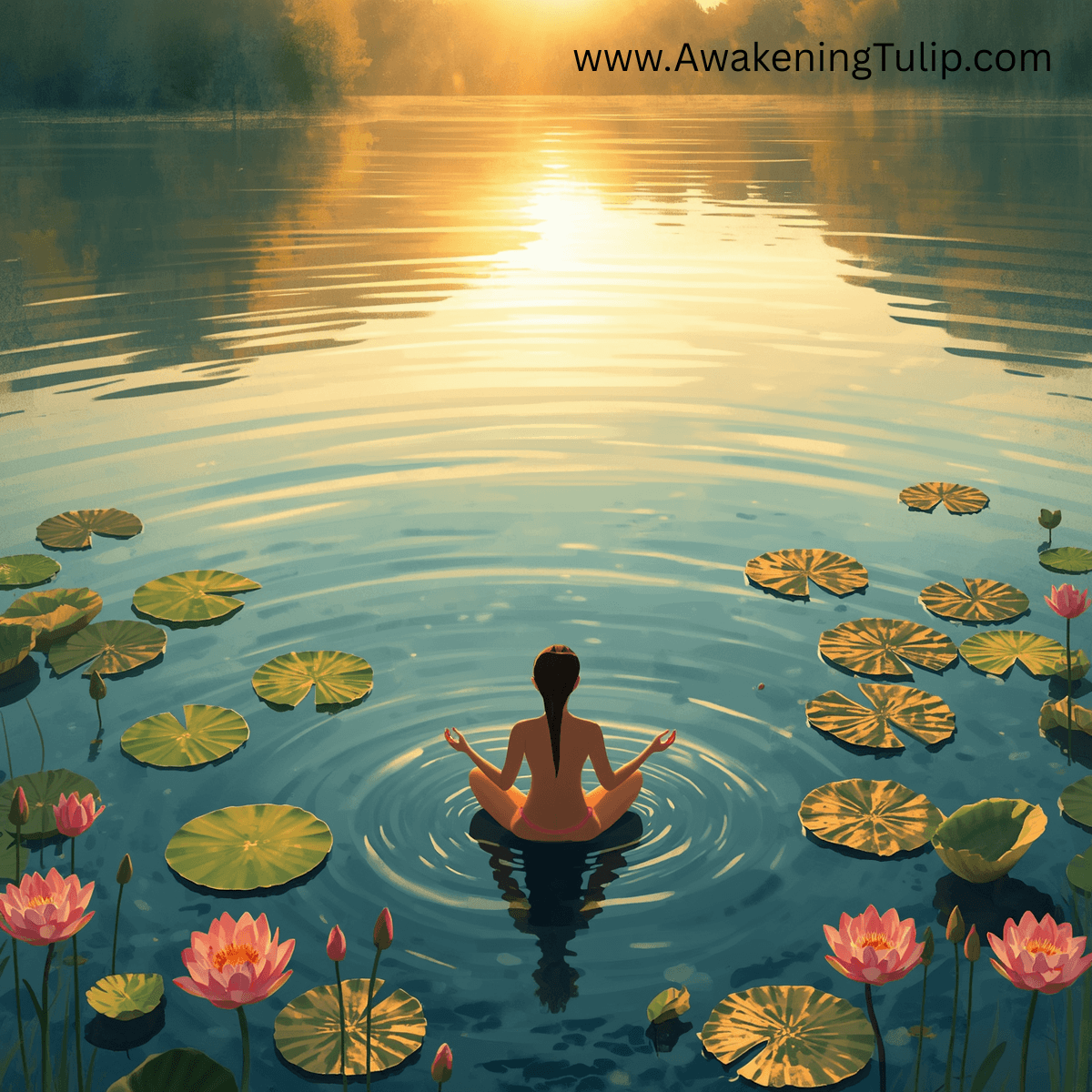

Aligning Your Energy with Prosperity

5 Steps to Manifest Abundance

Have you ever wondered why some people seem to attract success effortlessly while others struggle despite working twice as hard? The secret isn’t just in your strategy—it’s in your vibration.

Prosperity is more than just a number in a bank account; it is an energetic frequency. When you learn the art of aligning your energy with prosperity, you stop “chasing” wealth and start “attracting” it. Here is how you can shift your internal state to mirror the external abundance you desire.

1. Shift from Scarcity to an Abundance Mindset

The biggest barrier to prosperity is a scarcity mindset—the belief that there is “never enough” or that money is difficult to come by. To align with wealth, you must first recognize that the universe is infinitely abundant.

  • The Shift: Instead of focusing on what you lack, focus on what is already flowing. Celebrate the successes of others as proof that prosperity is possible for everyone, including you.

2. Master the Art of Gratitude

Gratitude is the fastest way to raise your energetic frequency. It sends a signal to the universe that you already possess wealth, which in turn attracts more of it.

  • Practical Tip: Start a daily “Prosperity Journal.” Every morning, write down five things you are grateful for—even small things like a cup of coffee or a functioning car. Feeling the emotion of thankfulness is the key to true alignment.

3. Use High-Vibrational Affirmations

Your words are the architects of your reality. If you constantly say, “I can’t afford that,” you are energetically locking yourself out of prosperity.

  • Try these:
    • “I am a magnet for financial abundance.”
    • “Money flows to me easily and frequently.”
    • “I am worthy of a life filled with riches and joy.”

4. Release Energetic Blocks and Resistance

Sometimes we unconsciously push prosperity away because of limiting beliefs—like thinking money is “evil” or that we aren’t “good enough” to be rich.

  • The Fix: Identify these “money stories” you’ve carried since childhood. Once you acknowledge them, you can consciously choose to replace them with a new story of worthiness and ease.

5. Take Aligned Action

Manifesting isn’t just about sitting on a meditation cushion; it’s about aligned action. When you are in energy alignment, you will receive “pings” of intuition—a sudden idea for a business, a person you should call, or a course you should take.

  • The Action: Follow these intuitive nudges immediately. Prosperity rewards those who move with the flow of their own energy.

Conclusion

Aligning your energy with prosperity is a daily practice, not a one-time event. By choosing gratitude, shifting your mindset, and listening to your intuition, you become an energetic match for the wealth you seek.

Ready to dive deeper? Download our Free Prosperity Meditation Guide to start your journey toward financial freedom today!

How to Release Scarcity and Step Into Abundance

Do you ever feel like you’re running a race where the finish line keeps moving? Or perhaps you find yourself looking at others’ success and feeling a pang of “if they have it, there’s less for me.”

This is the scarcity mindset—the belief that resources (time, money, love, or opportunity) are limited. In 2026, with the rapid pace of AI and global change, it’s easier than ever to fall into this trap. However, scarcity isn’t a fact; it’s a filter. When you change the filter, you change your reality.

Stepping into abundance is about realizing that life isn’t a zero-sum game. Here is how to dismantle the “lack” narrative and start living in a state of flow.

1. Identify Your “Scarcity Scripts”

You cannot change what you haven’t acknowledged. Scarcity often hides in our daily dialogue:

  • “I’ll never have enough time for this.”
  • “Opportunities like that don’t happen for people like me.”
  • “I have to hold onto this money tightly because I don’t know when more is coming.”

The Shift: Awareness is the first step toward neuroplasticity. When you catch these thoughts, pause and ask: “Is this absolutely true, or is this just a story I’m telling?”

2. Practice “Active” Gratitude (Not Toxic Gratitude)

By now, we all know gratitude is key. But in 2026, the trend has shifted toward Active Gratitude. This isn’t just listing things you’re “supposed” to be thankful for to mask your pain (toxic gratitude). It’s about deeply feeling the abundance in what you currently possess.

  • Try the “Three Good Things” Exercise: Every evening, write down three things that went well and why they happened. This trains your brain to look for patterns of success rather than patterns of lack.

3. Reframe Debt and Expenses as “Investments”

One of the hardest places to feel abundant is when paying bills. However, if you view every payment with resentment, you reinforce a “lack” vibration.

  • The Shift: Before you click “pay,” close your eyes and say: “I am grateful for the service this money provided. There is more where this came from.” Rebrand your student loans as “investments in my brilliance” and your rent as “gratitude for my safe sanctuary.”

4. Move on “Micro-Actions”

Abundance is a muscle. You don’t need a million dollars to act abundantly; you need to prove to your nervous system that you are safe to give.

  • Generosity: Celebrate a competitor’s win. Share a helpful resource without being asked.
  • Treats: Buy yourself the “good” coffee or take an extra 20 minutes for a walk. These small acts signal to your brain that you are a person who lives in “enough-ness.”

5. Master Your Attention and Intention

In 2026, your attention is your most valuable currency. If you spend it on doom-scrolling or comparison, you are literally spending your abundance.

  • Visualization: Spend 5 minutes every morning visualizing your “abundant self.” Don’t just see the money or the house; feel the ease in your body. When you embody the feeling of abundance, your brain begins to filter for opportunities that match that frequency.

The Bottom Line

Releasing scarcity isn’t a one-time event; it’s a daily practice of choosing to see the “limitless ocean” instead of the “limited pie.” When you step into abundance, you don’t just change your bank account—you change the way you show up for the world.


Reclaiming Joy: A Guide to Nurturing Your Inner Child’s Light

Introduction: The Forgotten Spark

Do you remember a time when your biggest worry was whether you could reach the highest swing at the park? Or when a box of crayons felt like a portal to another world? As we transition into the “shoulds” and “musts” of adulthood, that natural spark of wonder often starts to flicker.

Reclaiming joy isn’t about ignoring your adult responsibilities; it’s about nurturing your inner child’s light. Your inner child is the part of your subconscious that holds your earliest memories, your capacity for play, and your most authentic emotions. When we reconnect with this part of ourselves, we unlock a level of resilience and happiness that productivity alone can never provide.

What is the “Inner Child”?

In psychology, the inner child represents the child-like aspects of our personality—the part of us that remains curious, vulnerable, and creative. However, it also carries the “wounds” of unmet needs from our past. If you find yourself overreacting to criticism or struggling to set boundaries, it might be your inner child reacting to an old script.

Healing this part of yourself allows you to move from “survival mode” back into “joy mode.”

The Benefits of Reconnecting

Reclaiming your inner child’s light offers more than just a trip down memory lane.Research shows that inner child work can:

  • Improve Mental Health: Alleviate stress and chronic anxiety by addressing core emotional wounds.
  • Boost Creativity: Unlocking your youthful imagination helps you solve adult problems with fresh perspectives.
  • Strengthen Relationships: When you heal your own triggers, you approach others with more empathy and less reactivity.

4 Practical Steps to Nurture Your Inner Child

1. Create a “Safe Space” for Play

Adults are often obsessed with being “good” at things. To nurture your inner child, engage in low-stakes play. Buy a coloring book, build something with LEGOs, or have a five-minute kitchen dance party. The goal isn’t to create a masterpiece; it’s to feel the freedom of movement and expression.

2. Practice Compassionate Reparenting

We are often our own harshest critics. When you make a mistake, notice the voice in your head. Is it a supportive adult or a critical echo from the past? Reparenting involves speaking to yourself as you would a child you love: with kindness, patience, and encouragement.

3. Write a Letter to Your Younger Self

Grab a notebook and write a letter to “Little You.” Tell them what they needed to hear back then—that they are safe, loved, and enough. Many find it helpful to write the response with their non-dominant hand, which can tap into the more emotional, less “logical” parts of the brain.

4. Identify Your Joy Triggers

Think back to what made you lose track of time as a kid. Was it being in nature? Reading adventure stories? Singing? Find a way to incorporate a “micro-dose” of that activity into your weekly routine.

Embracing the Journey

Reclaiming yourself through joy isn’t an overnight achievement; it’s a gentle, daily practice. By acknowledging the needs of your inner child, you aren’t just looking backward—you’re lighting the way for a more vibrant, authentic future.

Ready to start? Leave a comment below and share one thing that brought you pure joy as a child!

How to Reparent Yourself with Compassion and Love

Have you ever reacted to a small mistake with intense self-criticism? Or felt a surge of overwhelming anxiety when someone didn’t reply to your text immediately? Often, these reactions aren’t just about the present—they are the voices of our “inner child” seeking the safety and validation they didn’t receive years ago.
Reparenting is the transformative process of becoming the loving, stable parent for yourself that you may have missed out on during childhood. It isn’t about blaming the past; it’s about taking responsibility for your healing today.
Here is how you can begin reparenting yourself with deep compassion and love.

  1. Acknowledge Your Inner Child
    The first step in reparenting is awareness. Your inner child is the part of your subconscious that holds your childhood memories, emotions, and unmet needs.
    Practice: When you feel triggered or “small,” stop and ask: “How old do I feel right now?” Identifying that a 6-year-old version of you is feeling scared or ignored allows you to separate your adult self from the intense emotion.
  2. Practice Compassionate Self-Talk
    Many of us grew up with parents who were critical, dismissive, or simply absent. We often internalize those voices as our own. Reparenting requires you to consciously replace that “inner critic” with a “nurturing parent.”
    Try these affirmations:
    “I see that you’re hurting right now, and I’m right here with you.”
    “It’s okay to make mistakes. We’re learning together.”
    “You are safe now. I will protect you.”
  3. Establish Healthy Boundaries
    A good parent provides a “secure base” by setting limits that keep a child safe. As an adult, this means setting boundaries with others—and yourself.
    Self-Protection: Learn to say “no” to things that drain your energy or trigger old wounds.
    Self-Discipline: Reparenting isn’t just about “treating yourself.” It’s also about the loving discipline of going to bed on time, eating nourishing food, and keeping your living space clean because you deserve to live in a healthy environment.
  4. Create Emotional Safety Rituals
    If you grew up in an environment that felt chaotic or emotionally unpredictable, you likely learned to live in “survival mode.” Reparenting involves teaching your nervous system that it is finally safe to relax.
    Soothing Activities: When you feel overwhelmed, try “weighted” items like a heavy blanket, gentle humming (which stimulates the vagus nerve), or placing a hand over your heart and breathing deeply. These physical cues tell your body that the “adult you” has everything under control.
  5. Celebrate Your Progress
    A loving parent celebrates even the smallest wins. To reparent yourself effectively, you must stop waiting for external validation and start giving it to yourself.
    The “Cheerleader” Voice: Did you handle a difficult conversation well? Did you choose a healthy meal when you were stressed? Acknowledge it. Tell yourself, “I’m really proud of how you handled that today.”
    Final Thoughts
    Reparenting is not a one-time event; it is a daily practice of showing up.There will be days when the old patterns return, and that is okay. The goal isn’t perfection—it’s presence. By choosing to meet your own needs with love, you aren’t just healing your past; you are building a more resilient, compassionate future.

Reclaiming Your Joy

A Guide to Recognizing and Healing Inner Child Wounds

Have you ever reacted to a minor inconvenience with unexplained intensity? Or perhaps you find yourself stuck in a cycle of people-pleasing, even when it leaves you exhausted?

Oftentimes, our adult “overreactions” aren’t actually about the present moment. They are echoes from the past. Behind the mask of our adult selves lives our inner child—the part of our subconscious that retains the memories, emotions, and beliefs we formed during our earliest years.

When that child is wounded, they continue to run the show from behind the scenes. Today, we’re diving into the transformative journey of emotional healing and how you can begin healing inner child wounds to live a more authentic, peaceful life.


What Exactly is the “Inner Child”?

The inner child is not a literal child living inside you; it is a psychological metaphor. It represents the sum of your childhood experiences—both the joyful ones and the painful ones.

If your needs for safety, love, and validation weren’t fully met as a child, you likely developed “wounds.” These wounds act like filters through which you see the world today. Inner child work is the process of accessing those parts of yourself to provide the comfort and security you didn’t receive back then.

Common Signs of Inner Child Wounds

Recognizing that you have healing to do is the first step. Inner child wounds often manifest in adulthood as:

  • Fear of Abandonment: An intense anxiety that friends or partners will leave you.
  • People-Pleasing: Sacrificing your own needs to keep the peace or gain approval.
  • Poor Boundaries: Difficulty saying “no” or allowing others to mistreat you.
  • Self-Criticism: A loud internal voice that tells you that you aren’t “good enough.”
  • Emotional Volatility: Getting “triggered” easily and feeling a loss of control over your reactions.
  • Self-Sabotage: Pushing away good things because you subconsciously feel you don’t deserve them.

Steps for Healing Inner Child Wounds

Healing is not about changing the past; it’s about changing your relationship with it. Here are four foundational steps to start your journey:

1. Awareness and Acknowledgment

You cannot heal what you refuse to see. Start by noticing when you feel “small” or “defensive.” Ask yourself: “How old do I feel right now?” Often, when we are triggered, we are reacting from the age at which the original wound occurred. Acknowledge that younger version of you with compassion rather than judgment.

2. Practice “Reparenting”

Reparenting is the core of emotional healing. It involves giving yourself the love, discipline, and affirmations you needed as a child.

  • The Affirmation: “I am safe now. I am loved. I am enough exactly as I am.”
  • The Action: Setting a regular bedtime, eating nourishing food, or protecting your time are all acts of reparenting that signal safety to your inner child.

3. Safe Expression through Journaling

Write a letter to your inner child. Ask them how they feel and what they are afraid of. Then, write back from your “Wise Adult” self. This dialogue helps bridge the gap between your past pain and your present strength.

4. Embrace the Power of Play

Wounded children often had to grow up too fast. Healing inner child wounds involves reclaiming the joy of play. Do something “pointless” but fun—paint, dance in your kitchen, build something with LEGOs, or run through the grass. Play tells your inner child that life doesn’t always have to be a struggle for survival.

The Path to Emotional Freedom

Healing inner child wounds is not a linear process. There will be days when you feel incredibly grounded and days when old patterns resurface. That is okay.

The goal of inner child work is not to reach a “perfect” state, but to build a relationship with yourself based on trust and kindness. As you begin to heal, you’ll find that you are no longer reacting to life from a place of lack, but responding to it from a place of wholeness.

Are you ready to start your healing journey? Remember: It is never too late to have a happy childhood. You have the power to be the person your younger self always needed.

Practices for Self-Acceptance & Heart-Centered Living

Heart-centered living means making choices based on love and intuition rather than fear or societal “shoulds.” This requires radical self-acceptance—the ability to look at every part of yourself, including the messy bits, and say, “You belong here, too.”

How to live more from your heart:

  • The Morning Alignment: Before checking your phone, ask your heart: “What do you need today?” Listen to the first whisper that comes up.
  • Release the “Shoulds”: Write down three things you feel you “should” do. Cross them out and replace them with what feels expansive and true to your values.
  • Breathwork for Acceptance: Inhale “I accept,” and exhale “I let go.”

The Art of Embodying Self-Love & Compassion

Embodying self-love isn’t about a one-time bubble bath; it’s a commitment to how you treat yourself in your darkest moments. Often, we are our own harshest judges. To embody compassion, we must start by “witnessing” our pain without trying to fix it immediately.

Three core practices to start this week:

  1. The Compassion Break: When you feel stressed, pause, place a hand over your heart, and say: “This is a moment of suffering. Suffering is part of life. May I be kind to myself in this moment.”
  2. The “Friend Test”: Before you speak to yourself, ask: “Would I say this to a dear friend?” If the answer is no, rephrase it with kindness.
  3. Mindful Awareness: Simply label your feelings. Instead of “I am a failure,” try “I am noticing a feeling of disappointment.”

Social Media Post:
Self-love isn’t a destination; it’s the way you walk the path. 🌿 This week, we’re diving into the foundations of radical self-compassion. It starts with one kind thought at a time. Read the full guide on the blog!
#SelfLoveJourney #SelfCompassion #MindfulLiving #InnerPeace #WellnessTips

Working with Elemental Energies

By the second week of May, the initial burst of Beltane fire begins to settle into a steady hum of growth. Nature is a perfect laboratory of balance, utilizing the four elements to create life. This week, we invite you to audit your own internal ecosystem.

  • Air (Intellect & Breath): With the spring breezes carrying pollen and change, practice “Box Breathing” outdoors. Let the air clear the “mental cobwebs” of winter.
  • Fire (Action & Creation): The sun is gaining strength. Light a gold candle or spend time in the midday sun to fuel your creative projects.
  • Water (Emotion & Flow): May rains are sacred. Collect rainwater to wash your hands or crystals, symbolizing the release of old emotional patterns.
  • Earth (Structure & Body): Eat seasonal greens and root vegetables. Honor your body as the physical vessel for your spiritual journey.

When these four forces are in balance, you move through the world with grace rather than friction.

Grounding with Earth Energy

As the veil thins and the Earth bursts into full bloom this May 1st, we find ourselves at the peak of the spring fire. With the Full Flower Moon in Scorpio coinciding with Beltane, the energy is electric, passionate, and perhaps a little overwhelming. To navigate this “Blue Moon month,” we must first learn to stand still.

Grounding (or “Earthing”) is the practice of reconnecting your physical and energetic body to the Earth’s frequency. This week, as the sap rises in the trees, try these three methods to stay rooted:

  1. Barefoot Connection: Spend 10 minutes walking on grass or soil. Feel the literal exchange of electrons as the Earth neutralizes your stress.
  2. The Root Meditation: Visualize roots extending from the base of your spine deep into the tectonic plates, anchoring you through the Scorpio moon’s emotional waves.
  3. Tending the Soil: Physically get your hands in the dirt. Whether it’s a garden or a windowsill pot, the microbes in the soil are natural antidepressants that tether you to the “now.”

Weekly Affirmation: “I am rooted in the deep wisdom of the Earth. I am stable, I am safe, and I am home.”

How to Strengthen Your Ability to Sense Energy

You don’t need to be “born with a gift” to sense energy. Just like a muscle, your energetic sensitivity can be developed through practice and intention. Sensing energy—often called clairsentience—allows you to navigate the world with greater intuition and awareness.

Exercises to Strengthen Your “Energetic Muscles”:

1. The Energy Ball (Psi Ball)
Rub your palms together vigorously for 20 seconds to create friction. Slowly pull them apart, then bring them back together without touching. Do you feel a push, a pull, a tingle, or warmth? That’s your own energy field!

2. Scanning Your Plants
Place your hand a few inches above a living plant. Gently move your hand up and down. Notice if the “density” of the air changes as you get closer to the leaves. Plants have vibrant, easy-to-sense auras.

3. The Room Scan
When you enter a room, before you look at the decor, close your eyes. Notice the “temperature” of the room. Does it feel heavy, light, stagnant, or buzzing? Trust your first instinct.

4. Mindfulness and Silence
The “volume” of subtle energy is low. To hear it, you must turn down the volume of the physical world. A daily 5-minute meditation builds the sensitivity required to notice subtle shifts in your environment.

By practicing these steps, you’ll move from “thinking” about energy to “knowing” it.

0
    0
    Your Cart
    Your cart is emptyReturn to Shop