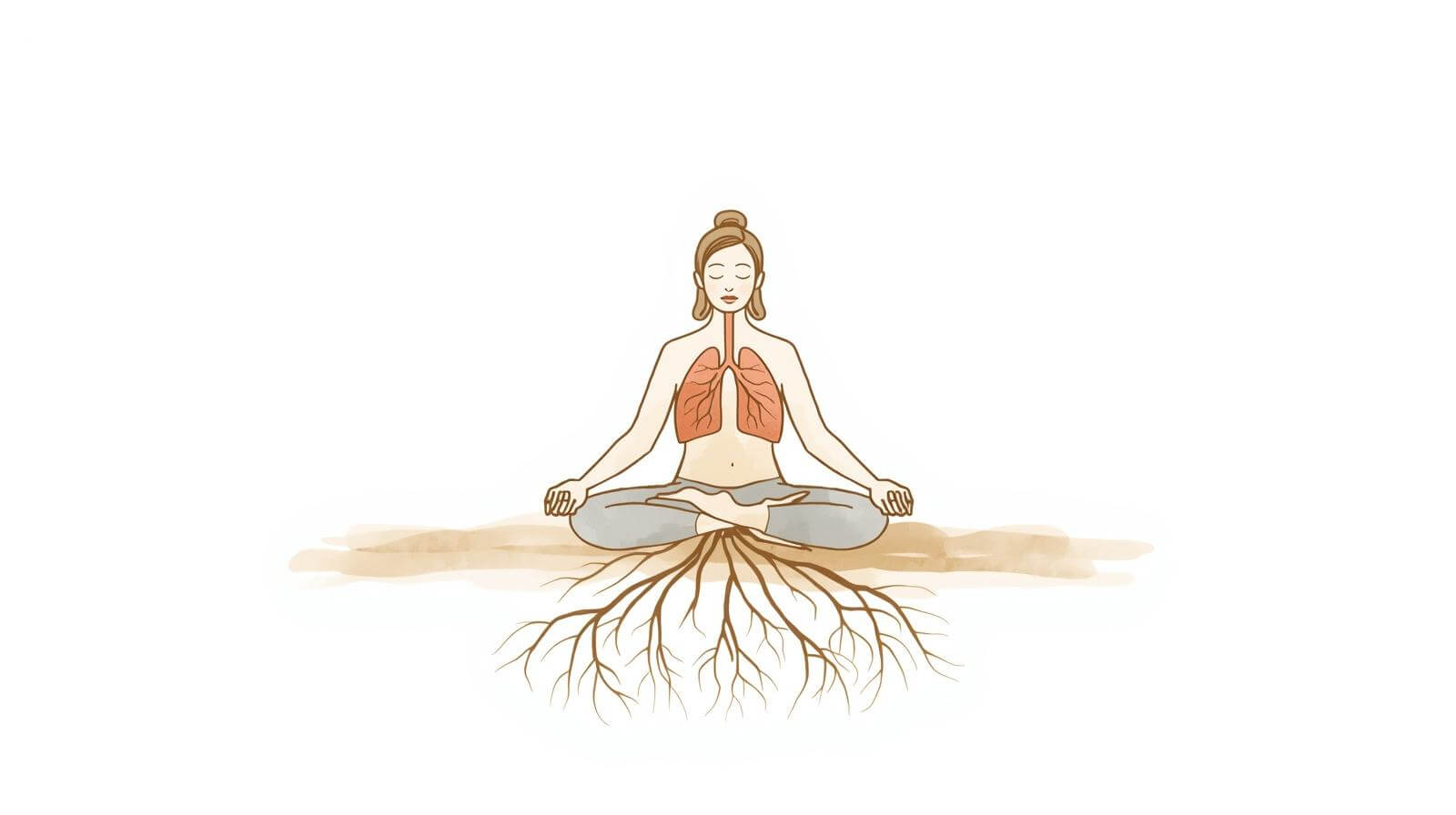
Energetic Decluttering

Clearing Space for a Powerful New Year

As the calendar turns, many of us feel a natural urge to hit the “reset” button. While a standard New Year’s resolution might involve a gym membership, a truly powerful start begins exactly where you are: in your home and your mind.

Energetic decluttering is the practice of removing physical, digital, and mental “noise” to allow fresh, positive energy to flow into your life. It’s not just about throwing away old clothes; it’s about making room for the version of yourself you want to become in the year ahead.


Why Energetic Decluttering Matters

Everything in your environment holds a vibration. Stagnant clutter – like that pile of mail on the counter or the 4,000 unread emails in your inbox – acts as an energetic anchor, keeping you tethered to the past. By clearing this space, you:

  • Reduce Cortisol: A cluttered home is often linked to higher stress levels.
  • Boost Manifestation: In Feng Shui, “new energy cannot enter a full house.” Clearing space literally invites new opportunities.
  • Sharpen Focus: A clear environment leads to a clear mind, making it easier to stick to your 2026 goals.

3 Pillars of Your New Year Reset

1. Physical: The “Weight” of the Past

Start with the items that carry emotional weight.

  • The One-Year Rule: If you haven’t used it or loved it in the last year, it’s time to release it.
  • The 20-Minute Burst: Don’t try to do the whole house at once. Set a timer for 20 minutes and tackle one “stagnant” zone, like a junk drawer or the bottom of your closet.
  • The Entryway: This is where energy (and you!) enters your home. Keep it clear, bright, and welcoming to signal to the universe that you are open for business.

2. Digital: The Invisible Clutter

Our digital lives often drain more energy than we realize.

  • The Inbox Purge: Use a tool to mass-unsubscribe from newsletters that no longer inspire you. Archive anything older than 30 days.
  • Camera Roll Reset: Delete those 15 nearly identical photos of your lunch. Keep only what sparks a memory or joy.
  • The Desktop Deep Clean: A cluttered computer desktop is visual static. File your documents and start with a fresh, inspiring wallpaper.

3. Energetic: Clearing the “Vibe”

Once the physical clutter is gone, you must clear the “energetic residue.”

  • Sound Clearing: Walk through your home ringing a bell, using chimes, or even clapping loudly in the corners where energy tends to get “stuck.”
  •  Smoke or Salt: Use ethically sourced Palo Santo or Sage to “smudge” your space, or place small bowls of sea salt in the corners of a room for 24 hours to absorb negative vibes, then discard the salt.
  • Fresh Air: Open every window in your home for at least 10 minutes – even if it’s cold. Let the old year out and the new year in.

As you declutter, do it with intention. Instead of thinking, “I’m cleaning,” think, “I am releasing what no longer serves me to make room for my highest good.”

Happy New Year—may your space be light, your mind be clear, and your year be powerful.

Vision Casting

We often hear about goal setting, but how often do we talk about Vision Casting?

While a goal is a target you want to hit, a vision is the identity you want to inhabit. Vision casting is the process of painting a vivid, detailed picture of your future self so clearly that your brain begins to recognize it as your current reality.

If you’ve ever felt like you’re “checking the boxes” but not actually changing, it’s because you’re focusing on what you are.

We’ve all been there: you set a massive goal on January 1st, stay excited for exactly three days, and then life gets in the way. Suddenly, the “future you” feels like a distant stranger living in a different zip code.

You revert to old habits, and that version of yourself – the one who is disciplined, calm, and successful—seems like a fictional character.

The problem isn’t your willpower. The problem is that you are chasing a goal without casting a vision. Goals tell you what you want to achieve; vision casting tells you who you need to be.

To bridge the gap between where you are and where you want to be, you must learn to embody your highest self today. Here is how you do it.

1. Define the Character of Your Highest Self

Vision casting starts with a character audit. If you met the highest version of yourself on the street, what would you notice? Don’t look at their bank account; look at their essence.

  • How do they respond to stress? Instead of spiraling, they respond with calm, perspective, and a solution-oriented mindset.
  • What is their energy like in a room? They don’t shrink to fit in; their presence is confident, inviting, and grounded.
  • How do they treat their body? They don’t see exercise as a chore; they treat their body as a temple of high performance, fueling it with intention and movement.

The Shift: Stop asking “What do I want to do?” and start asking “Who is the person who already has what I want?”

2. Move from Goal – Setting to Identity – Shifting

A goal is an external target (e.g., “I want to write a book”). An identity is an internal state (e.g., “I am a writer”).

When you cast a vision, you are choosing a new identity. When your actions stem from your identity, they become effortless. The highest version of you doesn’t have to “try” to wake up early; they wake up early because that is simply who they are.

3. Close the “Zip Code” Gap

If your highest self feels like they live in a different zip code, it’s because your daily environment is still reflecting your old self. To embody the new version, you must bring that “future zip code” into your current reality through micro-embodiments:

  • Dress the Part: Even if you work from home, dress in a way that makes you feel like the CEO of your life.
  • Curate Your Inputs: Listen to the podcasts and read the books that the highest version of you would find interesting.
  • Audit Your Language: Stop saying “I’m trying to…” and start saying “I am…” or “I choose to…”

4. The Daily Vision Cast

Vision casting isn’t a one-time event; it’s a daily practice. Every morning, spend five minutes in “The Future Lab.” Close your eyes and visualize yourself navigating your day as your highest version.

See yourself handling that difficult meeting with grace. See yourself choosing the healthy meal. Feel the pride of a day well-spent. By the time you open your eyes, your brain won’t know the difference between the vision and reality—and you will find yourself acting accordingly.

Chakra Clearing for New Beginnings

Start 2026 Empowered

As we cross the threshold into 2026, the universe is handing us a blank canvas. In numerology, 2026 is a “1” Year (2+0+2+6 = 10 -> 1)—the start of a brand-new nine-year cycle. This is the year of the pioneer, the leader, and the self-starter.

However, you cannot plant new seeds in hardened, old soil. To fully harness the potent “Aries energy” dominating the 2026 cosmos (with Saturn and Neptune both shifting into the sign of the Ram), you must first clear the energetic “static” from your system.

Here is your guide to clearing your chakras for the ultimate 2026 reset.

1. The Root Chakra (Muladhara): Grounding the Vision

With Chiron moving into Taurus this year, our sense of security and “home” is being redefined.

  • The Block: Fear of the unknown or financial anxiety.
  • The 2026 Clear: Use “Somatic Shaking.” Stand with feet hip-width apart and gently shake your body for two minutes to discharge 2025’s stress.
  • Crystal: Red Jasper or Black Tourmaline.

2. The Sacral Chakra (Svadhisthana): Reclaiming Joy

2026 is about radical independence. Reclaiming your creative fire is essential.

  • The Block: Guilt or “stuckness” in old habits.
  • The 2026 Clear: Water therapy. As you shower, visualize the water washing away old emotional attachments.
  • Affirmation: “I am the architect of my own pleasure and creativity.”

3. The Solar Plexus Chakra (Manipura): Step into Your Power

This is the “1” year’s powerhouse. With Jupiter entering Leo in mid-2026, your visibility and confidence will skyrocket.

  • The Block: Self-doubt or playing small.
  • The 2026 Clear: Breath of Fire (Kapalabhati). Rapid, rhythmic exhales through the nose to stoke your internal sun.
  • Crystal: Citrine or Pyrite (the stones of 2026 abundance).

4. The Heart Chakra (Anahata): Radical Self-Compassion

The “9-year cycle” starting now requires a heart that is open but protected.

  • The Block: Carrying past betrayals or “heavy” collective energy.
  • The 2026 Clear: Rose Quartz meditation.[2] Place the stone on your chest and breathe in green light, exhaling grey smoke representing old grief.

5. The Throat Chakra (Vishuddha): Speak Your Truth

Uranus in Gemini for 2026 brings a revolution in how we communicate.

  • The Block: Fear of being “canceled” or misunderstood.
  • The 2026 Clear: Sound Humming. Hum the note “G” (the frequency of the throat) for five minutes to break up stagnant energy.

6. The Third Eye Chakra (Ajna): Navigating the New Era

Neptune’s move into Aries can make things feel blurry. You need sharp intuition to see through the illusions.

  • The Block: Over-analyzing or mental fatigue.
  • The 2026 Clear: Digital Detox. Spend the first 60 minutes of your day away from screens to let your own “inner vision” lead.

7. The Crown Chakra (Sahasrara): Divine Alignment

  • The Block: Feeling disconnected from your higher purpose.
  • The 2026 Clear: Silence. Spend 10 minutes in total stillness, visualizing a white-gold light pouring from the cosmos into your head, anchoring you into the 2026 frequency.

Final Thought for 2026

2026 isn’t just another year; it’s a portal. By clearing your chakras, you aren’t just “fixing” yourself—you are upgrading your frequency to match a year that demands leadership, authenticity, and courage.

Are you ready to lead your own life?

Setting Aligned Intentions

Visioning Your Spiritual Path for 2026

Aligned intentions are not resolutions—they’re energetic commitments. Instead of forcing change, they guide your spirit toward what feels authentic, expansive, and aligned.

Before setting intentions for 2026, ground yourself in the energy of possibility. You’ve reflected. You’ve released. You’ve renewed. Now it’s time to create.

Try these steps for setting intentional, soul-led goals:

  1. Choose a Soul Theme for 2026
    Words like peace, expansion, surrender, joy, authenticity, or courage set the frequency for the year.
  2. Create a Vision List Instead of a To-Do List
    What do you want to feel? What experiences does your soul crave?
  3. Affirm Your Path
    Repeat: “I move into 2026 with clarity, purpose, and divine alignment.”

When intentions come from the heart and not the ego, they unfold with ease.


Renewing Your Spirit

Calling in Aligned Energy for 2026

Once you’ve reflected and released, the soul becomes open to renewal—like fertile soil ready for new seeds. December’s energy offers a gentle invitation to reconnect with your true essence and prepare for a deeply aligned 2026.

Spiritual renewal isn’t about creating a new you; it’s about returning home to the real you—your intuition, your joy, your inner peace.

Here are simple practices to awaken renewal:

  1. Deep Breathwork for Resetting Energy
    Try alternate nostril breathing to balance your chakras and restore inner harmony.
  2. Chakra Realignment Meditation
    Visualize each chakra glowing stronger and brighter, from root to crown.
  3. Connect with Nature
    Even in winter, nature supports renewal. Walk mindfully, touch a tree, or listen to the quietness of the season.

Renewal asks only one thing: Show up open. Show up willing. Show up as yourself.

A Sacred December Cleansing

Releasing What No Longer Serves

As the year winds down, the call to release becomes stronger. December holds a beautiful energy of closure—inviting you to gently lay down the burdens, patterns, and emotions that no longer support your highest path.

Release is not failing. Release is freedom—a sacred act of self-love that makes space for your next chapter.

Here are intentional practices to help you release with clarity:

  1. Energetic Cord Cutting
    Visualize energetic cords dissolving between you and anything draining your spirit—fear, old stories, toxic connections, or self-doubt.
  2. Fire Ceremony for Emotional Release
    Write down what you’re ready to let go of, then safely burn or bury the paper. As it turns to ash, imagine the energy lifting from your field.
  3. Declutter Your Inner & Outer Space
    Clear old items, emails, photos, or energetic clutter. Your physical space mirrors your inner landscape. Let it breathe.

As you release, remind yourself: “I am worthy of lightness. I am ready for renewal.”

How to Make Gratitude a Cornerstone of Your Lifestyle

Over the past three weeks, we’ve explored the power of daily gratitude, techniques to deepen your appreciation, and strategies to shift from a scarcity to an abundance mindset. This final post in our series focuses on the crucial next step: how to sustain this beautiful shift and integrate gratitude so deeply into your life that it becomes a natural, effortless part of who you are. This isn’t just about practices; it’s about making gratitude a lifestyle.

From Practice to Lifestyle: The Power of Consistency
Starting a gratitude journal or doing a weekly reflection is a fantastic beginning. But to truly live an abundant life, gratitude needs to move beyond a scheduled “task” and become an intrinsic part of your daily existence. It’s the small, consistent acts of appreciation and the mindful awareness of blessings throughout your day that create lasting change. Think of it like a muscle: the more you use it, the stronger it gets, making gratitude your default setting.

Practical Strategies for Lifestyle Integration

  • Anchor Gratitude to Daily Routines: Connect gratitude to activities you already do. As you brush your teeth, think of three things you’re grateful for that day. While waiting for your coffee, reflect on one positive expectation for the hours ahead.
  • Create Gratitude Triggers: Place visual cues around your home or workspace. A gratitude jar on your kitchen counter, a sticky note on your mirror with an inspiring quote, or even your phone’s wallpaper can serve as gentle reminders to pause and appreciate.
  • “Bookend” Your Day with Gratitude: Start your day by setting an intention for gratitude and end it by reviewing moments of appreciation. This frames your entire day with a positive, abundant outlook.
  • Share Your Gratitude: Expressing thanks to others not only strengthens your own feelings of appreciation but also spreads positivity and strengthens relationships, creating an upward spiral of good. Write thank-you notes, send appreciative texts, or simply voice your gratitude.
  • Mindful Consumption: Be conscious of what you consume – media, food, experiences. Practice gratitude for the nourishment, the information, and the enjoyment, rather than mindlessly taking it in.
  • Regular Gratitude Check-ins: Schedule a quick “gratitude check-in” with yourself a few times a day. It could be a brief mental scan: “What am I grateful for right now, in this very moment?”

The Long-Term Benefits of a Gratitude-Rich Life
Making gratitude a lifestyle isn’t just about feeling good in the moment; it offers profound long-term benefits. Studies show that consistently grateful people tend to experience:

  • Greater overall happiness and life satisfaction
  • Increased resilience to stress and adversity
  • Improved physical health and sleep
  • Stronger, more meaningful relationships
  • A heightened sense of purpose and meaning

This integrated approach solidifies your abundance mindset, transforming how you perceive the world and your place within it.

Conclusion:
Sustaining an abundance mindset through consistent gratitude isn’t a destination; it’s a beautiful journey. By weaving appreciation into the fabric of your daily life, you create a rich tapestry of joy, resilience, and endless possibilities. Embrace gratitude not just as a practice, but as a way of life, and watch your world bloom with abundance.

Beyond “Thank You”

Deepening Your Gratitude Practice

Last week, we explored the basics of daily gratitude and its incredible potential to foster an abundance mindset. This week, we’re going beyond the simple “thank you” and diving into ways to deepen your gratitude practice. It’s about cultivating a richer, more profound sense of appreciation that can truly transform your emotional landscape and attract even more positive experiences.

The Difference Between Casual and Deep Gratitude
Casual gratitude is acknowledging something good that happened. Deep gratitude, however, involves a more visceral, emotional connection to the feeling of thankfulness. It’s not just what you’re grateful for, but how you feel about it. It’s pausing to truly savor the feeling, recognizing the effort or circumstances that led to it, and understanding its significance in your life.

Techniques to Cultivate Profound Appreciation

  • Sensory Gratitude: Don’t just list things; experience them. If you’re grateful for your morning coffee, take a moment to smell its aroma, feel the warmth of the mug, and taste its richness. If you’re grateful for nature, really see the colors, hear the sounds, and feel the breeze.
  • “Why” Gratitude: For each item on your gratitude list, ask yourself “why” you are grateful for it. For example, instead of just “I’m grateful for my job,” try: “I’m grateful for my job because it provides security, allows me to learn new things, and connects me with supportive colleagues.” This adds layers to your appreciation.
  • Contrasting Gratitude: Sometimes, appreciating the good means remembering what it’s like without it. Thinking about a past struggle you’ve
  • overcome can heighten your gratitude for your current well-being. This isn’t about dwelling on the negative, but about highlighting the contrast to magnify your appreciation.
  • Gratitude Meditation: Find a quiet space and focus on your breath. Then, bring to mind people, experiences, or objects you’re grateful for. Allow the feeling of gratitude to wash over you, noticing it in your body.

The Ripple Effect: How Deep Gratitude Attracts More Abundance
When you consistently practice deep gratitude, you aren’t just feeling good; you’re also changing your energetic vibration. You become more open, more positive, and more attuned to opportunities. This heightened state of being can act as a magnet, drawing more things, people, and experiences into your life that align with your grateful perspective. It’s the law of attraction in action, powered by genuine appreciation.

Conclusion:
Moving beyond superficial thankfulness to a deeper gratitude practice takes a little more intention, but the rewards are immense. By truly savoring and understanding your blessings, you strengthen your abundance mindset and open yourself up to a world of even greater possibilities.

The Power of Thankfulness

Illuminating the Unseen with Care

Last week, we discussed what the shadow self is and why integrating it is vital for healing. This week, we’ll equip you with practical and safe tools to begin your exploration. Remember, shadow work is a deep dive into your psyche, and approaching it with compassion and patience is key.

Journaling: Your Personal Mirror

Journaling is perhaps the most accessible and powerful shadow work technique. It provides a private space to explore your thoughts and emotions without judgment.

  • Prompt-based journaling: Use prompts like: “What qualities do I dislike most in others?” “What makes me feel ashamed?” “What am I afraid to admit I want?” “What emotions do I suppress?”
  • Free-flow writing: Simply write whatever comes to mind, allowing your unconscious to surface.
  • Dream journaling: Immediately upon waking, record any dreams. Pay attention to symbols, characters, and emotions.

Active Imagination: Dialogue with Your Inner World

Developed by Jung, active imagination is a powerful technique for conversing with figures from your unconscious.

  • Meditation & Visualization: Find a quiet space, close your eyes, and enter a meditative state.
  • Invite a figure: Imagine a figure representing a shadow aspect (e.g., your inner critic, an angry child, a suppressed desire).
  • Engage in dialogue: Ask it questions, listen to its responses, and observe its appearance and emotions. Treat it as a real entity, learning from its perspective.
  • Record insights: Journal about your experience afterward.

Dream Analysis: Unlocking Symbolic Messages

Dreams are a direct communication from your unconscious mind, rich with symbolic meaning.

  • Record everything: Keep a dream journal by your bed.
  • Identify themes & symbols: Look for recurring patterns, strong emotions, or unusual objects/people.
  • Personal associations: What do these symbols mean to you? (e.g., a snake might mean fear for one person, transformation for another).
  • Connect to waking life: How might the dream be reflecting current challenges or repressed feelings?

Art & Creative Expression: Non-Verbal Release

Sometimes, words aren’t enough. Creative outlets can bypass the conscious mind and access deeper emotions.

  • Drawing, painting, sculpting: Express your shadow feelings visually. Don’t worry about artistic skill, focus on the process.
  • Movement or dance: Allow your body to express emotions or energies you’re holding.
  • Music: Listen to or create music that resonates with your shadow feelings.

Seeking Support: When to Work with a Guide

While many shadow work techniques can be done independently, some aspects might feel overwhelming. Consider working with:

  • Therapists or counselors: Especially those experienced in depth psychology or Jungian therapy.
  • Coaches: Who specialize in inner work or spiritual development.
  • Support groups: Sharing experiences can be incredibly validating.

Remember, shadow work is not about rushing to “fix” yourself. It’s an ongoing process of gentle unraveling and integration. Start with one technique that resonates, and approach it with curiosity and self-love.

What is Shadow Work?

Introduction: Stepping into the Light of Self-Awareness

Have you ever felt a part of yourself that you try to hide? A nagging insecurity, an unacknowledged anger, or a desire you deem “unacceptable”? These hidden aspects form what Carl Jung called the “shadow self.” Embracing this shadow, rather than suppressing it, is the core of shadow work – a profound path to healing and transformation.

What Exactly is the Shadow Self?

The shadow self isn’t inherently “evil” or “bad.” It’s simply the collection of all the traits, emotions, and experiences we’ve pushed into our unconscious, often because they were deemed undesirable by ourselves or society. It can include:

  • Negative traits: Anger, jealousy, selfishness, fear.
  • Positive traits: Creativity, power, assertiveness (if we’ve been taught these are “too much”).
  • Unresolved trauma: Past hurts or experiences we haven’t fully processed.
  • Hidden desires: Passions or ambitions we’ve denied ourselves.

The Power of Acknowledgment, Not Elimination

Shadow work isn’t about getting rid of your shadow; it’s about acknowledging, understanding, and ultimately integrating it. When we suppress our shadow, it can manifest in unhelpful ways: projecting our insecurities onto others, self-sabotage, or cycles of destructive behavior. By shining a light on these hidden parts, we reclaim lost energy and gain a more complete sense of self.

Why Start Shadow Work Now?

The benefits of engaging with your shadow are immense:

  • Greater self-acceptance: You learn to love all parts of yourself.
  • Reduced emotional reactivity: Understanding your triggers diminishes their power.
  • Enhanced creativity and intuition: Reconnecting with suppressed aspects can unleash new potential.
  • More authentic relationships: You show up as your whole self, fostering deeper connections.
  • Profound healing and transformation: Addressing root causes leads to lasting change.

Beginning Your Shadow Work Journey

Starting shadow work can feel daunting, but it’s a gradual process of self-discovery. Here are a few initial steps:

  1. Observe without judgment: Notice your reactions, emotions, and projections. What triggers you? What do you dislike in others that might be a reflection of yourself?
  2. Journaling: Write freely about your fears, insecurities, dreams, and resentments.
  3. Pay attention to dreams: Dreams often offer symbolic insights into the unconscious.
  4. Practice self-compassion: This journey requires kindness and patience.

This week, simply begin to notice. Observe the whispers of your shadow, and know that merely acknowledging them is the first courageous step towards integration.

0
    0
    Your Cart
    Your cart is emptyReturn to Shop