
Reclaiming Your Joy

A Guide to Recognizing and Healing Inner Child Wounds

Have you ever reacted to a minor inconvenience with unexplained intensity? Or perhaps you find yourself stuck in a cycle of people-pleasing, even when it leaves you exhausted?

Oftentimes, our adult “overreactions” aren’t actually about the present moment. They are echoes from the past. Behind the mask of our adult selves lives our inner child—the part of our subconscious that retains the memories, emotions, and beliefs we formed during our earliest years.

When that child is wounded, they continue to run the show from behind the scenes. Today, we’re diving into the transformative journey of emotional healing and how you can begin healing inner child wounds to live a more authentic, peaceful life.


What Exactly is the “Inner Child”?

The inner child is not a literal child living inside you; it is a psychological metaphor. It represents the sum of your childhood experiences—both the joyful ones and the painful ones.

If your needs for safety, love, and validation weren’t fully met as a child, you likely developed “wounds.” These wounds act like filters through which you see the world today. Inner child work is the process of accessing those parts of yourself to provide the comfort and security you didn’t receive back then.

Common Signs of Inner Child Wounds

Recognizing that you have healing to do is the first step. Inner child wounds often manifest in adulthood as:

  • Fear of Abandonment: An intense anxiety that friends or partners will leave you.
  • People-Pleasing: Sacrificing your own needs to keep the peace or gain approval.
  • Poor Boundaries: Difficulty saying “no” or allowing others to mistreat you.
  • Self-Criticism: A loud internal voice that tells you that you aren’t “good enough.”
  • Emotional Volatility: Getting “triggered” easily and feeling a loss of control over your reactions.
  • Self-Sabotage: Pushing away good things because you subconsciously feel you don’t deserve them.

Steps for Healing Inner Child Wounds

Healing is not about changing the past; it’s about changing your relationship with it. Here are four foundational steps to start your journey:

1. Awareness and Acknowledgment

You cannot heal what you refuse to see. Start by noticing when you feel “small” or “defensive.” Ask yourself: “How old do I feel right now?” Often, when we are triggered, we are reacting from the age at which the original wound occurred. Acknowledge that younger version of you with compassion rather than judgment.

2. Practice “Reparenting”

Reparenting is the core of emotional healing. It involves giving yourself the love, discipline, and affirmations you needed as a child.

  • The Affirmation: “I am safe now. I am loved. I am enough exactly as I am.”
  • The Action: Setting a regular bedtime, eating nourishing food, or protecting your time are all acts of reparenting that signal safety to your inner child.

3. Safe Expression through Journaling

Write a letter to your inner child. Ask them how they feel and what they are afraid of. Then, write back from your “Wise Adult” self. This dialogue helps bridge the gap between your past pain and your present strength.

4. Embrace the Power of Play

Wounded children often had to grow up too fast. Healing inner child wounds involves reclaiming the joy of play. Do something “pointless” but fun—paint, dance in your kitchen, build something with LEGOs, or run through the grass. Play tells your inner child that life doesn’t always have to be a struggle for survival.

The Path to Emotional Freedom

Healing inner child wounds is not a linear process. There will be days when you feel incredibly grounded and days when old patterns resurface. That is okay.

The goal of inner child work is not to reach a “perfect” state, but to build a relationship with yourself based on trust and kindness. As you begin to heal, you’ll find that you are no longer reacting to life from a place of lack, but responding to it from a place of wholeness.

Are you ready to start your healing journey? Remember: It is never too late to have a happy childhood. You have the power to be the person your younger self always needed.

Practices for Self-Acceptance & Heart-Centered Living

Heart-centered living means making choices based on love and intuition rather than fear or societal “shoulds.” This requires radical self-acceptance—the ability to look at every part of yourself, including the messy bits, and say, “You belong here, too.”

How to live more from your heart:

  • The Morning Alignment: Before checking your phone, ask your heart: “What do you need today?” Listen to the first whisper that comes up.
  • Release the “Shoulds”: Write down three things you feel you “should” do. Cross them out and replace them with what feels expansive and true to your values.
  • Breathwork for Acceptance: Inhale “I accept,” and exhale “I let go.”

Working with Elemental Energies

By the second week of May, the initial burst of Beltane fire begins to settle into a steady hum of growth. Nature is a perfect laboratory of balance, utilizing the four elements to create life. This week, we invite you to audit your own internal ecosystem.

  • Air (Intellect & Breath): With the spring breezes carrying pollen and change, practice “Box Breathing” outdoors. Let the air clear the “mental cobwebs” of winter.
  • Fire (Action & Creation): The sun is gaining strength. Light a gold candle or spend time in the midday sun to fuel your creative projects.
  • Water (Emotion & Flow): May rains are sacred. Collect rainwater to wash your hands or crystals, symbolizing the release of old emotional patterns.
  • Earth (Structure & Body): Eat seasonal greens and root vegetables. Honor your body as the physical vessel for your spiritual journey.

When these four forces are in balance, you move through the world with grace rather than friction.

Grounding with Earth Energy

As the veil thins and the Earth bursts into full bloom this May 1st, we find ourselves at the peak of the spring fire. With the Full Flower Moon in Scorpio coinciding with Beltane, the energy is electric, passionate, and perhaps a little overwhelming. To navigate this “Blue Moon month,” we must first learn to stand still.

Grounding (or “Earthing”) is the practice of reconnecting your physical and energetic body to the Earth’s frequency. This week, as the sap rises in the trees, try these three methods to stay rooted:

  1. Barefoot Connection: Spend 10 minutes walking on grass or soil. Feel the literal exchange of electrons as the Earth neutralizes your stress.
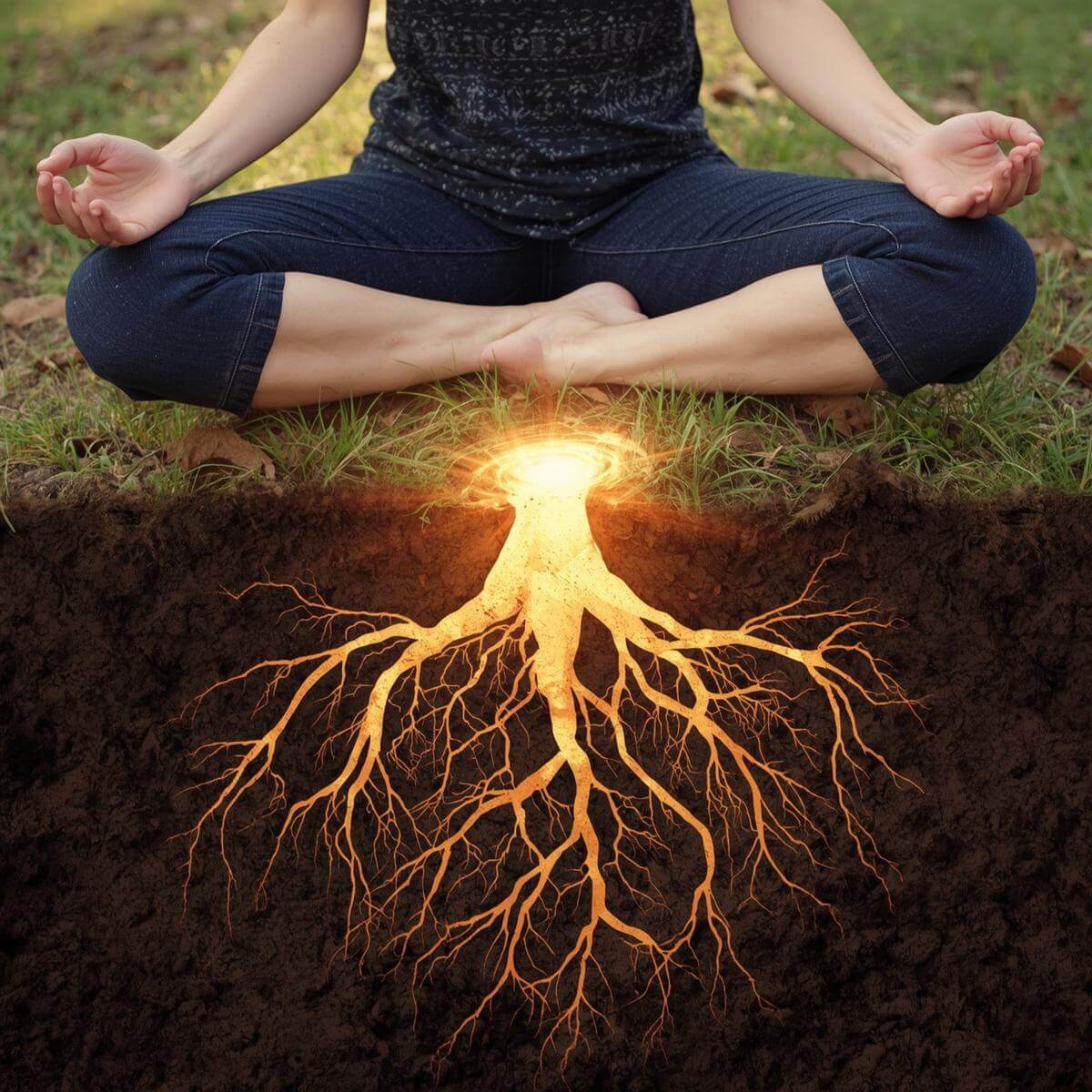
  2. The Root Meditation: Visualize roots extending from the base of your spine deep into the tectonic plates, anchoring you through the Scorpio moon’s emotional waves.
  3. Tending the Soil: Physically get your hands in the dirt. Whether it’s a garden or a windowsill pot, the microbes in the soil are natural antidepressants that tether you to the “now.”

Weekly Affirmation: “I am rooted in the deep wisdom of the Earth. I am stable, I am safe, and I am home.”

How to Strengthen Your Ability to Sense Energy

You don’t need to be “born with a gift” to sense energy. Just like a muscle, your energetic sensitivity can be developed through practice and intention. Sensing energy—often called clairsentience—allows you to navigate the world with greater intuition and awareness.

Exercises to Strengthen Your “Energetic Muscles”:

1. The Energy Ball (Psi Ball)
Rub your palms together vigorously for 20 seconds to create friction. Slowly pull them apart, then bring them back together without touching. Do you feel a push, a pull, a tingle, or warmth? That’s your own energy field!

2. Scanning Your Plants
Place your hand a few inches above a living plant. Gently move your hand up and down. Notice if the “density” of the air changes as you get closer to the leaves. Plants have vibrant, easy-to-sense auras.

3. The Room Scan
When you enter a room, before you look at the decor, close your eyes. Notice the “temperature” of the room. Does it feel heavy, light, stagnant, or buzzing? Trust your first instinct.

4. Mindfulness and Silence
The “volume” of subtle energy is low. To hear it, you must turn down the volume of the physical world. A daily 5-minute meditation builds the sensitivity required to notice subtle shifts in your environment.

By practicing these steps, you’ll move from “thinking” about energy to “knowing” it.

Exploring Reiki, EFT, and Sound Healing for Spiritual Growth

The world of energy healing is vast, and it can be overwhelming to know where to start. If you’re looking to accelerate your spiritual growth, three of the most effective and accessible modalities are Reiki, EFT, and Sound Healing.

1. Reiki: The Gentle Flow
Reiki is a Japanese technique for stress reduction and relaxation that also promotes healing. A practitioner channels “Universal Life Force Energy” into the client. It’s perfect for those seeking deep peace and emotional clearing without having to “talk through” their issues.

2. EFT (Emotional Freedom Technique): The Tapping Reset
EFT combines ancient Chinese acupressure with modern psychology. By tapping on specific meridian points while focusing on a problem, you can “short-circuit” the body’s stress response. It is an incredible tool for overcoming phobias, anxiety, and limiting beliefs.

3. Sound Healing: The Frequency Shift
Everything in the universe is in a state of vibration. Sound healing uses tools like singing bowls, gongs, or tuning forks to bathe your cells in high-frequency vibrations. This helps synchronize your brainwaves and release blockages in the subtle body.

Which one should you choose? Listen to your intuition. Often, the modality that “sounds” the most intriguing is the one your energy field is currently vibrating toward.

5 Signs of Energy Leaks and How to Repair Them

Do you ever feel completely exhausted after a quick trip to the grocery store or a short conversation with a specific friend? This isn’t just physical tiredness; it’s often a sign of an “energy leak.” An energy leak occurs when your aura has “holes” or weak spots, allowing your vital force to drain out and external stressors to seep in.

5 Signs You Have an Energy Leak:

  1. Chronic Fatigue: You wake up tired even after a full night’s sleep.
  2. Easily Triggered: You find yourself unusually irritable or reactive to small inconveniences.
  3. Feeling “Slimy” or Heavy: After being in a crowd, you feel like you’ve picked up “weight” that isn’t yours.
  4. Inability to Focus: Your mind feels scattered and you can’t stay present.
  5. Physical Tension: Recurring tightness in the neck, shoulders, or solar plexus.

How to Repair Your Energy Field:

  • The Golden Egg Visualization: Close your eyes and imagine a bright, golden light surrounding you, sealing any cracks in your aura.
  • Salt Baths: Sea salt is a natural cleanser for the subtle body. A 20-minute soak can “reset” your field.
  • Cord Cutting: Consciously intend to release energetic ties to people or situations that drain you.
  • Boundaries: Sometimes the best repair is saying “no” to things that deplete your spirit.

The Art of Presence

Creating Sacred Routines through Embodied Mindfulness

We often move through our days on autopilot—brushing our teeth while mentally drafting emails, or drinking our morning coffee while scrolling through headlines. While these habits help us function, they rarely help us feel.

Embodied mindfulness rituals are the antidote to this modern “autopilot” living. By shifting from mindless habits to intentional, sensory-focused rituals, we can anchor ourselves in the present moment and create a life that feels as good on the inside as it looks on the outside.

Habit vs. Ritual: What’s the Difference?

habit is a mindless action we repeat for efficiency (e.g., locking the door). A ritual, however, is a mindful action performed with presence and purpose.

When you practice embodied mindfulness, you aren’t just “thinking” about being present; you are using your body—your breath, your senses, and your physical sensations—as a “home base” to experience the now.


AM Rituals: Waking Up with Presence

The way you greet the day sets the tone for your entire nervous system. Instead of rushing into “doing mode,” try these embodied morning rituals:

1. The “First Contact” Grounding

Before your feet even hit the floor, pause. As your eyes open, notice the light in the room. When you swing your legs out of bed, focus entirely on the sensation of your feet meeting the floor.

  • The Ritual: Stand still for 30 seconds. Feel the weight of your body pressing into the earth. Say a silent affirmation like, “I am here, and I am supported.”

2. The Sacred Brew

Whether it’s coffee, matcha, or herbal tea, turn your morning beverage into a sensory ceremony.

  • The Ritual: Listen to the water boiling. Feel the warmth of the mug against your palms. Breathe in the steam deeply before taking your first sip. Notice the temperature and texture as it moves through your body.

3. Somatic Joint Rotations

Stiffness from sleep is often trapped energy. Gently waking up your joints signals to your brain that it is safe to move.

  • The Ritual: Spend five minutes performing slow, circular movements with your wrists, ankles, neck, and hips. Close your eyes and “feel” the movement from the inside out rather than worrying about what it looks like.

PM Rituals: Closing the Day with Reverence

Evening rituals are about “reclaiming” your energy from the world and preparing your body for deep, restorative rest.

1. The Olfactory Reset (Scent Ritual)

Our sense of smell is directly linked to the emotional center of the brain. Use a specific scent to signal to your nervous system that “work time” is over.

  • The Ritual: Light a specific candle or use an essential oil (like lavender or sandalwood) only at night. As you inhale, visualize the day’s stress leaving your body with every exhale.

2. The “Mindful Unloading” Wash

Transform your evening shower or face-washing routine from a chore into a purification ritual.

  • The Ritual: As the water touches your skin, imagine it washing away the mental “to-do” lists and interactions of the day. Focus on the sensation of the water’s temperature and the scent of your soap as a way to return to your physical self.

3. The Bedtime Body Scan

Instead of scrolling until you fall asleep, practice a somatic check-in to release “issues in your tissues.”

  • The Ritual: Lying in bed, bring your awareness to your toes and slowly move up to the crown of your head. Notice where you are holding tension (often the jaw or shoulders) and consciously soften those areas.

Tips for Creating Your Own Sacred Routine

  • Start Small: Choose just one AM and one PM ritual to begin.
  • Use Sensory Anchors: Sight, sound, smell, and touch are your best tools for staying embodied.
  • Release Perfection: A ritual doesn’t have to be 30 minutes long. Even three mindful breaths while holding a warm cup of tea counts as a sacred act.

By integrating embodied mindfulness rituals into your daily life, you stop simply “surviving” your schedule and start inhabiting your life.

How will you turn one of your habits into a ritual today?

Compassion as a Spiritual Superpower

How Heart-Centered Awareness Transforms Healing, Growth, and Connection

In a world that often rewards hustle, judgment, and emotional armor, compassion stands quietly as one of the most powerful spiritual forces available to us. Compassion is not weakness. It is not passive. It is a deeply embodied spiritual superpower—one that has the capacity to heal wounds, dissolve energetic blocks, and transform the way we relate to ourselves, others, and the world around us.

For spiritualy minded individuals, compassion is more than a virtue—it is a foundational frequency that supports true, lasting transformation.

What Compassion Really Means on a Spiritual Level

Compassion goes beyond sympathy or surface-level kindness. Spiritually, compassion is the ability to witness suffering without judgment while holding space for healing, understanding, and growth. It is rooted in awareness, presence, and an open heart.

Energetically, compassion aligns closely with the heart chakra (Anahata)—the energetic bridge between the physical and spiritual realms. When compassion flows freely, the heart chakra expands, allowing love, forgiveness, and connection to move through us with ease.

Compassion begins internally. Before it can be fully extended outward, it must be practiced inward—toward our own mistakes, limitations, and healing journey.

Why Compassion Is a Spiritual Superpower

Compassion carries a high vibrational frequency. When practiced consistently, it creates profound shifts in both personal and collective energy. Here’s why compassion is such a powerful spiritual tool:

1. It Dissolves Judgment and Separation
Judgment contracts energy. Compassion expands it. When we replace judgment with compassion, we move out of separation and into unity—one of the core principles of spiritual growth.

2. It Supports Emotional and Energetic Healing
Many energetic blockages stem from unresolved emotions such as shame, guilt, anger, or grief. Compassion creates a safe energetic container for these emotions to surface and release without force.

3. It Strengthens Intuition and Inner Guidance
When compassion is present, the nervous system relaxes. This calm state allows intuition, inner wisdom, and subtle energetic messages to become clearer and more accessible.

4. It Encourages Soul-Aligned Growth
True transformation doesn’t happen through self-criticism. Compassion allows growth to unfold organically, honoring the soul’s timing rather than pushing through force or fear.

Self-Compassion: The Gateway to Spiritual Expansion

Many spiritually-minded individuals find it easier to offer compassion to others than to themselves. Yet self-compassion is essential for authentic healing and alignment.

Practicing self-compassion means:

  • Allowing yourself to be human
  • Honoring rest as much as action
  • Releasing perfectionism
  • Speaking to yourself with kindness and patience
  • Meeting discomfort with curiosity rather than resistance

From an energetic perspective, self-compassion helps regulate the nervous system, soften the aura, and restore balance across the chakras—especially the heart, solar plexus, and sacral centers.

Compassion in Spiritual and Energetic Practice

Compassion shapes the quality of your work. It influences how you hold space, how others feel in your presence, and how deeply healing can occur.

Compassionate practice looks like:

  • Holding non-judgmental space
  • Honoring each everyone’s unique path and pace
  • Recognizing that healing is not linear
  • Leading with empathy rather than authority
  • Trusting the other’s inner wisdom

When compassion leads, transformation feels safer, more embodied, and more sustainable.

Simple Ways to Cultivate Compassion Daily

Compassion is strengthened through intention and practice. Here are a few gentle ways to cultivate it in everyday life:

  • Heart-centered breathing: Place your hand on your heart and breathe slowly, imagining warmth expanding with each inhale.
  • Loving-kindness meditation: Silently offer phrases of compassion to yourself and others.
  • Compassionate self-talk: Replace harsh inner dialogue with supportive, encouraging language.
  • Mindful presence: Listen deeply—without interrupting, fixing, or judging.
  • Energetic grounding: Connect with nature to reset your energy and return to a heart-centered state.

Embracing Compassion as a Way of Being

Compassion is not something we switch on and off. It is a way of being—a lens through which we experience ourselves and the world. When embodied fully, compassion becomes a spiritual superpower that fuels healing, deepens connection, and aligns us more closely with our true essence.

In choosing compassion, we choose softness without losing strength, boundaries without closing the heart, and growth without self-abandonment. This is the kind of power that changes lives—from the inside out.

Energetic Decluttering

Clearing Space for a Powerful New Year

As the calendar turns, many of us feel a natural urge to hit the “reset” button. While a standard New Year’s resolution might involve a gym membership, a truly powerful start begins exactly where you are: in your home and your mind.

Energetic decluttering is the practice of removing physical, digital, and mental “noise” to allow fresh, positive energy to flow into your life. It’s not just about throwing away old clothes; it’s about making room for the version of yourself you want to become in the year ahead.


Why Energetic Decluttering Matters

Everything in your environment holds a vibration. Stagnant clutter – like that pile of mail on the counter or the 4,000 unread emails in your inbox – acts as an energetic anchor, keeping you tethered to the past. By clearing this space, you:

  • Reduce Cortisol: A cluttered home is often linked to higher stress levels.
  • Boost Manifestation: In Feng Shui, “new energy cannot enter a full house.” Clearing space literally invites new opportunities.
  • Sharpen Focus: A clear environment leads to a clear mind, making it easier to stick to your 2026 goals.

3 Pillars of Your New Year Reset

1. Physical: The “Weight” of the Past

Start with the items that carry emotional weight.

  • The One-Year Rule: If you haven’t used it or loved it in the last year, it’s time to release it.
  • The 20-Minute Burst: Don’t try to do the whole house at once. Set a timer for 20 minutes and tackle one “stagnant” zone, like a junk drawer or the bottom of your closet.
  • The Entryway: This is where energy (and you!) enters your home. Keep it clear, bright, and welcoming to signal to the universe that you are open for business.

2. Digital: The Invisible Clutter

Our digital lives often drain more energy than we realize.

  • The Inbox Purge: Use a tool to mass-unsubscribe from newsletters that no longer inspire you. Archive anything older than 30 days.
  • Camera Roll Reset: Delete those 15 nearly identical photos of your lunch. Keep only what sparks a memory or joy.
  • The Desktop Deep Clean: A cluttered computer desktop is visual static. File your documents and start with a fresh, inspiring wallpaper.

3. Energetic: Clearing the “Vibe”

Once the physical clutter is gone, you must clear the “energetic residue.”

  • Sound Clearing: Walk through your home ringing a bell, using chimes, or even clapping loudly in the corners where energy tends to get “stuck.”
  •  Smoke or Salt: Use ethically sourced Palo Santo or Sage to “smudge” your space, or place small bowls of sea salt in the corners of a room for 24 hours to absorb negative vibes, then discard the salt.
  • Fresh Air: Open every window in your home for at least 10 minutes – even if it’s cold. Let the old year out and the new year in.

As you declutter, do it with intention. Instead of thinking, “I’m cleaning,” think, “I am releasing what no longer serves me to make room for my highest good.”

Happy New Year—may your space be light, your mind be clear, and your year be powerful.

0
    0
    Your Cart
    Your cart is emptyReturn to Shop