Energetic Hygiene in Relationships

Protecting Your Spiritual Space Without Closing Your Heart

Have you ever walked into a room feeling centered and peaceful, only to leave an hour later feeling depleted, heavy, or carrying an inexplicable sense of irritability?

When we love someone—whether a romantic partner, a close friend, or a family member—we naturally open our hearts and subtle energy bodies to them. But without conscious boundaries, empathy can quietly morph into energetic enmeshment. Instead of connecting soul-to-soul, we become emotional shock absorbers, sponging up vibrations, unresolved stress, and unexpressed moods that were never ours to hold.

Just as we wash our hands, brush our teeth, and shower after a long day, our spiritual and emotional bodies require the same baseline care. Practicing energetic hygiene in relationships is not about building defensive walls or withdrawing affection; it is the sacred art of honoring your energetic sovereignty so you can love from abundance rather than exhaustion.


What Is Energetic Hygiene?

Energetic hygiene refers to the daily awareness, clearing, and maintenance of your energetic field (aura, chakras, and emotional body).

In close relationships, energy constantly flows back and forth. You share laughter, physical intimacy, intellectual stimulation, and silent glances. However, when boundaries are porous, energetic cords form unconsciously. You begin carrying your partner’s workday anxiety, your friend’s chronic pessimism, or a relative’s latent guilt.

True energetic hygiene creates a distinct boundary between compassion and absorption. Compassion is holding space for someone while remaining rooted in your own center; absorption is plunging into the storm with them and drowning in their turbulence.


5 Signs Your Spiritual Space Is Being Compromised

Energetic contamination in relationships rarely announces itself loudly. It usually creeps in through subtle emotional and physical cues:

  1. The “Post-Interaction Crash”: You consistently feel exhausted, brain-fogged, or physically wiped out after speaking with someone, even if the conversation was seemingly ordinary.
  2. Sudden, Unexplained Mood Swings: You feel peaceful until your partner walks through the door feeling stressed, and within five minutes, your own nervous system is in fight-or-flight mode.
  3. Loss of Creative Inspiration: When your field is crowded with external mental and emotional noise, your inner voice and creative spark feel muted.
  4. Resentment and Compulsive Fixation: You find yourself mentally rehashing the other person’s problems or obsessing over how to fix their mood.
  5. Physical Heaviness in the Solar Plexus or Heart: You might experience tightness in your chest, shallow breathing, or a persistent knot in your stomach when in their presence.

5 Sacred Rituals for Relationship Energetic Hygiene

Protecting your energy does not require you to become an ascetic or cut ties with everyone going through a difficult season. Instead, integrate these simple, grounded practices into your daily rhythm.

1. The Daily “Who Does This Belong To?” Inquiry

Whenever you notice an acute shift in your emotional landscape, pause, place one hand on your heart and one on your belly, and ask internally:

“Is this sensation mine, or am I carrying this for someone else?”

If the energy is not yours, you do not need to analyze why the other person feels it. Simply breathe in deeply and exhale with the intention: “I return all energy that is not mine, with love and consciousness, back to its source.”

2. The Golden Cocoon Visualization

Before stepping into high-contact social spaces, difficult conversations, or even dinner at the end of a long workday, spend two minutes anchoring your aura:

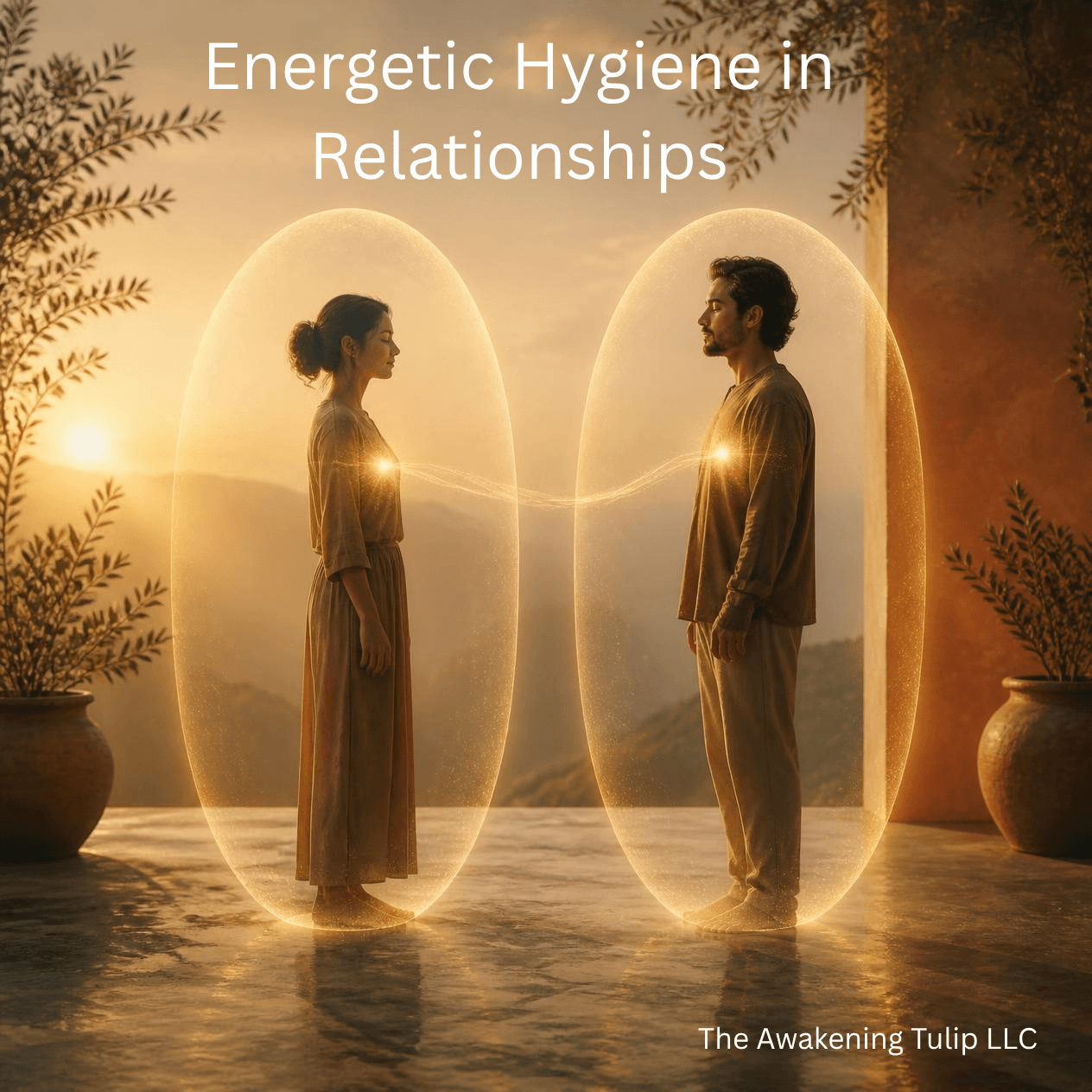
  • Close your eyes and visualize a luminous boundary of golden or violet light enveloping your entire body, about 12 to 18 inches off your skin.
  • Set the intention that this shield acts like a semi-permeable membrane: unconditional love, joy, and truth can flow in and out freely, but density, projections, and ungrounded fear bounce off and dissolve.

3. The Energetic Cord Release

When we share deep intimacy or endure frequent conflict, invisible energetic cords link our energy centers (usually the solar plexus or heart).

  • At the end of each day, sit quietly in meditation.
  • Visualize any heavy or draining cords connecting you to others.
  • Picture a blade of pure crystalline light gently dissolving these attachments at their roots.
  • Affirm: “I lovingly detach from all cords of co-dependence, obligation, and fear. I call my complete energy back into my sovereign vessel.”

4. Elemental Grounding (Water & Salt Clearing)

Water is one of the most potent energetic conductors and purifiers available:

  • The Ritual Bath or Shower: Take a warm shower with the conscious awareness that the water is rinsing away emotional residue. Use coarse sea salt or Epsom salt with rosemary or eucalyptus essential oil as an aura-cleansing scrub.
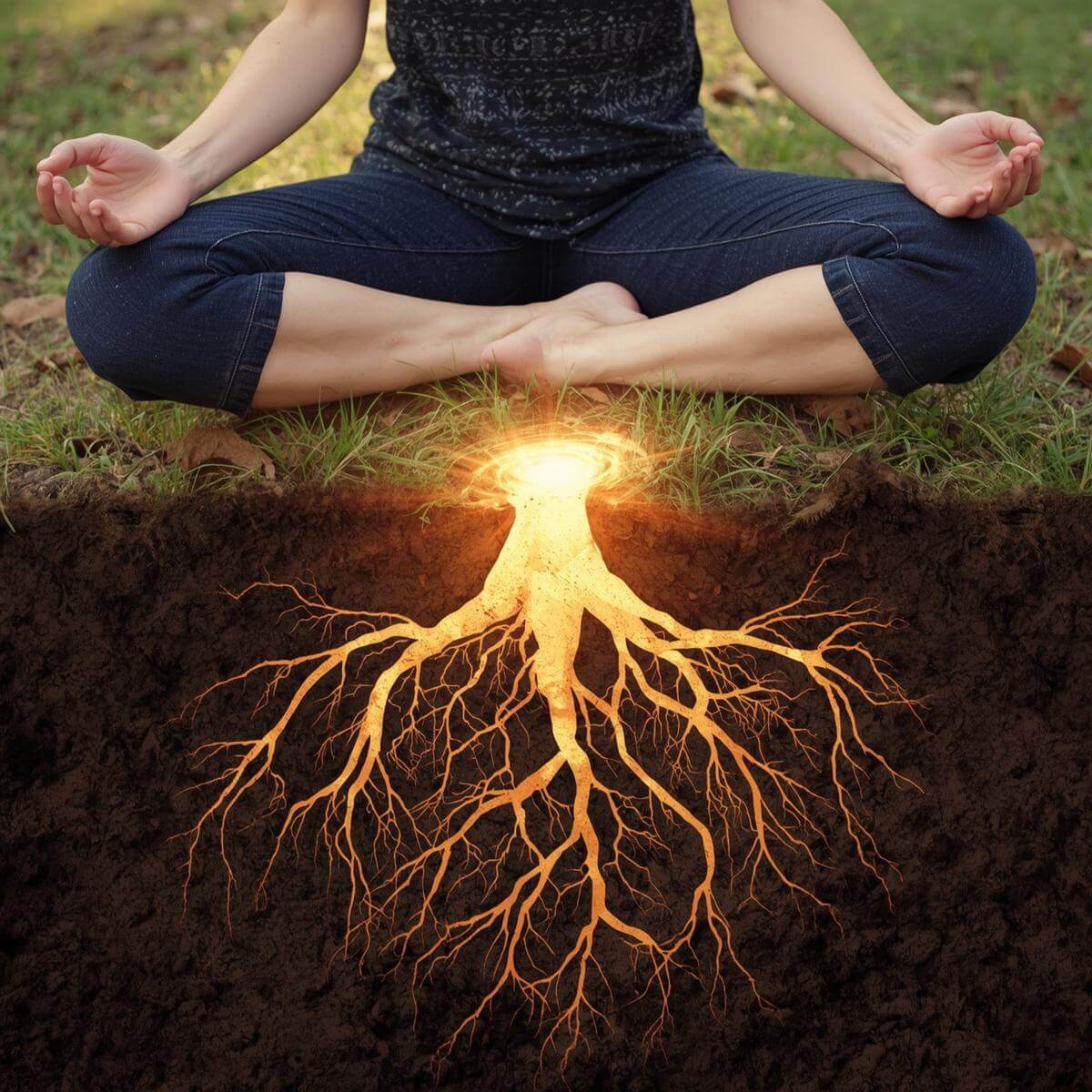
  • Barefoot Grounding: Stand barefoot on the soil, grass, or sand for 10 minutes to allow the Earth to absorb and neutralize excess emotional charge.

5. Clear, Compassionate Edge-Setting

Spiritual boundaries must ultimately manifest as practical boundaries. If an interaction begins to cross into an emotional dumping ground, you have the spiritual right to redirect the space:

  • “I care about you deeply and want to support you, but I don’t have the emotional capacity to process this right now. Can we talk about it tomorrow?”
  • Setting a boundary is not a rejection of the other person; it is an invitation to relate in a healthier, more sustainable way.

Spiritual Sovereignty Is an Act of Love

There is a common misconception that loving deeply means merging completely. Yet, the strongest relationships are formed by two whole, integrated beings who stand side-by-side—like two trees sharing the same sunlight and soil, but keeping their own root systems intact.

When you protect your spiritual space, you are not withholding love; you are purifying the vessel through which love flows. By taking responsibility for your own energetic vibration, you create a calm, clear sanctuary that invites others to rise into their own healing and sovereignty.


Reflection Prompt

Take a quiet moment today to reflect: Which relationship in your life currently leaves you feeling most depleted, and what is one small boundary or ritual you can put in place to reclaim your peace?

Creating Energetic Boundaries That Actually Work

Have you ever walked away from a conversation, a meeting, or even a casual gathering feeling completely drained—even if nothing overtly dramatic happened?

When people talk about “energy,” it often gets wrapped up in abstract concepts. In day-to-day life, your energy simply refers to your finite reserves: your attention, emotional bandwidth, nervous system capacity, and focus.

When you don’t have clear boundaries around those reserves, you end up operating on empty, absorbing other people’s stress, and feeling perpetually depleted. Here is what creating energetic boundaries really means in practice, and how to build habits that protect your daily well-being.


What Does an “Energetic Boundary” Really Mean?

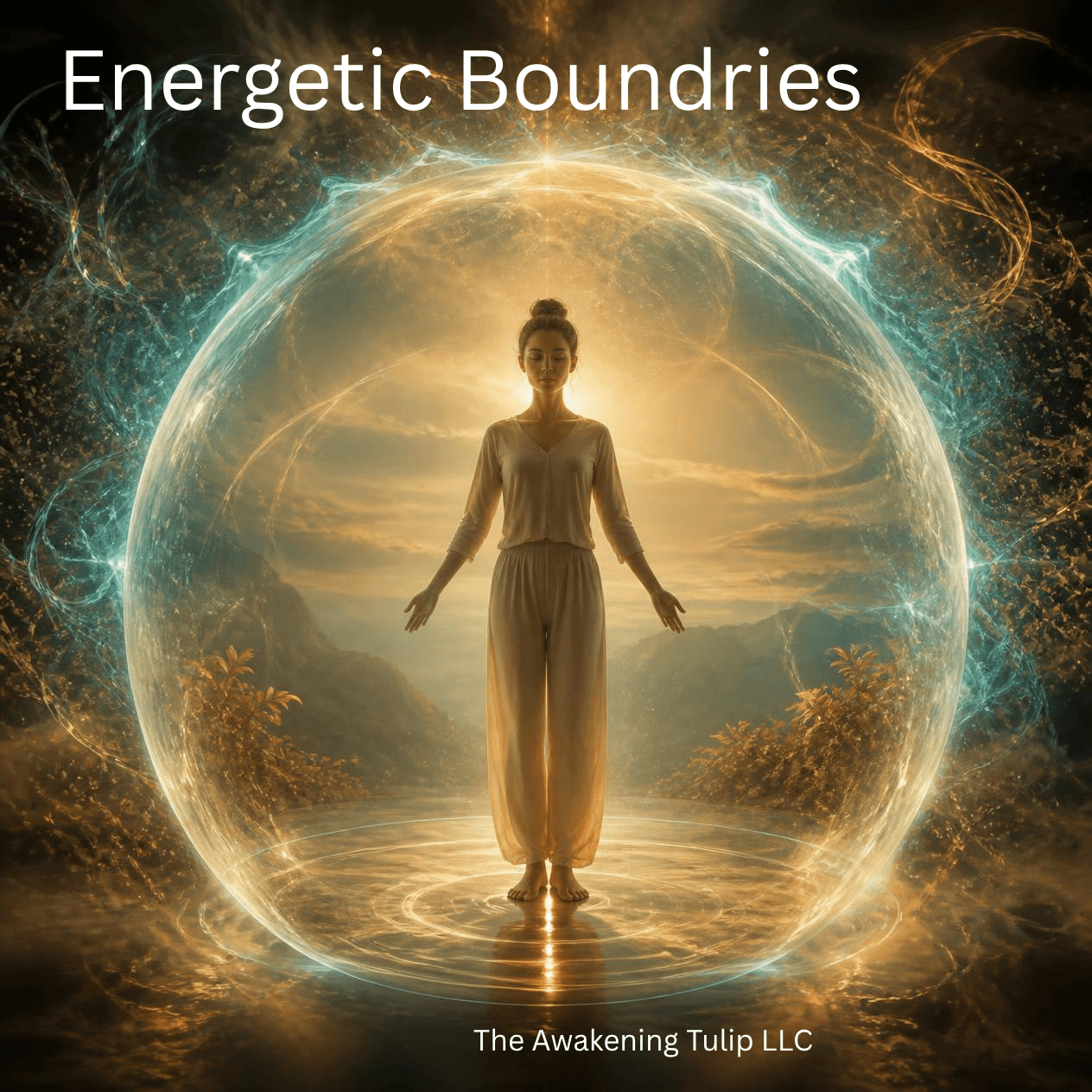
An energetic boundary isn’t a mystical wall or an attempt to control the behavior of others. Rather, it is an internal filter and a set of practical behavioral habits that determine:

  1. What you let in: How deeply you internalize other people’s emotional states, urgency, or negativity.
  2. What you give out: How much time, emotional labor, and attention you offer before checking in with your own needs.

Without functional boundaries, empathy easily transforms into emotional overload.


4 Practical Steps to Build Boundaries That Hold

1. Identify Your Warning Signals

Boundaries cannot be enforced if you only notice they have been crossed after you are already exhausted. Pay attention to early physical and emotional cues:

  • A tightening in your chest or jaw during certain interactions.
  • An immediate urge to fix someone else’s distress to relieve your own discomfort.
  • Chronic fatigue or irritability after specific recurring commitments.

Recognizing these cues gives you the pause you need to choose your response rather than react on autopilot.

2. Practice Emotional Differentiation

It is possible to be deeply compassionate without taking ownership of another person’s emotional state. When someone around you is anxious, angry, or venting:

  • Remind yourself: “This is their experience to navigate; it is not mine to absorb or fix.”
  • Offer listening and support if you have the capacity, but avoid jumping into unsolicited problem-solving or taking on the burden of their mood.

3. Build Intentional Buffer Zones

Energy leaks frequently happen in the spaces between activities. When you rush continuously from a high-stress meeting to a family dinner without a break, you carry leftover tension with you.

  • The 5-minute transition: Take five quiet minutes between tasks or before walking into your home. Put your phone away, take a few steady breaths, and reset your attention.
  • Digital limits: Turn off non-essential notifications. Every ping requests a fraction of your mental energy.

4. Use Clear, Low-Friction Language

Setting limits does not require elaborate explanations or conflict. Simple, neutral communication works best:

  • “I care about what you’re going through, but I don’t have the mental space to give this the focus it deserves right now. Can we talk about it tomorrow?”
  • “I won’t be able to take on this project right now, but thank you for thinking of me.”
  • “I need a quiet evening to recharge, so I’m going to pass on tonight.”

The Takeaway

Creating energetic boundaries isn’t about shutting the world out; it’s about making conscious choices with where your limited time and attention go. By developing self-awareness and practical communication habits, you can show up for the things and people that truly matter without sacrificing your own peace of mind.

Working with Elemental Energies

By the second week of May, the initial burst of Beltane fire begins to settle into a steady hum of growth. Nature is a perfect laboratory of balance, utilizing the four elements to create life. This week, we invite you to audit your own internal ecosystem.

  • Air (Intellect & Breath): With the spring breezes carrying pollen and change, practice “Box Breathing” outdoors. Let the air clear the “mental cobwebs” of winter.
  • Fire (Action & Creation): The sun is gaining strength. Light a gold candle or spend time in the midday sun to fuel your creative projects.
  • Water (Emotion & Flow): May rains are sacred. Collect rainwater to wash your hands or crystals, symbolizing the release of old emotional patterns.
  • Earth (Structure & Body): Eat seasonal greens and root vegetables. Honor your body as the physical vessel for your spiritual journey.

When these four forces are in balance, you move through the world with grace rather than friction.

Grounding with Earth Energy

As the veil thins and the Earth bursts into full bloom this May 1st, we find ourselves at the peak of the spring fire. With the Full Flower Moon in Scorpio coinciding with Beltane, the energy is electric, passionate, and perhaps a little overwhelming. To navigate this “Blue Moon month,” we must first learn to stand still.

Grounding (or “Earthing”) is the practice of reconnecting your physical and energetic body to the Earth’s frequency. This week, as the sap rises in the trees, try these three methods to stay rooted:

  1. Barefoot Connection: Spend 10 minutes walking on grass or soil. Feel the literal exchange of electrons as the Earth neutralizes your stress.
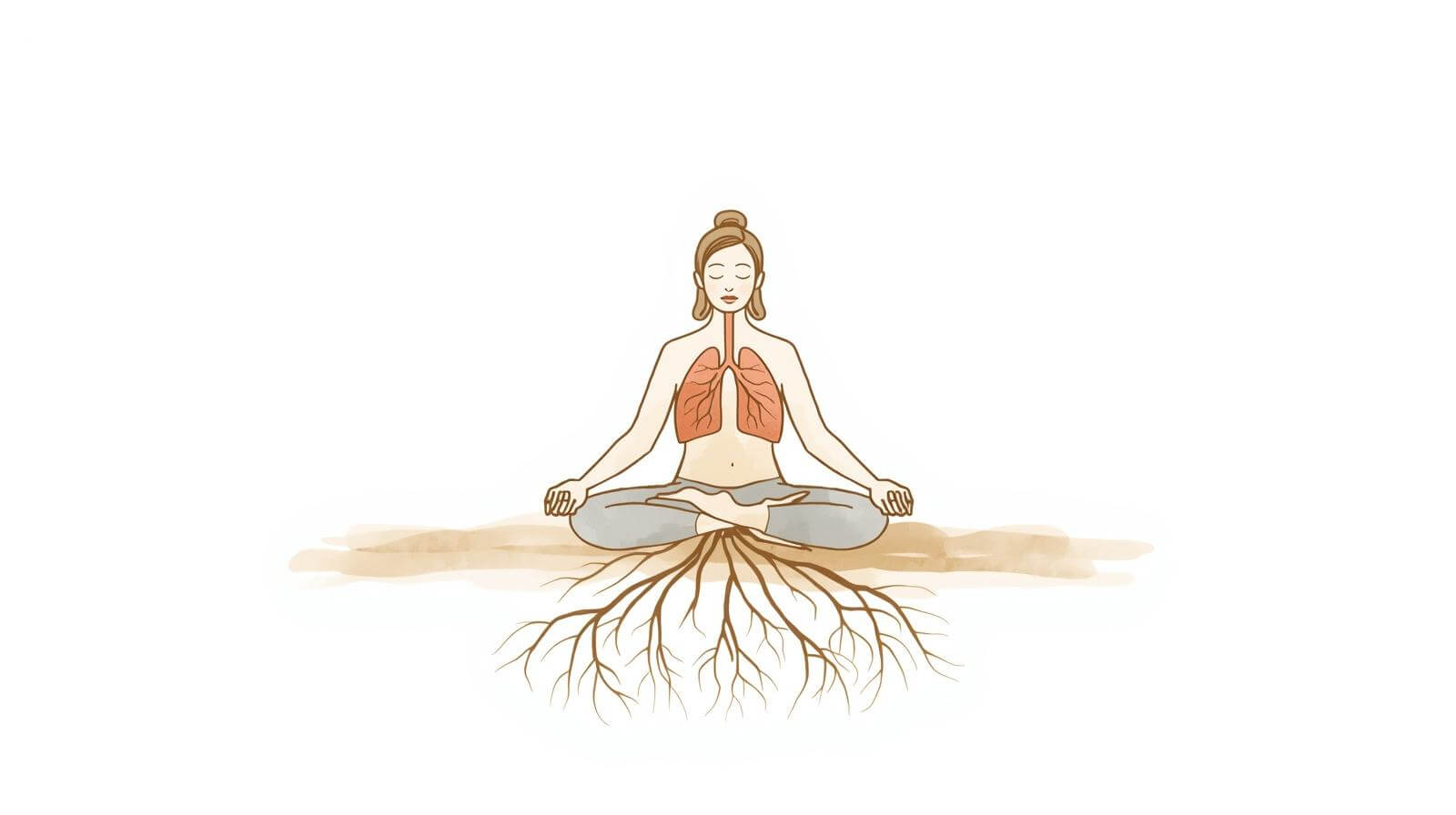
  2. The Root Meditation: Visualize roots extending from the base of your spine deep into the tectonic plates, anchoring you through the Scorpio moon’s emotional waves.
  3. Tending the Soil: Physically get your hands in the dirt. Whether it’s a garden or a windowsill pot, the microbes in the soil are natural antidepressants that tether you to the “now.”

Weekly Affirmation: “I am rooted in the deep wisdom of the Earth. I am stable, I am safe, and I am home.”

How to Strengthen Your Ability to Sense Energy

You don’t need to be “born with a gift” to sense energy. Just like a muscle, your energetic sensitivity can be developed through practice and intention. Sensing energy—often called clairsentience—allows you to navigate the world with greater intuition and awareness.

Exercises to Strengthen Your “Energetic Muscles”:

1. The Energy Ball (Psi Ball)
Rub your palms together vigorously for 20 seconds to create friction. Slowly pull them apart, then bring them back together without touching. Do you feel a push, a pull, a tingle, or warmth? That’s your own energy field!

2. Scanning Your Plants
Place your hand a few inches above a living plant. Gently move your hand up and down. Notice if the “density” of the air changes as you get closer to the leaves. Plants have vibrant, easy-to-sense auras.

3. The Room Scan
When you enter a room, before you look at the decor, close your eyes. Notice the “temperature” of the room. Does it feel heavy, light, stagnant, or buzzing? Trust your first instinct.

4. Mindfulness and Silence
The “volume” of subtle energy is low. To hear it, you must turn down the volume of the physical world. A daily 5-minute meditation builds the sensitivity required to notice subtle shifts in your environment.

By practicing these steps, you’ll move from “thinking” about energy to “knowing” it.

Exploring Reiki, EFT, and Sound Healing for Spiritual Growth

The world of energy healing is vast, and it can be overwhelming to know where to start. If you’re looking to accelerate your spiritual growth, three of the most effective and accessible modalities are Reiki, EFT, and Sound Healing.

1. Reiki: The Gentle Flow
Reiki is a Japanese technique for stress reduction and relaxation that also promotes healing. A practitioner channels “Universal Life Force Energy” into the client. It’s perfect for those seeking deep peace and emotional clearing without having to “talk through” their issues.

2. EFT (Emotional Freedom Technique): The Tapping Reset
EFT combines ancient Chinese acupressure with modern psychology. By tapping on specific meridian points while focusing on a problem, you can “short-circuit” the body’s stress response. It is an incredible tool for overcoming phobias, anxiety, and limiting beliefs.

3. Sound Healing: The Frequency Shift
Everything in the universe is in a state of vibration. Sound healing uses tools like singing bowls, gongs, or tuning forks to bathe your cells in high-frequency vibrations. This helps synchronize your brainwaves and release blockages in the subtle body.

Which one should you choose? Listen to your intuition. Often, the modality that “sounds” the most intriguing is the one your energy field is currently vibrating toward.

5 Signs of Energy Leaks and How to Repair Them

Do you ever feel completely exhausted after a quick trip to the grocery store or a short conversation with a specific friend? This isn’t just physical tiredness; it’s often a sign of an “energy leak.” An energy leak occurs when your aura has “holes” or weak spots, allowing your vital force to drain out and external stressors to seep in.

5 Signs You Have an Energy Leak:

  1. Chronic Fatigue: You wake up tired even after a full night’s sleep.
  2. Easily Triggered: You find yourself unusually irritable or reactive to small inconveniences.
  3. Feeling “Slimy” or Heavy: After being in a crowd, you feel like you’ve picked up “weight” that isn’t yours.
  4. Inability to Focus: Your mind feels scattered and you can’t stay present.
  5. Physical Tension: Recurring tightness in the neck, shoulders, or solar plexus.

How to Repair Your Energy Field:

  • The Golden Egg Visualization: Close your eyes and imagine a bright, golden light surrounding you, sealing any cracks in your aura.
  • Salt Baths: Sea salt is a natural cleanser for the subtle body. A 20-minute soak can “reset” your field.
  • Cord Cutting: Consciously intend to release energetic ties to people or situations that drain you.
  • Boundaries: Sometimes the best repair is saying “no” to things that deplete your spirit.

Understanding Your Energy Field

Energy Spirituality

A Beginner’s Guide to Auras

Have you ever walked into a room and immediately felt someone’s “vibe” before they even spoke? That is your first encounter with an aura. An aura is the electromagnetic energy field that surrounds every living being. It is a luminous cloud of energy that reflects your physical health, emotional state, and spiritual well-being.

The Layers of Your Aura:
The aura isn’t just one big bubble; it’s made of several layers:

  1. The Etheric Body (Physical Layer): Closest to the skin, reflecting our physical health.
  2. The Emotional Layer: Where we hold our feelings and moods.
  3. The Mental Layer: The space of thoughts, ideas, and cognitive processes.
  4. The Spiritual Layers: Higher vibrations that connect us to the divine and our soul’s purpose.

What Do the Colors Mean?
While auras are constantly shifting, certain colors often dominate:

  • Blue: Calm, communicative, and intuitive.
  • Green: Healing, growth, and a love for nature.
  • Yellow: Playful, intelligent, and confident.
  • Red: Grounded, energetic, or sometimes indicative of anger.

Learning to understand your aura is the first step in taking control of your spiritual health. When your aura is bright and clear, you feel vibrant and protected. When it’s “muddy,” you may feel sluggish or disconnected.

From Head to Heart

A Guide to Embodied Mindfulness & Daily Rituals

In our fast-paced, digital-first world, it’s easy to live entirely “from the neck up.” We spend our days processing data, scrolling through feeds, and checking off to-do lists, often forgetting that we have a body until it sends us signals of pain or exhaustion.

Embodied mindfulness is the bridge back to ourselves. Unlike traditional mindfulness, which often focuses solely on observing thoughts, embodiment practices invite you to inhabit your physical form. By integrating daily rituals like breathwork and grounding, you can move from a state of constant “doing” into a state of present “being.”

What is Embodied Mindfulness?

Embodied mindfulness is the practice of staying present by tuning into the “felt sense” of your body. It’s the difference between thinking about being calm and feeling the weight of your body in your chair. When we practice embodiment, we tap into our body’s natural intelligence to regulate our nervous system, lower cortisol, and improve emotional resilience.

1. Breathwork: Your Internal Anchor

Your breath is the only part of your autonomic nervous system that you can consciously control. It is the fastest way to signal to your brain that you are safe.

The Ritual: The “Extended Exhale”

  • How to do it: Inhale through your nose for a count of 4. Pause briefly. Then, exhale through pursed lips (as if blowing through a straw) for a count of 6 or 8.
  • Why it works: Longer exhales activate the vagus nerve, which triggers the parasympathetic nervous system—your “rest and digest” mode.
  • Daily Integration: Practice this for 2 minutes before opening your laptop in the morning or while waiting in line.

2. Grounding: Reconnecting with the Earth

Grounding (or “earthing”) is the practice of physically or energetically connecting with the earth to stabilize your energy. In a world of high-frequency stress, grounding acts as a lightning rod for anxiety.

The Ritual: The “Feet-to-Floor” Check-in

  • How to do it: If possible, step outside barefoot on grass or soil. If you’re indoors, sit with both feet flat on the floor. Close your eyes and visualize roots growing from the soles of your feet deep into the earth. Notice the texture, temperature, and pressure.
  • Why it works: This practice shifts your awareness away from racing thoughts and down into your physical foundation, providing an immediate sense of stability.
  • Daily Integration: Make this your “transition ritual” when moving from work mode to home mode.

3. Creating Your Daily Rituals

A ritual is simply a routine infused with intention. To make embodied mindfulness and daily rituals stick, they don’t need to be long—they just need to be consistent.

  • Morning (The Awakening): Before checking your phone, place a hand on your heart and take three deep diaphragmatic breaths. Notice the rise and fall of your chest.
  • Mid-Day (The Reset): Use the “5-4-3-2-1” grounding technique. Acknowledge 5 things you see, 4 things you can touch, 3 things you hear, 2 things you can smell, and 1 thing you can taste.
  • Evening (The Release): Practice gentle somatic stretching or a “body scan” in bed. Start from your toes and work your way up, consciously releasing tension in each muscle group.

The Benefits of a Somatic Life

When you commit to these embodiment practices, the benefits extend far beyond a moment of “zen.” You’ll likely notice:

  • Reduced Anxiety: A more regulated nervous system.
  • Improved Focus: Less mental “clutter” and better presence.
  • Emotional Intelligence: A better understanding of how emotions manifest physically (e.g., a tight chest or a clenched jaw) before they overwhelm you.

Conclusion

Embodied mindfulness isn’t about achieving a perfect state of peace; it’s about coming home to yourself, over and over again. By weaving breathwork and grounding into your daily rituals, you transform your body from a vehicle for your head into a sanctuary for your soul.

Ready to start? Pick one practice—breathwork or grounding—and try it for just three minutes today. Your body will thank you.


The Art of Presence

Creating Sacred Routines through Embodied Mindfulness

We often move through our days on autopilot—brushing our teeth while mentally drafting emails, or drinking our morning coffee while scrolling through headlines. While these habits help us function, they rarely help us feel.

Embodied mindfulness rituals are the antidote to this modern “autopilot” living. By shifting from mindless habits to intentional, sensory-focused rituals, we can anchor ourselves in the present moment and create a life that feels as good on the inside as it looks on the outside.

Habit vs. Ritual: What’s the Difference?

A habit is a mindless action we repeat for efficiency (e.g., locking the door). A ritual, however, is a mindful action performed with presence and purpose.

When you practice embodied mindfulness, you aren’t just “thinking” about being present; you are using your body—your breath, your senses, and your physical sensations—as a “home base” to experience the now.


AM Rituals: Waking Up with Presence

The way you greet the day sets the tone for your entire nervous system. Instead of rushing into “doing mode,” try these embodied morning rituals:

1. The “First Contact” Grounding

Before your feet even hit the floor, pause. As your eyes open, notice the light in the room. When you swing your legs out of bed, focus entirely on the sensation of your feet meeting the floor.

  • The Ritual: Stand still for 30 seconds. Feel the weight of your body pressing into the earth. Say a silent affirmation like, “I am here, and I am supported.”

2. The Sacred Brew

Whether it’s coffee, matcha, or herbal tea, turn your morning beverage into a sensory ceremony.

  • The Ritual: Listen to the water boiling. Feel the warmth of the mug against your palms. Breathe in the steam deeply before taking your first sip. Notice the temperature and texture as it moves through your body.

3. Somatic Joint Rotations

Stiffness from sleep is often trapped energy. Gently waking up your joints signals to your brain that it is safe to move.

  • The Ritual: Spend five minutes performing slow, circular movements with your wrists, ankles, neck, and hips. Close your eyes and “feel” the movement from the inside out rather than worrying about what it looks like.

PM Rituals: Closing the Day with Reverence

Evening rituals are about “reclaiming” your energy from the world and preparing your body for deep, restorative rest.

1. The Olfactory Reset (Scent Ritual)

Our sense of smell is directly linked to the emotional center of the brain. Use a specific scent to signal to your nervous system that “work time” is over.

  • The Ritual: Light a specific candle or use an essential oil (like lavender or sandalwood) only at night. As you inhale, visualize the day’s stress leaving your body with every exhale.

2. The “Mindful Unloading” Wash

Transform your evening shower or face-washing routine from a chore into a purification ritual.

  • The Ritual: As the water touches your skin, imagine it washing away the mental “to-do” lists and interactions of the day. Focus on the sensation of the water’s temperature and the scent of your soap as a way to return to your physical self.

3. The Bedtime Body Scan

Instead of scrolling until you fall asleep, practice a somatic check-in to release “issues in your tissues.”

  • The Ritual: Lying in bed, bring your awareness to your toes and slowly move up to the crown of your head. Notice where you are holding tension (often the jaw or shoulders) and consciously soften those areas.

Tips for Creating Your Own Sacred Routine

  • Start Small: Choose just one AM and one PM ritual to begin.
  • Use Sensory Anchors: Sight, sound, smell, and touch are your best tools for staying embodied.
  • Release Perfection: A ritual doesn’t have to be 30 minutes long. Even three mindful breaths while holding a warm cup of tea counts as a sacred act.

By integrating embodied mindfulness rituals into your daily life, you stop simply “surviving” your schedule and start inhabiting your life.

How will you turn one of your habits into a ritual today?

0
0
Your Cart
Your cart is emptyReturn to Shop