What does Holistic healing mean?

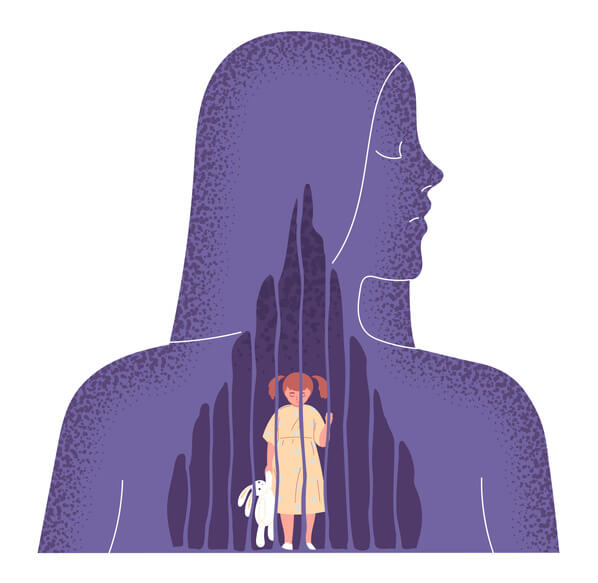
Holistic healing is an approach to health care that looks at the entire person—body, mind, spirit, and emotions—in the quest for optimal health and wellness.

Holistic healing considers the whole person, including all aspects of lifestyle.

It emphasizes the connection between the mind and body and strives to achieve balance and harmony of the mind, body, and spirit.

Holistic healing takes into account all aspects of the individual in determining treatment.

Rather than simply treating the symptoms of a disease, a holistic approach looks at the underlying cause. It attempts to address the physical, mental, emotional, and spiritual aspects of the person.

Holistic healing focuses on using natural remedies and treatments rather than relying on Western medicine. It uses a variety of therapies, such as massage, acupuncture, herbs, nutrition, movement, and energy work. Some therapies, such as homeopathy, may not be widely accepted by Western medicine, but many holistic practitioners believe that these modalities can be effective in treating a variety of illnesses and conditions.

The goal of holistic healing is to create balance in the body so that the body can heal itself. This can be achieved through lifestyle changes, such as a healthy diet, regular exercise, stress management, and spiritual practices. Holistic healing encourages a person to become more aware of their body and its needs, and to take responsibility for their own health and wellness.

What is healing energy healing?

healing hands, chakras and lotus

This is the first in a series on Energy Healing.

Healing energy is the power of positive energy which can be used to heal and help others. It is often used as a way to improve physical, mental, and spiritual health. Healing energy is a form of energy healing which is based on the belief that all living things have energy fields that can be harnessed to heal and promote wellness.

Energy healing includes many modalities. These modalities include spiritual healing, laying on hands, prayer, meditation, crystal energy work, reiki, crystal reiki, emotional freedom technique, yoga, plant-based healing (includes aroma therapy, essential oils and Herbal remedies), chakra work, and sound therapy (also known as sound bath) are the ones I am most familiar with. (This may not be a comprehensive list but does give a general idea of what is available. I will be going into more detail on each of the modalities in later posts.

Energy healing is not specific to any religion or spiritual belief. The modalities can be used by anyone.

Reiki is one of the most popular forms of healing energy. It is based on the belief that the practitioner can channel energy from the universe and transfer it to the recipient. Reiki is commonly used to address physical ailments such as chronic pain, improve emotional health, reduce stress, and promote spiritual growth.

Pranic healing is another form of healing energy. Pranic healing is based on the belief that the body has an energy field that can be manipulated to heal the body and mind. This form of healing focuses on the manipulation of the body’s energy fields to restore balance and wellbeing.

Crystal healing is a form of healing energy that uses crystals to absorb and direct energy. Crystals are believed to have healing properties and can be used to balance the body’s energy fields. Crystal healing is often used to promote physical and emotional healing as well as spiritual growth.

Sound healing is a form of healing energy that uses sound vibrations to restore balance and wellbeing. Sound healing works with the body’s energy fields to reduce stress, improve mental clarity, and promote healing.

These are just a few examples of healing energy. Each form of healing energy has its own unique benefits and can be used to improve physical, mental, and spiritual health.

What is a Life Coach?

Mentor

A life coach is a professional who assists individuals to identify and achieve their goals in life. Using different techniques such as goal setting, problem-solving, and motivation, they help individuals to create action plans and navigate through personal and professional challenges.

Life coaches can focus on a variety of areas such as career, relationships, health and fitness, education, and finances.

They help clients to identify their goals, create objectives and strategies to reach these goals, and create an action plan to get there. They provide support and guidance to keep clients on track and motivated.

Life coaches are not licensed professionals, and there is no official certification for becoming a life coach. However, many organizations offer certification programs and training to become a qualified life coach.

Finding Calm in the Storm: The One-Minute Breath for Anxiety Relief

Life is full of moments that can leave us feeling anxious and overwhelmed. Whether it’s a public speaking engagement, a disagreement with a loved one, or simply the weight of daily stressors, these moments can take a toll on our well-being. However, there is a simple and effective technique that can help us find calm and clarity in just one minute—the one-minute breath. In this blog post, we will explore how this breath pattern can be a powerful tool in reducing anxiety and restoring inner peace.

Find Comfort in Your Space: To begin, find a comfortable place where you can relax and focus on your breath. It can be your favorite chair, a peaceful corner of your home, or even a spot outdoors that brings you tranquility. The key is to choose a space where you feel at ease and can fully concentrate on the practice.

The One-Minute Breath Technique: Set a timer for one minute, or choose a song you love that is approximately one minute in length. This will serve as a guide for the duration of your practice. Once you’re ready, follow this simple breathing technique:

Breathe in deeply through your nose for a count of five seconds. Feel the air filling your lungs and expanding your abdomen.

Hold your breath for a count of five seconds. Embrace the stillness and allow yourself to be present in this moment.

Exhale slowly and fully through your mouth for a count of five seconds. Release any tension or worries as you let go of your breath.

Practice and Repetition: Commit to practicing this one-minute breath pattern for at least one minute each day, or as often as needed. You can choose to extend the duration if you feel comfortable doing so. The key is to cultivate a regular practice that allows you to tap into the power of your breath and find solace amidst the chaos.

The Power of Music: To enhance your one-minute breath practice, consider playing a song you love that aligns with your desired state of calmness. As you listen to the music, synchronize your breath with the rhythm, allowing the melody to guide your inhalation, retention, and exhalation. This combination of breathwork and music can deepen your relaxation and create a soothing experience.

If you find yourself frequently experiencing anxiety or feeling overwhelmed, it’s beneficial to explore additional tools and resources. There are numerous items available that can assist in anxiety relief, such as calming essential oils, meditation apps, and stress-relief gadgets. Take the time to find what works best for you and incorporate these resources into your daily self-care routine.

One of my favorites is:

[wptrafficguard id=’20’]

Anxiety is a common part of life, but it doesn’t have to overpower us. By embracing the simplicity of the one-minute breath, we can find moments of tranquility, clarity, and renewed focus. Remember, it’s okay to take a step back, prioritize your well-being, and practice self-care. The one-minute breath is a valuable tool that can be easily integrated into your daily routine, empowering you to navigate life’s challenges with a calmer and more centered mindset. Embrace the power of your breath and find calm in the storm.

0
    0
    Your Cart
    Your cart is emptyReturn to Shop
    Verified by MonsterInsights