How to Identify Your Limiting Beliefs

  1. Start by writing down your general beliefs.
    For me this is an incredibly hard thing to do.
    My beliefs are ingrained, and I do not really think about them. I am still identifying the beliefs I hold.
    Some are pretty easy to identify.
    Every has a right to their beliefs. I do not have the right to tell them what to believe.
    I believe that killing is not right. Also, there are many forms of killing.
    If a child is excited to give you a gift and you look at is an tell them everything, they did wrong – this is a form of killing.
    A friend is really excited with their new outfit. You think it is the ugliest thing you have ever seen, and you tell them that.
    You are inflicted your beliefs on someone else and in the process making them doubt themselves and feel bad.
    It is not alright to tell a lie. (This sort of conflict with the previous belief.) I have learned that I can tell the truth without hurting others. No matter what I feel about something there is always good to be found.
    Telling the child that you appreciate the effort and though that went into their gift.
    Telling your friend that it is obvious that they love the outfit.
    Others are a bit harder to figure out.
    I recently had an experience where I was convinced that I would do nothing right. It was really weird in that the voice I heard was not my own. It was my grandmothers.
    I had been told often in my childhood that I could do nothing wright. As an adult, I understand that my grandmother did not really mean it so I thought I did not have to worry about it.
    Unfortunately, it came up in an on-line class I am taking where I keep forgetting specific steps. I would badger myself railing that I could to nothing right.
    – this is situational and would not come up until a certain set of circumstance came up .
    WE are not limited to non-supportive beliefs only. We have a lot of belief that are very supportive.
    I can talk to people and make them feel better.
    Smiling and acknowledging other, improves their day. Write down beliefs about anything you feel strongly about and that influences your daily life.
    Group them into different categories like finances, family, relationships, or health.
    Identify if the belief is helping you grow, and which could be limiting you.
    This is on an ongoing process. Sometimes a belief will not show up until you a presented with a specific situation, expect this process to continue throughout your life.
  2. Assess Your Behavior
    Another approach to identifying limiting beliefs is assessing your behavior.
    Think about scenarios where you’ve acted in toxic ways. If you look closely at your toxic behaviors, you might discover that the underlying cause is limiting beliefs.
    For instance, if you find it difficult to speak your mind when someone has offended you, you may possess the limiting belief that conflict is bad.
    This, in turn, could keep you from having truly intimate relationships as you’re unable to speak your mind and have healthy confrontations.
  3. Write Down Areas Where You Feel Challenged
    Record areas of your life where you have recurring challenges, these could be indicative of limiting beliefs.
    Perhaps you can’t seem to land a well-paid job, or you never have luck when it comes to love.
    These challenges may simply be the byproduct of erroneous beliefs that you’ve adopted as truths.

As you identify each belief, make a note of which beliefs make you feel tight, uncomfortable unworthy or any other unsupportive emotion.
So, if you’re always struggling to make enough money, uncover what you think about money and how accessible it is to you.

What are limiting beliefs

Limiting Belief

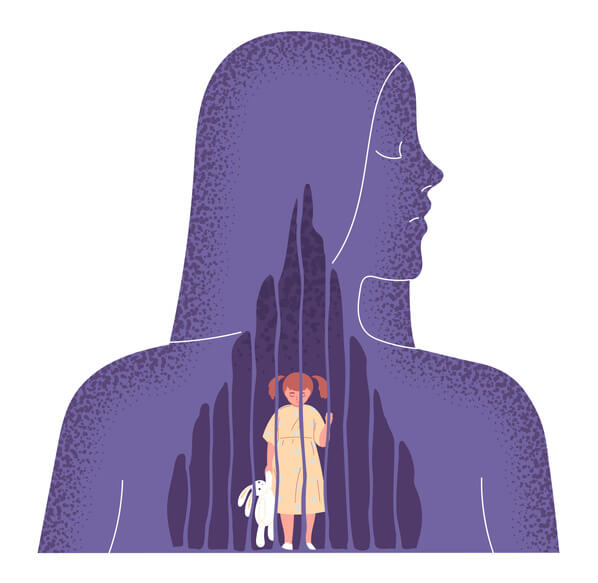
Limiting beliefs are self-sabotaging and untrue thoughts that a person believes to be true about themselves and their capabilities.

These beliefs limit a person’s potential and keep them from reaching their goals. Some examples of limiting beliefs include: “I’m not smart enough,” “I’m not talented enough,” “I can’t succeed,” “I’m not good enough,” “I’m not worthy,” and “I’m not capable.”

Limiting beliefs can be extremely damaging and can prevent a person from achieving their dreams.

These beliefs can be acquired through childhood trauma, negative experiences, or even society’s standards. For example, if a child fails a test, they may develop a limiting belief that they are “not smart” or “not capable” of succeeding in the future, even though this may not be true.

To overcome limiting beliefs, it’s important to recognize them and challenge them.

Acknowledge the thought, but don’t let it define you or hinder your progress.

Working on self-confidence, self-awareness, and self-acceptance can also be beneficial in overcoming limiting beliefs.

Ultimately, it’s important to recognize that we all have potential, and everyone deserves to be given the opportunity to succeed.

Creating a Meditation Space in Your Home

Meditation is an important activity for both physical and mental wellbeing. It can help you relax and de-stress, as well as increase your awareness and mindfulness.

Creating a dedicated meditation space in your home can help you to create a habit of regular meditation and deepen your practice.

Here are some tips for creating a calming and inviting meditation space in your home:

  1. Choose the Right Location: Choose a room or corner of your home that is quiet and away from disruptions. It should be a space that feels welcoming and comfortable, and where you can easily relax and focus on your meditation practice.
  2. Set the Mood: Create an atmosphere that is conducive to meditation. Consider adding candles, an essential oil diffuser, or incense to scent the room. Also, add some pillows or cushions to make it more comfortable to sit on the floor.
  3. Add Objects of Inspiration: Add objects that you find inspiring and calming. This could include artwork, crystals, plants, or other items that have a special meaning for you.
  4. Get Comfortable: Wear comfortable clothing and shoes to help you relax. If you tend to get too hot or cold, consider adding a fan or space heater to your meditation space.
  5. Get Organized: Keep your meditation space neat and organized. This can help you to focus on your practice without being distracted.

With these tips, you can create a calming and inviting meditation space in your home that will help you deepen your practice and relax your mind and body.

What does Holistic healing mean?

Holistic healing is an approach to health care that looks at the entire person—body, mind, spirit, and emotions—in the quest for optimal health and wellness.

Holistic healing considers the whole person, including all aspects of lifestyle.

It emphasizes the connection between the mind and body and strives to achieve balance and harmony of the mind, body, and spirit.

Holistic healing takes into account all aspects of the individual in determining treatment.

Rather than simply treating the symptoms of a disease, a holistic approach looks at the underlying cause. It attempts to address the physical, mental, emotional, and spiritual aspects of the person.

Holistic healing focuses on using natural remedies and treatments rather than relying on Western medicine. It uses a variety of therapies, such as massage, acupuncture, herbs, nutrition, movement, and energy work. Some therapies, such as homeopathy, may not be widely accepted by Western medicine, but many holistic practitioners believe that these modalities can be effective in treating a variety of illnesses and conditions.

The goal of holistic healing is to create balance in the body so that the body can heal itself. This can be achieved through lifestyle changes, such as a healthy diet, regular exercise, stress management, and spiritual practices. Holistic healing encourages a person to become more aware of their body and its needs, and to take responsibility for their own health and wellness.

What is healing energy healing?

healing hands, chakras and lotus

This is the first in a series on Energy Healing.

Healing energy is the power of positive energy which can be used to heal and help others. It is often used as a way to improve physical, mental, and spiritual health. Healing energy is a form of energy healing which is based on the belief that all living things have energy fields that can be harnessed to heal and promote wellness.

Energy healing includes many modalities. These modalities include spiritual healing, laying on hands, prayer, meditation, crystal energy work, reiki, crystal reiki, emotional freedom technique, yoga, plant-based healing (includes aroma therapy, essential oils and Herbal remedies), chakra work, and sound therapy (also known as sound bath) are the ones I am most familiar with. (This may not be a comprehensive list but does give a general idea of what is available. I will be going into more detail on each of the modalities in later posts.

Energy healing is not specific to any religion or spiritual belief. The modalities can be used by anyone.

Reiki is one of the most popular forms of healing energy. It is based on the belief that the practitioner can channel energy from the universe and transfer it to the recipient. Reiki is commonly used to address physical ailments such as chronic pain, improve emotional health, reduce stress, and promote spiritual growth.

Pranic healing is another form of healing energy. Pranic healing is based on the belief that the body has an energy field that can be manipulated to heal the body and mind. This form of healing focuses on the manipulation of the body’s energy fields to restore balance and wellbeing.

Crystal healing is a form of healing energy that uses crystals to absorb and direct energy. Crystals are believed to have healing properties and can be used to balance the body’s energy fields. Crystal healing is often used to promote physical and emotional healing as well as spiritual growth.

Sound healing is a form of healing energy that uses sound vibrations to restore balance and wellbeing. Sound healing works with the body’s energy fields to reduce stress, improve mental clarity, and promote healing.

These are just a few examples of healing energy. Each form of healing energy has its own unique benefits and can be used to improve physical, mental, and spiritual health.

What is a Life Coach?

Mentor

A life coach is a professional who assists individuals to identify and achieve their goals in life. Using different techniques such as goal setting, problem-solving, and motivation, they help individuals to create action plans and navigate through personal and professional challenges.

Life coaches can focus on a variety of areas such as career, relationships, health and fitness, education, and finances.

They help clients to identify their goals, create objectives and strategies to reach these goals, and create an action plan to get there. They provide support and guidance to keep clients on track and motivated.

Life coaches are not licensed professionals, and there is no official certification for becoming a life coach. However, many organizations offer certification programs and training to become a qualified life coach.

Finding Calm in the Storm: The One-Minute Breath for Anxiety Relief

Life is full of moments that can leave us feeling anxious and overwhelmed. Whether it’s a public speaking engagement, a disagreement with a loved one, or simply the weight of daily stressors, these moments can take a toll on our well-being. However, there is a simple and effective technique that can help us find calm and clarity in just one minute—the one-minute breath. In this blog post, we will explore how this breath pattern can be a powerful tool in reducing anxiety and restoring inner peace.

Find Comfort in Your Space: To begin, find a comfortable place where you can relax and focus on your breath. It can be your favorite chair, a peaceful corner of your home, or even a spot outdoors that brings you tranquility. The key is to choose a space where you feel at ease and can fully concentrate on the practice.

The One-Minute Breath Technique: Set a timer for one minute, or choose a song you love that is approximately one minute in length. This will serve as a guide for the duration of your practice. Once you’re ready, follow this simple breathing technique:

Breathe in deeply through your nose for a count of five seconds. Feel the air filling your lungs and expanding your abdomen.

Hold your breath for a count of five seconds. Embrace the stillness and allow yourself to be present in this moment.

Exhale slowly and fully through your mouth for a count of five seconds. Release any tension or worries as you let go of your breath.

Practice and Repetition: Commit to practicing this one-minute breath pattern for at least one minute each day, or as often as needed. You can choose to extend the duration if you feel comfortable doing so. The key is to cultivate a regular practice that allows you to tap into the power of your breath and find solace amidst the chaos.

The Power of Music: To enhance your one-minute breath practice, consider playing a song you love that aligns with your desired state of calmness. As you listen to the music, synchronize your breath with the rhythm, allowing the melody to guide your inhalation, retention, and exhalation. This combination of breathwork and music can deepen your relaxation and create a soothing experience.

If you find yourself frequently experiencing anxiety or feeling overwhelmed, it’s beneficial to explore additional tools and resources. There are numerous items available that can assist in anxiety relief, such as calming essential oils, meditation apps, and stress-relief gadgets. Take the time to find what works best for you and incorporate these resources into your daily self-care routine.

One of my favorites is:

[wptrafficguard id=’20’]

Anxiety is a common part of life, but it doesn’t have to overpower us. By embracing the simplicity of the one-minute breath, we can find moments of tranquility, clarity, and renewed focus. Remember, it’s okay to take a step back, prioritize your well-being, and practice self-care. The one-minute breath is a valuable tool that can be easily integrated into your daily routine, empowering you to navigate life’s challenges with a calmer and more centered mindset. Embrace the power of your breath and find calm in the storm.

0
    0
    Your Cart
    Your cart is emptyReturn to Shop