Annual Checkups You Shouldn’t Skip

Mentor

There is no denying that prevention is superior to treatment when it comes to healthcare. Heading off disease and illness is preferential to treating it whenever possible. Thankfully, there are many ways to prevent unwanted and unnecessary illnesses and diseases through annual checkups, exams, and screenings.

Depending on age, there are recommended tests and screenings for men and women throughout their lives. While some are less of an issue in younger years, additional tests come into play as we age.

 Let’s take a look:

Women ages 18-39

  • Blood pressure
  • Cholesterol
  • Diabetes
  • Pelvic and breast exams, including STD screenings
  • Skin exams

Women ages 50-above

  • Blood pressure
  • Cholesterol
  • Diabetes
  • Pelvic and breast exams, including mammograms
  • Skin exams
  • Colon cancer screenings
  • Osteoporosis screenings
  • Lung Cancer screenings
  • Hormone screenings

Men ages 18-49

  • Blood pressure
  • Cholesterol
  • Diabetes
  • STD screenings
  • Skin exams
  • Testicular screenings

Men ages 50-above

  • Blood pressure
  • Cholesterol
  • Diabetes
  • Skin exams
  • Colon cancer screenings
  • Osteoporosis screenings
  • Lung cancer screenings
  • Prostate cancer screenings

As you can see, there aren’t many differences in the sort of and type of screenings men and women should be having. Other than reproductive organ differences, men and women have virtually the same systems that are at risk as they age. Screening and looking for changes or alerts of potential issues can make aging easier and catch anything that may be a health threat.


While this list is general, there may be more specialized tests that are recommended based on the individual needs of each person. From hormone testing to genetic issues, every person is unique and deserves a highly personalized well-care plan.

In addition to cancer screenings and other tests, here are some additional tests that should be done every year at a minimum, unless your physician directs you otherwise:

  • Eye exams
  • Hearing tests
  • Dental screenings

These are equally important for great health and remaining independent as we grow older. Issue such as cataracts, hearing loss, and dental diseases can dramatically affect health and quality of life.

Managing health is a lifelong commitment. Many of the checkups taken in younger years can prevent illness, injury, and disease in later years. Consistent and routine medical checkups can make life easier and healthier for you and your family. Schedule your checkups and encourage those you love to do the same.


The Risks You Take When You Don’t See the Doctor

Mentor

“Out of sight, out of mind.”

“What you don’t know can’t hurt you.”

Two powerful old-school statements that are used to protect our egos from reality. When it comes to health issues, neither statement has any wisdom. In fact, what you don’t pay attention to can cause great harm if left unmanaged.

Typically, healthcare comes from the standpoint of treating illnesses, diseases, and injuries as they come up. A reaction to a problem rather than preventing problems. While there is nothing wrong with seeking medical interventions when sickness or injury is present, there are great benefits to preventing injuries and illnesses before they happen.

There are many reasons that people do not seek medical help:

  • Lack of education on the benefits of medical care
  • No access to medical care
  • No insurance or income for medical care
  • Religious beliefs
  • Influences in the media
  • Cultural beliefs
  • And more…

No matter the reason, the results can be dire. The risks you take when you don’t see a doctor can be catastrophic, even deadly! One Instagram account, Nicole Angemi, MS, PA @mrs_angemi hosts an educational account that features the devastating realities for men, women, and children who do not seek medical care. Amongst her posts of medical mysteries, freak accidents, and diseases, are autopsies and other posts about preventable diseases that went undiagnosed and/or untreated. Angemi regularly shares that the predominant reasons people do not seek medical care are ignorance, income, or lack of access to medical care.   

What are the risks you take when you don’t see a doctor?

Increased risk of preventable illness and disease- Whether you have annual exams and specialized screenings or seek medical care when prompted by illness or injury, seeing the physician is the best way to prevent or recover. When you don’t see a physician, you increase the risks for developing preventable diseases or illnesses.

Things like:

  • Diabetes
  • High cholesterol
  • Heart disease
  • Cancer
  • Bone density issues
  • And more…

Many diseases and malfunctions within the systems of the body have few or no warning signs and lack of education can prevent the warning signs from being effective. Not seeing the physician can cause permanent damage from preventable issues.

Increased risk of hurting others- There is an increase of parents choosing not to vaccinate their children. While the reasoning behind this decision is up for debate, the result of not vaccinating children is undeniable. Children who have not been immunized against communicable disease are themselves at risk and put other members of the population at risk as well. Diseases like polio, measles, and other public health issues can easily affect the young, the frail, and those with compromised immune systems.

Men and women with untreated STD (sexually transmitted diseases) can infect others when they have unprotected sex. Not seeking proper medical treatment for an STD can create an epidemic of infected people as well as cause sterilization and other reproductive illnesses.

Needless suffering- Untreated illnesses, diseases, and injuries can morph into far worse issues. Ignoring, avoiding, or not treating an issue can cause pain and suffering that is needless and preventable. Not seeing a physician can leave you and those who care for you or rely on you in great pains as well. Lost days of work, chronic illness, and permanent disability may be in the forecast without treatment.

Early mortality- The fact is, untreated illnesses, diseases, and injuries can reduce life span. From prevention to treatment, seeing a physician can prolong lifespan and give the best quality of life regardless of any diagnosis.

There is great risk from not seeing a doctor. Being prevention-minded and seeking medical care when illness and injury occur is the best way to prevent needless suffering and prolong a better quality of life.

See the other articles in the series:

  1. Should You Go to the Doctor if You are Healthy?
  2. 3 Reasons You Should See the Doctor Every Year

Should You Go to the Doctor if You are Healthy?

Have you been blessed with relatively good health? Do you find that you don’t use the services of a doctor very often and likely wouldn’t seek their help unless you were seriously ill? That’s a very common mindset. Why would you go to the doctor when you aren’t sick?

In reality, well-care is an important way to stay ahead of diseases and their devastating effects. While the common cold and flu won’t necessarily cause you too much harm, other illnesses will. Many things that can hurt us or seriously affect our health do not present with dramatic symptoms until things have gotten out of hand. Well-care can prevent the escalation of disease that can morph and lead to life-threatening issues.

You may recall taking your child to the doctor for well-baby checkups when they were developing through their first two years of life. These visits were designed to help your baby stay on track with its development and intervene if something wasn’t quite right. The frequency of visits made health care easy and prevention a sure thing. After your child reached two, these visits dropped off to as-needed.

While you likely don’t need to visit the physician as often as a new baby, there is value in regular annual visits as well as milestone visits as we age. An annual exam can alert your physician to changes in your body and its systems that you may not notice on the day-to-day. Having a ‘baseline’ of your blood work, and laying eyes on your physical being, can help prevent illness and/or enable early intervention if something comes up.

Some common annual tests include:

  • Full blood panel
  • Pap smear and other gynecological exams
  • Breast checks
  • Prostate checks
  • Mole and skin checks
  • Hearing and sight exams

Not so common – but equally important – checks as we age include:

  • Colonoscopy
  • Memory and cognitive functioning
  • Cancer screenings
  • STD and HIV screenings
  • Diabetes screenings

If you haven’t given much thought to your health because it has been awesome, consider keeping it that way by getting a routine physical or specialty screening to preserve your health and head off any diseases that might come up.

Routine health care and wellness checkups are a smart and responsible way to manage your health and save money. Contact your health provider today and see what they suggest for your age and risk factors.

Related Posts:

3 Reasons You Should See the Doctor Every Year

The Risks You Take When You Don’t See the Doctor

Mindfulness & Awareness Can Improve all Areas of Your Life

They key to mindfulness is linked to awareness. Being aware and present in the moment makes many things possible. Being aware takes the focus off abstract things caused by worry and anxiety, which influence us in every area of life. Narrowing the focus in our minds to what is happening in the now leaves less room for the what ifs of life.

Being aware of what is happening now prevents us from being focused too far ahead or looking too far back because we are dealing with what is right in front of us, right now. Going through life doing the minimum while worrying about tomorrow sucks the life out of us. Mindfulness translated to all areas of life makes life clearer and the path to success and happiness well lit.

Look at the areas mindfulness can help us in our lives:

  • Our relationships
  • Our health
  • Our work life
  • Our finances
  • and more

That gives a clear picture of what mindfulness can do – improve areas of life – but let’s take a look at how mindfulness does that.

Makes us more aware- Being mindful makes us aware of the situations we are experiencing. It causes us to deal in realities that are front and center. How we engage our family. What is going on with our health and finances can’t be ignored when you are present-minded and aware of the situations you are in.

Makes us care more- Being aware opens our hearts and minds. This creates compassion, empathy, and a spirit of kindness. Being mindful of the areas of our lives creates space to solve problems, nurture relationships, and make the most of all aspects of our lives.

Make us more responsible- Mindfulness makes it possible, dare I say required, to take bold action. Mindfulness is keenly aware of what needs to be done and the importance of getting things done efficiently. Mindfulness makes you pay your bills, clean your home, raise your kids, and do things with intentionality.

Makes us act- Once you know, then you do. Being openly aware of what is happening in your life in all areas makes it easier to take action. Being aware of yourself and the impact that you are having makes it easier for you to control or manage that impact for the best.

Mindfulness is a wonderful dose of reality in the best of ways. Mindfulness is heightened awareness which translates to every area of life. Being tuned in and turned on to what is vital.

Using Mindful Eating to Get to a Healthy Weight

If asked, most people would report that they eat for reasons other than health, community, and experience. They would likely be eating while distracted, overeating, not really tasting their food, and oblivious to where the food originated from or went through on its way to their plates or to-go containers.

Mindful eating is the act and art of really paying attention to all aspects of food consumption. From the origins and history of the food to the messages our bodies give when it comes to eating. Being mindful can be a powerful tool towards maintaining a healthy weight.

There are various forms of mindful eating. From highly formalized mindful eating experiences to just paying attention to your body and your mealtime – and everything in between. Whether you participate in a guided mindfulness course or simply begin to think about what you eat and when you eat it, there are some general ways to practice mindful eating.

Let’s look at some ways that we are mindless and mindful with our eating:

Mindless Eating

  • Oblivious to where our food comes from
  • Unaware of appropriate portions
  • Eating past being full
  • Emotion-driven eating
  • Eating in our car
  • Eating convenience foods

Mindful Eating

  • Preparing home-cooked foods
  • Raising a garden or shopping farmers markets
  • Thinking about food origins
  • Eating whole foods
  • Eating when your body indicates it’s hungry
  • Stopping when full

Mindless eating- Mindless eating is easy to fall into because we live in a country of convenience and don’t make food preparation or eating a priority in our day. Eating is a function that is driven by emotion or energy levels. On the whole – outside of Foodies and food-focused professionals – Americans are driven by convenience for eating. They are barraged by ads and marketing that lures them from fresh whole foods to convenient and popular fad foods. Many times, they feel they are eating well because of clever marketing, but generally they are overeating, undernourished, and overweight.

Mindful eating- Mindful eating begins with two independent things: humans who are hungry and food. Humans who are hungry are compelled to eat. Mindful eaters are aware of their hunger; they are motivated to take specific and intentional action to obtain, prepare, and consume whole foods. The food aspect of mindful eating includes the growth of foods with care and ethics, the cultivation of plants and animals in humane and ethical ways, and the preparation of food with consideration and love. Eating becomes an event and savoring the food is something that takes time and appreciation.

You don’t have to become an organic farmer to be mindful with your eating. Be present and aware of what you are buying and thinking about what it took for that plant to end up on your chopping block is a great first step. Making whole food meals, eating with your loved ones, and not rushing the process is another step. Engaging your family and friends during the meal and talking about the food is an ideal way to be more mindful. The more you pay attention to what you eat, how it makes you feel, and the experiences you have, the easier it is to manage your weight and be very intentional about what goes into your body.

How Mindfulness Can Help Your Relationships

Humans are pack animals. Aside from being off the grid in the remote Arctic Outback, we are all in relationships. These relationships range from intimate to casual depending on the value we place on them. Being mindful can enhance all relationships and make them easier and more meaningful.

Relationships like:

  • Parent-Child
  • Husband-Wife
  • Siblings
  • Community

Your mindfulness can make each of these relationships better. By taking simple steps, you can maximize your relationships and make them healthier and easier to be in. Let’s take a look:

Parent-Child: The parent-child relationship morphs all the time. In infancy, the parent-child bond feels unbreakable. Over time as personalities emerge, it takes more effort to stay connected. Being mindful enhances the relationship by focusing intently on what matters most.

Pro tip: Realize your child is not an extension of you. As they grow, they develop a unique personality that may be similar to one of their parents or not. View your child through a crystal-clear filter that allows them to explore their own interests and develop their individual personality. Support them by showing interest in what matters to them.

Husband-Wife: The husband-wife relationship has every possibility in the world to be rock solid and tight or every chance to disintegrate and become underwhelming. Mindfulness guards against losing touch or growing apart. Being in tune to your spouse and cultivating your marriage is a high-form of mindfulness.

Pro tip: Learn your spouse’s love language. This is one of five distinct ways your spouse gives and receives love. Being able to pour into your spouse in a way that truly matters to them is an excellent form of mindfulness.

Siblings: Siblings are a unique relationship. There are many who are well-connected and remain close throughout life while others drift and become disconnected. Fragmented families are a North American tragedy that can be avoided by being mindful in maintaining your sibling relationships.

Pro tip: Make a sibling vacation an annual event. Do the things that are unique to your family and make space to keep the bond strong and alive. No spouses, no kids – just the siblings doing the things that remind them of where they come from and the importance of family bonds.

Community- We bounce against people all day long in our community. From the receptionist at the dentist’s office to the clerk at the grocery store, we are in community every time we make a transaction. Being mindful of each person you encounter can make an important impact in both of your lives.

Pro tip: Look people in the eye. As we move through the day, busy and overwhelmed, it is easy to make transactions quickly with little personal engagement. Make a point to look everyone you meet in the eye. This shows confidence and interest in others, which oftentimes wins friends and influences others.

Your mindfulness can make an impact everywhere. From inside your home to inside the doctor’s office and everywhere in between. Be mindful and aware and watch your happiness quotient rise as you gain favor with your intent.

Simple Ways to Practice Mindfulness

Have you ever noticed after you bought a new car, that you saw that car on the street way more often? This is because your awareness was raised, and you had a certain radar for that car. Have you ever had a memory or thought triggered by the smell of someone’s perfume or the sound of a song? These are examples of mindfulness. You are hyper aware of these things because you formed a connection to them – you were paying attention through one of your senses at the moment and it made a lasting impression.

Being mindful is the transfer of your awareness from passive to active. Being on-purpose with your awareness opens the opportunity to be in the moment. In the moment there is virtually no anxiety because most things we fear are in the past or worries about a future that isn’t here yet. Being mindful is very simple once you get the hang of it. Here are some tips for simple ways to practice mindfulness:

Pay attention – Shifting your focus to what is right in front of you. What you see, feel, hear, taste, smell. This awareness makes the ‘now’ as real as it can be. Many things happen that we never notice because we are preoccupied with other thoughts or worries. Paying attention brings all the senses and happenings to the forefront.

Soak in the moment – Paying attention is one thing but appreciating and soaking in the moment is another. What do you see, hear, feel, taste, touch in your mindfulness? What do you think about that? Taking the time to experience what you are mindful of makes the experience all the better.

Listen – when is the last time you heard the birds outside, the whirr of the air conditioner, the soft sound of the dryer humming. Be mindful of what you hear and think about how it influences you. In the best of ways, mindfulness helps you enjoy the sounds of nature and life that you may have been drowning out with your thoughts. In the worst of ways, mindfulness can alert you to the ways your senses may be overloaded, and you can trim down some of the noise that is distracting you subconsciously.

Feel – Oftentimes we take the initiative to stop and become mindful in our environment – which is perfect. Paying attention to what we see, hear, and smell is a great thing. Don’t forget to feel, too. Touch the flowers. Walk barefoot on the ground. Feel the soft blankets. Professionals say that the human body needs a minimum of four hugs per day for survival. They say the preference is actually higher than that. Touching things in a mindful way – whether it be a pet, a soft sweater, a warm towel from the dryer – counts as meaningful and mindful touch.

Make an association – As you move through the day being mindful, consciously make associations. As I said above, we all make associations subconsciously that pop up when we are triggered. Memories flood us when we hear a song, go to a restaurant, or eat a certain food. You can purposefully create memories as you soak in what is amazing about each current moment.   

Being mindful creates an awareness that transforms you into a more focused person. Your ability to be in the now and focus on what is right in front of you can actually help you become better with details, better at managing stress, and more grateful. Practice these simple mindfulness techniques and enjoy!

What is Mindfulness & What are the Benefits

Have you heard the term mindfulness? Mindfulness can be used as a therapeutic technique designed to teach you to be in the present moment, along with acknowledging your associated feelings, thoughts, and experiences. Mindfulness is designed to take your focus off yesterday and tomorrow and pay close attention to today.

The benefits of mindfulness are incredible because they truly teach you to “stop and smell the roses.” In the spirit of mindfulness, there is no better time than the moment you are in. Being able to surrender and surround yourself in what is at this very moment is the truest form of being present.

Practicing mindfulness will help you:

  • Reduce anxiety
  • See the beauty in front of you
  • Have more meaningful relationships
  • Stop living in the past

There are many ways to practice mindfulness, including getting help from a certified coach or therapist. Outside of their help, you can try these tips to be more mindful:

  • Start each day purposefully – Wake each day with an intention to be focused on what this day is bringing. Think about your plans and resolve to show up purposefully wherever you go and with whomever you meet.
  • Keep a body awareness journal – Journals are a very helpful way to cultivate mindfulness. Being aware of our bodies as they relate to our mood and our functionality is a key way to stay in the moment and know yourself well. People who keep a journal tracking their mood, body aches and pains, and any significant issues can see patterns that over time can help them manage their health better.
  • Keep your eyes open – Simply taking the step to actively pay attention wherever you go can increase your mindfulness. What do you see, hear, smell, or touch that you may not have previously noticed? The act of being aware instead of on autopilot will have you seeing, hearing, smelling, and feeling things you may have never noticed and can increase your happiness.

Mindfulness is a great practice because it reduces the longing for yesterday and the worry of tomorrow. Mindfulness opens minds and hearts by seeing what is right now and putting the focus and energy on managing the moment rather than managing the perceptions of yesterday and tomorrow.

Practice mindfulness for one week; notice the impact it makes on you and the impact you make on others with your focused attention on the present.

The Power Of Writing Your SMART Goals Down And Reviewing Them Regularly

Goals Mentor

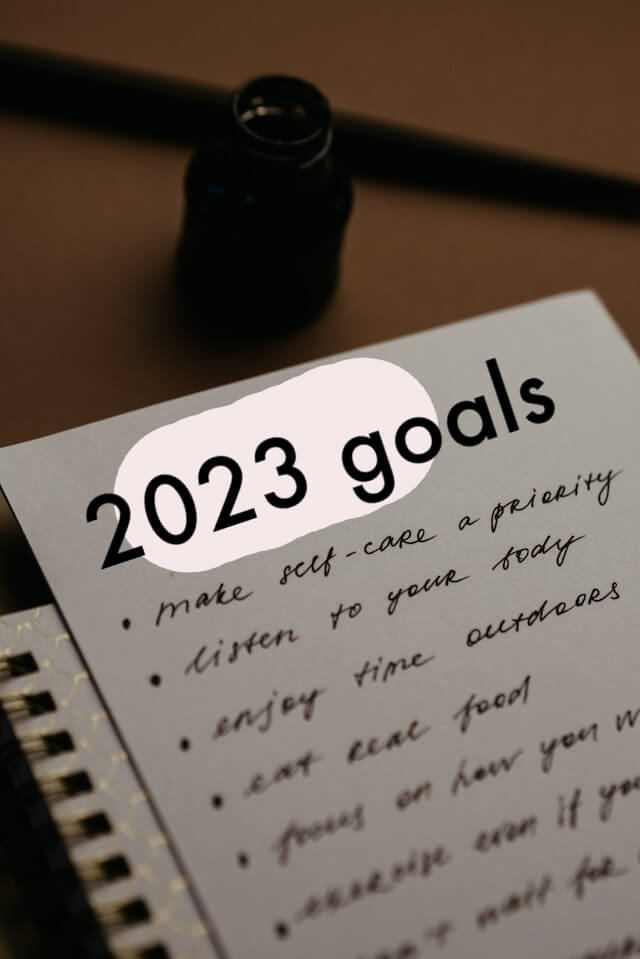
Studies show that putting your SMART goals into writing and reviewing them regularly will increase your chances of success. In fact, some studies show that you are as much as 42% more likely to follow through with your goals if you write them down. Writing your goals down will help you get a clear picture of your plan and what you want to accomplish. Logging your goals will also help motivate you to complete the tasks needed in order for success of your goal. Frequently reviewing what you’ve written will aid in reminding you of your plan, as well as remind you of your “why,” in turn, boosting your motivation to keep progressing toward your goal.


Writing your goals down as you set them; will help your brain encode the plan, further solidifying your goal. The mere act of writing an idea down makes it more likely you will remember it. This is the reason college students take notes in lectures, note taking provides a much higher probability of remembering the information. Similarly, when you draft your goal in writing, you have a better chance of success. After writing out your goal, be sure to place it somewhere that you can see it easily. Places like on the fridge, on your phone, on a mirror, at your desk are all excellent areas, where you can easily visually access your goal. Seeing the words you wrote out serves as a reminder and as motivation to continue with your efforts.

Not only will you be reminded of your goal by visually seeing the words written, you should also take the time for an active review of your goal. Regularly, actively reviewing your written goal will increase your chances of successfulness. An active review of your goal should include contemplating the reasons behind your motivation of the goal, your “why.” Thinking about the reasons you set the particular goal will boost your motivation by reminding you why the goal matters to you, why you set it and what you expect to gain from it. Reviewing your goal will aid in renewed purpose and incentive, ultimately bumping up your likelihood of success.

Countless studies that find that writing out your goals produces higher success rates. Placing the words you’ve written in an easily accessible spot and reviewing them often will also help ensure that you follow through with the SMART goals you set for yourself.

Related Posts:

Did You Set Yourself A Deadline?

Goals Mentor

Deadlines are important motivators in goal setting, that’s why the T, in SMART Goals, refers to the term time bound. Time bound means the time you allocate for you to complete your goal. An obvious start and end date for your goals are a momentous piece of your goal-setting plan. When you set start and end times for yourself, you are better able to stay on track, give you the ability to focus on your goal and give you something to work toward. Mini-deadlines will help you keep up motivation because you will celebrate your smaller successes along the way. Deadlines will also help with time management, making your goal more easily accomplished. Managing your time well will help you allocate your time where needed, toward achieving your goal. Parkinson’s Law states that work will expand to fill the time allotted. So, unless you must carefully distribute your time, your goals may fall to the wayside and become overtaken by everyday tasks.

Time-bound goals have start and end dates. Setting a time frame for yourself in whom you expect to complete your goal, will give you a sense of urgency. Time bound goals also keep you focused on the task you have laid out for yourself by helping prioritize your everyday tasks. It’s easy to get caught up in the things we have to get done in life, work and family obligations often take over. Parkinson’s Law states that work will expand to fill the time allotted; meaning that other tasks will take over, if you let them. But, when the goal is time bound, it helps keep the goal in the forefront, with a sense of necessity.

Mini-deadlines are another way that time-bound goals help ensure success. You can set yourself some smaller deadlines within your primary goal and reward yourself for those mini successes along the way. For example, let’s say your goal is to walk for 30 minutes, 5 times a week for 3 months, in the evening when you get home from work, to get healthier. The deadline here is 3 months. An example of a useful mini goal could be at the 1 week mark. If you check in with yourself every Friday evening and you have followed through with walking for 30 minutes every evening after work for that week, you have successfully completed your mini goal. If you allow yourself a small reward for achieving the mini goal, you will further solidify success.

Time sensitive goals are an important part of the SMART Goals method. Setting deadlines will increase your productivity and help ensure your success.

Related Posts:

0
    0
    Your Cart
    Your cart is emptyReturn to Shop
    Verified by MonsterInsights