Mindfulness for Emotional Regulation
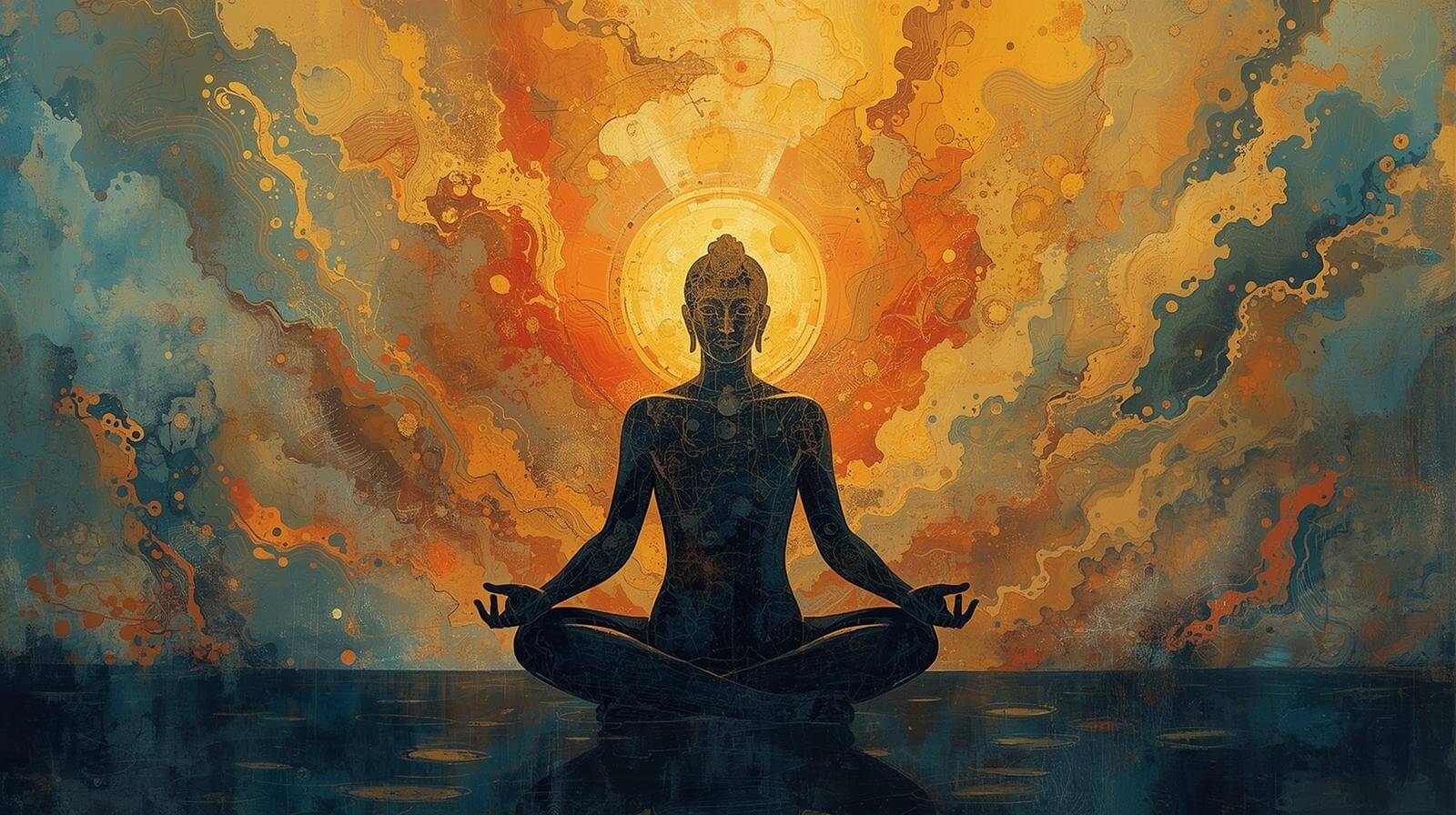
In our fast-paced, screen-saturated world, it’s easy to live entirely “from the neck up.” We spend our days processing data, managing schedules, and navigating digital spaces, often forgetting that our emotions don’t just happen in our heads—they happen in our bodies.
When we lose touch with our physical selves, we lose our most effective tool for emotional regulation. This is where Embodied Mindfulness and Daily Rituals come in. By shifting from “thinking” about our feelings to “sensing” them, we can find a grounded calm that no amount of logic can provide.
What is Embodied Mindfulness?
Standard mindfulness often focuses on observing thoughts. Embodied mindfulness goes deeper: it is the practice of bringing non-judgmental awareness to your physical sensations.
Scientific research into interoception—our ability to sense the internal state of our bodies—shows that people with higher body awareness are better at regulating their emotions. When you can feel your chest tightening before you start shouting, or notice your breath becoming shallow before an anxiety attack peaks, you gain a window of opportunity to respond rather than react.
The Power of Daily Rituals as Nervous System Anchors
While a “habit” is something we do on autopilot (like brushing our teeth), a ritual is a habit infused with intention. Rituals act as anchors for the nervous system. They send cues of safety to the brain, telling it: “We are here. We are safe. We are in control.”
By combining embodied mindfulness with daily rituals, you create a “bottom-up” approach to emotional regulation—calming the brain by first calming the body.
3 Rituals to Regulate Your Emotions
Here are three simple, embodied rituals you can integrate into your day to help manage stress and find emotional balance.
1. The “Threshold Breath” (Transition Ritual)
We often carry the stress of one meeting or task into the next. To stop this “emotional bleeding,” choose a physical threshold—like your office door or the kitchen entrance.
- The Practice: Every time you walk through that door, pause. Place one hand on your belly. Take one slow, deep breath, feeling the expansion of your ribs and the grounding of your feet on the floor.
- Why it works: It breaks the “autopilot” cycle and resets your nervous system before you enter a new environment.
2. The 5-Sense Sensory Anchor (Grounding Ritual)
When emotions feel like a storm, your mind is usually in the past (regret) or the future (anxiety). You need to get back to the now.
- The Practice: Stop what you are doing and name:
- 5 things you can see (the texture of the wall, the light on a leaf).
- 4 things you can touch (your clothes, the cool desk).
- 3 things you can hear (distant traffic, your own breath).
- 2 things you can smell.
- 1 thing you can taste.
- Why it works: It forces your brain to shift from the “Default Mode Network” (rumination) to the “Task Positive Network” (present-moment awareness).
3. The “Closing Ceremony” (Evening Ritual)
Many of us struggle with “bedtime procrastination” because we haven’t emotionally processed the day.
- The Practice: At the end of your workday or before bed, perform a physical “closing.” This could be washing your hands with intention—feeling the water and “rinsing away” the day’s demands—or lighting a candle and blowing it out to signify that work-time is over.
- Why it works: It creates a clear psychological and physical boundary, allowing your body to shift into “rest and digest” mode.

Tips for Making It Stick
- Consistency over Intensity: You don’t need to meditate for an hour. A 30-second ritual performed daily is more effective for your brain than a 2-hour retreat once a year.
- Name the Sensation: Instead of saying “I’m stressed,” try “I feel a buzzing in my hands and a weight on my shoulders.” Naming the physical sensation creates “emotional distance,” making the feeling easier to manage.
- Be Kind to the Wanderer: Your mind will wander. That’s what minds do. The “magic” of mindfulness isn’t having a blank mind; it’s the moment you realize you’ve wandered and gently bring yourself back to your body.
Final Thoughts
Emotional regulation isn’t about “fixing” your feelings; it’s about building a bigger container to hold them. By practicing embodied mindfulness and honoring daily rituals, you stop being a passenger to your emotions and start becoming an anchored observer of your life.
Which of these rituals will you try today? Start small, stay in your body, and breathe.
Leave a Reply