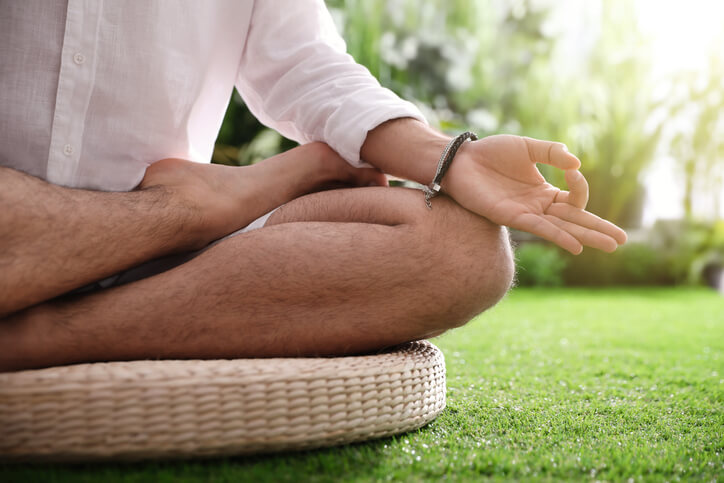
Mindfulness & Awareness Can Improve all Areas of Your Life

They key to mindfulness is linked to awareness. Being aware and present in the moment makes many things possible. Being aware takes the focus off abstract things caused by worry and anxiety, which influence us in every area of life. Narrowing the focus in our minds to what is happening in the now leaves less room for the what ifs of life.

Being aware of what is happening now prevents us from being focused too far ahead or looking too far back because we are dealing with what is right in front of us, right now. Going through life doing the minimum while worrying about tomorrow sucks the life out of us. Mindfulness translated to all areas of life makes life clearer and the path to success and happiness well lit.

Look at the areas mindfulness can help us in our lives:

  • Our relationships
  • Our health
  • Our work life
  • Our finances
  • and more

That gives a clear picture of what mindfulness can do – improve areas of life – but let’s take a look at how mindfulness does that.

Makes us more aware- Being mindful makes us aware of the situations we are experiencing. It causes us to deal in realities that are front and center. How we engage our family. What is going on with our health and finances can’t be ignored when you are present-minded and aware of the situations you are in.

Makes us care more- Being aware opens our hearts and minds. This creates compassion, empathy, and a spirit of kindness. Being mindful of the areas of our lives creates space to solve problems, nurture relationships, and make the most of all aspects of our lives.

Make us more responsible- Mindfulness makes it possible, dare I say required, to take bold action. Mindfulness is keenly aware of what needs to be done and the importance of getting things done efficiently. Mindfulness makes you pay your bills, clean your home, raise your kids, and do things with intentionality.

Makes us act- Once you know, then you do. Being openly aware of what is happening in your life in all areas makes it easier to take action. Being aware of yourself and the impact that you are having makes it easier for you to control or manage that impact for the best.

Mindfulness is a wonderful dose of reality in the best of ways. Mindfulness is heightened awareness which translates to every area of life. Being tuned in and turned on to what is vital.

How Mindfulness Can Help Your Relationships

Humans are pack animals. Aside from being off the grid in the remote Arctic Outback, we are all in relationships. These relationships range from intimate to casual depending on the value we place on them. Being mindful can enhance all relationships and make them easier and more meaningful.

Relationships like:

  • Parent-Child
  • Husband-Wife
  • Siblings
  • Community

Your mindfulness can make each of these relationships better. By taking simple steps, you can maximize your relationships and make them healthier and easier to be in. Let’s take a look:

Parent-Child: The parent-child relationship morphs all the time. In infancy, the parent-child bond feels unbreakable. Over time as personalities emerge, it takes more effort to stay connected. Being mindful enhances the relationship by focusing intently on what matters most.

Pro tip: Realize your child is not an extension of you. As they grow, they develop a unique personality that may be similar to one of their parents or not. View your child through a crystal-clear filter that allows them to explore their own interests and develop their individual personality. Support them by showing interest in what matters to them.

Husband-Wife: The husband-wife relationship has every possibility in the world to be rock solid and tight or every chance to disintegrate and become underwhelming. Mindfulness guards against losing touch or growing apart. Being in tune to your spouse and cultivating your marriage is a high-form of mindfulness.

Pro tip: Learn your spouse’s love language. This is one of five distinct ways your spouse gives and receives love. Being able to pour into your spouse in a way that truly matters to them is an excellent form of mindfulness.

Siblings: Siblings are a unique relationship. There are many who are well-connected and remain close throughout life while others drift and become disconnected. Fragmented families are a North American tragedy that can be avoided by being mindful in maintaining your sibling relationships.

Pro tip: Make a sibling vacation an annual event. Do the things that are unique to your family and make space to keep the bond strong and alive. No spouses, no kids – just the siblings doing the things that remind them of where they come from and the importance of family bonds.

Community- We bounce against people all day long in our community. From the receptionist at the dentist’s office to the clerk at the grocery store, we are in community every time we make a transaction. Being mindful of each person you encounter can make an important impact in both of your lives.

Pro tip: Look people in the eye. As we move through the day, busy and overwhelmed, it is easy to make transactions quickly with little personal engagement. Make a point to look everyone you meet in the eye. This shows confidence and interest in others, which oftentimes wins friends and influences others.

Your mindfulness can make an impact everywhere. From inside your home to inside the doctor’s office and everywhere in between. Be mindful and aware and watch your happiness quotient rise as you gain favor with your intent.

Simple Ways to Practice Mindfulness

Have you ever noticed after you bought a new car, that you saw that car on the street way more often? This is because your awareness was raised, and you had a certain radar for that car. Have you ever had a memory or thought triggered by the smell of someone’s perfume or the sound of a song? These are examples of mindfulness. You are hyper aware of these things because you formed a connection to them – you were paying attention through one of your senses at the moment and it made a lasting impression.

Being mindful is the transfer of your awareness from passive to active. Being on-purpose with your awareness opens the opportunity to be in the moment. In the moment there is virtually no anxiety because most things we fear are in the past or worries about a future that isn’t here yet. Being mindful is very simple once you get the hang of it. Here are some tips for simple ways to practice mindfulness:

Pay attention – Shifting your focus to what is right in front of you. What you see, feel, hear, taste, smell. This awareness makes the ‘now’ as real as it can be. Many things happen that we never notice because we are preoccupied with other thoughts or worries. Paying attention brings all the senses and happenings to the forefront.

Soak in the moment – Paying attention is one thing but appreciating and soaking in the moment is another. What do you see, hear, feel, taste, touch in your mindfulness? What do you think about that? Taking the time to experience what you are mindful of makes the experience all the better.

Listen – when is the last time you heard the birds outside, the whirr of the air conditioner, the soft sound of the dryer humming. Be mindful of what you hear and think about how it influences you. In the best of ways, mindfulness helps you enjoy the sounds of nature and life that you may have been drowning out with your thoughts. In the worst of ways, mindfulness can alert you to the ways your senses may be overloaded, and you can trim down some of the noise that is distracting you subconsciously.

Feel – Oftentimes we take the initiative to stop and become mindful in our environment – which is perfect. Paying attention to what we see, hear, and smell is a great thing. Don’t forget to feel, too. Touch the flowers. Walk barefoot on the ground. Feel the soft blankets. Professionals say that the human body needs a minimum of four hugs per day for survival. They say the preference is actually higher than that. Touching things in a mindful way – whether it be a pet, a soft sweater, a warm towel from the dryer – counts as meaningful and mindful touch.

Make an association – As you move through the day being mindful, consciously make associations. As I said above, we all make associations subconsciously that pop up when we are triggered. Memories flood us when we hear a song, go to a restaurant, or eat a certain food. You can purposefully create memories as you soak in what is amazing about each current moment.   

Being mindful creates an awareness that transforms you into a more focused person. Your ability to be in the now and focus on what is right in front of you can actually help you become better with details, better at managing stress, and more grateful. Practice these simple mindfulness techniques and enjoy!

What is Mindfulness & What are the Benefits

Have you heard the term mindfulness? Mindfulness can be used as a therapeutic technique designed to teach you to be in the present moment, along with acknowledging your associated feelings, thoughts, and experiences. Mindfulness is designed to take your focus off yesterday and tomorrow and pay close attention to today.

The benefits of mindfulness are incredible because they truly teach you to “stop and smell the roses.” In the spirit of mindfulness, there is no better time than the moment you are in. Being able to surrender and surround yourself in what is at this very moment is the truest form of being present.

Practicing mindfulness will help you:

  • Reduce anxiety
  • See the beauty in front of you
  • Have more meaningful relationships
  • Stop living in the past

There are many ways to practice mindfulness, including getting help from a certified coach or therapist. Outside of their help, you can try these tips to be more mindful:

  • Start each day purposefully – Wake each day with an intention to be focused on what this day is bringing. Think about your plans and resolve to show up purposefully wherever you go and with whomever you meet.
  • Keep a body awareness journal – Journals are a very helpful way to cultivate mindfulness. Being aware of our bodies as they relate to our mood and our functionality is a key way to stay in the moment and know yourself well. People who keep a journal tracking their mood, body aches and pains, and any significant issues can see patterns that over time can help them manage their health better.
  • Keep your eyes open – Simply taking the step to actively pay attention wherever you go can increase your mindfulness. What do you see, hear, smell, or touch that you may not have previously noticed? The act of being aware instead of on autopilot will have you seeing, hearing, smelling, and feeling things you may have never noticed and can increase your happiness.

Mindfulness is a great practice because it reduces the longing for yesterday and the worry of tomorrow. Mindfulness opens minds and hearts by seeing what is right now and putting the focus and energy on managing the moment rather than managing the perceptions of yesterday and tomorrow.

Practice mindfulness for one week; notice the impact it makes on you and the impact you make on others with your focused attention on the present.

Guided and Non-guided Meditations

Meditation

MEditaiton

Meditation is a helpful tool for many people in their journey towards better mental, emotional and physical health.

While there are many meditation practices and techniques, the two main types are guided and non-guided meditations. Both practices offer unique benefits, so it’s important to understand the differences between them in order to decide which is best suited for your own needs.

Guided meditations are a form of directed meditation, in which an instructor or a recording provides verbal guidance or prompts throughout the practice. This often includes narrating specific visualizations, poses, or breathing techniques, as well as guiding the meditator through the entire process. Guided meditations are best for people who are new to meditation, or for those who need extra help to stay focused and motivated. The instructor can provide encouragement and support, which can help the meditator stay on track and get the most out of their practice.

Non-guided meditation, also known as mindfulness meditation, is a type of meditation in which the meditator focuses on their own body and thoughts, without being guided by an instructor. Non-guided meditations are best suited for people who are already familiar with meditation and can maintain a focused and relaxed state on their own. These meditations are often used as a form of self-exploration, allowing the meditator to get in touch with their inner self and cultivate an attitude of acceptance and self-awareness.

Whether you choose to practice guided or non-guided meditation, the most important thing is to find a practice that works for you and that you can stick with. Take the time to explore both types to see which one is most suitable for your lifestyle and your needs.

Journaling

Journaling

When I first started journaling, I had no idea how it worked. I thought it was just recording what happened during my day.  As I got older and started to understand what a wonderful tool it is.

Journaling allows you to work through your emotions and dive deeper into your everyday thoughts and behaviors.

  • Having trouble knowing what write or feeling uninspired.  Try doodling drawing etc to get juices flowing.
  • Create a running list of journal prompts that you can turn to in a pinch.
  • If physically writing out your thoughts is causing writer’s block, don’t force yourself to stick with it. You can type in Google docs or use your phone’s notepad application. Digital journals are easy to back up, access, and organize.
  • Let yourself be messy, your journal isn’t here to look pretty. It’s here for you to explore your thoughts, work through big emotions, and encourage introspection.
  • Don’t Edit as You Go – If you make a mistake, scribble it out and keep going. ‘Mistakes” distract you from your train of thought.
  • Carry Your Journal at All Times, you can write whenever inspiration strikes (and you have a few minutes to spare!) Can’t write the entry immediately, jot down a vague heading and some bullet points containing your thoughts and ideas. Later, you can remind yourself what you thought and write the full entry.
  • Write to Yourself – great way to track your progress and growth. Try to remember what it was like to be 5, 10, or 20 years younger. What were you worried about? What were your dreams? After putting yourself in a smaller pair of your own shoes, write a letter to that version of yourself.
  • Write about the people you know now, your job, your family, your pets, your habits, things you’ve overcome, and areas where you’ve changed. Compare and contrast your life now and then.
  • Write About What You Want – don’t force yourself to write about something that irritates you. Your journal is a tool meant for your benefit and growth. If you hate a prompt, get annoyed with a specific journal structure, or find an entire guided journal infuriating – you don’t have to stick with it.
  • Write In Different Places – they can trigger different memories and bring out different aspects of your personality
  • Turn Off Distractions
    • Turn off your phone if you can, otherwise put it on silent and place it face down. Put away anything that will distract you as you’re writing.
  •  Set a Timer – set a judgment-free timer for 10 or 15 minutes. If the timer  goes off and you’ve found a flow or are on a thought path you want to dive deeper into, you can continue! But you can’t stop until the timer goes off.

Stream of Consciousness  – write down whatever pops into your head. Don’t worry about finishing sentences – if your thoughts switch, your writing must too!

Creating a Meditation Space in Your Home

Meditation is an important activity for both physical and mental wellbeing. It can help you relax and de-stress, as well as increase your awareness and mindfulness.

Creating a dedicated meditation space in your home can help you to create a habit of regular meditation and deepen your practice.

Here are some tips for creating a calming and inviting meditation space in your home:

  1. Choose the Right Location: Choose a room or corner of your home that is quiet and away from disruptions. It should be a space that feels welcoming and comfortable, and where you can easily relax and focus on your meditation practice.
  2. Set the Mood: Create an atmosphere that is conducive to meditation. Consider adding candles, an essential oil diffuser, or incense to scent the room. Also, add some pillows or cushions to make it more comfortable to sit on the floor.
  3. Add Objects of Inspiration: Add objects that you find inspiring and calming. This could include artwork, crystals, plants, or other items that have a special meaning for you.
  4. Get Comfortable: Wear comfortable clothing and shoes to help you relax. If you tend to get too hot or cold, consider adding a fan or space heater to your meditation space.
  5. Get Organized: Keep your meditation space neat and organized. This can help you to focus on your practice without being distracted.

With these tips, you can create a calming and inviting meditation space in your home that will help you deepen your practice and relax your mind and body.

Finding Calm in the Storm: The One-Minute Breath for Anxiety Relief

Life is full of moments that can leave us feeling anxious and overwhelmed. Whether it’s a public speaking engagement, a disagreement with a loved one, or simply the weight of daily stressors, these moments can take a toll on our well-being. However, there is a simple and effective technique that can help us find calm and clarity in just one minute—the one-minute breath. In this blog post, we will explore how this breath pattern can be a powerful tool in reducing anxiety and restoring inner peace.

Find Comfort in Your Space: To begin, find a comfortable place where you can relax and focus on your breath. It can be your favorite chair, a peaceful corner of your home, or even a spot outdoors that brings you tranquility. The key is to choose a space where you feel at ease and can fully concentrate on the practice.

The One-Minute Breath Technique: Set a timer for one minute, or choose a song you love that is approximately one minute in length. This will serve as a guide for the duration of your practice. Once you’re ready, follow this simple breathing technique:

Breathe in deeply through your nose for a count of five seconds. Feel the air filling your lungs and expanding your abdomen.

Hold your breath for a count of five seconds. Embrace the stillness and allow yourself to be present in this moment.

Exhale slowly and fully through your mouth for a count of five seconds. Release any tension or worries as you let go of your breath.

Practice and Repetition: Commit to practicing this one-minute breath pattern for at least one minute each day, or as often as needed. You can choose to extend the duration if you feel comfortable doing so. The key is to cultivate a regular practice that allows you to tap into the power of your breath and find solace amidst the chaos.

The Power of Music: To enhance your one-minute breath practice, consider playing a song you love that aligns with your desired state of calmness. As you listen to the music, synchronize your breath with the rhythm, allowing the melody to guide your inhalation, retention, and exhalation. This combination of breathwork and music can deepen your relaxation and create a soothing experience.

If you find yourself frequently experiencing anxiety or feeling overwhelmed, it’s beneficial to explore additional tools and resources. There are numerous items available that can assist in anxiety relief, such as calming essential oils, meditation apps, and stress-relief gadgets. Take the time to find what works best for you and incorporate these resources into your daily self-care routine.

One of my favorites is:

[wptrafficguard id=’20’]

Anxiety is a common part of life, but it doesn’t have to overpower us. By embracing the simplicity of the one-minute breath, we can find moments of tranquility, clarity, and renewed focus. Remember, it’s okay to take a step back, prioritize your well-being, and practice self-care. The one-minute breath is a valuable tool that can be easily integrated into your daily routine, empowering you to navigate life’s challenges with a calmer and more centered mindset. Embrace the power of your breath and find calm in the storm.

0
    0
    Your Cart
    Your cart is emptyReturn to Shop
    Verified by MonsterInsights