From Head to Heart
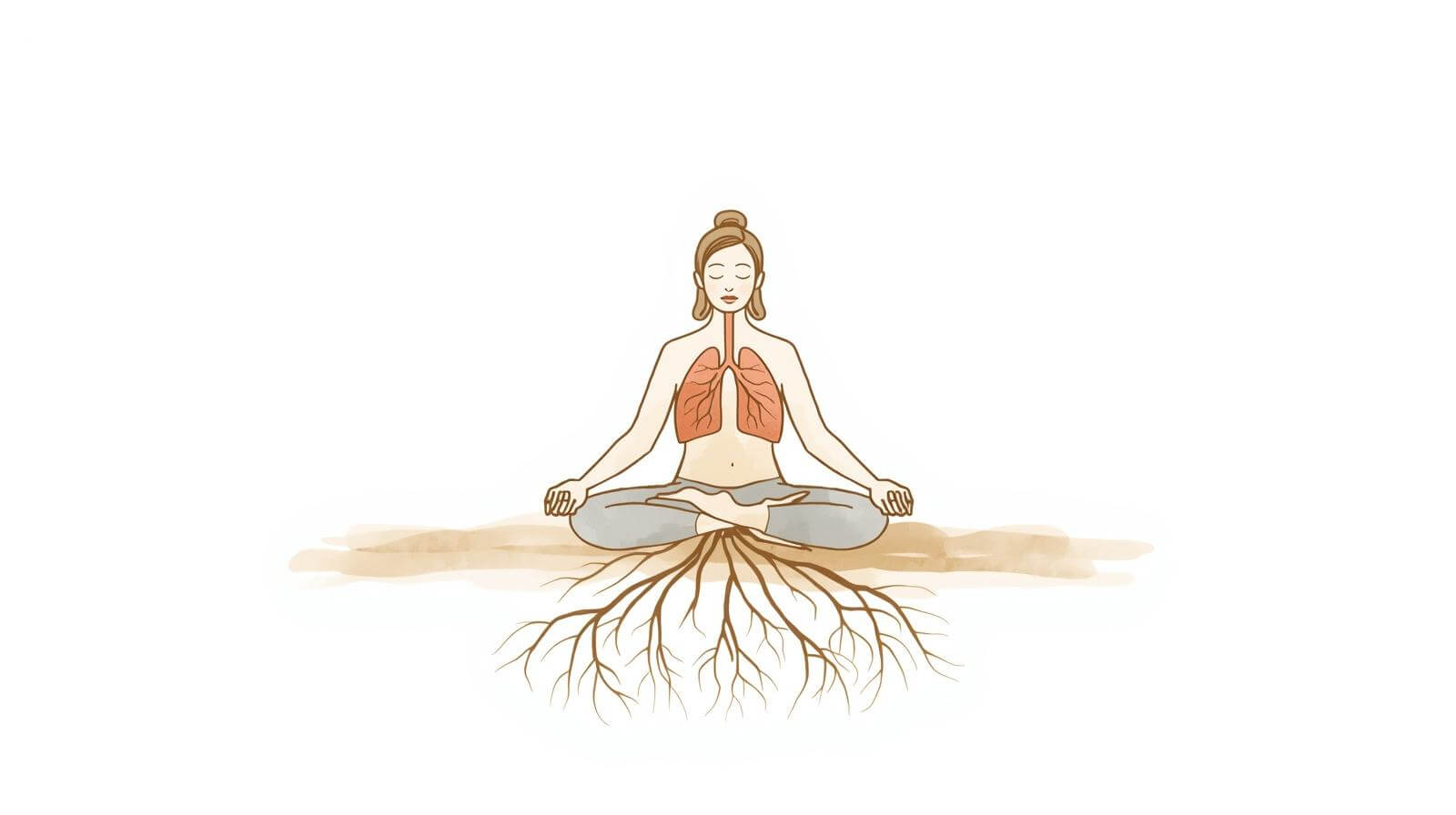
A Guide to Embodied Mindfulness & Daily Rituals
In our fast-paced, digital-first world, it’s easy to live entirely “from the neck up.” We spend our days processing data, scrolling through feeds, and checking off to-do lists, often forgetting that we have a body until it sends us signals of pain or exhaustion.
Embodied mindfulness is the bridge back to ourselves. Unlike traditional mindfulness, which often focuses solely on observing thoughts, embodiment practices invite you to inhabit your physical form. By integrating daily rituals like breathwork and grounding, you can move from a state of constant “doing” into a state of present “being.”
What is Embodied Mindfulness?
Embodied mindfulness is the practice of staying present by tuning into the “felt sense” of your body. It’s the difference between thinking about being calm and feeling the weight of your body in your chair. When we practice embodiment, we tap into our body’s natural intelligence to regulate our nervous system, lower cortisol, and improve emotional resilience.
1. Breathwork: Your Internal Anchor
Your breath is the only part of your autonomic nervous system that you can consciously control. It is the fastest way to signal to your brain that you are safe.
The Ritual: The “Extended Exhale”
- How to do it: Inhale through your nose for a count of 4. Pause briefly. Then, exhale through pursed lips (as if blowing through a straw) for a count of 6 or 8.
- Why it works: Longer exhales activate the vagus nerve, which triggers the parasympathetic nervous system—your “rest and digest” mode.
- Daily Integration: Practice this for 2 minutes before opening your laptop in the morning or while waiting in line.
2. Grounding: Reconnecting with the Earth
Grounding (or “earthing”) is the practice of physically or energetically connecting with the earth to stabilize your energy. In a world of high-frequency stress, grounding acts as a lightning rod for anxiety.
The Ritual: The “Feet-to-Floor” Check-in
- How to do it: If possible, step outside barefoot on grass or soil. If you’re indoors, sit with both feet flat on the floor. Close your eyes and visualize roots growing from the soles of your feet deep into the earth. Notice the texture, temperature, and pressure.
- Why it works: This practice shifts your awareness away from racing thoughts and down into your physical foundation, providing an immediate sense of stability.
- Daily Integration: Make this your “transition ritual” when moving from work mode to home mode.
3. Creating Your Daily Rituals
A ritual is simply a routine infused with intention. To make embodied mindfulness and daily rituals stick, they don’t need to be long—they just need to be consistent.
- Morning (The Awakening): Before checking your phone, place a hand on your heart and take three deep diaphragmatic breaths. Notice the rise and fall of your chest.
- Mid-Day (The Reset): Use the “5-4-3-2-1” grounding technique. Acknowledge 5 things you see, 4 things you can touch, 3 things you hear, 2 things you can smell, and 1 thing you can taste.
- Evening (The Release): Practice gentle somatic stretching or a “body scan” in bed. Start from your toes and work your way up, consciously releasing tension in each muscle group.
The Benefits of a Somatic Life
When you commit to these embodiment practices, the benefits extend far beyond a moment of “zen.” You’ll likely notice:
- Reduced Anxiety: A more regulated nervous system.
- Improved Focus: Less mental “clutter” and better presence.
- Emotional Intelligence: A better understanding of how emotions manifest physically (e.g., a tight chest or a clenched jaw) before they overwhelm you.
Conclusion
Embodied mindfulness isn’t about achieving a perfect state of peace; it’s about coming home to yourself, over and over again. By weaving breathwork and grounding into your daily rituals, you transform your body from a vehicle for your head into a sanctuary for your soul.
Ready to start? Pick one practice—breathwork or grounding—and try it for just three minutes today. Your body will thank you.
Leave a Reply