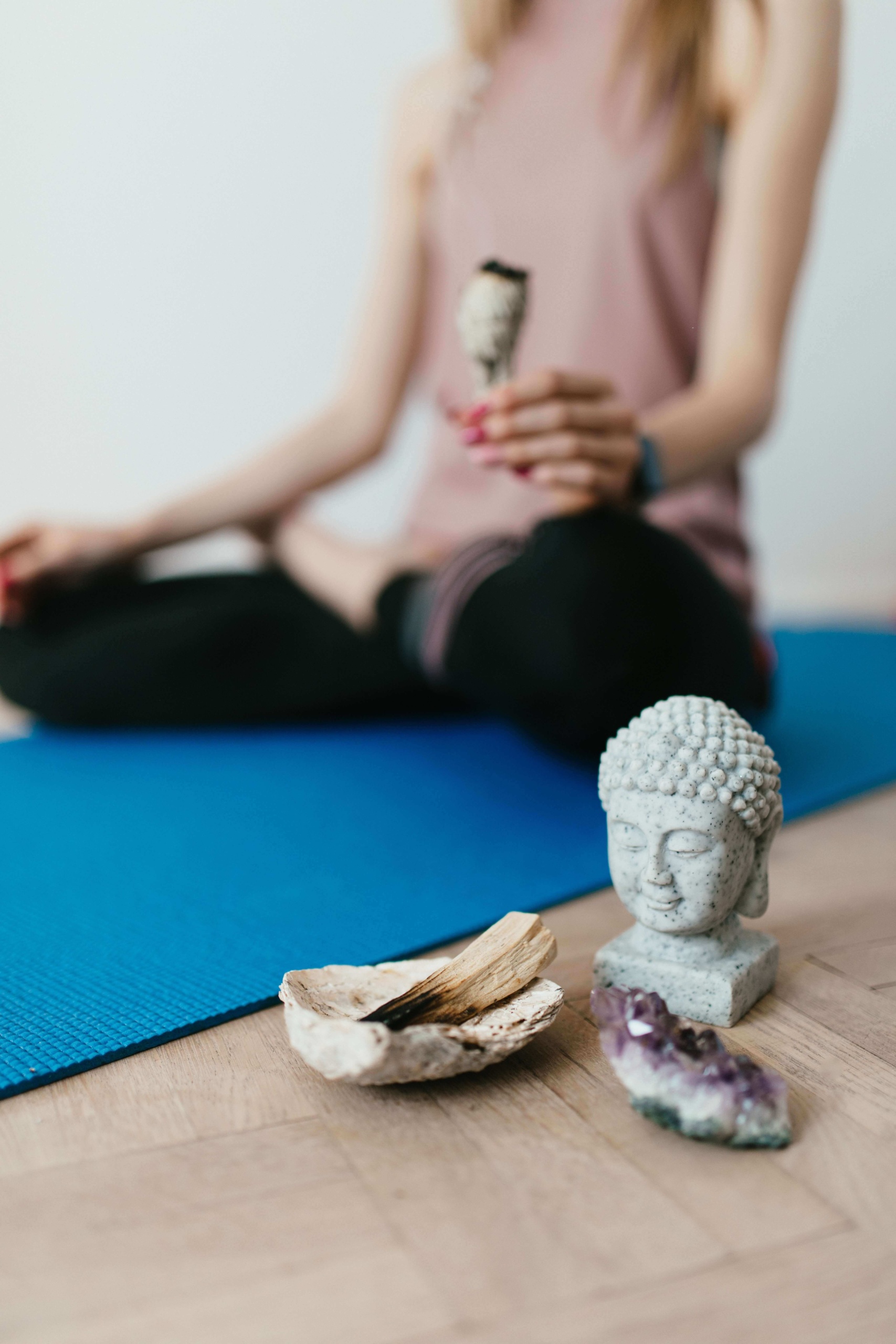
The Art of Presence: How to Cultivate Mindfulness in Daily Life

In our fast-paced world, it’s easy to get caught up in the whirlwind of responsibilities, distractions, and worries about the past or future. However, true peace and fulfillment come from embracing the present moment. Mindfulness—the practice of being fully present and engaged in the now—can transform your daily life by reducing stress, enhancing awareness, and deepening your connection with yourself and the world around you.

The Power of Mindfulness

Mindfulness is not just a buzzword; it is a practice rooted in ancient traditions that has been scientifically proven to improve mental and emotional well-being. By bringing our attention to the present, we cultivate greater clarity, patience, and joy. The good news is that mindfulness doesn’t require hours of meditation—it can be effortlessly woven into everyday activities.

Simple Ways to Incorporate Mindfulness Into Daily Life

1. Mindful Breathing

One of the easiest ways to practice mindfulness is through conscious breathing. Take a few deep breaths, focusing on the sensation of air entering and leaving your body. This simple practice can ground you in the present and bring a sense of calm amidst a busy day.

2. Mindful Eating

Instead of rushing through meals, take time to truly savor each bite. Pay attention to the flavors, textures, and aromas of your food. Chew slowly, and express gratitude for the nourishment. Mindful eating not only enhances digestion but also strengthens your relationship with food.

3. Mindful Walking

Walking is an excellent opportunity to practice mindfulness. Whether you’re strolling in a park or walking to work, focus on the sensation of your feet touching the ground, the rhythm of your steps, and the sounds around you. Walking with awareness can transform an ordinary activity into a meditative experience.

4. Mindful Listening

How often do we truly listen when someone is speaking? Practice mindful listening by giving your full attention to the person in front of you. Avoid interrupting or planning your response while they talk. Simply be present and engaged in the conversation.

5. Mindful Tasks

Everyday chores, such as washing dishes, drinking tea, or folding laundry, can become acts of mindfulness. Instead of rushing through them, focus on the sensations involved. Feel the warmth of the water, the texture of the fabric, or the aroma of your tea. These small moments of awareness add up to a more mindful life.

6. Mindful Gratitude

Take a few moments each day to reflect on what you’re grateful for. A gratitude practice shifts your focus from what’s lacking to the abundance in your life. This simple habit cultivates joy and appreciation for the present moment.

Making Mindfulness a Way of Life

Mindfulness is not about achieving perfection but about gently bringing your awareness back to the present whenever your mind wanders. The more you practice, the more natural it becomes. By integrating mindfulness into your daily routine, you can experience greater peace, resilience, and a deeper connection to life itself.

Final Thoughts

Living mindfully is a gift you can give yourself every day. Whether it’s through breathing, eating, walking, listening, or expressing gratitude, each moment offers an opportunity to be fully present. Start small, be patient with yourself, and watch as mindfulness transforms the way you experience life.

The Power of Self-Compassion: Why Being Kind to Yourself Changes Everything

Self hugs

In a world that often encourages self-criticism and relentless striving, the practice of self-compassion can be a game-changer. Many of us are quick to offer kindness and understanding to others but struggle to extend the same grace to ourselves. What if we could change that? What if treating ourselves with the same gentleness we show a dear friend could transform our mental health, relationships, and overall happiness? Science suggests it can—and here’s why.

Understanding Self-Compassion

Self-compassion, a term popularized by researcher Dr. Kristin Neff, consists of three core components:

  1. Self-kindness – Being warm and understanding toward ourselves rather than overly critical.
  2. Common humanity – Recognizing that suffering and imperfection are universal, rather than feeling isolated in our struggles.
  3. Mindfulness – Acknowledging painful emotions without judgment or over-identification.

Practicing self-compassion means replacing harsh self-talk with supportive inner dialogue and treating yourself with patience and care, especially in times of failure or difficulty.

The Science Behind Self-Compassion

Research has shown that self-compassion is linked to numerous psychological benefits. Studies indicate that individuals who practice self-compassion experience lower levels of anxiety, depression, and stress. Unlike self-esteem, which is often dependent on external validation, self-compassion fosters a stable and resilient sense of self-worth. It activates the parasympathetic nervous system, reducing cortisol levels and promoting emotional well-being.

How Self-Compassion Improves Mental Health

Many of us believe that self-criticism helps us improve, but in reality, it often leads to anxiety and self-doubt. Self-compassion, on the other hand, encourages growth without the fear of failure. When we acknowledge our mistakes with kindness, we are more likely to learn from them and move forward in a positive direction. This practice also reduces rumination, the cycle of negative thoughts that can contribute to depression and stress.

Strengthening Relationships Through Self-Compassion

When we cultivate self-compassion, we also improve our relationships with others. People who are kind to themselves tend to be more empathetic, patient, and understanding in their interactions. By accepting our own flaws, we become more accepting of others, leading to deeper connections and healthier relationships. Moreover, self-compassion prevents burnout, especially for those in caregiving roles, by allowing us to set boundaries and prioritize self-care.

Boosting Overall Happiness

A self-compassionate mindset fosters a greater sense of life satisfaction. When we let go of unrealistic expectations and embrace our authentic selves, we experience more joy and gratitude. Instead of dwelling on past mistakes or worrying about future outcomes, self-compassion helps us remain present, appreciating life as it unfolds.

Practical Ways to Cultivate Self-Compassion

If self-compassion doesn’t come naturally to you, don’t worry—like any skill, it can be developed. Here are some simple ways to incorporate it into your daily life:

  1. Practice Self-Compassionate Language – Replace self-criticism with gentle and encouraging words. If you make a mistake, speak to yourself as you would a close friend.
  2. Write Yourself a Letter – When facing a challenge, write a supportive letter to yourself. This can help shift your perspective and remind you of your own worth.
  3. Engage in Mindfulness – Meditation and deep breathing exercises can help you stay present and accept your emotions without judgment.
  4. Acknowledge Your Shared Humanity – Remind yourself that imperfection is part of the human experience, and you are not alone in your struggles.
  5. Prioritize Self-Care – Engage in activities that nourish your mind, body, and spirit, whether it’s taking a walk, reading a book, or simply resting when needed.

Final Thoughts

Self-compassion is not about self-indulgence or ignoring personal growth; it’s about creating a healthy, supportive inner environment where growth can truly flourish. By being kind to yourself, you build resilience, improve your relationships, and enhance your overall well-being. The journey toward self-compassion begins with a simple choice—to treat yourself with the same kindness you so freely give to others.

So why not start today? The power of self-compassion is in your hands, and it has the potential to change everything.

Silencing Your Inner Critic: Transform Negative Self-Talk into Self-Love

We all have an inner voice—a running commentary that shapes our thoughts and perceptions. While this voice can be encouraging and motivating, it often turns into a relentless critic, highlighting our flaws and magnifying our insecurities. If left unchecked, negative self-talk can erode self-esteem and prevent us from reaching our full potential. The good news? You have the power to silence your inner critic and replace it with a voice of self-love and encouragement.

Understanding Your Inner Critic

Your inner critic is the voice in your head that whispers (or sometimes shouts) doubts, fears, and harsh judgments. It often stems from past experiences, societal expectations, or personal insecurities. While its original purpose may have been to protect you from failure or rejection, it can quickly become a barrier to self-confidence and growth.

Techniques to Reframe Negative Thoughts

  1. Recognize and Challenge Negative Thoughts
    The first step in silencing your inner critic is awareness. Pay attention to the words you use when speaking to yourself. Would you say the same things to a loved one? When you catch yourself engaging in negative self-talk, challenge its validity. Ask yourself:
    • Is this thought based on facts or assumptions?
    • Would I say this to a friend in the same situation?
    • What evidence do I have that contradicts this thought?
  2. Reframe with Compassion
    Instead of berating yourself for a mistake, practice self-compassion. Replace harsh criticisms with constructive and supportive language. For example, instead of saying, “I’m such a failure,” try, “I made a mistake, but I can learn from it and improve.”
  3. Use Positive Affirmations
    Affirmations are powerful tools to rewire your brain and replace negativity with self-love. Start your day with affirmations like:
    • “I am worthy of love and respect.”
    • “I am doing my best, and that is enough.”
    • “I trust myself and my abilities.”
  4. Practice Mindfulness and Meditation
    Mindfulness helps you become aware of your thoughts without being controlled by them. Regular meditation can create space between you and your inner critic, allowing you to observe negative thoughts without judgment and let them pass without attachment.
  5. Surround Yourself with Positivity
    The people, media, and environment around you significantly influence your mindset. Surround yourself with supportive friends, uplifting books, and encouraging social media content to reinforce a positive self-image.

Building Self-Confidence Through Self-Love

Self-love isn’t about ignoring your flaws; it’s about accepting yourself as you are while striving for growth. Here’s how to cultivate it:

  • Celebrate Your Strengths: Make a list of your achievements and qualities you admire about yourself. Revisit it when self-doubt creeps in.
  • Set Healthy Boundaries: Protect your mental and emotional well-being by saying no to negativity and toxic influences.
  • Prioritize Self-Care: Engage in activities that nourish your body, mind, and soul—whether it’s exercising, journaling, or indulging in a hobby.
  • Embrace Imperfection: Perfection is an illusion. Accepting that mistakes and setbacks are part of growth will free you from the pressure of being flawless.

Final Thoughts

Your inner critic doesn’t have to control your life. By recognizing negative self-talk, reframing your thoughts with compassion, and embracing self-love, you can transform your mindset and build unshakable confidence. Remember, the most important relationship you will ever have is the one with yourself—make it a loving and supportive one.

What steps will you take today to silence your inner critic and embrace self-love?

Healing from Within: How to Release Emotional Baggage and Cultivate Self-Compassion

Mentor Self-Care

We all carry emotional baggage—painful experiences, unresolved emotions, and self-doubt that linger in our hearts and minds. These burdens can weigh us down, affecting our relationships, mental well-being, and overall quality of life. However, healing is possible. By identifying and releasing past wounds, practicing forgiveness, and embracing self-compassion, we can create space for inner peace and emotional freedom.

Identifying Emotional Baggage

The first step in healing is recognizing the emotional baggage we carry. These wounds can stem from childhood experiences, past relationships, personal failures, or societal pressures. Common signs of emotional baggage include:

  • Recurring negative thoughts about past events
  • Difficulty trusting others or forming close relationships
  • Persistent self-criticism and low self-worth
  • Feeling stuck in the past and unable to move forward

Take time to reflect on past experiences that may still be influencing your present. Journaling, therapy, or deep conversations with trusted friends can help you identify hidden emotional wounds.

Releasing Past Wounds

Once you’ve identified your emotional baggage, the next step is learning how to release it. Here are some strategies to help you let go:

1. Acknowledge and Accept Your Feelings

Ignoring or suppressing emotions only prolongs pain. Instead, allow yourself to fully experience your emotions. Name them, sit with them, and give yourself permission to feel without judgment.

2. Practice Mindfulness and Meditation

Mindfulness helps bring awareness to your emotions without becoming overwhelmed by them. Meditation, deep breathing exercises, and grounding techniques can provide a sense of calm and clarity.

3. Express and Process Your Emotions

Holding onto emotions can create internal turmoil. Express your feelings through writing, art, music, or talking to a trusted friend or therapist. Expressing emotions in a safe and supportive space can help you release them.

4. Let Go of What You Can’t Control

Some wounds stem from situations beyond our control. Holding onto resentment or regret only keeps us trapped. Accept that you cannot change the past, but you can choose how you respond to it moving forward.

Practicing Forgiveness

Forgiveness is a crucial step in healing. It does not mean condoning hurtful actions or forgetting past pain, but rather freeing yourself from the weight of resentment.

1. Forgive Others

Holding onto anger and bitterness only harms you. Try to understand the perspective of those who hurt you, and recognize that they, too, may have been acting from their own pain. Forgiving doesn’t mean you must maintain a relationship with them; it simply allows you to move forward without the burden of resentment.

2. Forgive Yourself

Self-forgiveness is just as important as forgiving others. We all make mistakes and have regrets. Instead of dwelling on past failures, acknowledge your growth and lessons learned. Remind yourself that you are worthy of kindness and compassion.

Cultivating Self-Compassion

Self-compassion is the foundation of healing. It allows us to treat ourselves with the same kindness and understanding that we would offer a friend. Here’s how you can nurture self-compassion:

1. Practice Positive Self-Talk

Replace self-criticism with affirmations of love and acceptance. When negative thoughts arise, challenge them with gentle and encouraging words.

2. Prioritize Self-Care

Engage in activities that nourish your mind, body, and soul—whether it’s exercise, reading, nature walks, or spending time with loved ones. Taking care of yourself is an act of self-respect.

3. Set Healthy Boundaries

Protect your emotional well-being by setting boundaries with people and situations that drain your energy. Learn to say no when necessary and surround yourself with supportive, uplifting individuals.

4. Seek Professional Support

Therapy, counseling, or support groups can provide valuable guidance and tools to navigate emotional healing. There is no shame in seeking help; it is a sign of strength and self-awareness.

Embracing Your Healing Journey

Healing from emotional baggage is a process, not a destination. Some days will be easier than others, and setbacks are a natural part of growth. Be patient and gentle with yourself as you navigate this journey. Every step you take toward healing brings you closer to inner peace and emotional freedom.

By identifying past wounds, practicing forgiveness, and cultivating self-compassion, you empower yourself to release emotional burdens and embrace a life filled with love, joy, and authenticity. Remember, true healing begins from within, and you have the power to create a brighter, more compassionate future for yourself.

The Art of Self-Care: Daily Rituals to Nourish Your Mind, Body, and Soul

In our fast-paced world, it’s easy to neglect self-care in favor of responsibilities and obligations. However, taking time to nurture yourself isn’t selfish—it’s essential for maintaining emotional well-being, mental clarity, and physical health. Self-care isn’t just about spa days or bubble baths; it’s about small, daily rituals that help you cultivate balance, inner peace, and resilience.

In this blog post, we’ll explore practical self-care habits that nourish your mind, body, and soul, helping you lead a more fulfilling and harmonious life.

1. Start Your Day with Mindfulness

The way you begin your morning sets the tone for the rest of the day. Instead of reaching for your phone first thing in the morning, try:

  • Deep breathing exercises: A few minutes of conscious breathing can reduce stress and enhance focus.
  • Morning meditation: Spend 5-10 minutes in silence, focusing on your breath or a positive affirmation.
  • Journaling: Write down three things you’re grateful for or set an intention for the day.

These small practices help ground you in the present moment, fostering a sense of calm and clarity before the day begins.

2. Nourish Your Body with Intentional Choices

Your body deserves care just as much as your mind. To feel your best physically, consider:

  • Staying hydrated: Start your day with a glass of water and stay hydrated throughout the day.
  • Eating nutritious foods: Incorporate whole, nutrient-rich foods that fuel your body and support your energy levels.
  • Moving your body: Whether it’s yoga, a short walk, or a workout session, physical activity boosts mood and overall well-being.

By treating your body with kindness and respect, you create a foundation for lasting health and vitality.

3. Take Breaks to Reset Your Mind

Work, responsibilities, and daily tasks can sometimes be overwhelming. To maintain balance, incorporate small breaks into your day:

  • Step outside for fresh air: A short walk in nature can do wonders for your mental state.
  • Practice the 20-20-20 rule: If you work on a screen, look away every 20 minutes at something 20 feet away for 20 seconds.
  • Engage in a creative outlet: Whether it’s painting, playing an instrument, or reading, creative activities are great for mental rejuvenation.

These mindful pauses help prevent burnout and increase productivity while keeping stress levels in check.

4. Set Boundaries and Protect Your Energy

Self-care also involves setting boundaries to protect your emotional well-being. Learn to:

  • Say no without guilt: Prioritize what truly matters and don’t overextend yourself.
  • Limit digital consumption: Reduce screen time, especially on social media, to maintain mental clarity.
  • Surround yourself with positive influences: Spend time with people who uplift and support you.

By setting healthy boundaries, you create space for activities and relationships that genuinely nourish you.

5. Unwind with a Soothing Nighttime Routine

Ending the day on a peaceful note can improve sleep quality and prepare you for the next day. Try incorporating:

  • A warm cup of herbal tea: Chamomile or lavender tea can help relax the body.
  • A digital detox before bed: Avoid screens at least 30 minutes before sleeping to improve rest.
  • Light stretching or a warm bath: Gentle movements or a relaxing bath can ease tension and signal your body that it’s time to rest.

A well-structured nighttime routine helps you unwind, ensuring that you wake up feeling refreshed and ready to embrace a new day.

Final Thoughts

Self-care isn’t a luxury—it’s a necessity. By incorporating these simple yet powerful daily rituals into your life, you can cultivate a deep sense of well-being that supports your emotional, physical, and mental health.

Remember, self-care looks different for everyone. The key is to find what resonates with you and make it a consistent practice. Prioritize yourself, listen to your needs, and embrace the art of self-care as an essential part of your daily routine.

How do you practice self-care? Let me know in the comments! 🌿✨

Empowering Intentions and Rituals

Goals

Intentions are the conscious decisions you make to guide your thoughts, energy, and actions. Unlike goals, which are outcome-focused, intentions center on the journey and your state of being. For example:

Goal: Lose 10 pounds in two months.

Intention: Cultivate a healthy and balanced lifestyle.

Setting intentions allows you to connect with the deeper “why” behind your actions, keeping you motivated and aligned with your values.

Establishing Daily and Monthly Intentions

Daily Intentions:
Start each day by identifying a guiding intention. This could be as simple as “Today, I choose to approach challenges with patience and optimism” or “I will focus on being fully present in my interactions.”

Monthly Intentions:
At the beginning of each month, reflect on your overarching goals and set an intention to align your energy with them. For example, “This month, I will focus on self-care and maintaining my physical and mental health.”

Write your intentions in a journal or on sticky notes placed in visible areas to serve as daily reminders.

Rituals to Anchor Your Intentions

Rituals provide structure and consistency, making your intentions feel tangible. Here are some practices to incorporate into your routine:

  1. Affirmations

Positive affirmations help reprogram your subconscious mind, replacing limiting beliefs with empowering thoughts. Examples include:

“I am capable of achieving my goals.”

“I attract opportunities that align with my purpose.”

“I am worthy of success and happiness.”

Repeat affirmations aloud every morning or write them down in a dedicated journal.

  1. Vision Boards

A vision board is a visual representation of your intentions and goals. Create one by:

Collecting images, quotes, and symbols that inspire you.

Arranging them on a board or digital platform.

Placing your vision board in a space where you can view it daily.

This practice keeps your aspirations front and center, reinforcing your commitment to them.

  1. Gratitude Practices

Gratitude shifts your focus from what’s lacking to what you already have, fostering a positive mindset. Consider:

Daily Gratitude Journaling: Write down three things you’re grateful for each day.

Gratitude Rituals: Begin or end your day with a moment of reflection, silently expressing thanks for the blessings in your life.

  1. Mindfulness and Meditation

Mindfulness practices help you stay present and connected to your intentions. Spend 5-10 minutes daily meditating, focusing on your breath, or repeating your intention silently.

Putting It All Together

Here’s an example of how to integrate intentions and rituals into your routine:

Morning Ritual: Begin the day with 5 minutes of meditation, set a daily intention, and repeat three affirmations.

Midday Check-In: Pause to review your intention and make adjustments if needed.

Evening Ritual: Reflect on your day, write down three things you’re grateful for, and visualize your monthly intention.

The Benefits of Empowering Intentions and Rituals

When you align your intentions with supportive rituals, you:

Stay Focused: Daily reminders keep you aligned with your goals.

Enhance Resilience: Rituals like gratitude and affirmations foster a positive mindset, helping you navigate challenges with grace.

Build Momentum: Consistent practices reinforce your intentions, creating habits that lead to long-term success.

Closing Thoughts

Empowering intentions and rituals are not just practices; they are a lifestyle. They help you stay connected to your purpose, celebrate progress, and embrace the journey with intention and joy. Start small, experiment with different rituals, and find what resonates with you. Remember, the key is consistency—the more you practice, the more powerful these tools become in shaping your path to success.

Building a Roadmap for Success: Your Guide to Achieving Goals

Mentor

Success is rarely an accident; it’s the result of intentional planning and disciplined action. While dreaming big is essential, it’s equally important to break down those dreams into actionable steps and follow a clear roadmap. By creating a plan and cultivating the right habits, routines, and systems, you can turn your aspirations into reality.

Step 1: Define Your Goals

The first step to building a roadmap for success is identifying what you want to achieve. Use the SMART framework to set goals that are Specific, Measurable, Attainable, Relevant, and Time-bound. For example:

  • Broad Goal: “I want to improve my career.”
  • SMART Goal: “I want to earn a professional certification in my field within six months to boost my career opportunities.”

Step 2: Break Goals Into Actionable Steps

Big goals can feel overwhelming, but breaking them down into smaller, manageable tasks makes them achievable. For each goal, outline the specific steps required to reach it. For example:

  • Goal: Earn a professional certification.
    • Research certification programs and choose one.
    • Enroll in the program and gather study materials.
    • Create a study schedule.
    • Complete the coursework.
    • Take the certification exam.

Step 3: Create a Timeline

A timeline provides structure and keeps you accountable. Assign deadlines to each step of your goal. Be realistic while setting your timeline to avoid unnecessary stress. Using the example above, your timeline might look like this:

  • Week 1: Research and choose a certification program.
  • Week 2: Enroll in the program and obtain study materials.
  • Weeks 3-10: Follow the study schedule.
  • Week 11: Complete the coursework.
  • Week 12: Take the certification exam.

Step 4: Build Supporting Habits and Routines

Habits and routines are the backbone of consistent progress. Identify daily or weekly actions that will move you closer to your goals. For instance:

  • Goal: Improve physical fitness.
    • Habit: Exercise for 30 minutes every morning.
    • Routine: Prepare workout clothes the night before and set an alarm.

By integrating these habits into your daily life, progress becomes automatic and sustainable.

Step 5: Establish Systems for Success

Systems are the processes and tools that help you stay organized and on track. Examples of systems include:

  • Planning Tools: Use a planner or digital app to track tasks and deadlines.
  • Accountability Partners: Share your goals with a trusted friend or mentor who can hold you accountable.
  • Feedback Loops: Regularly review your progress and adjust your approach as needed.

Step 6: Monitor and Adjust

Life is unpredictable, and even the best plans require flexibility. Schedule regular check-ins to assess your progress. Ask yourself:

  • Am I on track with my timeline?
  • Are my habits and routines effective?
  • Do I need to adjust my goals or steps?

Adapting your roadmap ensures that you stay aligned with your objectives, even when circumstances change.

The Benefits of a Roadmap for Success

Building a roadmap does more than just keep you organized. It:

  • Reduces Overwhelm: Breaking big goals into smaller steps makes them less intimidating.
  • Improves Focus: A clear plan keeps you aligned with your priorities.
  • Boosts Motivation: Tracking progress and celebrating milestones fosters a sense of accomplishment.

Closing Thoughts

Creating a roadmap for success transforms your goals from vague aspirations into achievable realities. By breaking goals into actionable steps, setting a timeline, and building supportive habits and systems, you can navigate your journey with clarity and confidence. Remember, success isn’t about perfection—it’s about consistent progress. So, start building your roadmap today and move closer to the life you’ve always envisioned.

Setting Aligned Goals: A Path to Purposeful Success

Goals Mentor

n the hustle of everyday life, setting goals often becomes a mechanical process. We jot down objectives, chase after them, and celebrate the milestones. But how often do we pause to ask if these goals resonate with our deeper values and purpose? Setting aligned goals—ones that truly reflect who we are and what we aspire to be—is the key to living a life of intention and fulfillment.

Why Alignment Matters

Aligned goals are more than just tasks to check off a list. They are a compass, guiding us toward a life that feels meaningful and authentic. When your goals align with your core values and aspirations, you’re not just achieving outcomes; you’re shaping a life that brings you closer to your higher purpose. This alignment creates a sense of harmony and ensures that your efforts contribute to something greater than immediate gratification.

The Power of SMART Goals

To turn your aspirations into reality, it’s essential to use the SMART framework. SMART goals are:

Specific: Clearly define what you want to achieve. Vague goals lead to vague results.

Example: Instead of saying, “I want to get healthier,” specify, “I want to lose 10 pounds in three months by exercising and eating a balanced diet.”

Measurable: Quantify your progress. This makes tracking your success easier and keeps you motivated.

Example: “I will run 3 miles, four times a week” is measurable compared to “I will run more.”

Attainable: Set goals that stretch your abilities but remain realistic. Unrealistic goals can lead to frustration and burnout.

Example: If you’re new to running, aiming for a marathon within a month might be overwhelming. Start with a 5K instead.

Relevant: Ensure your goals align with your broader life objectives and values. Ask yourself why this goal matters to you.

Example: If family is a core value, a goal like “spending one hour daily with my kids” reflects that priority.

Time-bound: Give yourself a deadline to stay focused and create urgency.

Example: “I will finish writing my novel by December 31st” has a clear timeframe.

Aligning Goals with Your Higher Purpose

Here are practical steps to align your goals with your core values and soul-driven aspirations:

Reflect on Your Values:
Take time to identify what truly matters to you. Family, growth, health, creativity, contribution—your values act as a foundation for setting meaningful goals.

Identify Your Aspirations:
Think about the bigger picture. What kind of life do you want to build? What legacy do you hope to leave behind?

Connect Goals to Purpose:
For every goal, ask, “How does this align with my values and purpose?” For instance, if kindness is a core value, a goal like volunteering weekly at a shelter aligns beautifully.

Eliminate Misaligned Goals:
Evaluate your current goals and let go of those that no longer serve your purpose. This creates space for more aligned pursuits.

Revisit and Refine:
Life changes, and so do we. Regularly review your goals to ensure they remain relevant and aligned with your evolving aspirations.

The Benefits of Aligned Goals

When your goals resonate with your higher purpose, the journey becomes as rewarding as the destination. You’re more motivated, resilient, and fulfilled because your actions stem from authenticity. Moreover, aligned goals reduce the internal conflict that arises when you’re working toward something that doesn’t feel right.

Closing Thoughts

Setting aligned goals isn’t just about achieving success; it’s about creating a life that feels true to who you are. By using the SMART framework and focusing on alignment with your values and purpose, you can transform goal-setting into a powerful tool for personal and spiritual growth. So, take a moment to pause, reflect, and align. The life you truly desire is waiting to be created—one aligned goal at a time.

Clarifying Your Vision

Goals Mentor Self-Care

As we step into Week 2 of tour journey, it’s time to focus on clarity—a crucial ingredient in manifesting the life you desire. Clarity creates alignment, and alignment invites flow. This week, we’ll explore how to define what you truly want for the year ahead and empower you with visualization exercises to bring your ideal life into focus.

Define Your Desires

To create a fulfilling and balanced life, take time to reflect deeply on the areas of relationships, career, health, and spirituality. Each of these domains represents an essential pillar of your existence, and when nurtured together, they create harmony and joy.

Relationships: What do you desire in your connections with others? This might mean cultivating deeper intimacy with your partner, building stronger bonds with friends and family, or expanding your circle to include more like-minded souls. Define the qualities you wish to experience—love, respect, understanding, or joy.

Career: Think about your professional aspirations. Do you yearn for a career shift, a promotion, or more creativity in your work? Perhaps you’re seeking a role that aligns with your spiritual values and offers greater fulfillment. Be specific about the kind of impact you want to make and how you want to feel while doing it.

Health: Reflect on your physical, mental, and emotional well-being. What does vibrant health look and feel like for you? Maybe it’s having more energy, practicing self-care, or embracing a lifestyle that honors your body’s needs.

Spirituality: How do you wish to deepen your connection to your inner self and the divine? Perhaps you’re seeking more peace, clarity, or purpose. Consider the practices that nourish your spirit, such as meditation, prayer, or spending time in nature.

Visualization Exercise: Imagine Your Ideal Life

Once you’ve identified your desires, the next step is to bring them to life through visualization. Visualization is a powerful tool that aligns your energy with the outcomes you seek, making them feel attainable and real.

Find a Quiet Space: Settle into a comfortable position in a space where you won’t be disturbed. Close your eyes and take a few deep breaths, releasing tension with each exhale.

Create a Mental Picture: Imagine your ideal life as vividly as possible. See yourself waking up in your dream home. Notice the colors, sounds, and scents around you. Picture the people you love, the work you’re passionate about, and the vibrant health you enjoy.

Engage Your Emotions: Visualization is most effective when paired with emotion. Feel the joy, peace, and gratitude of living this life. Let these emotions fill your heart and expand outward.

Anchor the Vision: Choose a symbol or word that represents your vision—a flower, a sunbeam, or a phrase like “abundance flows to me effortlessly.” Use this anchor as a reminder of your vision throughout the day.

Aligning with Your Vision

Visualization is just the beginning. To align with your vision, integrate daily practices that support your desires:

Journaling: Write about your vision in the present tense, as though it’s already your reality. For example, “I wake up feeling energized and excited for my work that inspires and uplifts others.”

Affirmations: Repeat positive affirmations that reinforce your vision. Speak them with conviction and faith.

Action Steps: Break down your goals into small, manageable steps. Each action, no matter how small, moves you closer to your ideal life.

Trust the Process

Remember, clarity is a journey, not a destination. As you gain more insight into your desires, your vision may evolve. Embrace the unfolding with an open heart and trust that the universe is working in your favor. By aligning your energy with your deepest desires, you’re planting seeds for a year of transformation and growth.

This week, commit to the practice of clarifying your vision. Let it inspire you, guide you, and fill you with the knowing that your ideal life is within reach. Together, let’s step forward into a future shaped by intention and love.

With light and blessings,
Kimberly Cornier
Energy Practitioner and Spiritual Mentor

Embracing Transformation: A Reflection for December 31, 2024

Mentor

As the final hours of 2024 unfold, the air hums with the potent energy of transformation. This is not just the closing of a calendar year; it is the culmination of a cycle and the beginning of a new chapter. At The Awakening Tulip LLC, we see this moment as a sacred invitation to pause, reflect, and align with the divine rhythm of your spiritual journey.

The Gift of Reflection

Before the stroke of midnight, take a moment to sit in stillness. Light a candle, close your eyes, and breathe deeply. Reflect on the path you’ve walked this year. What lessons has 2024 brought into your life? What challenges tested your resilience and stretched your spirit? What blessings enriched your journey?

Each experience—whether joyful or painful—has been a teacher. Honor these moments for their role in shaping who you are today. Remember, even the seemingly mundane days have contributed to the tapestry of your growth.

Setting Intentions with Clarity

As the new year approaches, you have the power to co-create your reality with the Universe. Instead of traditional resolutions, consider setting spiritual intentions that align with your soul’s purpose. Ask yourself:

  • What do I wish to manifest in 2025?
  • How can I serve my highest good and the greater collective?
  • What habits, thoughts, or energies am I ready to release?

Write these intentions down, infusing them with love and trust. Place them on your altar or in a sacred space as a reminder of your commitment to growth.

Harnessing the Energy of Transition

The energy of December 31st is ripe for transformation. It bridges the old and the new, offering an opportunity to release what no longer serves you. Engage in a ritual of release by writing down fears, regrets, or limiting beliefs you’re ready to let go of. Burn the paper safely, watching the smoke carry these energies away.

Then, welcome the new with gratitude. Speak affirmations aloud, visualizing the light of your intentions illuminating the path ahead:

  • I am open to the abundance of 2025.
  • I trust the divine timing of my journey.
  • I embrace love, joy, and alignment in all that I do.

A Collective Awakening

As an energy practitioner and spiritual mentor, I’ve witnessed profound awakenings this year within the community. Together, we are stepping into a higher vibration, one rooted in compassion, authenticity, and unity. The Awakening Tulip LLC has been honored to support you in this journey, and we look forward to deepening our connection in the year to come.

Remember, as the tulip awakens to the warmth of spring, so too does your soul bloom with the nurturing light of awareness. Trust the process. Trust yourself.

Gratitude for the Journey

As the clock strikes midnight, hold a space of gratitude for all that has been and all that will be. You are a divine being, capable of incredible transformation and love. Let 2025 be a year where your inner light shines brighter than ever before.

From my heart to yours, thank you for allowing The Awakening Tulip LLC to be a part of your journey. May the new year bring you peace, purpose, and profound awakening.

With love and light

0
    0
    Your Cart
    Your cart is emptyReturn to Shop
    Verified by MonsterInsights