Should You Go to the Doctor if You are Healthy?

Have you been blessed with relatively good health? Do you find that you don’t use the services of a doctor very often and likely wouldn’t seek their help unless you were seriously ill? That’s a very common mindset. Why would you go to the doctor when you aren’t sick?

In reality, well-care is an important way to stay ahead of diseases and their devastating effects. While the common cold and flu won’t necessarily cause you too much harm, other illnesses will. Many things that can hurt us or seriously affect our health do not present with dramatic symptoms until things have gotten out of hand. Well-care can prevent the escalation of disease that can morph and lead to life-threatening issues.

You may recall taking your child to the doctor for well-baby checkups when they were developing through their first two years of life. These visits were designed to help your baby stay on track with its development and intervene if something wasn’t quite right. The frequency of visits made health care easy and prevention a sure thing. After your child reached two, these visits dropped off to as-needed.

While you likely don’t need to visit the physician as often as a new baby, there is value in regular annual visits as well as milestone visits as we age. An annual exam can alert your physician to changes in your body and its systems that you may not notice on the day-to-day. Having a ‘baseline’ of your blood work, and laying eyes on your physical being, can help prevent illness and/or enable early intervention if something comes up.

Some common annual tests include:

  • Full blood panel
  • Pap smear and other gynecological exams
  • Breast checks
  • Prostate checks
  • Mole and skin checks
  • Hearing and sight exams

Not so common – but equally important – checks as we age include:

  • Colonoscopy
  • Memory and cognitive functioning
  • Cancer screenings
  • STD and HIV screenings
  • Diabetes screenings

If you haven’t given much thought to your health because it has been awesome, consider keeping it that way by getting a routine physical or specialty screening to preserve your health and head off any diseases that might come up.

Routine health care and wellness checkups are a smart and responsible way to manage your health and save money. Contact your health provider today and see what they suggest for your age and risk factors.

Related Posts:

3 Reasons You Should See the Doctor Every Year

The Risks You Take When You Don’t See the Doctor

How Mindfulness Can Help Your Relationships

Humans are pack animals. Aside from being off the grid in the remote Arctic Outback, we are all in relationships. These relationships range from intimate to casual depending on the value we place on them. Being mindful can enhance all relationships and make them easier and more meaningful.

Relationships like:

  • Parent-Child
  • Husband-Wife
  • Siblings
  • Community

Your mindfulness can make each of these relationships better. By taking simple steps, you can maximize your relationships and make them healthier and easier to be in. Let’s take a look:

Parent-Child: The parent-child relationship morphs all the time. In infancy, the parent-child bond feels unbreakable. Over time as personalities emerge, it takes more effort to stay connected. Being mindful enhances the relationship by focusing intently on what matters most.

Pro tip: Realize your child is not an extension of you. As they grow, they develop a unique personality that may be similar to one of their parents or not. View your child through a crystal-clear filter that allows them to explore their own interests and develop their individual personality. Support them by showing interest in what matters to them.

Husband-Wife: The husband-wife relationship has every possibility in the world to be rock solid and tight or every chance to disintegrate and become underwhelming. Mindfulness guards against losing touch or growing apart. Being in tune to your spouse and cultivating your marriage is a high-form of mindfulness.

Pro tip: Learn your spouse’s love language. This is one of five distinct ways your spouse gives and receives love. Being able to pour into your spouse in a way that truly matters to them is an excellent form of mindfulness.

Siblings: Siblings are a unique relationship. There are many who are well-connected and remain close throughout life while others drift and become disconnected. Fragmented families are a North American tragedy that can be avoided by being mindful in maintaining your sibling relationships.

Pro tip: Make a sibling vacation an annual event. Do the things that are unique to your family and make space to keep the bond strong and alive. No spouses, no kids – just the siblings doing the things that remind them of where they come from and the importance of family bonds.

Community- We bounce against people all day long in our community. From the receptionist at the dentist’s office to the clerk at the grocery store, we are in community every time we make a transaction. Being mindful of each person you encounter can make an important impact in both of your lives.

Pro tip: Look people in the eye. As we move through the day, busy and overwhelmed, it is easy to make transactions quickly with little personal engagement. Make a point to look everyone you meet in the eye. This shows confidence and interest in others, which oftentimes wins friends and influences others.

Your mindfulness can make an impact everywhere. From inside your home to inside the doctor’s office and everywhere in between. Be mindful and aware and watch your happiness quotient rise as you gain favor with your intent.

Increase Your Mental Health by Going Outdoors

Healing Mentor

Depending on where you live, you may or may not spend much time outdoors. You may or may not have a lifestyle that is integrated with being outside, and you may or may not know the direct benefits that come from spending quality time in nature. Whether you are tuned-in entirely to the wonders that come from being out of the house or have no experience with outdoor activities – there is literally a world waiting for you.

Studies have shown the dramatic benefits that being outside has on physical and mental health. We are designed specifically to be rejuvenated and nourished by fresh air and the vitamins and minerals that come from being in the sun and among the elements. Our human bodies were designed with the expectation to be outside and operate better when outdoor activities are a common practice.

Let’s look at unexpected ways that going outside makes an impact on our bodies and mental health

Better Scenery- From a hike in the woods to walking the beach, being outside offers scenery that is breathtaking. Whether exploring your backyard and all of the wonders you have locally or traveling – domestic and foreign – there is unlimited opportunity to see the wonders of the world. Taking in the beauty of nature elevates your compassion, your self-esteem, your appreciation, and your understanding of a world bigger than yourself.

Better Bones- Vitamin D is found most readily in nature. Being in the sun daily from 5 to 15 minutes can increase the levels of Vitamin D in your body. When the sun is absorbed through the arms, hands, and face, Vitamin D works to develop stronger bones. Though long exposure to sun at peak times – usually 10:00 a.m. until 4:00 p.m. – can be damaging, responsible exposure to the sun is an important part of staying healthy and building stronger bones.

Better Mood- Light and dark work in tandem to create hormones that regulate mood. Being in the sun increases serotonin which supports energy, happiness, and mood during the day. Melatonin is produced at night which helps with restful and restorative sleep. Being in the sun regularly can prevent depression and increase energy levels. 

Better Skin- Some skin conditions like eczema and acne benefit from sunlight. The healing and drying properties that come from the sun can reduce the frequency and intensity of some skin conditions. 

Better Health- Being in nature generally requires movement. Whether hiking, biking, swimming, walking, running, or simply playing with your children, there are limitless ways to be outside. Being active – rain or shine – builds healthy muscles, and fresh air clears your mind and removes stress. The more you are outdoors, the more you are incorporating movement with your lifestyle and your overall health will improve. Being outdoors is one of the easiest ways to reduce stress, enjoy nature, and build a better body inside and out. Find new ways to enjoy being outside and discover a fresh new perspective and a renewed body.

Journaling

Journaling

When I first started journaling, I had no idea how it worked. I thought it was just recording what happened during my day.  As I got older and started to understand what a wonderful tool it is.

Journaling allows you to work through your emotions and dive deeper into your everyday thoughts and behaviors.

  • Having trouble knowing what write or feeling uninspired.  Try doodling drawing etc to get juices flowing.
  • Create a running list of journal prompts that you can turn to in a pinch.
  • If physically writing out your thoughts is causing writer’s block, don’t force yourself to stick with it. You can type in Google docs or use your phone’s notepad application. Digital journals are easy to back up, access, and organize.
  • Let yourself be messy, your journal isn’t here to look pretty. It’s here for you to explore your thoughts, work through big emotions, and encourage introspection.
  • Don’t Edit as You Go – If you make a mistake, scribble it out and keep going. ‘Mistakes” distract you from your train of thought.
  • Carry Your Journal at All Times, you can write whenever inspiration strikes (and you have a few minutes to spare!) Can’t write the entry immediately, jot down a vague heading and some bullet points containing your thoughts and ideas. Later, you can remind yourself what you thought and write the full entry.
  • Write to Yourself – great way to track your progress and growth. Try to remember what it was like to be 5, 10, or 20 years younger. What were you worried about? What were your dreams? After putting yourself in a smaller pair of your own shoes, write a letter to that version of yourself.
  • Write about the people you know now, your job, your family, your pets, your habits, things you’ve overcome, and areas where you’ve changed. Compare and contrast your life now and then.
  • Write About What You Want – don’t force yourself to write about something that irritates you. Your journal is a tool meant for your benefit and growth. If you hate a prompt, get annoyed with a specific journal structure, or find an entire guided journal infuriating – you don’t have to stick with it.
  • Write In Different Places – they can trigger different memories and bring out different aspects of your personality
  • Turn Off Distractions
    • Turn off your phone if you can, otherwise put it on silent and place it face down. Put away anything that will distract you as you’re writing.
  •  Set a Timer – set a judgment-free timer for 10 or 15 minutes. If the timer  goes off and you’ve found a flow or are on a thought path you want to dive deeper into, you can continue! But you can’t stop until the timer goes off.

Stream of Consciousness  – write down whatever pops into your head. Don’t worry about finishing sentences – if your thoughts switch, your writing must too!

Overcoming Limiting Beliefs

Overcoming our limiting beliefs is a lifelong project, it is doubtful that you will be able to eliminate all your limiting beliefs. However, you can overcome the ones that are blocking you from what you want.

 There are many things that help overcome your limiting beliefs.  Not everyone will work for everybody, but they can give you a place to start.

1. Organize Your Environment – Having a well-organized and spacious environment could improve your mental health and encourage positive thinking.

2. Try Minimalism – The fundamentals of minimalism are clarity, honesty, and detaching from material things. Minimalism is all about your mindset and resisting peer pressure.

3. Help open your mind and learn. Let curiosity lead you. When you give in to curiosity, you’re more likely to explore the world around you and break out of your comfort zone. Curiosity also creates opportunities for you to learn about other people’s beliefs and observe new ideas.

4.  If you’re struggling to change your limiting beliefs on your own, you could benefit from the help of a therapist or counselor. It you are suffering from anxiety or depression; professional help can help you move forward.

5. Meditation – Beliefs often originate from the thoughts of others that worm their ways into our own, so tackling your own thoughts could help you change negative beliefs. To help identify what your beliefs are take a few minutes a day to meditate. The goal of meditation should be to let thoughts pass through your mind without engaging in them. It will help you calm your mind and connect with your inner self.

6. Personal Development – actively seek opportunities for development and growth in all aspects of your life. 

7. Positive Affirmations can be used improve your self-esteem.

8. Journaling – writing about the thoughts and feelings you have, what trigger them and who said them can help you identify and breakdown where that belief came from and why.

How to Identify Your Limiting Beliefs

  1. Start by writing down your general beliefs.
    For me this is an incredibly hard thing to do.
    My beliefs are ingrained, and I do not really think about them. I am still identifying the beliefs I hold.
    Some are pretty easy to identify.
    Every has a right to their beliefs. I do not have the right to tell them what to believe.
    I believe that killing is not right. Also, there are many forms of killing.
    If a child is excited to give you a gift and you look at is an tell them everything, they did wrong – this is a form of killing.
    A friend is really excited with their new outfit. You think it is the ugliest thing you have ever seen, and you tell them that.
    You are inflicted your beliefs on someone else and in the process making them doubt themselves and feel bad.
    It is not alright to tell a lie. (This sort of conflict with the previous belief.) I have learned that I can tell the truth without hurting others. No matter what I feel about something there is always good to be found.
    Telling the child that you appreciate the effort and though that went into their gift.
    Telling your friend that it is obvious that they love the outfit.
    Others are a bit harder to figure out.
    I recently had an experience where I was convinced that I would do nothing right. It was really weird in that the voice I heard was not my own. It was my grandmothers.
    I had been told often in my childhood that I could do nothing wright. As an adult, I understand that my grandmother did not really mean it so I thought I did not have to worry about it.
    Unfortunately, it came up in an on-line class I am taking where I keep forgetting specific steps. I would badger myself railing that I could to nothing right.
    – this is situational and would not come up until a certain set of circumstance came up .
    WE are not limited to non-supportive beliefs only. We have a lot of belief that are very supportive.
    I can talk to people and make them feel better.
    Smiling and acknowledging other, improves their day. Write down beliefs about anything you feel strongly about and that influences your daily life.
    Group them into different categories like finances, family, relationships, or health.
    Identify if the belief is helping you grow, and which could be limiting you.
    This is on an ongoing process. Sometimes a belief will not show up until you a presented with a specific situation, expect this process to continue throughout your life.
  2. Assess Your Behavior
    Another approach to identifying limiting beliefs is assessing your behavior.
    Think about scenarios where you’ve acted in toxic ways. If you look closely at your toxic behaviors, you might discover that the underlying cause is limiting beliefs.
    For instance, if you find it difficult to speak your mind when someone has offended you, you may possess the limiting belief that conflict is bad.
    This, in turn, could keep you from having truly intimate relationships as you’re unable to speak your mind and have healthy confrontations.
  3. Write Down Areas Where You Feel Challenged
    Record areas of your life where you have recurring challenges, these could be indicative of limiting beliefs.
    Perhaps you can’t seem to land a well-paid job, or you never have luck when it comes to love.
    These challenges may simply be the byproduct of erroneous beliefs that you’ve adopted as truths.

As you identify each belief, make a note of which beliefs make you feel tight, uncomfortable unworthy or any other unsupportive emotion.
So, if you’re always struggling to make enough money, uncover what you think about money and how accessible it is to you.

What are limiting beliefs

Limiting Belief

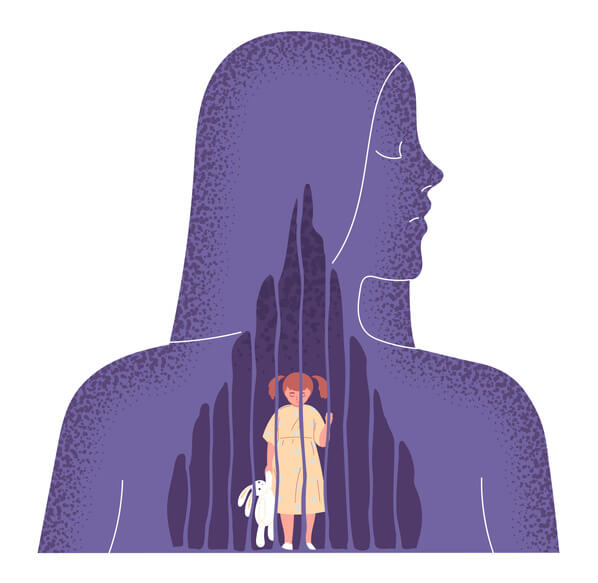
Limiting beliefs are self-sabotaging and untrue thoughts that a person believes to be true about themselves and their capabilities.

These beliefs limit a person’s potential and keep them from reaching their goals. Some examples of limiting beliefs include: “I’m not smart enough,” “I’m not talented enough,” “I can’t succeed,” “I’m not good enough,” “I’m not worthy,” and “I’m not capable.”

Limiting beliefs can be extremely damaging and can prevent a person from achieving their dreams.

These beliefs can be acquired through childhood trauma, negative experiences, or even society’s standards. For example, if a child fails a test, they may develop a limiting belief that they are “not smart” or “not capable” of succeeding in the future, even though this may not be true.

To overcome limiting beliefs, it’s important to recognize them and challenge them.

Acknowledge the thought, but don’t let it define you or hinder your progress.

Working on self-confidence, self-awareness, and self-acceptance can also be beneficial in overcoming limiting beliefs.

Ultimately, it’s important to recognize that we all have potential, and everyone deserves to be given the opportunity to succeed.

What does Holistic healing mean?

Holistic healing is an approach to health care that looks at the entire person—body, mind, spirit, and emotions—in the quest for optimal health and wellness.

Holistic healing considers the whole person, including all aspects of lifestyle.

It emphasizes the connection between the mind and body and strives to achieve balance and harmony of the mind, body, and spirit.

Holistic healing takes into account all aspects of the individual in determining treatment.

Rather than simply treating the symptoms of a disease, a holistic approach looks at the underlying cause. It attempts to address the physical, mental, emotional, and spiritual aspects of the person.

Holistic healing focuses on using natural remedies and treatments rather than relying on Western medicine. It uses a variety of therapies, such as massage, acupuncture, herbs, nutrition, movement, and energy work. Some therapies, such as homeopathy, may not be widely accepted by Western medicine, but many holistic practitioners believe that these modalities can be effective in treating a variety of illnesses and conditions.

The goal of holistic healing is to create balance in the body so that the body can heal itself. This can be achieved through lifestyle changes, such as a healthy diet, regular exercise, stress management, and spiritual practices. Holistic healing encourages a person to become more aware of their body and its needs, and to take responsibility for their own health and wellness.

What is healing energy healing?

healing hands, chakras and lotus

This is the first in a series on Energy Healing.

Healing energy is the power of positive energy which can be used to heal and help others. It is often used as a way to improve physical, mental, and spiritual health. Healing energy is a form of energy healing which is based on the belief that all living things have energy fields that can be harnessed to heal and promote wellness.

Energy healing includes many modalities. These modalities include spiritual healing, laying on hands, prayer, meditation, crystal energy work, reiki, crystal reiki, emotional freedom technique, yoga, plant-based healing (includes aroma therapy, essential oils and Herbal remedies), chakra work, and sound therapy (also known as sound bath) are the ones I am most familiar with. (This may not be a comprehensive list but does give a general idea of what is available. I will be going into more detail on each of the modalities in later posts.

Energy healing is not specific to any religion or spiritual belief. The modalities can be used by anyone.

Reiki is one of the most popular forms of healing energy. It is based on the belief that the practitioner can channel energy from the universe and transfer it to the recipient. Reiki is commonly used to address physical ailments such as chronic pain, improve emotional health, reduce stress, and promote spiritual growth.

Pranic healing is another form of healing energy. Pranic healing is based on the belief that the body has an energy field that can be manipulated to heal the body and mind. This form of healing focuses on the manipulation of the body’s energy fields to restore balance and wellbeing.

Crystal healing is a form of healing energy that uses crystals to absorb and direct energy. Crystals are believed to have healing properties and can be used to balance the body’s energy fields. Crystal healing is often used to promote physical and emotional healing as well as spiritual growth.

Sound healing is a form of healing energy that uses sound vibrations to restore balance and wellbeing. Sound healing works with the body’s energy fields to reduce stress, improve mental clarity, and promote healing.

These are just a few examples of healing energy. Each form of healing energy has its own unique benefits and can be used to improve physical, mental, and spiritual health.

Finding Calm in the Storm: The One-Minute Breath for Anxiety Relief

Life is full of moments that can leave us feeling anxious and overwhelmed. Whether it’s a public speaking engagement, a disagreement with a loved one, or simply the weight of daily stressors, these moments can take a toll on our well-being. However, there is a simple and effective technique that can help us find calm and clarity in just one minute—the one-minute breath. In this blog post, we will explore how this breath pattern can be a powerful tool in reducing anxiety and restoring inner peace.

Find Comfort in Your Space: To begin, find a comfortable place where you can relax and focus on your breath. It can be your favorite chair, a peaceful corner of your home, or even a spot outdoors that brings you tranquility. The key is to choose a space where you feel at ease and can fully concentrate on the practice.

The One-Minute Breath Technique: Set a timer for one minute, or choose a song you love that is approximately one minute in length. This will serve as a guide for the duration of your practice. Once you’re ready, follow this simple breathing technique:

Breathe in deeply through your nose for a count of five seconds. Feel the air filling your lungs and expanding your abdomen.

Hold your breath for a count of five seconds. Embrace the stillness and allow yourself to be present in this moment.

Exhale slowly and fully through your mouth for a count of five seconds. Release any tension or worries as you let go of your breath.

Practice and Repetition: Commit to practicing this one-minute breath pattern for at least one minute each day, or as often as needed. You can choose to extend the duration if you feel comfortable doing so. The key is to cultivate a regular practice that allows you to tap into the power of your breath and find solace amidst the chaos.

The Power of Music: To enhance your one-minute breath practice, consider playing a song you love that aligns with your desired state of calmness. As you listen to the music, synchronize your breath with the rhythm, allowing the melody to guide your inhalation, retention, and exhalation. This combination of breathwork and music can deepen your relaxation and create a soothing experience.

If you find yourself frequently experiencing anxiety or feeling overwhelmed, it’s beneficial to explore additional tools and resources. There are numerous items available that can assist in anxiety relief, such as calming essential oils, meditation apps, and stress-relief gadgets. Take the time to find what works best for you and incorporate these resources into your daily self-care routine.

One of my favorites is:

[wptrafficguard id=’20’]

Anxiety is a common part of life, but it doesn’t have to overpower us. By embracing the simplicity of the one-minute breath, we can find moments of tranquility, clarity, and renewed focus. Remember, it’s okay to take a step back, prioritize your well-being, and practice self-care. The one-minute breath is a valuable tool that can be easily integrated into your daily routine, empowering you to navigate life’s challenges with a calmer and more centered mindset. Embrace the power of your breath and find calm in the storm.

0
    0
    Your Cart
    Your cart is emptyReturn to Shop
    Verified by MonsterInsights