Recognizing and Removing Triggers

Mentor Self-Care

Everyone practices bad habits they would like to break. But before that can happen, you must first understand what triggers these habits.

If you don’t already know, a trigger is a stimulus that prompts a particular behavior or response. Triggers can be external, such as a specific location or time of day, or internal, such as a particular emotion or thought.

A bad habit is a negative or harmful behavior that you do mindlessly, such as procrastination, overeating, or smoking. However, you can turn your triggers into a positive action when you recognize them. With time and effort, you can make the trigger cause you to perform a good habit instead of a harmful one, using the very human nature that led to the bad habit in the first place.

Examples of Potential Triggers

Let’s look at a few examples of potential triggers:

  • A certain time of day – Maybe your habit is snacking on junk food late at night. The trigger, in this case, might be boredom or stress after a long day.
  • A specific location – Maybe you have a habit of procrastinating at home. The trigger, in this case, might be complicated but it can be anything from clutter to feeling overwhelmed and overworked.
  • A particular emotion – Maybe you have a habit of smoking when you’re feeling anxious or stressed. The trigger, in this case, is the emotion of anxiety or stress.

Bad Habits That Triggers May Lead To

Some bad habits that the triggers may lead to include:

  • Procrastination – Putting off responsibilities until the last minute.
  • Overeating – Consuming more food than is necessary or healthy.
  • Smoking – Using tobacco products, which can have negative effects on your health.
  • Biting your nails – A nervous habit that can damage your nails and skin.

Identifying Your Triggers

It’s not always easy to identify your triggers, but here are some useful techniques:

  • Keep a journal. Track your moods, thoughts, and physical symptoms when you experience a trigger.
  • Take note of any patterns in your behavior when you are triggered.
  • Speak to a therapist or counselor about your triggers.
  • Periodically assess how you respond to certain situations or environments.
  • Use mindfulness to identify and process your emotional reactions when you experience triggers.
  • Consider your past experiences for clues about what may trigger certain emotions.
  • Practice relaxation and stress management techniques to help you gain control over your reactions.

Try to participate in more activities that help you to become more self-aware. Focus on mindfulness, like meditation, yoga, and walking in nature as you contemplate your life and how far you’ve come toward your goals.

Turning the Trigger into Something Positive

Once you have identified the trigger, the next step is to turn it into a catalyst for performing a positive habit. If you can’t remove the trigger from your environment, replacing the bad habit with a healthy one is optimal.

For instance, if the trigger for your bad habit is a certain time of day, try setting a reminder to do something else at that time. For example, if you know that every day around 3 PM, you feel like snacking on unhealthy junk food, prepare a healthy snack to enjoy instead.

If the trigger is a specific location, try to avoid that location as much as possible, or somehow change your response. However, if you feel anxious every day at home, you’ll need to figure out why because you can’t change your location. Maybe you need to declutter your environment or fix something else at home. Perhaps you just need to go for a walk.

If the trigger is an emotion, try practicing stress-management techniques or find a healthy way to cope with your feelings. It’s okay to acknowledge feelings without reacting to them. Try writing in your journal or meditating. Most of all, instead of engaging in a bad habit, replace it with a healthy one. It just makes sense that if you’re trying to break the habit of overeating, for example, you should focus on keeping healthy snacks around, such as fruit or nuts, and find alternative activities to do instead of eating.

Related Articles

Breaking the Cycle of Bad Habits: Positive Alternatives

Mentor Self-Care

Bad habits often feel like a never-ending cycle that you just can’t seem to break free from. Whether it’s procrastination, overeating, or overspending, these behaviors interfere with your ability to live the life you were meant to live and achieve your goals.

Cycles of Bad Habits

One common cycle of bad habits is the tendency to turn to unhealthy coping mechanisms in times of stress or boredom.

For example, someone who struggles with anxiety may turn to overeating or substance abuse to cope with their feelings. Unfortunately, these behaviors only provide temporary relief and ultimately worsen the problem in the long run.

Another cycle of bad habits is the tendency to prioritize short-term pleasure over long-term wellbeing.

For example, someone who frequently skips workouts or consumes unhealthy foods may do so because it provides immediate satisfaction or another payoff. However, doing this is very likely to have negative consequences on their physical and mental health in the long run.

Breaking the Cycle of Bad Habits

Breaking the cycle of bad habits requires a concerted effort to identify and address the underlying causes of these behaviors.

It may involve seeking support from a therapist or counselor to help you figure out healthy coping mechanisms based on your particular problems and setting clear goals and boundaries for yourself.

To break the cycle of bad habits, you need to replace them with positive alternatives. Once you identify the bad habit, you’ll need to determine which alternative activities or behaviors will fulfill your true needs and desires, so you stop relying on unhealthy coping mechanisms or short-term pleasure.

For example:

  • Overeating – Instead of overeating when feeling stressed, you can try going for a fast walk or engaging in relaxing activities like meditation or yoga in place of the former bad habit.
  • Procrastination – Instead of procrastinating on tasks, try setting clear goals and deadlines, while breaking larger tasks into smaller, more manageable chunks to prevent overwhelm in the first place.
  • Smoking – Instead of smoking cigarettes, try using nicotine gum or patches to wean yourself off nicotine gradually. You can also try activities that help you relax, like exercise or meditation, to help manage cravings.
  • Drinking too much alcohol – Instead of relying on alcohol to cope with stress or to have fun, try going for a walk, taking a hot bath, or engaging in a hobby. You can also try finding healthy ways to manage stress, such as exercise, therapy, or relaxation techniques.
  • Biting your nails – Instead of biting your nails, keep your nails trimmed and filed. In addition, try applying bitter-tasting nail polish to your nails to discourage biting. You can also try using a stress ball or other activity that requires using your hands to interrupt the urge to bite your nails.
  • Skipping meals – Instead of skipping meals, plan out your meals and snacks in advance by including tasty and healthy options that will keep you satisfied. You can also try setting reminders to eat, and eat at regular intervals throughout the day to help regulate your appetite and prevent overeating.

Replacing bad habits with positive alternatives requires effort and self-reflection, but the benefits are significant. Not only will these positive habits improve your physical and mental health, but they will also increase your sense of accomplishment and overall satisfaction with life.

Ultimately, breaking the cycle of bad habits is about taking control of your life and accepting that only you choose your actions. Remember to prioritize your wellbeing as you devise replacement habits to break the cycle of bad habits. When you replace unhealthy behaviors with positive alternatives, you will live the life you were meant to live and achieve your full potential.

Related Articles

5 Tips to Make It Easier to Ask for What You Want

Mentor Self-Care

Asking for what you want may feel uncomfortable and awkward, which may mean you try to avoid it no matter how badly you want help. Practice will give you the experience and confidence to take bolder steps and be more assertive with your asks. Before you start shooting for the moon asking for what you want, consider these 5 tips.

  1. Know yourself. Knowing yourself is a form of confidence. Knowing who you are, what makes you tick, what your strengths and your weaknesses are gives you a firm foundation to know where you are coming from with your ask. The more you know about yourself, and the more self-aware you are about your limitations, the better you can be at interpersonal relationships. Striving to be whole and healthy reduces our negative traits – like arrogance, aggression, and playing the victim. People who know themselves well are decisive and self-assured. They ask for help when they need it and are less likely to be unnecessarily needy or over-reliant. This increases the likelihood they will get what they want and need.
  2. Be consistent. Be consistent with your expectations. Those in relationships with you will be able to better predict your behavior and may be more able to help out without being asked. If you consistently ask for help unloading the car full of groceries – and show cheerful gratitude for their help – before long, the family will start meeting you at the car when you pull in.
  3. Value opinions. People value us for what we value. If you want your opinions and desires to matter, be aware of the opinions and desires of others. Be inclusive, communal, and concerned about the needs of those around you – but not at the expense of your own. If your children witness you valuing what they ask of you and you present a model how to ask and to be asked, you are setting an excellent example for them as they grow.
  4. Be unattached to the outcome. When asking a question, no must be an acceptable answer. Otherwise, it isn’t a question – it’s a command. Be comfortable with hearing the word “no” and moving on. Asking for help and not ending up receiving it can be a bummer, but it is also an important part of reality. Sometimes people can’t help. Sometimes they won’t. Being able to regroup, move on, and either ask someone else or find a different solution is the key. Don’t let yourself be crushed and turn a rejection into personal pain.
  5. Practice. Practice asking. Try small, safe asks, and work up to big, bold asks whenever you can. This is like learning a new language. Asking has its own way about it, and over time you will get the hang of it.

These tips will ensure you have the foundation and the mindset you need to ask for what you want and build wonderful relationships. You’ll be living a life where asking and being asked go hand in hand.

Related Articles:

Start Small And Work Your Way Up To Asking For Bigger Things

Mentor Self-Care

If you’ve lived your life unable, or unwilling, to ask for what you want or need, it can feel like speaking a foreign language. Your tongue can’t seem to form the words “Would you, could you, will you”? Let alone, “I’ll have, I’d like, I’ll take…” It’s going to take some practice to get you ready to ask for bigger things.

Here’s some ways to start small and work your way up to asking for bigger things:

Small Asks

Pick a restaurant. When someone asks, “Where should we eat?” be ready with your answer. Pick your favorite place and get ready for Taco Tuesday or French Fry Friday!

Pick a movie. Hate horror flicks and love a great rom-com? The next time you go to a movie, ask to see the movie you want to see – and grab some popcorn with extra butter.

Delegate one chore. Passing on responsibility can be hard for many reasons, but getting the help you need is more important than any reason you may have for hesitating. Delegate to someone else one chore that you can let go of that will make a positive impact for you.

Medium Asks

Ask a friend for help. Admitting to a friend that we could use some help can feel vulnerable. A good-sized medium ask includes exposing a need to a friend and getting their support. Need help tackling an out of control closet? Ask a friend who loves to organize for their help getting your space in order. You might be pleasantly surprised to learn they want to help.

Outsource help at home. Many of the places we feel overwhelmed and in need of help are tied to our home. From lawns to mow, to weeds to pull, to ceiling fan blades to clean, we just can’t seem to get ahead. Outsourcing some tasks at home can free up time and energy better used in other places. Have an important conversation with your spouse about rearranging your budget to get the help you need.

Share a secret desire with your spouse. This may feel like a big ask, but it really is a medium-sized ask. Approach your spouse with a long-held wish for your relationship that will make it stronger and happier. Consider what you’d love to be, do, or have in your relationship and ask your spouse to come on board with your plan. When they see the benefits they get from your happiness, they will be glad to help out.

Big Asks

Ask for support from your boss. Admitting that you need help at work might feel like a suicide mission, but it needn’t be the end of the world. Oftentimes, employers want to know when a system isn’t working or there is a way to increase production and desired outcomes. The key to this big ask is already having a solution in mind when you approach the boss. Come to them with a solution to a problem and the answer is usually Y.E.S.

Ask for the job. Do you keep waiting to be noticed? Are you putting in effort hoping that the right person will take action and hire you? Fortune favors the bold is a common translation of a Latin proverb. If you want the customer, the contract, or the job – ask for it.

Renegotiate a contract. Contracts are meant to be binding, but sometimes there are windows of opportunity to make changes. If you are unhappy with a service or a contract, don’t passively suffer. Be bold and ask for change. The worst that can happen is that nothing changes. The best thing that can happen is renewed confidence and a new, more beneficial contract.

Learning a new language takes time and practice. It’s the same for learning new behaviors. Developing the confidence to ask for what you want is easier if you take it in small steps, building on one another. Start with small asks and gather momentum as you reach higher and receive more.

Related Articles:

Discover the Transformative Power of Journaling

Must-Listen Episode on Rising Radiance: Awakening Your Authentic Self

Are you seeking a path to self-discovery, emotional healing, and creativity? Look no further! We invite you to join us on a captivating journey into the world of journaling, as host Kim shares the profound impact this practice can have on our lives. Welcome to another enlightening episode of Rising Radiance: Awakening Your Authentic Self.

The Magic of Journaling

Journaling is more than just putting words on paper; it’s a transformative practice that allows us to delve into the depths of our souls. Host Kim beautifully guides us through this sacred process, where we can express our thoughts, dreams, and fears without judgment. Through heartfelt conversations with our inner selves, we begin to unlock the magic of self-awareness and self-compassion.

The Therapeutic Benefits

As we listen to Kim, we discover the therapeutic benefits of journaling. From reducing stress and anxiety to aiding emotional healing, this simple yet powerful tool becomes a guiding light through life’s challenges. In times of uncertainty, journaling becomes a lifeline that helps us navigate and find clarity amidst the chaos.

Igniting Creativity

The episode also explores how journaling sparks the flames of creativity. Kim shares insights into how this practice can unleash our imagination, enabling us to tap into our creative reservoir and breathe life into our dreams and ideas. Whether you’re an aspiring writer, artist, or simply seeking to add a touch of creativity to your life, journaling will be your trusted ally.

Manifesting Goals and Aspirations

Are you looking to set meaningful goals and turn them into reality? Kim explains how journaling can be the compass that guides us towards our desired destinations. By putting our aspirations on paper and breaking them into actionable steps, we reclaim the power to shape our destinies and walk confidently towards our dreams.

Embracing Authenticity

Beyond its transformative impact on our emotional and creative spheres, journaling becomes an essential key to unlocking the doors of self-discovery. With Kim’s guidance, we learn how consistent journaling reveals patterns in our thoughts and behavior, guiding us towards embracing our authentic selves. The process is liberating and empowers us to live life with greater authenticity and vulnerability.

Embrace the Journey of Self-Discovery

If you’re ready to embark on a journey of self-discovery, emotional healing, and creativity, this is an episode you don’t want to miss. Tune in to Rising Radiance: Awakening Your Authentic Self, and let Kim be your guide as we awaken our true selves through the art of journaling.

Join the Radiant Community

We welcome you to join the vibrant community of Rising Radiance, where we believe in supporting one another on our paths to authenticity and self-discovery. Subscribe to our podcast, leave a review, and share it with your loved ones who are also seeking to unleash their inner radiance.

Disclaimer

Remember, the content of this podcast is for informational purposes only and should not be considered as professional advice. If you have specific concerns, always consult a qualified professional.

Embrace the transformative power of journaling and let your inner radiance shine brighter than ever before! Tune in to Rising Radiance: Awakening Your Authentic Self and embark on a journey of self-discovery, creativity, and emotional healing.

Good Things Happen When You Start To Ask For What You Want

There is power in asking for what you want. It forces you to know yourself, what you prefer, and what you need. This clarity makes it possible to have a life filled with things you like, and the support that makes life easier and fun.

The result of asking for what you want is a ripple effect of good things that begin to materialize in your life. A satisfaction builds from living a fulfilled life by being direct and articulate about your needs.

People who don’t ask for what they want struggle with three things consistently:

Feeling unsupported. People who don’t ask for what they want feel unsupported by those closest to them at home and at work. They feel like they are always giving and compromising, while never having what they want. This is true – because no one knows what they want.

Being a martyr. This characteristic is found in people who will grudgingly support others’ decisions while sacrificing their own personal desires. This is a psychological complex – based on repeating patterns that places oneself in a victim role. People can sense your underlying anger and resentment, and will naturally avoid being in relationship with someone who acts like this.

Being passive aggressive. Without the ability to ask for what they want, people can resort to silently aggressive or sabotaging behavior to leak out their frustrations without a face-to-face confrontation. This behavior perpetuates the anger they feel and can cause rifts in relationships.

Being able to ask for what you want removes these struggles and makes it possible to have higher quality relationships and personal satisfaction.

People who ask for what they want experience these three good things:

Feeling valued. People who ask for what they want will generally receive it: from going to their favorite restaurant on date night to watching the blockbuster movie they’ve been waiting to watch. By asking for their heart’s desire, they usually find that it can happen. Feeling valued comes from being able to have your needs and wants routinely met.

Being respected. People who are direct, who know what they want, and ask for it in polite ways are respected. They are viewed as trustworthy and safe to be in relationship with. They are seen as highly confident leaders.

Being confident. The knowledge that you are valued and respected builds on itself and causes your confidence to bloom. Being a well-functioning person is attractive and rewarding. People enjoy being in relationship with confident people, and they tend to have more rewarding life experiences while not letting petty things get in their way.

Of course, the material things that come from asking for what you want are nice – but the bigger prize is the experience of being in healthy relationships that are rewarding and respectful. Living your life with a sense of value and reciprocity is never a bad thing.

Related Articles:

Self-Assessment: Match Your Ideal Organization Solutions to Your Personality

Mentor Self-Care

What does the state of your desk and overall office say about your personality or the day-to-day business tasks you’re trying to complete? Are you trying to make an organization system work to no avail?

Answer these questions to match up your personality with your ideal organization solution to keep your office and your desk clutter-free and sparkling clean.

1. Do you prefer a clean, orderly desk and office area?

  • Yes, otherwise I get distracted with non-work things.
  • Not sure; I never really thought about it before.
  • No, I know where everything is, so clutter doesn’t bother me.

2. Does clutter make you feel claustrophobic?

  • Yes! I feel like I can’t breathe in a messy room.
  • Sometimes, usually when I’m looking for something I need, and it’s buried under stacks of paper.
  • No. Never.

3. Are you afraid that you’ll lose things or never see them again if you put them away?

  • No, I’m a big believer in finding a place for everything.
  • Sometimes, especially if I’m just throwing random stuff in a drawer or cabinet.
  • Yes! I can’t explain why, I just feel like I’ll have to tear the house apart again to find what I need, and I’ll end up with a bigger mess.

4. How would you describe those items cluttering your desk or office space?

  • The important things I need to run my business.
  • I have many piles of business-related things, but I know where everything is.
  • I’m not sure; I have a mish mash of items for business and for my personal life.

5. Have you ever tried hiring a professional organizer to streamline your organizational systems?

  • Yes, and it was a lifesaver!
  • No but I’m about ready to give it a try.
  • What’s a professional organizer?

6. Have you ever considered hiring a personal assistant to clean out your office?

  • Yes, but can I hire her just for that project?
  • You can do that?
  • No, it seems like a waste of money.

7. Do you believe that the look of a clean desk and office is important?

  • Yes, it’s important for my business image.
  • Not really. If I can run my business, I don’t care what my desk looks like.
  • No. I have more important things on my mind than having a clean desk.

8. How would YOU assess your current organizing style?

  • I’m a minimalist. I prefer everything in its place and only the necessities within easy reach.
  • I’m a stacker. I don’t need fussy organizing tools; I know where everything is in my office even if it looks messy to an outsider.
  • I’m a saver. I can’t throw anything away for fear that I may need it one day.

9. Do you put things away immediately or leave them around?

  • I always put things away when I’m done with them.
  • It depends on what the item is. If it’s a tool, I’ll wait until the whole project is complete.
  • No, I leave things around. I usually get distracted with something else before I clean up.

10. Do you feel your office clutter (or lack thereof) contributes to your productivity level?

  • Yes, my clean desk prepares me to focus just on work tasks and I can get started right away.
  • Possibly, I never thought about that correlation before.
  • No, that sounds ridiculous that clutter would affect my job performance.

Take a look at your answers; do you notice any patterns?

In general, if you’re a Minimalist who likes everything in its place and is bothered by clutter, then you have a vast array of organizing tools to choose from for your desk and office space.

If you’re a Saver but you know where everything is, you may prefer a more customized organization method. Some Savers use their piles as visual reminders, so choosing to use binders instead of hidden filing systems may be a better choice.

If you’re a No Rules type of person who isn’t bothered in the least by clutter, you may prefer to delegate this cleaning and organization to a professional who can take the task and run with it. Those who are constantly on the run and don’t have time in their own schedules will also benefit from delegating this task.

Professional organizers can help any personality type but the key to success is being honest about your preferences and hiring an organizer who will truly take your preferences to heart instead of implanting a one-size-fits-all solution.

Understanding the Distinction: Meditation vs. Mindfulness – Unraveling the Paths to Inner Peace

In today’s fast-paced and hectic world, many people are turning to ancient practices like meditation and mindfulness to find solace and inner peace. While these terms are often used interchangeably, they represent distinct practices with unique characteristics. In this blog post, we will delve into the differences between meditation and mindfulness, exploring their definitions, techniques, and benefits. By understanding these practices better, you can choose the approach that resonates most with you and embark on a transformative journey towards improved well-being.

Meditation: Cultivating Deep Serenity

Meditation is a time-honored practice that has been embraced across various cultures and spiritual traditions for thousands of years. Its primary objective is to train the mind, enabling individuals to attain a state of profound calmness and relaxation. Through focused attention, meditation aims to quiet the incessant stream of thoughts that typically occupy our minds. This can be achieved by concentrating on a specific object, such as the breath, a mantra, or a visual image. The ultimate goal is to unlock inner peace, enhance mental clarity, and heighten self-awareness. Meditation encompasses different forms, including mindfulness meditation, loving-kindness meditation, and transcendental meditation, each offering its unique approach to achieving tranquility.

Mindfulness: Embracing Present-Moment Awareness

Mindfulness, on the other hand, represents a quality of awareness and a state of being fully present in the current moment. It involves paying deliberate attention to one’s thoughts, emotions, physical sensations, and the surrounding environment, without judgment or attachment. While mindfulness is often cultivated through meditation, it extends beyond formal practice and can be integrated into various daily activities. Whether it’s savoring a meal, walking in nature, or engaging in conversation, mindfulness allows individuals to embrace a non-reactive and accepting mindset, enabling them to observe experiences without getting entangled in them. By developing a heightened sense of self-awareness, mindfulness becomes a powerful tool for stress reduction and personal growth.

Conclusion:

In summary, meditation and mindfulness are interconnected yet distinct practices. Meditation serves as a broader term encompassing various techniques aimed at achieving mental stillness and tranquility. On the other hand, mindfulness represents a state of being fully present and engaged in the present moment, fostering a non-judgmental awareness of one’s experiences. While meditation can be viewed as a formal practice, mindfulness permeates every aspect of life. Both practices offer an array of benefits for mental and emotional well-being, including stress reduction, enhanced self-awareness, and an increased sense of inner peace.

By recognizing the differences between meditation and mindfulness, you can choose the approach that resonates most with your personal journey. Whether you decide to delve deep into meditation or embrace the mindfulness of everyday life, both paths hold the potential to bring profound positive changes to your well-being. Embark on this transformative exploration, and may you find the peace and clarity you seek.

Celebrating Midsummer: Embracing the Radiant Energy of the Summer Solstice

Mentor

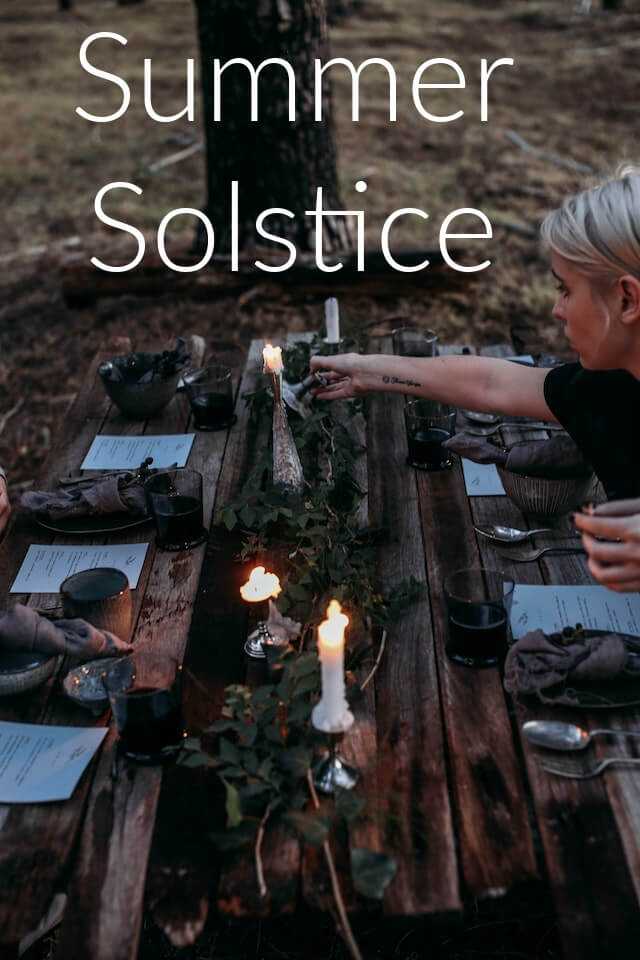
Introduction: As the sun reaches its highest point in the sky and the warm rays bathe the Earth in golden brilliance, we find ourselves at the enchanting moment of Midsummer, also known as Litha or the Summer Solstice. This sacred time of the year is steeped in ancient traditions and folklore, marking the longest day and the shortest night. In 2023, as we gather to celebrate this celestial event, let us explore the significance of Midsummer and how we can embrace the radiant energy it brings forth.

  1. The Celestial Dance: The Summer Solstice holds great astronomical significance, marking the day when the Earth’s axial tilt leans closest to the sun. This results in the longest day and the shortest night of the year in the Northern Hemisphere. It is a time when the sun appears to pause, inviting us to reflect on the eternal dance between light and darkness, and the delicate balance of nature.
  2. Ancient Roots and Cultural Traditions: Midsummer has been celebrated by various cultures throughout history, each infusing the day with their unique customs and rituals. From the joyous maypole dances and bonfires of Scandinavia to the mesmerizing Stonehenge gatherings in England, these traditions pay homage to the sun’s power and the bountiful gifts of the earth. As we honor the wisdom of our ancestors, we can also create our own traditions that resonate with our individual spirituality and connection to nature.
  3. Communing with Nature: One of the most beautiful aspects of Midsummer is its close association with nature. The vibrant landscapes, abundant flora, and the symphony of birdsong all beckon us to immerse ourselves in the great outdoors. Whether it’s a serene walk in the woods, a picnic in a sun-kissed meadow, or a dip in a refreshing lake, this is the perfect time to embrace the healing power of nature and reconnect with the Earth’s rhythms.
  4. Embracing the Light Within: Midsummer is not only a celebration of the external sun but also an invitation to kindle the light within ourselves. Just as the sun’s energy nourishes the Earth, this is a time for personal growth and renewal. Set intentions for the months ahead, reflecting on your aspirations, and harnessing the sun’s energy to fuel your journey. Take time for self-reflection, meditate, and express gratitude for the blessings in your life.
  5. A Time for Joy and Community: Midsummer is a season of joy, abundance, and community. It is an opportune moment to gather with loved ones, friends, and kindred spirits to celebrate the interconnectedness of all beings. Host a garden party, organize a bonfire gathering, or participate in a local Midsummer festival. Share stories, laughter, and delectable seasonal treats, fostering a sense of togetherness and creating lasting memories.

Conclusion: As we rejoice in the luminous warmth of the Summer Solstice and celebrate Midsummer 2023, let us immerse ourselves in the magic of this auspicious time. Draw inspiration from ancient traditions, embrace the natural world around us, and ignite the light within our hearts. In doing so, we align ourselves with the harmonious rhythms of the universe and embrace the infinite possibilities that lie ahead. May this Midsummer bring you an abundance of joy, love, and radiant energy.

Opting for Nutritious Snacks

Mentor

Incorporating nourishing snacks into your diet is essential for maintaining a healthy lifestyle. By making wise choices when it comes to snacking, you can support your overall well-being and energy levels throughout the day. Here are some tips and ideas to help you indulge in healthy snacking while savoring delicious flavors.

  1. Embrace Fresh Fruits and Vegetables: Instead of reaching for processed snacks high in added sugars and unhealthy fats, opt for fresh fruits and vegetables. These natural, nutrient-packed options provide an abundance of vitamins, minerals, and dietary fiber. Satisfy your sweet tooth with juicy berries, refreshing watermelon, or crunchy apple slices. As for veggies, crisp carrot sticks, colorful bell pepper strips, or crisp celery are all excellent choices.
  2. Wholesome Grains and Seeds: Snacks containing whole grains and seeds can be a great source of energy and important nutrients. Consider incorporating whole grain crackers or rice cakes into your snacking routine. Pair them with a dollop of hummus or a spread of nut butter for added flavor and satiety. Additionally, include seeds such as chia, flax, or pumpkin seeds in your trail mixes or sprinkle them over yogurt for a delightful crunch.
  3. Protein-Packed Options: Protein is an essential macronutrient that helps keep you feeling full and satisfied. Opt for protein-rich snacks like Greek yogurt, cottage cheese, or hard-boiled eggs. These choices provide a significant protein boost and can help maintain muscle mass and promote healthy bodily functions.
  4. Nuts and Nut Butters: Incorporating nuts and nut butters into your snacking routine can provide a healthy dose of essential fats and nutrients. Almonds, walnuts, and cashews are excellent choices due to their high content of heart-healthy fats. Spread a tablespoon of almond or peanut butter onto whole grain bread or enjoy a handful of mixed nuts for a filling and nutritious snack.
  5. Hydration is Key: Sometimes, our bodies mistake thirst for hunger. Stay adequately hydrated by drinking plenty of water throughout the day. When snacking, consider incorporating hydrating options like cucumber slices, watermelon cubes, or herbal teas. These choices not only quench your thirst but also offer additional nutrients and a refreshing taste.
  6. Mindful Snacking: Snacking mindfully involves being fully present and aware of your eating habits. Slow down and savor each bite, paying attention to the flavors, textures, and aromas of your snacks. By practicing mindful snacking, you can foster a healthier relationship with food and prevent overeating.

By incorporating these tips and ideas into your daily routine, you can enjoy healthy snacking that nourishes your body and supports your well-being. Remember, making small, sustainable changes to your diet can have a significant impact on your overall health.

0
    0
    Your Cart
    Your cart is emptyReturn to Shop
    Verified by MonsterInsights