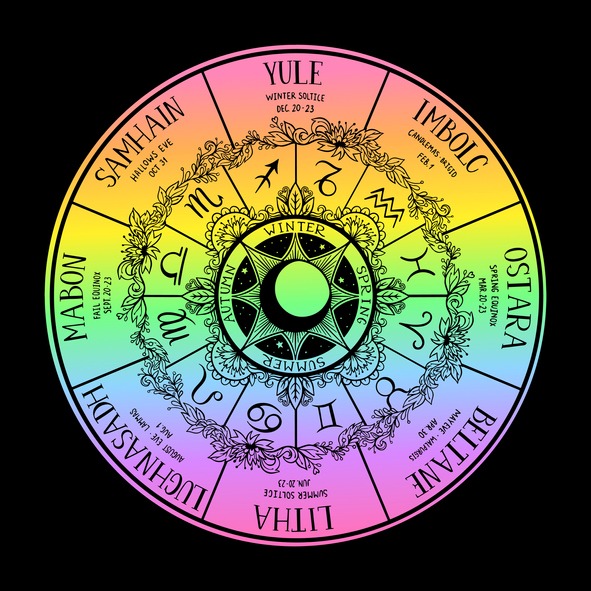
First Step Towards Authenticity and Fulfillment

This is the first installment in a series of posts on the journey to discovering our authentic selves. While I can’t predict the exact number of posts needed, I’m committed to crafting a process that I hope will aid everyone on their individual journeys.

We’re all on a journey to our authentic selves, whether we realize it or not.  This is a lifelong journey that we can take either unconsciously or consciously.

The unconscious path can often feel chaotic, overwhelming, and ultimately lead to confusion or dissatisfaction. Without conscious awareness or guidance, individuals may face numerous challenges and obstacles that are difficult to navigate.

On the other hand, a conscious path involves deliberate and intentional steps towards self-awareness, self-reflection, and personal growth. Unlike the unconscious route, which can be tumultuous, the conscious path is marked by clarity, purpose, and mindfulness.

The conscious path to authenticity is empowering and liberating. It enables us to embrace our uniqueness, express ourselves authentically, and live in alignment with our deepest truths. By committing to this journey with intention and mindfulness, we can cultivate profound fulfillment, meaning, and inner peace in our lives.

Throughout this journey, we actively engage in practices and activities that foster self-discovery and alignment with our true essence. This may include meditation, journaling, therapy, self-inquiry, and seeking guidance from mentors or coaches.

As we deepen our understanding of ourselves, we gain clarity about our passions, desires, and life’s purpose. We can than make conscious choices aligned with our true values and aspirations, rather than being dictated by external influences or unconscious patterns.

I firmly believe that the first step on the conscious path to authenticity is to discover who we are in the present moment. We need to understand ourselves before we can embark on the journey towards being our authentic self.

One of the simplest ways to begin this process of self-discovery is through journaling. Journaling is a deeply personal practice with no set rules. Personally, I use three journals: a dream journal, a nighttime dump journal, and an everything-else journal.

The dream journal is where I record my dreams, look up their meanings, and interpret what they may indicate about my subconscious.

The nighttime dump journal is utilized when I have trouble sleeping due to negative thoughts and emotions. Writing them down helps clear my mind and allows me to rest peacefully. Unlike the other journals, I don’t revisit this one. Once the thoughts are out, I prefer to leave them behind.

The everything-else journal is where I jot down daily thoughts, emotions, events, meditations, memorable quotes, and anything else that comes to mind. This is the journal I review the most, as it helps me track my growth and identify my limiting beliefs.

There’s no one-size-fits-all approach to journaling. The process is as unique as we are. I provide journaling prompts on the website and a journaling freebie to help you get started on your journey of self-discovery.

When I am writing in my everything journaling, I find that there is certain information I include on each entry. They are:

Date and Time: This helps track your progress and provides context for your reflections.

Location:  Home, Office, Daughters’ house, hotel in city/State/Country

Emotions and Mood: Describe your current emotional state and mood. Are you feeling happy, sad, anxious, or excited? This helps you become more aware of your emotions and how they impact your thoughts and actions.

At the start of the day, I like to include

Goals and Intentions: Set intentions or goals for the day or the future. What do you hope to accomplish or focus on? Writing down your goals helps clarify your priorities and holds you accountable.

Gratitude: Take a moment to express gratitude for the things you appreciate in your life. This could be people, experiences, opportunities, or even small moments of joy.

I know that these two items can set the whole mood for the day.

There is some information that is important to me but may not be in each entry:

Events and Activities: Write about significant events or activities that occurred during the day. This could include interactions with others, experiences, challenges, or achievements.

Thoughts and Reflections: Reflect on your thoughts, beliefs, and perceptions. What are you thinking about? Are there any recurring patterns or themes? Write down any insights or realizations you have about yourself or the world around you.

Challenges and Solutions: Identify any challenges or obstacles you’re facing and brainstorm potential solutions or strategies to overcome them. Writing about challenges can help you gain perspective and find ways to address them constructively.

Self-Care Practices: Record any self-care activities or practices you engaged in during the day. This could include exercise, meditation, hobbies, or spending time with loved ones. Reflect on how these activities make you feel and their impact on your well-being.

Quotes or Inspiration: Include any quotes, affirmations, or inspiration that resonates with you. These can serve as reminders of your values, beliefs, or goals.

Future Reflection: Consider ending your journal entry with a question or prompt for future reflection. This encourages you to continue exploring the topic in subsequent entries and fosters ongoing self-awareness and growth.

There are times when I really don’t know what to write. If there is something stuck in my brain, I will often seek prompts to help me organize my thoughts. There are prompts list on the Journaling page that may help. I also update these prompts regularly.

The process I am describing in these posts is my process. Not all steps will be right for everyone. Feel free to incorporate the steps that are right for you an ignore the rest,
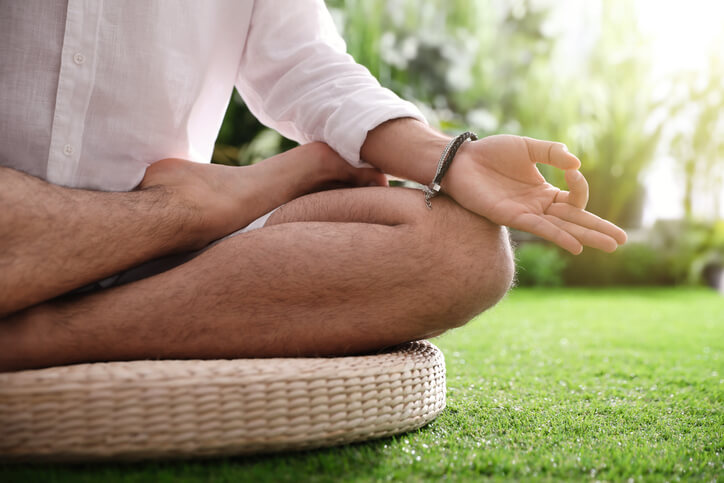

Understanding the Distinction: Meditation vs. Mindfulness – Unraveling the Paths to Inner Peace

In today’s fast-paced and hectic world, many people are turning to ancient practices like meditation and mindfulness to find solace and inner peace. While these terms are often used interchangeably, they represent distinct practices with unique characteristics. In this blog post, we will delve into the differences between meditation and mindfulness, exploring their definitions, techniques, and benefits. By understanding these practices better, you can choose the approach that resonates most with you and embark on a transformative journey towards improved well-being.

Meditation: Cultivating Deep Serenity

Meditation is a time-honored practice that has been embraced across various cultures and spiritual traditions for thousands of years. Its primary objective is to train the mind, enabling individuals to attain a state of profound calmness and relaxation. Through focused attention, meditation aims to quiet the incessant stream of thoughts that typically occupy our minds. This can be achieved by concentrating on a specific object, such as the breath, a mantra, or a visual image. The ultimate goal is to unlock inner peace, enhance mental clarity, and heighten self-awareness. Meditation encompasses different forms, including mindfulness meditation, loving-kindness meditation, and transcendental meditation, each offering its unique approach to achieving tranquility.

Mindfulness: Embracing Present-Moment Awareness

Mindfulness, on the other hand, represents a quality of awareness and a state of being fully present in the current moment. It involves paying deliberate attention to one’s thoughts, emotions, physical sensations, and the surrounding environment, without judgment or attachment. While mindfulness is often cultivated through meditation, it extends beyond formal practice and can be integrated into various daily activities. Whether it’s savoring a meal, walking in nature, or engaging in conversation, mindfulness allows individuals to embrace a non-reactive and accepting mindset, enabling them to observe experiences without getting entangled in them. By developing a heightened sense of self-awareness, mindfulness becomes a powerful tool for stress reduction and personal growth.

Conclusion:

In summary, meditation and mindfulness are interconnected yet distinct practices. Meditation serves as a broader term encompassing various techniques aimed at achieving mental stillness and tranquility. On the other hand, mindfulness represents a state of being fully present and engaged in the present moment, fostering a non-judgmental awareness of one’s experiences. While meditation can be viewed as a formal practice, mindfulness permeates every aspect of life. Both practices offer an array of benefits for mental and emotional well-being, including stress reduction, enhanced self-awareness, and an increased sense of inner peace.

By recognizing the differences between meditation and mindfulness, you can choose the approach that resonates most with your personal journey. Whether you decide to delve deep into meditation or embrace the mindfulness of everyday life, both paths hold the potential to bring profound positive changes to your well-being. Embark on this transformative exploration, and may you find the peace and clarity you seek.

Exploring the Inner Journey: An Introduction to Spirituality

In a world often overshadowed by concrete jungles and fast-paced living, many of us yearn for a deeper connection with nature and a sense of spirituality that resonates with the rhythms of the Earth. If you find yourself drawn to the whispers of the wind, the dance of the seasons, and the mysteries that lie within the natural world, then our course, “Rooted in Nature: An Introduction to Earth-Based Spirituality,” is tailor-made for you.

At its core, Earth-based spirituality embraces the belief that the Earth is a living, conscious entity deserving of our respect, reverence, and care. It acknowledges that the natural world is a source of wisdom, inspiration, and spiritual guidance, offering profound lessons and insights if we open our hearts and minds to them. This course aims to introduce you to the fundamental principles, practices, and philosophies of Earth-based spirituality, providing a solid foundation for your personal exploration and growth.

Throughout this transformative journey, you will delve into ancient wisdom traditions, indigenous cultures, and contemporary earth-centric practices. Drawing from diverse sources, including shamanism, paganism, and eco-spirituality, you will discover the common threads that weave these traditions together, highlighting the universal human connection to the Earth and its intricate web of life.

Our experienced instructors will guide you through a wide range of topics, including connecting with the elements, understanding the cycles of nature, exploring sacred landscapes, working with plant medicine, and honoring ancestral wisdom. You will learn practical rituals, ceremonies, and meditation techniques that can help you deepen your connection with the natural world, while also fostering personal growth, healing, and self-discovery.

In addition to the theoretical aspects, this course offers ample opportunities for experiential learning. You will embark on guided nature walks, engage in hands-on activities, and participate in group discussions that encourage open dialogue and the sharing of personal experiences. These immersive experiences will allow you to forge a profound relationship with the Earth, expanding your awareness and opening doors to the transformative power of the natural world.

By the end of the course, you will have gained a deeper understanding of Earth-based spirituality and its practical application in your daily life. You will have cultivated a heightened sense of reverence and gratitude for the Earth and its interconnected web of life. Armed with this knowledge and experience, you will be empowered to live in harmony with nature, making conscious choices that support the well-being of our planet and all its inhabitants.

If you are ready to embark on a transformative journey into the heart of Earth-based spirituality, “Rooted in Nature: An Introduction to Earth-Based Spirituality“. Discover the profound wisdom, healing, and connection that can be found when we open ourselves to the teachings of the natural world. Embrace the sacredness of the Earth and let it guide you towards a more fulfilling and harmonious existence.

What does Holistic healing mean?

Holistic healing is an approach to health care that looks at the entire person—body, mind, spirit, and emotions—in the quest for optimal health and wellness.

Holistic healing considers the whole person, including all aspects of lifestyle.

It emphasizes the connection between the mind and body and strives to achieve balance and harmony of the mind, body, and spirit.

Holistic healing takes into account all aspects of the individual in determining treatment.

Rather than simply treating the symptoms of a disease, a holistic approach looks at the underlying cause. It attempts to address the physical, mental, emotional, and spiritual aspects of the person.

Holistic healing focuses on using natural remedies and treatments rather than relying on Western medicine. It uses a variety of therapies, such as massage, acupuncture, herbs, nutrition, movement, and energy work. Some therapies, such as homeopathy, may not be widely accepted by Western medicine, but many holistic practitioners believe that these modalities can be effective in treating a variety of illnesses and conditions.

The goal of holistic healing is to create balance in the body so that the body can heal itself. This can be achieved through lifestyle changes, such as a healthy diet, regular exercise, stress management, and spiritual practices. Holistic healing encourages a person to become more aware of their body and its needs, and to take responsibility for their own health and wellness.

0
    0
    Your Cart
    Your cart is emptyReturn to Shop
    Verified by MonsterInsights