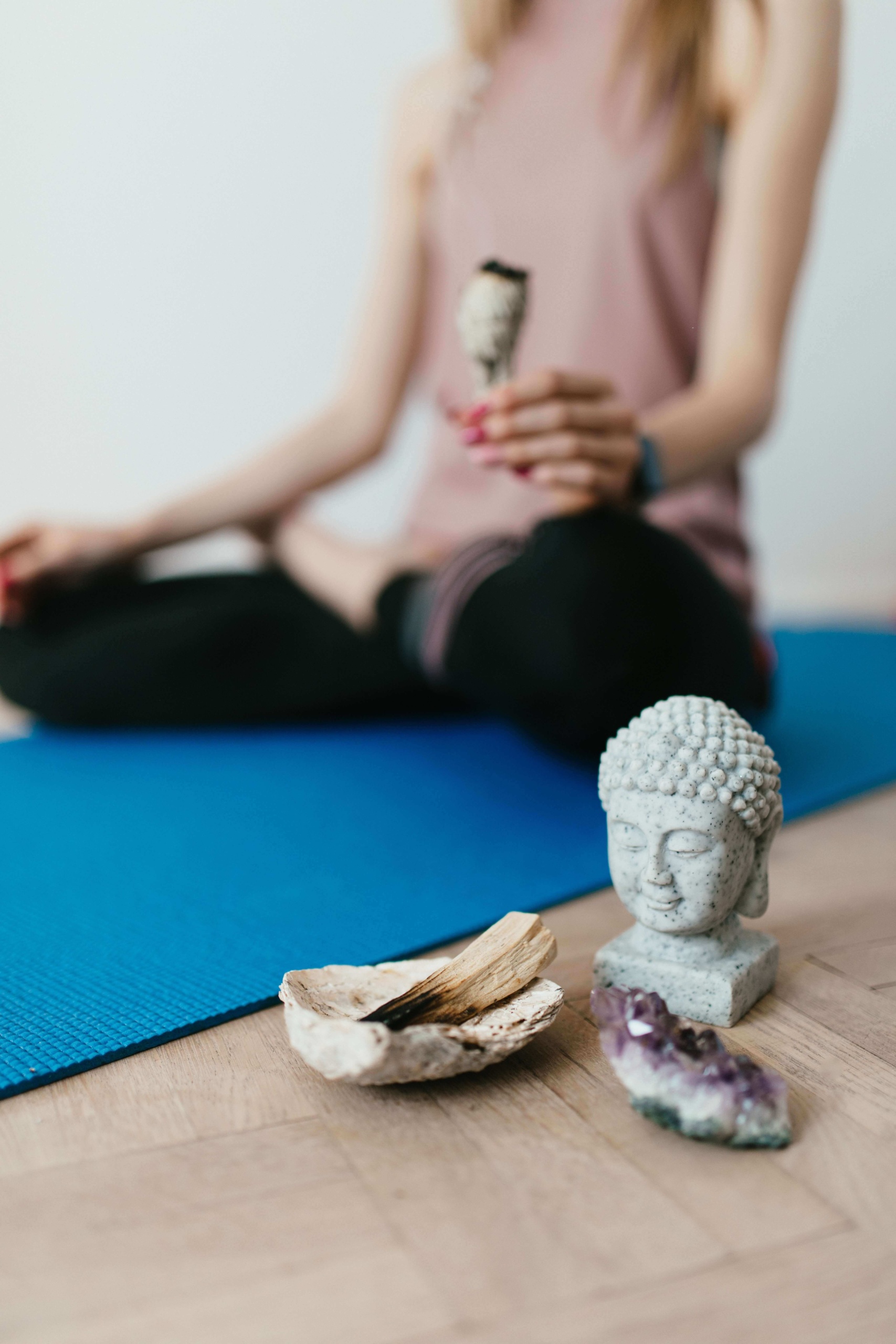
Healing from Within: How to Release Emotional Baggage and Cultivate Self-Compassion

Mentor Self-Care

We all carry emotional baggage—painful experiences, unresolved emotions, and self-doubt that linger in our hearts and minds. These burdens can weigh us down, affecting our relationships, mental well-being, and overall quality of life. However, healing is possible. By identifying and releasing past wounds, practicing forgiveness, and embracing self-compassion, we can create space for inner peace and emotional freedom.

Identifying Emotional Baggage

The first step in healing is recognizing the emotional baggage we carry. These wounds can stem from childhood experiences, past relationships, personal failures, or societal pressures. Common signs of emotional baggage include:

  • Recurring negative thoughts about past events
  • Difficulty trusting others or forming close relationships
  • Persistent self-criticism and low self-worth
  • Feeling stuck in the past and unable to move forward

Take time to reflect on past experiences that may still be influencing your present. Journaling, therapy, or deep conversations with trusted friends can help you identify hidden emotional wounds.

Releasing Past Wounds

Once you’ve identified your emotional baggage, the next step is learning how to release it. Here are some strategies to help you let go:

1. Acknowledge and Accept Your Feelings

Ignoring or suppressing emotions only prolongs pain. Instead, allow yourself to fully experience your emotions. Name them, sit with them, and give yourself permission to feel without judgment.

2. Practice Mindfulness and Meditation

Mindfulness helps bring awareness to your emotions without becoming overwhelmed by them. Meditation, deep breathing exercises, and grounding techniques can provide a sense of calm and clarity.

3. Express and Process Your Emotions

Holding onto emotions can create internal turmoil. Express your feelings through writing, art, music, or talking to a trusted friend or therapist. Expressing emotions in a safe and supportive space can help you release them.

4. Let Go of What You Can’t Control

Some wounds stem from situations beyond our control. Holding onto resentment or regret only keeps us trapped. Accept that you cannot change the past, but you can choose how you respond to it moving forward.

Practicing Forgiveness

Forgiveness is a crucial step in healing. It does not mean condoning hurtful actions or forgetting past pain, but rather freeing yourself from the weight of resentment.

1. Forgive Others

Holding onto anger and bitterness only harms you. Try to understand the perspective of those who hurt you, and recognize that they, too, may have been acting from their own pain. Forgiving doesn’t mean you must maintain a relationship with them; it simply allows you to move forward without the burden of resentment.

2. Forgive Yourself

Self-forgiveness is just as important as forgiving others. We all make mistakes and have regrets. Instead of dwelling on past failures, acknowledge your growth and lessons learned. Remind yourself that you are worthy of kindness and compassion.

Cultivating Self-Compassion

Self-compassion is the foundation of healing. It allows us to treat ourselves with the same kindness and understanding that we would offer a friend. Here’s how you can nurture self-compassion:

1. Practice Positive Self-Talk

Replace self-criticism with affirmations of love and acceptance. When negative thoughts arise, challenge them with gentle and encouraging words.

2. Prioritize Self-Care

Engage in activities that nourish your mind, body, and soul—whether it’s exercise, reading, nature walks, or spending time with loved ones. Taking care of yourself is an act of self-respect.

3. Set Healthy Boundaries

Protect your emotional well-being by setting boundaries with people and situations that drain your energy. Learn to say no when necessary and surround yourself with supportive, uplifting individuals.

4. Seek Professional Support

Therapy, counseling, or support groups can provide valuable guidance and tools to navigate emotional healing. There is no shame in seeking help; it is a sign of strength and self-awareness.

Embracing Your Healing Journey

Healing from emotional baggage is a process, not a destination. Some days will be easier than others, and setbacks are a natural part of growth. Be patient and gentle with yourself as you navigate this journey. Every step you take toward healing brings you closer to inner peace and emotional freedom.

By identifying past wounds, practicing forgiveness, and cultivating self-compassion, you empower yourself to release emotional burdens and embrace a life filled with love, joy, and authenticity. Remember, true healing begins from within, and you have the power to create a brighter, more compassionate future for yourself.

The Art of Self-Care: Daily Rituals to Nourish Your Mind, Body, and Soul

In our fast-paced world, it’s easy to neglect self-care in favor of responsibilities and obligations. However, taking time to nurture yourself isn’t selfish—it’s essential for maintaining emotional well-being, mental clarity, and physical health. Self-care isn’t just about spa days or bubble baths; it’s about small, daily rituals that help you cultivate balance, inner peace, and resilience.

In this blog post, we’ll explore practical self-care habits that nourish your mind, body, and soul, helping you lead a more fulfilling and harmonious life.

1. Start Your Day with Mindfulness

The way you begin your morning sets the tone for the rest of the day. Instead of reaching for your phone first thing in the morning, try:

  • Deep breathing exercises: A few minutes of conscious breathing can reduce stress and enhance focus.
  • Morning meditation: Spend 5-10 minutes in silence, focusing on your breath or a positive affirmation.
  • Journaling: Write down three things you’re grateful for or set an intention for the day.

These small practices help ground you in the present moment, fostering a sense of calm and clarity before the day begins.

2. Nourish Your Body with Intentional Choices

Your body deserves care just as much as your mind. To feel your best physically, consider:

  • Staying hydrated: Start your day with a glass of water and stay hydrated throughout the day.
  • Eating nutritious foods: Incorporate whole, nutrient-rich foods that fuel your body and support your energy levels.
  • Moving your body: Whether it’s yoga, a short walk, or a workout session, physical activity boosts mood and overall well-being.

By treating your body with kindness and respect, you create a foundation for lasting health and vitality.

3. Take Breaks to Reset Your Mind

Work, responsibilities, and daily tasks can sometimes be overwhelming. To maintain balance, incorporate small breaks into your day:

  • Step outside for fresh air: A short walk in nature can do wonders for your mental state.
  • Practice the 20-20-20 rule: If you work on a screen, look away every 20 minutes at something 20 feet away for 20 seconds.
  • Engage in a creative outlet: Whether it’s painting, playing an instrument, or reading, creative activities are great for mental rejuvenation.

These mindful pauses help prevent burnout and increase productivity while keeping stress levels in check.

4. Set Boundaries and Protect Your Energy

Self-care also involves setting boundaries to protect your emotional well-being. Learn to:

  • Say no without guilt: Prioritize what truly matters and don’t overextend yourself.
  • Limit digital consumption: Reduce screen time, especially on social media, to maintain mental clarity.
  • Surround yourself with positive influences: Spend time with people who uplift and support you.

By setting healthy boundaries, you create space for activities and relationships that genuinely nourish you.

5. Unwind with a Soothing Nighttime Routine

Ending the day on a peaceful note can improve sleep quality and prepare you for the next day. Try incorporating:

  • A warm cup of herbal tea: Chamomile or lavender tea can help relax the body.
  • A digital detox before bed: Avoid screens at least 30 minutes before sleeping to improve rest.
  • Light stretching or a warm bath: Gentle movements or a relaxing bath can ease tension and signal your body that it’s time to rest.

A well-structured nighttime routine helps you unwind, ensuring that you wake up feeling refreshed and ready to embrace a new day.

Final Thoughts

Self-care isn’t a luxury—it’s a necessity. By incorporating these simple yet powerful daily rituals into your life, you can cultivate a deep sense of well-being that supports your emotional, physical, and mental health.

Remember, self-care looks different for everyone. The key is to find what resonates with you and make it a consistent practice. Prioritize yourself, listen to your needs, and embrace the art of self-care as an essential part of your daily routine.

How do you practice self-care? Let me know in the comments! 🌿✨

Clarifying Your Vision

Goals Mentor Self-Care

As we step into Week 2 of tour journey, it’s time to focus on clarity—a crucial ingredient in manifesting the life you desire. Clarity creates alignment, and alignment invites flow. This week, we’ll explore how to define what you truly want for the year ahead and empower you with visualization exercises to bring your ideal life into focus.

Define Your Desires

To create a fulfilling and balanced life, take time to reflect deeply on the areas of relationships, career, health, and spirituality. Each of these domains represents an essential pillar of your existence, and when nurtured together, they create harmony and joy.

Relationships: What do you desire in your connections with others? This might mean cultivating deeper intimacy with your partner, building stronger bonds with friends and family, or expanding your circle to include more like-minded souls. Define the qualities you wish to experience—love, respect, understanding, or joy.

Career: Think about your professional aspirations. Do you yearn for a career shift, a promotion, or more creativity in your work? Perhaps you’re seeking a role that aligns with your spiritual values and offers greater fulfillment. Be specific about the kind of impact you want to make and how you want to feel while doing it.

Health: Reflect on your physical, mental, and emotional well-being. What does vibrant health look and feel like for you? Maybe it’s having more energy, practicing self-care, or embracing a lifestyle that honors your body’s needs.

Spirituality: How do you wish to deepen your connection to your inner self and the divine? Perhaps you’re seeking more peace, clarity, or purpose. Consider the practices that nourish your spirit, such as meditation, prayer, or spending time in nature.

Visualization Exercise: Imagine Your Ideal Life

Once you’ve identified your desires, the next step is to bring them to life through visualization. Visualization is a powerful tool that aligns your energy with the outcomes you seek, making them feel attainable and real.

Find a Quiet Space: Settle into a comfortable position in a space where you won’t be disturbed. Close your eyes and take a few deep breaths, releasing tension with each exhale.

Create a Mental Picture: Imagine your ideal life as vividly as possible. See yourself waking up in your dream home. Notice the colors, sounds, and scents around you. Picture the people you love, the work you’re passionate about, and the vibrant health you enjoy.

Engage Your Emotions: Visualization is most effective when paired with emotion. Feel the joy, peace, and gratitude of living this life. Let these emotions fill your heart and expand outward.

Anchor the Vision: Choose a symbol or word that represents your vision—a flower, a sunbeam, or a phrase like “abundance flows to me effortlessly.” Use this anchor as a reminder of your vision throughout the day.

Aligning with Your Vision

Visualization is just the beginning. To align with your vision, integrate daily practices that support your desires:

Journaling: Write about your vision in the present tense, as though it’s already your reality. For example, “I wake up feeling energized and excited for my work that inspires and uplifts others.”

Affirmations: Repeat positive affirmations that reinforce your vision. Speak them with conviction and faith.

Action Steps: Break down your goals into small, manageable steps. Each action, no matter how small, moves you closer to your ideal life.

Trust the Process

Remember, clarity is a journey, not a destination. As you gain more insight into your desires, your vision may evolve. Embrace the unfolding with an open heart and trust that the universe is working in your favor. By aligning your energy with your deepest desires, you’re planting seeds for a year of transformation and growth.

This week, commit to the practice of clarifying your vision. Let it inspire you, guide you, and fill you with the knowing that your ideal life is within reach. Together, let’s step forward into a future shaped by intention and love.

With light and blessings,
Kimberly Cornier
Energy Practitioner and Spiritual Mentor

Finding Balance Amid the Holiday Hustle

As we enter the third-to-last week of December, the energy in the air is both vibrant and overwhelming. The season is alive with celebrations, gatherings, and moments of connection. However, for many, it can also bring stress, fatigue, and a feeling of being stretched too thin. Amid this flurry of activity, it’s vital to pause and reconnect with your spiritual center.

As your spiritual life coach, I invite you to use this week as an opportunity to embrace balance—the equilibrium between doing and being, giving and receiving, and connecting outwardly and inwardly.

The Power of Presence

During the holidays, our minds can easily shift into overdrive. There are gifts to buy, meals to prepare, and people to meet. While these tasks are meaningful, they can pull us away from the magic of the present moment. Pause for a few minutes each day to center yourself. Here’s a simple mindfulness exercise you can try:

  1. Find a quiet space: Sit comfortably and close your eyes.
  2. Breathe deeply: Inhale for four counts, hold for four, and exhale for four. Repeat for a few cycles.
  3. Set an intention: With each breath, silently repeat a grounding phrase like “I am here” or “I am calm.”

This practice can help you feel more grounded, even on your busiest days.

Give Yourself the Gift of Self-Care

The season of giving is also a season for receiving—including the gift of self-care. Reflect on how you’ve been tending to your own needs. Are you nourishing your body with healthy food? Are you allowing yourself moments of rest and reflection? A few ways to nurture yourself this week might include:

  • Taking a warm bath with essential oils.
  • Journaling about what you’re grateful for this year.
  • Spending 30 minutes in nature, even if it’s just a walk around your neighborhood.

When you prioritize self-care, you show up for others with more energy and authenticity.

Honoring the Season’s Deeper Meaning

While the holidays often center around external festivities, they also invite us to explore deeper spiritual themes. December, with its long nights and crisp air, naturally encourages introspection. Consider:

  • What have I learned this year?
  • What am I ready to release before 2025?
  • What dreams or intentions am I planting for the coming year?

You might find it helpful to journal or meditate on these questions. By doing so, you align with the rhythm of the season—letting go of the old to make space for the new.

A Closing Reflection

This week, remind yourself that balance is not about perfection. It’s about flow—adjusting and realigning as needed. Trust that every moment, whether peaceful or chaotic, holds an opportunity to deepen your connection to your spiritual path.

As we move closer to the year’s end, let’s commit to living these final weeks with mindfulness, gratitude, and a heart open to the lessons and blessings they bring.

Wishing you a week filled with grace and serenity.

How Energy Healing Can Positively Impact Mental, Emotional, and Physical Well-Being

In a world increasingly driven by technology and scientific advancements, ancient healing practices like energy healing have seen a resurgence. While often met with skepticism, energy healing is gaining recognition for its potential benefits on mental, emotional, and physical well-being. Rooted in the concept that the body is composed of energy fields, this holistic approach seeks to balance and harmonize these fields to promote health and well-being.

Understanding Energy Healing
Energy healing encompasses a variety of modalities, including Reiki, acupuncture, Qi Gong, and healing touch, among others. These practices are based on the premise that an unseen energy flows through all living beings and that imbalances or blockages in this energy can lead to physical, mental, or emotional issues. Practitioners use their hands or tools to manipulate these energy fields, aiming to restore balance and facilitate the body’s natural healing processes.

Mental Benefits of Energy Healing
Reduction of Stress and Anxiety: One of the most widely recognized benefits of energy healing is its ability to reduce stress and anxiety. Techniques such as Reiki and healing touch involve gentle hand movements and a calming presence that can induce a state of deep relaxation. This relaxation response helps to lower cortisol levels, the body’s primary stress hormone, thereby reducing feelings of stress and anxiety.

Enhanced Mental Clarity and Focus: Regular energy healing sessions can enhance mental clarity and focus. By clearing energy blockages and balancing the body’s energy fields, individuals often report improved concentration and cognitive function. This is particularly beneficial for those experiencing brain fog or mental fatigue.

Improved Sleep: Poor sleep can have a profound impact on mental health, leading to issues such as depression and anxiety. Energy healing practices like Reiki have been shown to improve sleep quality by promoting relaxation and reducing stress. Better sleep, in turn, supports overall mental well-being.

Emotional Benefits of Energy Healing
Emotional Release and Healing: Emotional trauma and unresolved feelings can manifest as energy blockages within the body. Energy healing facilitates the release of these emotions, allowing individuals to process and heal from past traumas. This can lead to a greater sense of emotional freedom and resilience.

Increased Emotional Stability: By balancing the body’s energy fields, energy healing can help stabilize emotions. Individuals often experience a greater sense of inner peace and emotional equilibrium. This can be particularly beneficial for those dealing with mood disorders or emotional volatility.

Enhanced Self-Awareness and Self-Love: Energy healing encourages a deeper connection with oneself. As individuals become more attuned to their energy fields, they often develop greater self-awareness and self-compassion. This heightened sense of self can lead to improved self-esteem and a more positive outlook on life.

Physical Benefits of Energy Healing
Pain Relief: Chronic pain conditions, such as arthritis or fibromyalgia, can significantly impact an individual’s quality of life. Energy healing techniques like acupuncture have been scientifically validated for their ability to relieve pain. By stimulating specific energy points, these practices can reduce inflammation and improve pain management.

Boosted Immune System: A balanced energy system supports the body’s natural defenses. Energy healing can enhance immune function by reducing stress, which is known to weaken the immune system. This can lead to a reduced incidence of illness and quicker recovery times.

Improved Physical Vitality: Individuals who undergo regular energy healing sessions often report increased physical vitality and a sense of overall well-being. By ensuring that energy flows freely throughout the body, these practices can enhance physical stamina and promote a more vibrant life force.

Integrating Energy Healing into Daily Life
To fully reap the benefits of energy healing, it can be helpful to integrate certain practices into daily life:

Mindfulness and Meditation: Mindfulness and meditation can enhance the effects of energy healing by promoting a state of inner calm and awareness. Regular practice can help maintain balanced energy fields and support overall well-being.

Healthy Lifestyle Choices: A balanced diet, regular exercise, and sufficient sleep are essential for maintaining a healthy energy system. These lifestyle choices can complement energy healing practices and enhance their effectiveness.

Regular Energy Healing Sessions: Whether through self-practice or working with a certified practitioner, regular energy healing sessions can support ongoing health and well-being. Consistency is key to maintaining balanced energy fields and addressing any imbalances that may arise.

Scientific Perspectives on Energy Healing
While energy healing is often categorized as alternative or complementary medicine, there is a growing body of research supporting its efficacy. Studies have shown that practices like Reiki and acupuncture can lead to measurable physiological changes, such as reduced pain perception and improved heart rate variability. These findings suggest that energy healing can have a tangible impact on physical health.

Moreover, the placebo effect, which is well-documented in medical research, indicates that belief and intention play significant roles in healing. Energy healing, with its emphasis on intention and holistic well-being, aligns closely with this concept. The therapeutic relationship between practitioner and client can also foster a sense of trust and safety, which is conducive to healing.

Conclusion
Energy healing offers a holistic approach to health and well-being, addressing the interconnectedness of the mind, body, and spirit. By promoting relaxation, emotional release, and physical vitality, energy healing can have a profound impact on mental, emotional, and physical health. While more research is needed to fully understand its mechanisms, the growing interest and anecdotal evidence suggest that energy healing holds significant promise as a complementary therapy.

Whether through reducing stress and anxiety, facilitating emotional healing, or enhancing physical vitality, energy healing provides a valuable tool for those seeking to improve their overall well-being. By embracing this ancient practice, individuals can tap into their body’s natural ability to heal and thrive, fostering a more balanced and harmonious life.

Connecting with Nature and Its Spiritual Significance

Nature, in its vast beauty and intricate complexity, holds a mirror to our souls. It reflects our innermost desires, our deepest fears, and our greatest potentials. As an energy healer and spiritual life coach at The Awakening Tulip LLC, I’ve witnessed firsthand the transformative power of connecting with nature. This connection not only nurtures our physical well-being but also fosters spiritual growth, healing, and awakening.

The Ancient Wisdom of Nature
Throughout history, humanity has turned to nature for wisdom and solace. Ancient civilizations revered natural elements as sacred, recognizing their profound influence on the human spirit. Indigenous cultures across the globe have always understood that nature is not separate from us but is an extension of our own existence. They practiced rituals that honored the earth, the sky, the water, and all living creatures, acknowledging the interconnectedness of all life.

In today’s fast-paced world, we often forget this ancient wisdom. We are surrounded by technology, concrete, and artificial constructs that can create a sense of disconnection from the natural world. However, the spiritual significance of reconnecting with nature is more important than ever. It offers a pathway to inner peace, grounding, and a deeper understanding of our place in the universe.

The Healing Power of Nature
Nature is a powerful healer. The sights, sounds, and smells of the natural world have a profound impact on our mental and emotional well-being. Scientific studies have shown that spending time in nature can reduce stress, anxiety, and depression. It can also boost our immune system, improve our mood, and enhance our cognitive function.

From a spiritual perspective, nature offers a space for reflection and meditation. The gentle rustle of leaves, the rhythmic flow of water, and the vibrant colors of a sunset can all serve as focal points for mindfulness practices. These natural elements help to quiet the mind, allowing us to tap into a deeper state of consciousness and connect with our inner selves.

For instance, walking barefoot on the earth, a practice known as grounding or earthing, can align our body’s energy with the earth’s natural energy. This simple act can reduce inflammation, improve sleep, and increase feelings of well-being. It is a testament to the healing power of nature and its ability to restore balance in our lives.

Spiritual Significance of Nature
Nature is not just a physical environment but also a spiritual teacher. It embodies the principles of creation, destruction, and renewal, mirroring the cycles of our own lives. By observing these natural rhythms, we can gain insights into our personal growth and spiritual journey.

Interconnectedness: Nature teaches us that everything is interconnected. The ecosystem is a delicate balance of relationships where each element plays a crucial role. Similarly, in our spiritual journey, we must recognize the interconnectedness of our thoughts, actions, and experiences. Understanding this can lead to a more compassionate and holistic approach to life.

Presence: Nature exists in the present moment. A tree does not worry about the past or the future; it simply is. By immersing ourselves in nature, we can learn to cultivate a sense of presence and mindfulness. This presence is the foundation of spiritual practice, helping us to live more fully and authentically.

Resilience: Nature is resilient and adaptable. It thrives in diverse conditions, often finding ways to flourish despite challenges. This resilience can inspire us to overcome obstacles in our own lives and trust in our ability to grow through adversity.

Transformation: The cycles of nature—such as the changing seasons, the growth and decay of plants, and the ebb and flow of tides—illustrate the principle of transformation. These cycles remind us that change is a natural part of life and that each ending is a new beginning. Embracing this perspective can help us navigate our personal transformations with grace and acceptance.

Practical Ways to Connect with Nature
Connecting with nature doesn’t require a grand expedition into the wilderness. It can be as simple as stepping outside your door and engaging with the natural elements around you. Here are some practical ways to deepen your connection with nature:

Mindful Walking: Take a walk in a park, forest, or by the sea. Pay attention to the sights, sounds, and smells around you. Notice the details—the texture of leaves, the song of birds, the scent of flowers. Let yourself be fully present in the experience.

Gardening: Planting and tending to a garden can be a deeply spiritual practice. It connects you with the cycles of growth and decay, teaches patience, and provides a sense of accomplishment. Whether you have a large backyard or a small balcony, creating a green space can bring you closer to nature.

Meditation: Find a quiet spot in nature to meditate. Sit by a tree, near a river, or on a hilltop. Close your eyes and focus on your breath. Let the natural surroundings guide you into a deeper state of meditation. Visualize your energy merging with the energy of the earth, feeling a sense of unity and peace.

Nature Journaling: Keep a journal of your experiences in nature. Write about what you see, hear, and feel. Reflect on how these experiences impact your mood and thoughts. This practice can help you develop a deeper appreciation for the natural world and its influence on your spiritual journey.

Outdoor Yoga: Practicing yoga outdoors combines the benefits of physical exercise with the calming effects of nature. The fresh air and natural scenery enhance the experience, helping you to feel more grounded and centered.

Wildcrafting and Foraging: Learning about wild plants and their uses can deepen your connection to nature. Foraging for edible plants, herbs, and flowers not only provides a sense of accomplishment but also connects you with the earth’s bounty.

Personal Stories of Transformation
At The Awakening Tulip LLC, we’ve seen numerous clients experience profound transformations through their connection with nature. One client, struggling with chronic stress and anxiety, found peace by regularly visiting a nearby forest. Through mindful walks and meditation among the trees, they discovered a sense of calm and clarity that eluded them in their daily life.

Another client, dealing with grief after the loss of a loved one, found solace in gardening. The act of planting seeds and nurturing their growth became a metaphor for their own healing process. As the garden flourished, so did their ability to cope with their loss and find joy in life again.

These stories are testament to the powerful impact that nature can have on our spiritual well-being. By reconnecting with the natural world, we can find healing, inspiration, and a deeper sense of purpose.

Conclusion
In our quest for spiritual growth and healing, we often seek complex solutions and elaborate practices. However, the answer is often simpler than we think. Nature, with its timeless wisdom and boundless beauty, offers a pathway to spiritual awakening that is accessible to everyone.

By making a conscious effort to connect with nature, we can align ourselves with the rhythms of the earth, tap into our innate wisdom, and experience a profound sense of peace and harmony. Whether through mindful walking, gardening, meditation, or simply spending time outdoors, the spiritual significance of nature is a gift that can transform our lives.

At The Awakening Tulip LLC, we encourage you to embrace this connection and discover the spiritual insights and healing that nature has to offer. Remember, the journey to spiritual awakening is not a solitary one. It is a journey that we undertake with the support of the natural world, guiding us every step of the way.


Harnessing the Power of Crystal, Light, and Color Healing

In a world where holistic approaches to health and wellness are gaining traction, the ancient practices of crystal, light, and color healing have emerged as powerful tools for restoring balance and vitality to the body, mind, and spirit. Drawing on centuries-old traditions and modern scientific insights, this transformative therapy taps into the vibrational energies of crystals, the illuminating properties of light, and the therapeutic effects of color to promote healing on multiple levels. In this comprehensive guide, we delve into the fascinating realm of crystal, light, and color healing, exploring its principles, techniques, and benefits for holistic well-being.

Understanding Crystal Healing:

At the heart of crystal healing lies the belief that crystals possess unique vibrational frequencies that can interact with the subtle energies of the body to promote healing and balance. Each crystal is thought to emit its own energy field, which resonates with specific chakras or energy centers within the body. By placing crystals on or around the body, practitioners aim to facilitate the flow of energy, release blockages, and restore harmony to the mind-body-spirit connection.

Crystals come in a diverse array of shapes, colors, and compositions, each with its own distinct properties and healing qualities. From the grounding stability of hematite to the serene tranquility of amethyst, each crystal offers a unique energetic signature that can be tailored to individual needs and intentions. Commonly used crystals in healing include quartz, rose quartz, citrine, and turquoise, among others.

Light Therapy and Its Healing Benefits:

Light has long been recognized for its profound influence on health and well-being, from regulating circadian rhythms to enhancing mood and cognition. In the realm of healing, light therapy harnesses the therapeutic properties of specific wavelengths of light to promote healing and rejuvenation at the cellular level.

One of the most well-known forms of light therapy is photobiomodulation, which utilizes low-level laser or LED light to stimulate cellular activity and accelerate tissue repair. This non-invasive technique has been used to treat a wide range of conditions, including chronic pain, inflammation, and wound healing.

Color Therapy: Balancing Energy with Spectrum of Light:

Color therapy, also known as chromotherapy, is based on the principle that different colors possess unique energetic qualities that can influence our physical, emotional, and spiritual well-being. By exposing the body to specific colors, either through light, visualization, or the use of colored objects, practitioners aim to restore balance to the body’s energy centers and promote healing on multiple levels.

Each color is associated with specific qualities and effects on the body and psyche. For example, red is often associated with vitality, passion, and physical energy, while blue is linked to calmness, communication, and mental clarity. By incorporating the appropriate colors into therapy sessions, practitioners can help clients address a wide range of issues, from stress and anxiety to chronic pain and emotional imbalances.

Combining Forces: Integrating Crystal, Light, and Color Healing:

While each modality—crystal healing, light therapy, and color therapy—offers its own unique benefits, their combined synergistic effects can amplify the healing process and enhance overall well-being. By integrating crystals, light, and color into holistic healing sessions, practitioners can create a multifaceted approach that addresses the physical, emotional, and spiritual aspects of health.

During a typical session, clients may be surrounded by an array of colored lights while holding or wearing specific crystals that resonate with their healing intentions. As the soothing light bathes the body and the gentle energy of the crystals aligns with the chakras, clients may experience a profound sense of relaxation, clarity, and rejuvenation.

Benefits of Crystal, Light, and Color Healing:

The benefits of crystal, light, and color healing are as diverse as the individuals who seek them. Some potential benefits include:

Stress reduction and relaxation
Pain relief and management
Improved mood and emotional well-being
Enhanced energy and vitality
Support for spiritual growth and self-discovery
Accelerated healing and recovery from illness or injury
Conclusion:

In a world where the pace of life can often feel overwhelming, the ancient practices of crystal, light, and color healing offer a sanctuary of peace, balance, and renewal. By harnessing the innate power of crystals, the illuminating properties of light, and the therapeutic effects of color, individuals can embark on a journey of holistic healing that nurtures the body, mind, and spirit. Whether seeking relief from physical ailments, emotional challenges, or simply a deeper connection to one’s inner wisdom, the transformative potential of crystal, light, and color healing invites us to embrace the radiant spectrum of possibilities for vibrant health and well-being.

Unveiling the Shadows: Exploring the Roots of Negative Thinking

Mentor Self-Care

Negative thinking is a pervasive force that can cloud our minds, hinder our progress, and dim our outlook on life. From self-doubt to fear of failure, negative thoughts can manifest in various forms, influencing our emotions, behaviors, and overall well-being. But what causes this relentless stream of negativity that often seems to have a grip on our minds? In this exploration, we delve into the depths of the human psyche to uncover the roots of negative thinking.

Understanding the Mind:

To comprehend the origins of negative thinking, we must first understand the complexities of the human mind. Our thoughts, emotions, and beliefs are intertwined in a complex web of neural connections, shaped by our experiences, upbringing, and environment. Negative thinking often arises from deep-seated patterns and conditioning that have been ingrained in our psyche over time.

Past Traumas and Conditioning:

One of the primary catalysts for negative thinking lies in past traumas and conditioning. Painful experiences from our past, such as rejection, abandonment, or failure, can leave emotional scars that influence how we perceive ourselves and the world around us. These unresolved wounds act as fertile ground for negative thoughts to take root, perpetuating cycles of self-criticism and doubt.

Moreover, societal norms and cultural influences play a significant role in shaping our beliefs and attitudes. From childhood, we are bombarded with messages about success, beauty, and worthiness, often leading to unrealistic expectations and feelings of inadequacy. The constant pressure to measure up to societal standards can fuel negative thinking patterns, as we constantly compare ourselves to others and fall short of perceived ideals.

Fear and Anxiety:

Fear is another potent driver of negative thinking. The innate human instinct for self-preservation can often spiral into irrational fears and anxieties, leading us to anticipate the worst-case scenarios and catastrophize situations. Fear of failure, rejection, or uncertainty can paralyze us with negative thoughts, preventing us from taking risks and pursuing our goals.

Moreover, the modern world bombards us with a constant barrage of stressors, from work deadlines to financial pressures, exacerbating feelings of anxiety and overwhelm. In this state of heightened stress, negative thoughts can easily hijack our minds, magnifying our insecurities and amplifying our worries.

Cognitive Biases and Negative Self-Talk:

Our brains are wired to seek out patterns and make sense of the world around us. However, this cognitive process can sometimes lead to distorted thinking patterns known as cognitive biases. These biases, such as confirmation bias or catastrophizing, filter our perceptions and reinforce negative beliefs about ourselves and others.

Negative self-talk also plays a pivotal role in perpetuating negative thinking patterns. The incessant inner dialogue of self-criticism and self-doubt can erode our self-esteem and sabotage our efforts towards self-improvement. Over time, these negative scripts become ingrained in our subconscious, shaping our beliefs about ourselves and our capabilities.

The Role of Mindfulness and Self-Compassion:

While the roots of negative thinking may run deep, there is hope for breaking free from its grip. Practices such as mindfulness and self-compassion offer powerful antidotes to negative thinking, allowing us to cultivate greater awareness and acceptance of our thoughts and emotions.

Mindfulness teaches us to observe our thoughts without judgment, allowing them to arise and pass away without getting entangled in their narrative. By stepping back from our thoughts and adopting a stance of curious observation, we can loosen the grip of negative thinking and cultivate a greater sense of inner peace and clarity.

Similarly, self-compassion involves treating ourselves with kindness and understanding, especially in moments of struggle or suffering. Instead of berating ourselves for perceived shortcomings, self-compassion invites us to embrace our humanity with warmth and empathy, recognizing that imperfection is an inherent part of the human experience.

Conclusion:

Negative thinking may seem like an insurmountable obstacle at times, but by shining a light on its roots, we can begin to unravel its hold on our minds. Through self-awareness, compassion, and mindfulness, we can transcend negative thinking patterns and cultivate a more positive and empowered way of being. As we embark on this journey of self-discovery and growth, may we remember that the power to transform our lives lies within us, waiting to be unleashed one thought at a time.

Embracing Acceptance: The Path to Authenticity and Fulfillment

Acceptance is a journey of self-discovery, a powerful tool that allows us to embrace all facets of ourselves, both the bright and the shadowy. It’s about acknowledging our strengths and weaknesses without judgment or self-criticism, paving the way for personal growth, authenticity, and fulfillment.

At its core, acceptance is about coming to terms with who we are. It’s about recognizing our unique blend of qualities, experiences, and imperfections that make us whole. Often, we tend to focus solely on our strengths, striving for perfection while ignoring or suppressing our vulnerabilities. However, true acceptance requires us to embrace the entirety of our being.

Embracing our strengths is relatively easy; they are the qualities that make us shine, that we proudly display to the world. But it’s in acknowledging our weaknesses that we truly unlock the power of acceptance. Our weaknesses are not flaws to be ashamed of but rather opportunities for growth and self-improvement. They provide us with valuable insights into areas where we can learn, evolve, and become better versions of ourselves.

Acceptance is not about resignation or complacency; it’s about facing reality head-on and making peace with it. It’s about understanding that we are works in progress, constantly evolving and growing. By accepting ourselves fully, we free ourselves from the shackles of self-doubt and criticism, allowing us to move forward with confidence and grace.

One of the most significant obstacles to acceptance is our own inner critic – that relentless voice in our heads that tells us we’re not good enough, that we don’t measure up. But acceptance silences that voice, replacing it with compassion and self-love. It teaches us to treat ourselves with kindness and understanding, to forgive ourselves for our shortcomings, and to celebrate our successes – big and small.

Acceptance also opens the door to authentic living. When we stop pretending to be someone we’re not and embrace our true selves, we invite genuine connections and relationships into our lives. People are drawn to authenticity; they crave realness and honesty. By embracing acceptance, we invite others to do the same, creating deeper, more meaningful connections built on trust and vulnerability.

Moreover, acceptance is the key to fulfillment. When we accept ourselves fully, we no longer rely on external validation or approval to feel worthy. We recognize our inherent value and worthiness, independent of external circumstances or achievements. This inner sense of fulfillment radiates outward, positively impacting every aspect of our lives – our relationships, our work, and our overall well-being.

In conclusion, acceptance is a transformative journey that leads us to the heart of who we are. It’s about embracing our strengths and weaknesses, without judgment or self-criticism. It’s about facing reality with courage and compassion, and embracing our true selves with open arms. Through acceptance, we unlock the door to authenticity and fulfillment, paving the way for a life lived with purpose and passion. So, let’s embark on this journey together – towards self-acceptance, authenticity, and ultimate fulfillment.

Cultivating Self-Awareness: The Second Step Towards Authenticity and Fulfillment

In our journey towards living authentically and finding true fulfillment, we embarked on the first step last week: journaling. Today, let’s delve deeper into the second step, which is cultivating self-awareness and understanding.

Self-awareness is the cornerstone of personal growth and transformation. It involves becoming intimately familiar with our thoughts, emotions, beliefs, values, and behaviors. By shining a light on the inner workings of our minds and hearts, we can uncover hidden patterns, motivations, and obstacles that may be holding us back from living our best lives.

The process of cultivating self-awareness is multifaceted and requires commitment and courage. Here are some essential components:

Introspection: Take time regularly to reflect on your experiences, thoughts, and feelings. Journaling, as mentioned in the previous post, is an excellent tool for introspection. Set aside dedicated time each day or week to explore your inner landscape without judgment or censorship.

Mindfulness Practices: Cultivate mindfulness through practices such as meditation, deep breathing, or simply paying attention to the present moment. Mindfulness helps us become more attuned to our thoughts and feelings as they arise, allowing us to respond consciously rather than react impulsively.

Seeking Guidance: Don’t hesitate to reach out for support from mentors, therapists, or trusted friends and family members. Sometimes, an outside perspective can provide valuable insights and help us see blind spots that we may have missed on our own. You can schedule an appointment with Kimberly (Spiritual Coach) as well.

Exploring Core Beliefs and Values: Take time to identify your core beliefs and values. These are the guiding principles that shape your thoughts, decisions, and actions. Reflect on whether these beliefs and values align with who you truly are and what you aspire to become.

Embracing Vulnerability: Embrace vulnerability as a pathway to self-discovery and growth. Be willing to explore uncomfortable emotions and experiences, knowing that they often contain valuable lessons and opportunities for healing.

Acceptance and Compassion: Practice self-compassion and acceptance as you navigate your inner landscape. Be gentle with yourself, especially when confronting difficult truths or facing setbacks. Remember that self-awareness is a journey, and it’s okay to stumble along the way.

Cultivating self-awareness is not a one-time endeavor but an ongoing process that unfolds over time. It requires patience, persistence, and a willingness to dive deep into the depths of our being. As we become more intimately acquainted with ourselves, we gain greater clarity about who we are, what we stand for, and what brings us true fulfillment.

The rewards of self-awareness are manifold. It empowers us to make conscious choices aligned with our authentic selves, rather than being driven by unconscious patterns or external expectations. It deepens our relationships with others as we learn to relate from a place of authenticity and vulnerability. And ultimately, it leads to a life of greater meaning, purpose, and fulfillment.

So let’s embrace the journey of self-discovery with open hearts and minds. Let’s commit to cultivating self-awareness as the second step towards living a life of authenticity and fulfillment. And let’s remember that the most profound transformation often begins with a single step taken with courage and intention.

0
    0
    Your Cart
    Your cart is emptyReturn to Shop
    Verified by MonsterInsights