
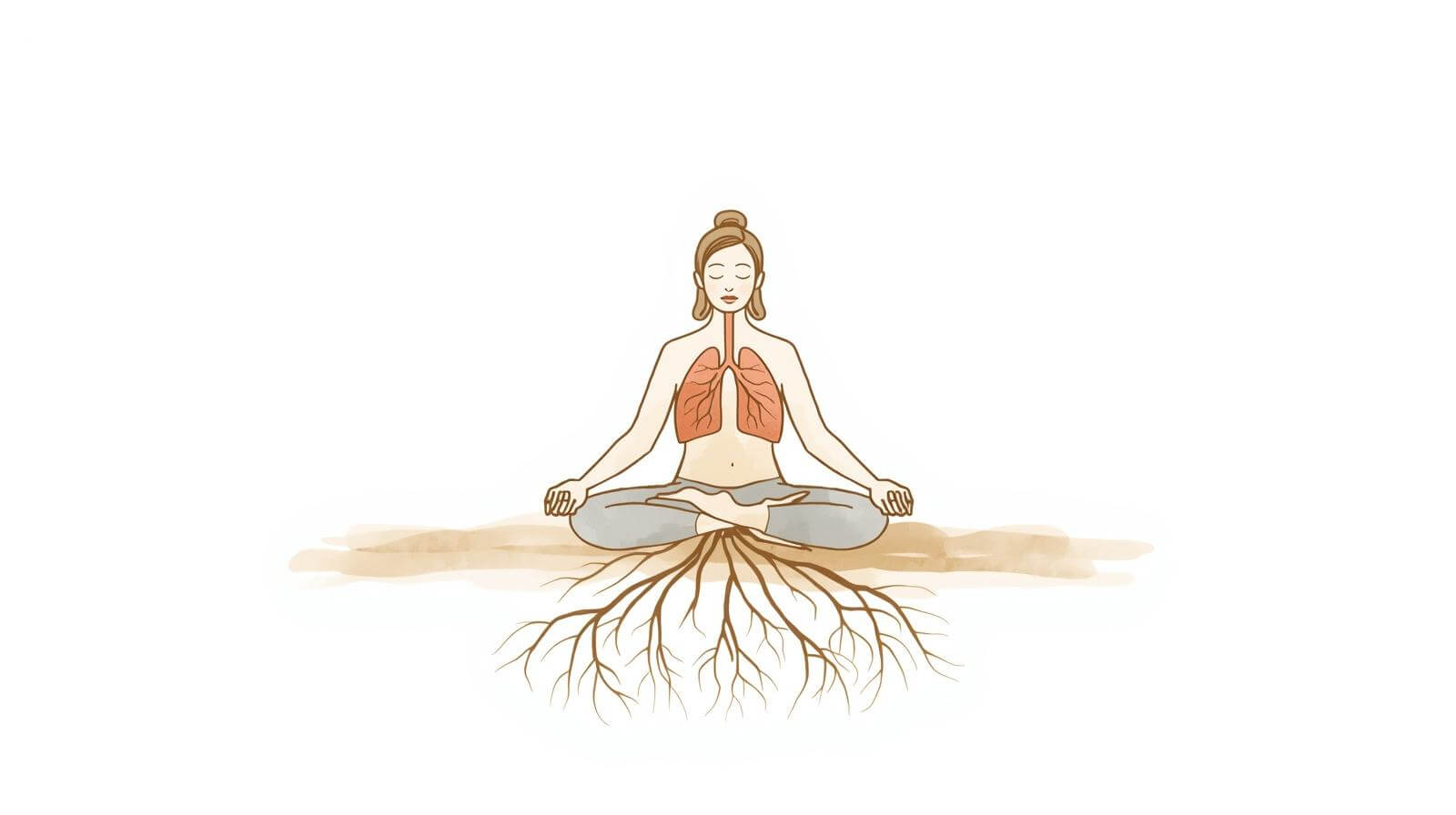
Energetic Decluttering

Clearing Space for a Powerful New Year

As the calendar turns, many of us feel a natural urge to hit the “reset” button. While a standard New Year’s resolution might involve a gym membership, a truly powerful start begins exactly where you are: in your home and your mind.

Energetic decluttering is the practice of removing physical, digital, and mental “noise” to allow fresh, positive energy to flow into your life. It’s not just about throwing away old clothes; it’s about making room for the version of yourself you want to become in the year ahead.


Why Energetic Decluttering Matters

Everything in your environment holds a vibration. Stagnant clutter – like that pile of mail on the counter or the 4,000 unread emails in your inbox – acts as an energetic anchor, keeping you tethered to the past. By clearing this space, you:

  • Reduce Cortisol: A cluttered home is often linked to higher stress levels.
  • Boost Manifestation: In Feng Shui, “new energy cannot enter a full house.” Clearing space literally invites new opportunities.
  • Sharpen Focus: A clear environment leads to a clear mind, making it easier to stick to your 2026 goals.

3 Pillars of Your New Year Reset

1. Physical: The “Weight” of the Past

Start with the items that carry emotional weight.

  • The One-Year Rule: If you haven’t used it or loved it in the last year, it’s time to release it.
  • The 20-Minute Burst: Don’t try to do the whole house at once. Set a timer for 20 minutes and tackle one “stagnant” zone, like a junk drawer or the bottom of your closet.
  • The Entryway: This is where energy (and you!) enters your home. Keep it clear, bright, and welcoming to signal to the universe that you are open for business.

2. Digital: The Invisible Clutter

Our digital lives often drain more energy than we realize.

  • The Inbox Purge: Use a tool to mass-unsubscribe from newsletters that no longer inspire you. Archive anything older than 30 days.
  • Camera Roll Reset: Delete those 15 nearly identical photos of your lunch. Keep only what sparks a memory or joy.
  • The Desktop Deep Clean: A cluttered computer desktop is visual static. File your documents and start with a fresh, inspiring wallpaper.

3. Energetic: Clearing the “Vibe”

Once the physical clutter is gone, you must clear the “energetic residue.”

  • Sound Clearing: Walk through your home ringing a bell, using chimes, or even clapping loudly in the corners where energy tends to get “stuck.”
  •  Smoke or Salt: Use ethically sourced Palo Santo or Sage to “smudge” your space, or place small bowls of sea salt in the corners of a room for 24 hours to absorb negative vibes, then discard the salt.
  • Fresh Air: Open every window in your home for at least 10 minutes – even if it’s cold. Let the old year out and the new year in.

As you declutter, do it with intention. Instead of thinking, “I’m cleaning,” think, “I am releasing what no longer serves me to make room for my highest good.”

Happy New Year—may your space be light, your mind be clear, and your year be powerful.

Vision Casting

We often hear about goal setting, but how often do we talk about Vision Casting?

While a goal is a target you want to hit, a vision is the identity you want to inhabit. Vision casting is the process of painting a vivid, detailed picture of your future self so clearly that your brain begins to recognize it as your current reality.

If you’ve ever felt like you’re “checking the boxes” but not actually changing, it’s because you’re focusing on what you are.

We’ve all been there: you set a massive goal on January 1st, stay excited for exactly three days, and then life gets in the way. Suddenly, the “future you” feels like a distant stranger living in a different zip code.

You revert to old habits, and that version of yourself – the one who is disciplined, calm, and successful—seems like a fictional character.

The problem isn’t your willpower. The problem is that you are chasing a goal without casting a vision. Goals tell you what you want to achieve; vision casting tells you who you need to be.

To bridge the gap between where you are and where you want to be, you must learn to embody your highest self today. Here is how you do it.

1. Define the Character of Your Highest Self

Vision casting starts with a character audit. If you met the highest version of yourself on the street, what would you notice? Don’t look at their bank account; look at their essence.

  • How do they respond to stress? Instead of spiraling, they respond with calm, perspective, and a solution-oriented mindset.
  • What is their energy like in a room? They don’t shrink to fit in; their presence is confident, inviting, and grounded.
  • How do they treat their body? They don’t see exercise as a chore; they treat their body as a temple of high performance, fueling it with intention and movement.

The Shift: Stop asking “What do I want to do?” and start asking “Who is the person who already has what I want?”

2. Move from Goal – Setting to Identity – Shifting

A goal is an external target (e.g., “I want to write a book”). An identity is an internal state (e.g., “I am a writer”).

When you cast a vision, you are choosing a new identity. When your actions stem from your identity, they become effortless. The highest version of you doesn’t have to “try” to wake up early; they wake up early because that is simply who they are.

3. Close the “Zip Code” Gap

If your highest self feels like they live in a different zip code, it’s because your daily environment is still reflecting your old self. To embody the new version, you must bring that “future zip code” into your current reality through micro-embodiments:

  • Dress the Part: Even if you work from home, dress in a way that makes you feel like the CEO of your life.
  • Curate Your Inputs: Listen to the podcasts and read the books that the highest version of you would find interesting.
  • Audit Your Language: Stop saying “I’m trying to…” and start saying “I am…” or “I choose to…”

4. The Daily Vision Cast

Vision casting isn’t a one-time event; it’s a daily practice. Every morning, spend five minutes in “The Future Lab.” Close your eyes and visualize yourself navigating your day as your highest version.

See yourself handling that difficult meeting with grace. See yourself choosing the healthy meal. Feel the pride of a day well-spent. By the time you open your eyes, your brain won’t know the difference between the vision and reality—and you will find yourself acting accordingly.

Setting Aligned Intentions

Visioning Your Spiritual Path for 2026

Aligned intentions are not resolutions—they’re energetic commitments. Instead of forcing change, they guide your spirit toward what feels authentic, expansive, and aligned.

Before setting intentions for 2026, ground yourself in the energy of possibility. You’ve reflected. You’ve released. You’ve renewed. Now it’s time to create.

Try these steps for setting intentional, soul-led goals:

  1. Choose a Soul Theme for 2026
    Words like peace, expansion, surrender, joy, authenticity, or courage set the frequency for the year.
  2. Create a Vision List Instead of a To-Do List
    What do you want to feel? What experiences does your soul crave?
  3. Affirm Your Path
    Repeat: “I move into 2026 with clarity, purpose, and divine alignment.”

When intentions come from the heart and not the ego, they unfold with ease.


How to Make Gratitude a Cornerstone of Your Lifestyle

Over the past three weeks, we’ve explored the power of daily gratitude, techniques to deepen your appreciation, and strategies to shift from a scarcity to an abundance mindset. This final post in our series focuses on the crucial next step: how to sustain this beautiful shift and integrate gratitude so deeply into your life that it becomes a natural, effortless part of who you are. This isn’t just about practices; it’s about making gratitude a lifestyle.

From Practice to Lifestyle: The Power of Consistency
Starting a gratitude journal or doing a weekly reflection is a fantastic beginning. But to truly live an abundant life, gratitude needs to move beyond a scheduled “task” and become an intrinsic part of your daily existence. It’s the small, consistent acts of appreciation and the mindful awareness of blessings throughout your day that create lasting change. Think of it like a muscle: the more you use it, the stronger it gets, making gratitude your default setting.

Practical Strategies for Lifestyle Integration

  • Anchor Gratitude to Daily Routines: Connect gratitude to activities you already do. As you brush your teeth, think of three things you’re grateful for that day. While waiting for your coffee, reflect on one positive expectation for the hours ahead.
  • Create Gratitude Triggers: Place visual cues around your home or workspace. A gratitude jar on your kitchen counter, a sticky note on your mirror with an inspiring quote, or even your phone’s wallpaper can serve as gentle reminders to pause and appreciate.
  • “Bookend” Your Day with Gratitude: Start your day by setting an intention for gratitude and end it by reviewing moments of appreciation. This frames your entire day with a positive, abundant outlook.
  • Share Your Gratitude: Expressing thanks to others not only strengthens your own feelings of appreciation but also spreads positivity and strengthens relationships, creating an upward spiral of good. Write thank-you notes, send appreciative texts, or simply voice your gratitude.
  • Mindful Consumption: Be conscious of what you consume – media, food, experiences. Practice gratitude for the nourishment, the information, and the enjoyment, rather than mindlessly taking it in.
  • Regular Gratitude Check-ins: Schedule a quick “gratitude check-in” with yourself a few times a day. It could be a brief mental scan: “What am I grateful for right now, in this very moment?”

The Long-Term Benefits of a Gratitude-Rich Life
Making gratitude a lifestyle isn’t just about feeling good in the moment; it offers profound long-term benefits. Studies show that consistently grateful people tend to experience:

  • Greater overall happiness and life satisfaction
  • Increased resilience to stress and adversity
  • Improved physical health and sleep
  • Stronger, more meaningful relationships
  • A heightened sense of purpose and meaning

This integrated approach solidifies your abundance mindset, transforming how you perceive the world and your place within it.

Conclusion:
Sustaining an abundance mindset through consistent gratitude isn’t a destination; it’s a beautiful journey. By weaving appreciation into the fabric of your daily life, you create a rich tapestry of joy, resilience, and endless possibilities. Embrace gratitude not just as a practice, but as a way of life, and watch your world bloom with abundance.

Outsmart Scarcity

How to Reframe Challenges into Abundant Opportunities

Even with the best gratitude practice, moments of challenge and perceived scarcity will arise. It’s in these moments that our mindset is truly tested. This week, we’ll explore how to actively shift your perspective from a scarcity-driven fear to an abundance-focused view of opportunity, even when things feel tough. This isn’t about ignoring problems, but about seeing them through a lens of potential growth and learning.

Understanding the Scarcity Trap
A scarcity mindset tells us there isn’t enough – not enough time, money, love, or opportunities. It often stems from past experiences or societal conditioning and can manifest as fear, anxiety, envy, and a tendency to hold onto things (or ideas) too tightly. It blinds us to possibilities and keeps us stuck in a cycle of lack.

The Power of Perspective Reframing
Perspective reframing is the conscious act of changing the way you look at a situation, especially a challenging one. It’s about asking, “What else could this mean?” or “What can I learn from this?” Instead of seeing a setback as an end, you start to see it as a detour, a lesson, or an unexpected opening for something new.

Practical Steps to Shift Your View

  • Identify the Scarcity Thought: Catch yourself when you’re thinking, “I don’t have enough,” or “This is impossible.” Write it down.
  • Question the Thought: Is it absolutely true? What evidence supports it? What evidence contradicts it? Often, scarcity thoughts are based on assumptions or past fears, not current reality.
  • Find the Hidden Opportunity: For every challenge, there’s usually a hidden opportunity for growth, learning, or innovation.
    • Challenge: “I lost my job.”
    • Reframed Opportunity: “This is a chance to pursue a career I’m more passionate about, learn new skills, or start my own venture.”
    • Challenge: “My business proposal was rejected.”
    • Reframed Opportunity: “This feedback helps me refine my idea, strengthens my resilience, and opens the door to collaborating with a different partner.”
  • Practice Gratitude in Adversity: Even in tough times, there are often things to be grateful for – your health, supportive friends, lessons learned, or simply the resilience you’re discovering. Acknowledging these can soften the blow of scarcity and open your mind to solutions.
  • Limit Exposure to Scarcity Narratives: Be mindful of news, social media, or conversations that constantly focus on lack, fear, and negativity. Seek out inspiring stories of resilience and abundance.

Shifting from a scarcity mindset to one of abundance is an ongoing practice, but it’s one of the most empowering shifts you can make. By actively reframing challenges, questioning limiting beliefs, and integrating gratitude, you’ll not only navigate difficulties with more grace but also discover a wealth of opportunities you might have otherwise missed.

Related Posts:

The Power of Thankfulness

Beyond Thank you

Outsmart Scarcity

The Energetics of Connection

Aligning Your Relationships with Your Soul’s Vibration

Every relationship in our lives carries a unique energetic frequency. Some connections leave us feeling uplifted and inspired, while others can feel draining and heavy. This week, we explore the energetics of connection and how to align your relationships with the vibration of your soul’s path.

Understanding the Energy of Your Relationships

Think about how you feel after spending time with different people in your life. Do you feel expanded and joyful, or contracted and depleted? This is a reflection of the energetic exchange between you. Authentic, soul-aligned relationships are those that feel resonant and life-affirming on an energetic level.

Are Your Relationships Draining or Energizing You?

It’s important to take an honest inventory of your relationships. Notice which connections consistently lift you up and which ones tend to bring you down. This isn’t about judging others, but rather about recognizing which relationships are in alignment with the person you are becoming.

The Law of Attraction in Friendships and Partnerships

The energy you put out is the energy you attract. By focusing on cultivating your own inner peace, joy, and authenticity, you naturally draw in people who resonate with that higher vibration. As you evolve on your soul’s path, you may find that some relationships naturally fall away to make space for new, more aligned connections.

How to Raise Your Vibration to Attract Soul-Aligned Connections

  • Practice Gratitude: A daily gratitude practice can significantly shift your energetic state.
  • Engage in Joyful Activities: Make time for things that make your heart sing.
  • Mindfulness and Meditation: These practices help to clear your mind and connect you to your inner guidance.

Rituals to Clear and Protect Your Relational Energy

  • Cord-Cutting Meditation: A visualization to release energetic attachments to people or situations that no longer serve you.
  • Setting Energetic Boundaries: Before interacting with others, visualize yourself surrounded by a protective light.

By becoming more conscious of the energy of your relationships, you can intentionally cultivate connections that nourish your soul and support your highest evolution.

The Power of Self-Awareness in Building Deeper Connections

The Foundation of Authentic Relationships: Knowing Yourself

Welcome to our journey of building authentic relationships! Before we can truly connect with others on a soul level, we must first cultivate a deep and honest relationship with ourselves. Authenticity in relationships begins with self-awareness. It’s about understanding who you are at your core, what you value, and what your soul truly desires.

What Does It Mean to Be Authentic in a Relationship?

Being authentic means showing up as your true self, without a mask. It’s about being vulnerable enough to let others see your imperfections, your passions, and your unique perspective. When we are authentic, we give others the opportunity to connect with the real us, paving the way for a relationship built on trust and genuine understanding.

The Power of Self-Awareness in Building Deeper Connections

Self-awareness is the cornerstone of authenticity. When you know yourself, you can communicate your needs, desires, and boundaries more clearly. This understanding of your inner world allows you to interact with others from a place of confidence and integrity. You’ll find that the more you understand yourself, the more you’ll attract and cultivate relationships that are in true alignment with your soul’s path.

Uncovering Your Core Values: The Compass to Your Soul’s Path

Your core values are the fundamental beliefs that guide your actions and decisions. They are the essence of who you are. When your relationships are aligned with your core values, you experience a sense of harmony and purpose. Take some time to reflect on what truly matters to you. Is it honesty, compassion, growth, or adventure? Identifying your values is like finding your North Star—it will guide you toward relationships that resonate with your spirit.

Practical Steps to Cultivate Self-Knowledge

  • Mindful Observation: Pay attention to your thoughts, feelings, and reactions without judgment.
  • Seek Feedback: Ask trusted friends or mentors for their honest perceptions of you.
  • Explore Your Interests: What activities make you feel alive and joyful? Your passions often reveal a great deal about your true self.

Journal Prompts for Deeper Self-Discovery

  • What are my five core values, and how do they show up in my current relationships?
  • When do I feel most like my authentic self?
  • What fears or beliefs hold me back from being truly seen by others?

By embarking on this journey of self-discovery, you are laying a powerful foundation for building the authentic, soul-aligned relationships you desire.

Beyond Beliefs

Limiting Belief

How to Embody Your New Truth and Live a Liberated Life

Over the past four weeks, we have journeyed from awareness to action. You’ve identified, challenged, and reframed your limiting beliefs. But the final—and most crucial—step is embodiment. How do you make your new, empowering beliefs your default setting?

Transformation is not a one-time event; it’s a daily practice. Here’s how to integrate your new truths and live a truly liberated life.

1. Create a Daily Reinforcement Ritual
Your old beliefs had years of reinforcement. Your new ones need the same attention. Spend 5-10 minutes every morning actively aligning with your new reality. This could include:

  • Reading your reframes aloud: Speak your new beliefs with conviction.
  • Meditation: Visualize yourself living and acting from this new belief. Feel the emotions of confidence, peace, and joy.
  • Journaling: Write about how your day would look if you fully embodied your new truth.

2. Hunt for Evidence (Become a “Proof Collector”)
Your brain loves proof. Throughout your day, consciously look for evidence that supports your new belief. Did you speak up in a meeting? (Proof that my voice matters.) Did you stick to a boundary? (Proof that I am worthy of respect.) Did an unexpected discount appear? (Proof that abundance flows to me.) Acknowledge and celebrate every single piece of evidence.

3. Curate Your Environment
You cannot grow a beautiful garden in toxic soil. Your environment—the people you follow on social media, the friends you talk to, the books you read, the podcasts you listen to—is the soil for your beliefs.

  • Unfollow accounts that make you feel “less than.”
  • Spend time with people who uplift and support your growth.
  • Consume content that aligns with your new, expansive vision for your life.

4. Practice Self-Compassion When You Slip
You will have days when the old beliefs creep back in. This is normal. The goal is not perfection; it is awareness. When you catch an old thought, don’t beat yourself up. Simply notice it with compassion, like you’re observing a cloud passing in the sky. Say, “Ah, there’s that old story again. I know that’s not my truth anymore.” Then, gently pivot back to your new belief.

The Journey Forward
Releasing limiting beliefs is a lifelong dance of awareness, choice, and practice. You now have the tools not just to change your thoughts, but to fundamentally change your life. You are no longer a victim of your subconscious programming. You are the conscious creator of your reality. Go forward and live it.

How to Conquer the 3 Most Common Limiting Beliefs

Limiting Belief

While our limiting beliefs can be unique, many of us struggle with the same core themes. They tend to cluster around three critical areas of life: Money, Love, and our fundamental sense of Worthiness.

This week, we’re applying last week’s reframing technique to these “Big Three.” See if any of these sound familiar.

1. The Money Belief: “I Have to Work Hard to Make Money” / “Money is Scarce”

This belief keeps you stuck in a cycle of burnout and scarcity. It tells you that ease and abundance are not for you.

  • The Old Story: Money is the root of all evil. You have to trade your life force for it. There’s never enough.
  • Challenge it: Is it true that every wealthy person works 100 hours a week? Can money be used for good? Is it possible that value, not just hard labor, creates wealth?
  • The New Story (Reframe): “I create value with ease and am open to receiving abundance.” or “Money flows to me from expected and unexpected sources.” or “I am a responsible and grateful steward of my financial resources.”
  • Embody It: Invest in a course to learn a high-value skill. Start a “side hustle” that you enjoy. Track your income and celebrate every dollar.

2. The Love Belief: “I’m Not Lovable” / “All the Good Ones Are Taken”

This belief leads to self-sabotage in relationships or avoiding them altogether. It convinces you that you must settle or be alone.

  • The Old Story: I have to be perfect to be loved. Love is painful and always ends. I’m too damaged/old/complicated.
  • Challenge it: Is there anyone in the world with flaws who is in a happy relationship? (Yes, everyone!) Have you ever felt love, even for a moment?
  • The New Story (Reframe): “I am worthy of a loving, healthy, and supportive partnership.” or “I attract love by being my authentic self.” or “I am open to giving and receiving love.”
  • Embody It: Take yourself on a date. Write a list of all the things you love about yourself. Set and enforce a healthy boundary with someone.

3. The Worthiness Belief: “I Am Not Good Enough”

This is the master belief that fuels all the others. It’s the feeling that, at your core, you are fundamentally flawed.

  • The Old Story: I need to achieve X, Y, and Z to be worthy. My worth is determined by my productivity, appearance, or others’ opinions.
  • Challenge it: Were you “good enough” as a baby? Did you have to do anything to deserve love then? Where did you learn that your inherent worth was conditional?
  • The New Story (Reframe): “My worth is inherent and unconditional.” or “I am enough, exactly as I am right now.” or “I approve of myself and release the need for external validation.”
  • Embody It: Spend 5 minutes in silence just being with yourself. Forgive yourself for a past mistake. Say “no” to something that drains you.

Confronting these big beliefs is life-changing. Pick the one that resonates most and start rewriting its story today. Next week, we’ll talk about how to make these new beliefs stick for the long haul.

From Limiting to Liberating

Limiting Belief

A 4-Step Guide to Rewire Your Beliefs

You’ve done the hard work of identifying your limiting beliefs. Now what? You can’t just “decide” to stop believing them. You have to actively challenge and replace them. This is the art of the reframe—a conscious process of rewriting your inner script.

Here is a simple but profound 4-step framework to transform any limiting belief into an empowering one.

Step 1: Acknowledge and Question the Belief
Take a belief from your list. Let’s use “I’m not creative enough to start my own business.” First, acknowledge it without judgment. Then, put it on trial. Ask yourself:

  • Is this 100% true, without a doubt?
  • Can I find any evidence from my past that contradicts this? (Even a tiny example will do!)
  • Who would I be without this belief? How would I act?

The goal here is to create doubt. A belief can’t survive if it’s no longer seen as an absolute fact.

Step 2: Find the “Positive Intention”
Every limiting belief, no matter how destructive, was originally formed to protect you from something—failure, rejection, getting hurt. What is your belief trying to protect you from? For “I’m not creative enough,” the positive intention might be to protect you from the financial risk and potential embarrassment of a failed business. Thank your mind for trying to keep you safe.

Step 3: Create a New, Empowering Belief (The Reframe)
Now, it’s time to write a new story. Your new belief should be positive, present-tense, and believable to you. It’s not about jumping from “I’m worthless” to “I’m the greatest person alive.” It’s about finding a stepping stone.

  • Limiting: “I’m not creative enough.”
  • Weak Reframe: “I am the most creative person in the world.” (Too big a leap)
  • Powerful Reframe: “I am learning to trust my creative ideas,” or “My unique perspective is a creative asset,” or “I am capable of developing the creative skills I need.”

Step 4: Embody the New Belief
A new belief needs proof to stick. So, you must actively look for evidence to support it. If your new belief is “I am learning to trust my creative ideas,” your task is to take one small action that proves it. Brainstorm one idea for your business. Sketch a logo. Talk to one person about your concept. Each action is a vote for your new reality.

Repeat this process for your most prominent beliefs. It takes practice, but each reframe tears down a section of that invisible wall. Next week, we’ll tackle the three most common limiting beliefs head-on!

0
    0
    Your Cart
    Your cart is emptyReturn to Shop