What Are Limiting Beliefs and How Are They Secretly Running Your Life?

Limiting Belief

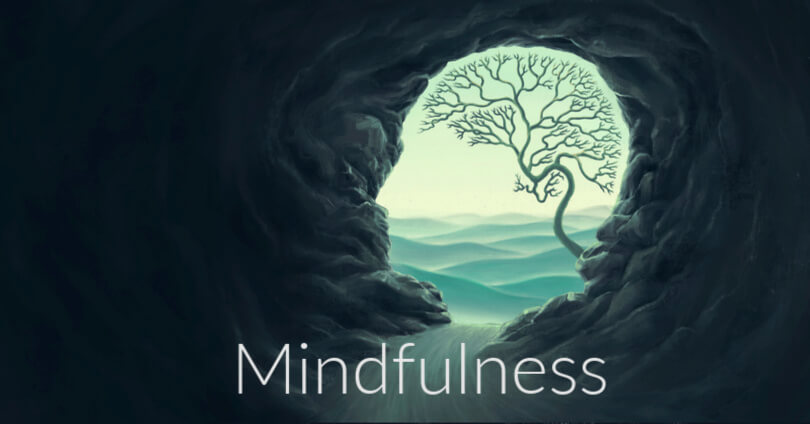
Are you feeling stuck? Do you ever feel like you’re hitting an invisible wall in your career, relationships, or personal development? You have goals and dreams, but something always seems to get in the way. That “something” might not be external—it could be your own limiting beliefs.

What Exactly Are Limiting Beliefs?

Limiting beliefs are the subconscious thoughts, stories, and assumptions you hold about yourself, others, and the world. They act as a filter through which you see everything, and they often dictate your actions without you even realizing it. They are the “I can’t,” “I’m not good enough,” and “It’s not possible for me” scripts playing on a loop in the back of your mind.

Where Do They Come From?

These beliefs are rarely chosen consciously. They are often formed in childhood from:

  • Things our parents or teachers said.
  • Experiences of failure or rejection.
  • Societal messages and cultural norms.
  • Past traumas, big or small.

Because they are formed so early, we accept them as absolute truths, like “the sky is blue.”

How to Start Spotting Your Own Invisible Walls

Awareness is the first, most powerful step. This week, become a detective of your own mind.

  1. Listen to Your Language: Pay attention to sentences that start with “I can’t,” “I should,” “I’m not,” or “I always…” These are red flags.
  2. Identify Recurring Patterns: Do you always date the same type of person? Do you consistently get overlooked for promotions? These patterns are often rooted in a core belief (e.g., “I’m not worthy of a healthy relationship” or “I’m not smart enough for a leadership role”).
  3. Follow the Feeling: When you think about a big goal, what’s the first feeling that comes up? If it’s fear, dread, or anxiety, ask yourself: “What would I have to believe is true for me to feel this way?”

This week, your only task is to observe. Grab a journal and start writing down any limiting thoughts you catch, without judgment. Next week, we’ll explore how to dig deeper and unearth the beliefs you don’t even know you have.

The Foundation of Energy: What Are Chakras and Why They Matter

Mentor

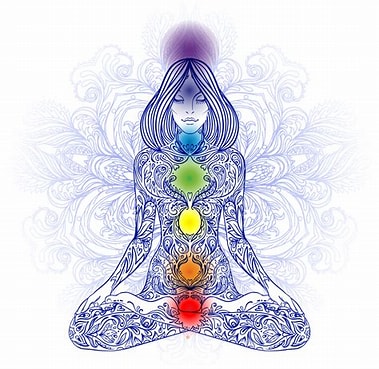
Your body is more than muscles, bones, and organs—it’s also made of energy. The chakra system is an ancient concept that maps this energy flow throughout the body. Derived from Sanskrit, “chakra” means “wheel,” and each of the seven main chakras represents a spinning energy center that governs specific emotional, physical, and spiritual aspects of your life.

  • Root Chakra (Muladhara): Safety, survival, grounding
  • Sacral Chakra (Svadhisthana): Creativity, pleasure, emotions
  • Solar Plexus Chakra (Manipura): Confidence, willpower, self-esteem
  • Heart Chakra (Anahata): Love, compassion, connection
  • Throat Chakra (Vishuddha): Communication, truth, expression
  • Third Eye Chakra (Ajna): Intuition, clarity, insight
  • Crown Chakra (Sahasrara): Spiritual connection, consciousness

Balanced chakras contribute to well-being, clarity, and inner peace. When blocked, they can cause emotional and physical imbalance. Over the next few weeks, we’ll explore how to clear energy, align chakras, and open yourself to a healthier spiritual flow.

Rooted in the Earth — Grounding Techniques for Daily Life

Mentor

In the whirlwind of modern life, it’s easy to feel disconnected — from ourselves, others, and the Earth beneath our feet. Grounding, also known as earthing, is the practice of intentionally reconnecting with the Earth’s energy to bring the body and spirit back into balance. It’s a simple yet powerful way to come home to the present moment and remember our place in the natural world.

Why Grounding Matters

From an energetic perspective, grounding stabilizes our root chakra, which governs our sense of safety, security, and belonging. When we’re grounded, we feel calmer, clearer, and more able to navigate life’s challenges with resilience.

Scientifically, grounding has been shown to reduce inflammation, improve sleep, and support overall well-being. The Earth’s surface carries a subtle electric charge, and when we make direct contact — whether through bare feet on the soil or hands in the garden — our bodies absorb this healing energy.

Daily Grounding Techniques

1. Barefoot Walking (Earthing)
Kick off your shoes and walk barefoot on grass, sand, or soil. As your feet press into the Earth, imagine roots extending down from your soles, anchoring you deeply into the ground.

2. Breathwork with the Earth Element
Find a quiet outdoor space and take slow, intentional breaths. With each inhale, visualize drawing in the Earth’s supportive energy. With each exhale, release tension and let it be absorbed by the ground.

3. Grounding Visualization
Sit or lie down comfortably. Close your eyes and imagine yourself as a tree — your spine as the trunk, your arms as branches, and roots growing from your feet deep into the Earth. Feel the nourishment flowing up through your roots.

4. Gardening or Touching Soil
Get your hands dirty. Gardening or even just placing your hands in the soil connects you with the Earth’s cycles and reminds you of your role as both steward and child of the planet.

5. Nature Anchors
Carry a grounding crystal like hematite, smoky quartz, or red jasper in your pocket. Use it as a physical reminder throughout the day to stay present and rooted.

A Grounded Reflection

Try this journal prompt after practicing grounding:
“When I slow down and connect to the Earth, I notice…”
Allow your thoughts to flow without judgment. Often, clarity and inspiration arise when we’re grounded in the present.


As we begin this month of deepening our connection with nature, let this first week be a gentle reminder: the Earth is always here, offering support, stability, and healing. All we have to do is return.

Awakening the Artist Within — Spiritual Tools to Reignite Passion and Purpose

Mentor

In the quiet moments of life, many of us feel a longing — a call to create, to express, to connect with something deeper within ourselves. Yet somewhere along the way, that artistic fire can dim. Responsibilities, self-doubt, and external noise often drown out the inner voice that once whispered stories, painted images, or danced freely. But here’s the truth: your creative essence never left you — it only needs to be awakened.

At The Awakening Tulip LLC, we believe that creativity is a sacred gift, a reflection of your soul’s vibrancy. Reconnecting with it isn’t about learning something new — it’s about remembering what has always lived within you. Through spiritual tools like breathwork, visualization, and sacred sound, you can reawaken the artist within and step boldly into your purpose.


Breathwork: Clearing Space for Inspiration

Breath is life. It grounds us, energizes us, and connects us to the present moment — the birthplace of creativity. Conscious breathwork helps release stagnant energy, clear mental fog, and open pathways for inspiration to flow.

Try this simple technique:
4-7-8 Breath

  • Inhale through your nose for 4 counts
  • Hold your breath for 7 counts
  • Exhale slowly through your mouth for 8 counts

Repeat this for a few minutes before engaging in any creative process. Feel how your body softens, your mind quiets, and your inner voice begins to rise. As tension melts away, space is created — and inspiration finds room to bloom.


Visualization: Reclaiming Your Creative Vision

Your imagination is a sacred portal — a tool that bridges the spiritual and physical realms. Visualization activates the subconscious, aligning you with your deepest desires and visions.

Try this practice:

  • Find a quiet space and close your eyes.
  • Picture your creative self fully alive — painting, writing, dancing, singing, crafting.
  • Notice the colors, sounds, and feelings. What are you creating? How do you feel?
  • Allow yourself to feel the joy, confidence, and divine connection in that moment.

Visualization turns possibility into reality. When you see yourself as a creator, you begin to believe it — and believing is the first step to becoming.


Sacred Sound: Vibrating with Divine Creativity

Sound is vibration, and vibration is the language of the universe. Through sacred sound practices like chanting, singing bowls, or drumming, we activate our energy centers and clear blocks that limit our creative expression.

You can begin with a simple OM chant.

  • Sit comfortably, take a deep breath, and allow the sound to resonate from your belly.
  • Feel the vibration rise through your heart and throat — your creative and expressive centers.

Regular sound healing sessions, or even simply listening to uplifting music attuned to your intention, can shift your energy and align you with divine inspiration.


Your Creativity is Sacred

Awakening the artist within isn’t about perfection — it’s about presence. It’s about honoring the whisper of your soul and allowing it to express through your unique gifts. Whether you’re picking up a paintbrush after years, dancing in your living room, or journaling by candlelight — you are engaging in sacred practice.

Through breathwork, visualization, and sound, you’re not just creating art — you’re creating healing, wholeness, and purpose.


You are a divine creator. Let the tools of spirit guide you back to your passion. Your art matters — because your soul matters.

With love and light,
Kimberly Cornier
Energy Practitioner & Spiritual Mentor
AwakeningTulip.com

Journaling with the Soul: Writing as a Spiritual Practice to Unearth Creativity

Journaling

Learn how intentional journaling can become a tool for spiritual growth and creative discovery.


Have you ever felt a whisper from within, nudging you to pick up a pen and simply write? Not for the sake of grammar or structure—but to connect, release, and rediscover? That whisper is your soul calling you back home, and journaling is the sacred bridge.

In the rush of daily life, it’s easy to become disconnected from our inner wisdom. Journaling as a spiritual practice invites us to pause, reflect, and listen. When we write from the soul, we give ourselves permission to explore the deeper layers of who we are, to unearth the creativity that lives just beneath the surface.

What Is Soul Journaling?

Soul journaling is more than a diary entry or to-do list. It’s a sacred conversation with your higher self. Through intentional, heart-centered writing, we open ourselves to divine guidance, emotional healing, and self-awareness. This kind of journaling isn’t about perfection—it’s about presence.

Each word becomes a breadcrumb, leading us deeper into our inner world. Over time, these breadcrumbs form a path toward our most authentic self.


The Spiritual Benefits of Journaling

  1. Deepened Self-Awareness
    When we journal consistently with intention, we begin to notice patterns in our thoughts, behaviors, and beliefs. This self-awareness becomes the first step to personal transformation.
  2. Emotional Healing
    Writing can be profoundly therapeutic. It allows us to name our emotions, honor our pain, and release the energy that no longer serves us.
  3. Connection to Higher Guidance
    When journaling from the heart, we often receive insights we didn’t know we were ready for. Many call this their intuition, inner knowing, or even divine wisdom.
  4. Awakening Creativity
    As we peel away limiting beliefs and inner judgment, creativity flows more freely. Journaling quiets the noise so we can hear the muse whispering fresh ideas, dreams, and possibilities.

How to Start Your Soul Journaling Practice

You don’t need fancy tools or a strict schedule—just a willingness to be honest and open. Here are some steps to guide you:

1. Create a Sacred Space
Light a candle, play soft music, or simply take a few deep breaths. Let your environment signal that this time is just for you.

2. Set an Intention
Before writing, ask yourself: “What does my soul want to say today?” or “What truth am I ready to uncover?” Allow your heart to lead.

3. Let It Flow
Don’t censor yourself. Forget punctuation and grammar. Write what comes—even if it doesn’t make sense at first. This is your sacred space to be fully you.

4. Reflect with Compassion
After journaling, sit with what arose. There’s no need to fix or judge—only to witness with love.


Journaling Prompts for Spiritual & Creative Discovery

  • What is my soul longing to express today?
  • Where in my life do I need more freedom?
  • What does creativity mean to me in this season?
  • What limiting belief am I ready to release?
  • If I fully trusted my intuition, what would I do next?

Final Thoughts

Journaling with the soul is a sacred act of remembrance. It helps us come home to our true self, heal what’s been hidden, and rediscover the wellspring of creativity that lives within. In the quiet moments with pen in hand, you may find that the voice you’ve been searching for is your own.

So write, not just to remember—but to awaken.
Write, not to impress—but to express.
Write, because your soul is ready to speak.

Creative Energy & the Chakras

Unblocking the Flow of Inspiration

Introduction
Creativity isn’t just about painting a masterpiece or writing a novel—it’s the divine spark within us that drives innovation, problem-solving, expression, and transformation. When our creative energy feels blocked or stagnant, it often points to deeper energetic imbalances. By aligning and activating the chakras, we can unblock the natural flow of inspiration and awaken our fullest creative potential. This post explores how each chakra influences creativity and offers guidance to awaken your inner muse through chakra healing and alignment.


The Chakra System: Gateways of Energy

The chakras are spinning wheels of energy aligned along the spine, each governing different aspects of our physical, emotional, and spiritual well-being. When these centers are balanced, energy flows freely—fueling every part of our lives, including our ability to create and express ourselves. Let’s take a journey through the seven main chakras and uncover their role in igniting creative energy.


🌱 Root Chakra (Muladhara)

Color: Red | Element: Earth | Location: Base of spine

The Root Chakra grounds us in our body and the physical world. It’s our foundation of safety, stability, and survival. Creative expression requires a strong sense of grounding—without it, ideas may never come to life.

Signs of Blockage: Feeling unmotivated, insecure, disconnected from your body.

Healing Practices:

  • Grounding meditations
  • Walking barefoot on the Earth
  • Using affirmations like “I am safe to express myself”
  • Root vegetables and red crystals (like garnet)

🧡 Sacral Chakra (Svadhisthana)

Color: Orange | Element: Water | Location: Below the navel

The Sacral Chakra is the wellspring of creativity, sensuality, and emotional flow. When open, this chakra allows ideas to flow like water—fluid, passionate, and unrestricted.

Signs of Blockage: Creative stagnation, fear of judgment, emotional numbness, lack of pleasure.

Healing Practices:

  • Dance or movement therapy
  • Water rituals and moon bathing
  • Embracing sensuality and pleasure
  • Working with orange crystals like carnelian

💛 Solar Plexus Chakra (Manipura)

Color: Yellow | Element: Fire | Location: Stomach area

This chakra governs personal power, confidence, and the ability to take creative ideas and bring them into action. It fuels your will to manifest your visions.

Signs of Blockage: Self-doubt, procrastination, fear of failure.

Healing Practices:

  • Core-strengthening yoga poses
  • Fire ceremonies or sun meditation
  • Journaling affirmations like “I am confident in my creative power”
  • Yellow stones like citrine

💚 Heart Chakra (Anahata)

Color: Green | Element: Air | Location: Center of the chest

Creativity from the heart is infused with love, compassion, and authenticity. This chakra is the bridge between the lower, action-oriented chakras and the higher, visionary centers.

Signs of Blockage: Feeling uninspired, closed off, disconnected from purpose.

Healing Practices:

  • Heart-opening yoga poses
  • Practicing gratitude and self-love
  • Expressing your emotions through art or music
  • Rose quartz or green aventurine crystals

💙 Throat Chakra (Vishuddha)

Color: Blue | Element: Ether | Location: Throat

This is the chakra of self-expression and communication. It’s how you speak your truth and share your creative voice with the world.

Signs of Blockage: Fear of speaking, trouble expressing ideas, creative shyness.

Healing Practices:

  • Chanting, singing, or humming
  • Speaking affirmations like “My voice is powerful”
  • Drinking herbal teas to soothe the throat
  • Blue crystals like lapis lazuli

💜 Third Eye Chakra (Ajna)

Color: Indigo | Element: Light | Location: Forehead

The Third Eye is your portal to imagination, intuition, and inner vision. It helps you access higher realms of creativity and insight.

Signs of Blockage: Lack of clarity, creative confusion, trouble visualizing.

Healing Practices:

  • Visualization and dream journaling
  • Working with intuition-enhancing herbs like mugwort
  • Indigo crystals like amethyst or sodalite

🤍 Crown Chakra (Sahasrara)

Color: Violet/White | Element: Thought | Location: Top of the head

The Crown Chakra connects you to divine wisdom, inspiration, and universal energy. When this chakra is open, creativity feels like divine download.

Signs of Blockage: Feeling spiritually disconnected, lack of inspiration, creative burnout.

Healing Practices:

  • Silent meditation or breathwork
  • Spending time in stillness or nature
  • Surrendering control and trusting divine timing
  • Crystals like clear quartz or selenite

Awaken Your Creative Flow

Creativity is not something you must chase—it is your birthright. Often, the blocks we feel are simply energy asking to move, shift, or be expressed. By aligning your chakras through mindful practices, breath, sound, movement, and intention, you can clear the energetic channels and allow creativity to flow effortlessly once again.


Reflection Prompt:
Which chakra do you feel most called to work with right now to support your creative journey?

Affirmation:
“I am a divine creator. My energy flows freely. I express my truth with joy and inspiration.”


Ready to Dive Deeper?
Explore chakra balancing sessions, energy healing, and creative coaching at The Awakening Tulip. Let’s nurture your inner artist and unblock your sacred flow of inspiration.


From Stillness to Inspiration: Using Mindfulness to Awaken Hidden Passions

Discover how mindfulness practices can help you reconnect with forgotten dreams and spark new artistic pursuits.

In the hustle of daily life, our true passions can become buried under responsibilities and distractions. Mindfulness offers a pathway to rediscover these hidden desires by bringing focused attention to the present moment.

The Connection Between Mindfulness and Creativity

Practicing mindfulness enhances your ability to observe thoughts and feelings without judgment. This heightened awareness can reveal long-forgotten interests and open doors to new creative outlets. Research indicates that mindfulness can boost divergent thinking, a key component of creativity. ​

Practical Mindfulness Techniques

  • Breath Awareness: Regularly focusing on your breath anchors you in the present and creates mental space for creative ideas to emerge.​
  • Body Scans: Paying attention to physical sensations can uncover emotions linked to suppressed passions, guiding you toward activities that resonate deeply.​
  • Mindful Observation: Engaging fully with your surroundings can inspire fresh perspectives and ideas. For instance, observing nature with all your senses can lead to creative insights.​

Integrating Mindfulness into Daily Life

Set aside dedicated time each day for mindfulness practices. Over time, this commitment can peel back layers of routine and rediscover the passions that bring you joy and fulfillment.​

Unlocking Your Creative Spirit: A Journey Within

Mentor

Creativity is not just about painting, writing, or making music—it is a divine expression of the soul. When we unlock our creative spirit, we tap into an infinite source of inspiration that flows through us, guiding us toward self-discovery and deeper connection. But how do we access this creative fire, especially when we feel blocked or uninspired? The key lies in spirituality.

The Sacred Connection Between Spirituality and Creativity

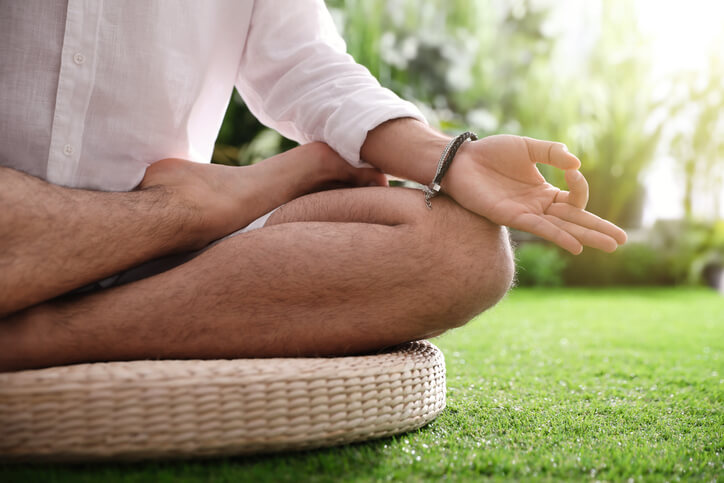
Creativity and spirituality are deeply intertwined. Both require surrender, trust, and a willingness to explore the unknown. When we embrace spiritual practices such as meditation, mindfulness, and intention-setting, we create space for creativity to flourish. These practices quiet the mind, clear inner resistance, and open us up to new possibilities.

Meditation: The Gateway to Inspired Creation

Meditation is a powerful tool for unlocking creativity. It allows us to silence the mental chatter and tune into the whispers of our inner muse. Through meditation, we become more receptive to divine inspiration, receiving insights and ideas that we may not have accessed otherwise.

Try This:

  1. Find a quiet space and sit comfortably.
  2. Close your eyes and take a few deep breaths.
  3. Visualize a golden light filling your body, dissolving any creative blocks.
  4. Set an intention: “I open myself to divine creativity.”
  5. Sit in stillness and observe any thoughts, images, or inspirations that arise.

By practicing meditation regularly, you create an inner sanctuary where creativity can flow freely.

Mindfulness: Finding Inspiration in the Present Moment

Mindfulness is the art of being fully present. When we slow down and become aware of our surroundings, we begin to notice the beauty, colors, and patterns of life. This presence fuels our creativity, transforming ordinary moments into sources of inspiration.

Ways to Cultivate Mindfulness for Creativity:

  • Take a nature walk and observe the details around you—listen to the sounds, feel the textures, and breathe in the scents.
  • Engage in a creative activity like painting, writing, or dancing without judgment—just allow the experience to unfold.
  • Practice mindful breathing to anchor yourself in the now and enhance creative awareness.

Intention-Setting: Directing Creative Energy

Setting an intention is like planting a seed in the universe. When we declare our creative desires, we align our energy with manifestation. Intentions give our creativity purpose and direction, making it easier to overcome resistance and self-doubt.

Create a Daily Creative Intention:

  • “I trust my creative process and allow inspiration to flow effortlessly.”
  • “I release perfectionism and embrace the joy of creation.”
  • “I honor my unique creative voice and share it with the world.”

Write your intention in a journal or say it aloud each morning to anchor it into your consciousness.

Embracing Your Creative Awakening

Unlocking your creative spirit is a journey of self-discovery. By integrating meditation, mindfulness, and intention-setting into your daily life, you cultivate a deeper connection to your inner wisdom. Creativity is not something you force—it is something you allow. When you surrender to the flow, you awaken the divine artist within and bring forth your most authentic expression.

So take a deep breath, trust the process, and let your creative light shine.

The Power of Breath: Techniques for Reducing Stress and Finding Inner Peace

In the rush of daily life, it’s easy to become overwhelmed by stress, anxiety, and mental clutter. However, one of the most powerful tools for finding calm and balance is something we often take for granted—our breath. Conscious breathing can shift our energy, regulate our nervous system, and bring us into a state of peace and mindfulness. In this blog post, we will explore the power of breath and techniques that can help you reduce stress and cultivate inner harmony.

The Connection Between Breath and Mind

Breath is the bridge between the body and mind. When we are anxious or stressed, our breathing tends to become shallow and rapid, signaling the body’s fight-or-flight response. By slowing down and deepening our breath, we send a message to the nervous system that we are safe, triggering the relaxation response. This simple yet profound shift can help us regain clarity, presence, and inner peace.

Breathing Techniques for Stress Reduction

1. Diaphragmatic Breathing (Belly Breathing)

This technique engages the diaphragm, allowing for deep, full breaths that calm the mind and body. How to Practice:

  • Sit or lie down in a comfortable position.
  • Place one hand on your chest and the other on your abdomen.
  • Inhale deeply through your nose, allowing your belly to rise while keeping your chest still.
  • Exhale slowly through your mouth, feeling your abdomen fall.
  • Repeat for several minutes, focusing on the rhythm of your breath.

2. Alternate Nostril Breathing (Nadi Shodhana)

A balancing breath practice that harmonizes the left and right hemispheres of the brain, promoting relaxation and mental clarity. How to Practice:

  • Sit comfortably with a straight spine.
  • Use your right thumb to close your right nostril and inhale through your left nostril.
  • Close your left nostril with your right ring finger and release your right nostril.
  • Exhale through your right nostril, then inhale through the right nostril.
  • Close the right nostril again, release the left nostril, and exhale through the left.
  • Repeat for a few minutes, focusing on the breath’s flow.

3. 4-7-8 Breathing (Relaxing Breath)

This technique is excellent for reducing anxiety and promoting sleep. How to Practice:

  • Inhale through your nose for 4 seconds.
  • Hold the breath for 7 seconds.
  • Exhale slowly through your mouth for 8 seconds.
  • Repeat this cycle for four breaths, gradually increasing as needed.

4. Box Breathing (Square Breathing)

A method used by athletes and military personnel to maintain focus and composure under stress. How to Practice:

  • Inhale through your nose for 4 seconds.
  • Hold the breath for 4 seconds.
  • Exhale through your mouth for 4 seconds.
  • Hold again for 4 seconds before beginning the next inhale.
  • Repeat for several rounds, visualizing a square as you breathe.

Integrating Breathwork into Daily Life

Breath awareness doesn’t have to be limited to formal practice; it can be integrated into everyday activities. Try the following:

  • Take deep, mindful breaths while waiting in line or sitting in traffic.
  • Start and end your day with a few minutes of conscious breathing.
  • Use breath techniques before a stressful meeting or conversation.
  • Practice breath awareness during meditation, yoga, or mindful walking.

Conclusion

Breath is a powerful tool for transformation, offering a pathway to reduce stress, increase mindfulness, and reconnect with inner peace. By incorporating simple breathing techniques into your daily routine, you can cultivate a sense of calm and clarity, no matter the external circumstances. Start today—breathe deeply, exhale fully, and embrace the tranquility that already resides within you.

Mindful Living: Simple Habits to Stay Grounded in the Now

Mentor

In our fast-paced world, it’s easy to get caught up in distractions and lose touch with the present moment. Practicing mindfulness can help you reconnect, reduce stress, and foster a sense of inner peace. By incorporating simple habits into your daily life, you can stay grounded and cultivate mindfulness with ease. Here are some practical ways to live more mindfully:

1. Begin Your Day with Intent

Starting your morning with a mindful intention sets the tone for the day. Before jumping out of bed, take a few moments to breathe deeply and silently affirm how you want to show up in the world. A simple statement like, “Today, I will be present and calm” can anchor you in mindfulness.

2. Embrace Conscious Breathing

Your breath is a powerful tool for returning to the present moment. Throughout the day, pause for a few deep breaths. Focus on the sensation of the air entering and leaving your body. This practice can be especially helpful during stressful moments, helping you reset and refocus.

3. Create Mindful Transitions

Each time you switch tasks, pause for a moment to center yourself. Whether you’re moving from work to home, ending a phone call, or starting a meal, take a brief moment to breathe deeply and observe your surroundings. These mindful pauses help you stay present throughout the day.

4. Practice Gratitude

Cultivating gratitude grounds you in the present moment by shifting your focus to what is good and positive. Take a few moments each day to reflect on three things you are grateful for. This simple habit encourages mindfulness and brings a sense of fulfillment.

5. Engage Fully in Everyday Tasks

Bring mindfulness to your routine activities such as washing dishes, brushing your teeth, or walking. Focus on the sensations, sounds, and textures involved. By immersing yourself in these moments, you invite mindfulness into your daily life.

6. Limit Digital Distractions

Technology often pulls us away from the present. Set boundaries by designating specific times to check emails or social media. Consider creating screen-free zones in your home to encourage mindfulness in your surroundings.

7. End the Day with Reflection

Before bed, spend a few minutes reflecting on your day. Acknowledge moments where you felt fully present, and notice what helped you stay grounded. This practice not only encourages mindfulness but also nurtures self-awareness and growth.

Final Thoughts

Mindful living is not about perfection but about consistent practice. By weaving these simple habits into your daily life, you can create a sense of calm, clarity, and balance. Embrace the present moment, one mindful breath at a time.

0
    0
    Your Cart
    Your cart is emptyReturn to Shop
    Verified by MonsterInsights