Creating Healthier, Soul-Aligned Relationships

Creating Connections That Honor Your Energy, Truth, and Growth

Relationships are powerful mirrors. They reflect our inner world, our healing, and our capacity for love—both for ourselves and others. When we begin to live consciously and energetically aligned, our relationships naturally evolve. Some deepen. Some shift. Some gently fall away.

Creating healthier, soul-aligned relationships isn’t about perfection—it’s about presence, honesty, and energetic integrity.

As a spiritual life coach and energetic practitioner, I often guide clients through the process of releasing relational patterns that no longer serve their growth and welcoming connections that feel nourishing, respectful, and authentic.

What Are Soul-Aligned Relationships?

Soul-aligned relationships are connections that honor your emotional, spiritual, and energetic well-being. These relationships support your growth rather than diminish it. They are rooted in mutual respect, conscious communication, and energetic balance.

A soul-aligned relationship:

  • Feels safe, supportive, and authentic
  • Encourages growth and self-expression
  • Honors boundaries and emotional truth
  • Respects energetic sensitivity and needs
  • Allows space for healing and transformation

These relationships don’t require you to abandon yourself to be loved.

The Role of Energy in Relationships

Every interaction carries energy. Unspoken emotions, unresolved wounds, and limiting beliefs can quietly shape how we connect. When our energy is depleted or misaligned, we may attract relationships rooted in codependency, imbalance, or emotional exhaustion.

Energetic awareness allows you to:

  • Recognize when a relationship feels draining or expansive
  • Set boundaries without guilt
  • Release energetic cords tied to old patterns
  • Communicate from clarity rather than reactivity

When your energy is grounded and aligned, your relationships naturally shift to meet you there.

Healing Patterns That Block Soul-Aligned Connections

Many relationship challenges stem from subconscious patterns formed through past experiences, trauma, or conditioning. These may include:

  • Fear of abandonment or rejection
  • Over-giving and people-pleasing
  • Avoidance of vulnerability
  • Difficulty trusting intuition
  • Repeating familiar but unhealthy dynamics

Through practices such as energy healing, mindfulness, EFT tapping, and self-reflection, these patterns can be gently released—creating space for healthier connections.

Practices to Cultivate Healthier Relationships

1. Strengthen Your Relationship With Yourself
Self-trust and self-respect form the foundation of every healthy relationship. When you honor your needs, others learn how to treat you.

2. Set Energetic and Emotional Boundaries
Boundaries are acts of self-love, not separation. They protect your energy and allow relationships to grow in balance.

3. Practice Conscious Communication
Speak from the heart with clarity and compassion. Listen without defensiveness. Communication is energy in motion.

4. Ground and Clear Your Energy Regularly
Daily grounding practices—such as meditation, breathwork, or time in nature—help you remain centered and emotionally regulated.

5. Trust Your Intuition
Your body and energy field often recognize alignment before your mind does. Pay attention to what feels expansive versus heavy.

Allowing Relationships to Evolve

As you grow spiritually and energetically, not all relationships will continue in the same way—and that’s okay. Soul-aligned living invites compassion, honesty, and grace, even when change is necessary.

Releasing misaligned connections creates space for relationships that honor who you are becoming.

Final Reflection

Healthy, soul-aligned relationships begin within. When you choose to live in energetic integrity, you invite connections that reflect your truth, healing, and wholeness.

You are worthy of relationships that support your light—not dim it.

Vision Casting

We often hear about goal setting, but how often do we talk about Vision Casting?

While a goal is a target you want to hit, a vision is the identity you want to inhabit. Vision casting is the process of painting a vivid, detailed picture of your future self so clearly that your brain begins to recognize it as your current reality.

If you’ve ever felt like you’re “checking the boxes” but not actually changing, it’s because you’re focusing on what you are.

We’ve all been there: you set a massive goal on January 1st, stay excited for exactly three days, and then life gets in the way. Suddenly, the “future you” feels like a distant stranger living in a different zip code.

You revert to old habits, and that version of yourself – the one who is disciplined, calm, and successful—seems like a fictional character.

The problem isn’t your willpower. The problem is that you are chasing a goal without casting a vision. Goals tell you what you want to achieve; vision casting tells you who you need to be.

To bridge the gap between where you are and where you want to be, you must learn to embody your highest self today. Here is how you do it.

1. Define the Character of Your Highest Self

Vision casting starts with a character audit. If you met the highest version of yourself on the street, what would you notice? Don’t look at their bank account; look at their essence.

  • How do they respond to stress? Instead of spiraling, they respond with calm, perspective, and a solution-oriented mindset.
  • What is their energy like in a room? They don’t shrink to fit in; their presence is confident, inviting, and grounded.
  • How do they treat their body? They don’t see exercise as a chore; they treat their body as a temple of high performance, fueling it with intention and movement.

The Shift: Stop asking “What do I want to do?” and start asking “Who is the person who already has what I want?”

2. Move from Goal – Setting to Identity – Shifting

A goal is an external target (e.g., “I want to write a book”). An identity is an internal state (e.g., “I am a writer”).

When you cast a vision, you are choosing a new identity. When your actions stem from your identity, they become effortless. The highest version of you doesn’t have to “try” to wake up early; they wake up early because that is simply who they are.

3. Close the “Zip Code” Gap

If your highest self feels like they live in a different zip code, it’s because your daily environment is still reflecting your old self. To embody the new version, you must bring that “future zip code” into your current reality through micro-embodiments:

  • Dress the Part: Even if you work from home, dress in a way that makes you feel like the CEO of your life.
  • Curate Your Inputs: Listen to the podcasts and read the books that the highest version of you would find interesting.
  • Audit Your Language: Stop saying “I’m trying to…” and start saying “I am…” or “I choose to…”

4. The Daily Vision Cast

Vision casting isn’t a one-time event; it’s a daily practice. Every morning, spend five minutes in “The Future Lab.” Close your eyes and visualize yourself navigating your day as your highest version.

See yourself handling that difficult meeting with grace. See yourself choosing the healthy meal. Feel the pride of a day well-spent. By the time you open your eyes, your brain won’t know the difference between the vision and reality—and you will find yourself acting accordingly.

How to Make Gratitude a Cornerstone of Your Lifestyle

Over the past three weeks, we’ve explored the power of daily gratitude, techniques to deepen your appreciation, and strategies to shift from a scarcity to an abundance mindset. This final post in our series focuses on the crucial next step: how to sustain this beautiful shift and integrate gratitude so deeply into your life that it becomes a natural, effortless part of who you are. This isn’t just about practices; it’s about making gratitude a lifestyle.

From Practice to Lifestyle: The Power of Consistency
Starting a gratitude journal or doing a weekly reflection is a fantastic beginning. But to truly live an abundant life, gratitude needs to move beyond a scheduled “task” and become an intrinsic part of your daily existence. It’s the small, consistent acts of appreciation and the mindful awareness of blessings throughout your day that create lasting change. Think of it like a muscle: the more you use it, the stronger it gets, making gratitude your default setting.

Practical Strategies for Lifestyle Integration

  • Anchor Gratitude to Daily Routines: Connect gratitude to activities you already do. As you brush your teeth, think of three things you’re grateful for that day. While waiting for your coffee, reflect on one positive expectation for the hours ahead.
  • Create Gratitude Triggers: Place visual cues around your home or workspace. A gratitude jar on your kitchen counter, a sticky note on your mirror with an inspiring quote, or even your phone’s wallpaper can serve as gentle reminders to pause and appreciate.
  • “Bookend” Your Day with Gratitude: Start your day by setting an intention for gratitude and end it by reviewing moments of appreciation. This frames your entire day with a positive, abundant outlook.
  • Share Your Gratitude: Expressing thanks to others not only strengthens your own feelings of appreciation but also spreads positivity and strengthens relationships, creating an upward spiral of good. Write thank-you notes, send appreciative texts, or simply voice your gratitude.
  • Mindful Consumption: Be conscious of what you consume – media, food, experiences. Practice gratitude for the nourishment, the information, and the enjoyment, rather than mindlessly taking it in.
  • Regular Gratitude Check-ins: Schedule a quick “gratitude check-in” with yourself a few times a day. It could be a brief mental scan: “What am I grateful for right now, in this very moment?”

The Long-Term Benefits of a Gratitude-Rich Life
Making gratitude a lifestyle isn’t just about feeling good in the moment; it offers profound long-term benefits. Studies show that consistently grateful people tend to experience:

  • Greater overall happiness and life satisfaction
  • Increased resilience to stress and adversity
  • Improved physical health and sleep
  • Stronger, more meaningful relationships
  • A heightened sense of purpose and meaning

This integrated approach solidifies your abundance mindset, transforming how you perceive the world and your place within it.

Conclusion:
Sustaining an abundance mindset through consistent gratitude isn’t a destination; it’s a beautiful journey. By weaving appreciation into the fabric of your daily life, you create a rich tapestry of joy, resilience, and endless possibilities. Embrace gratitude not just as a practice, but as a way of life, and watch your world bloom with abundance.

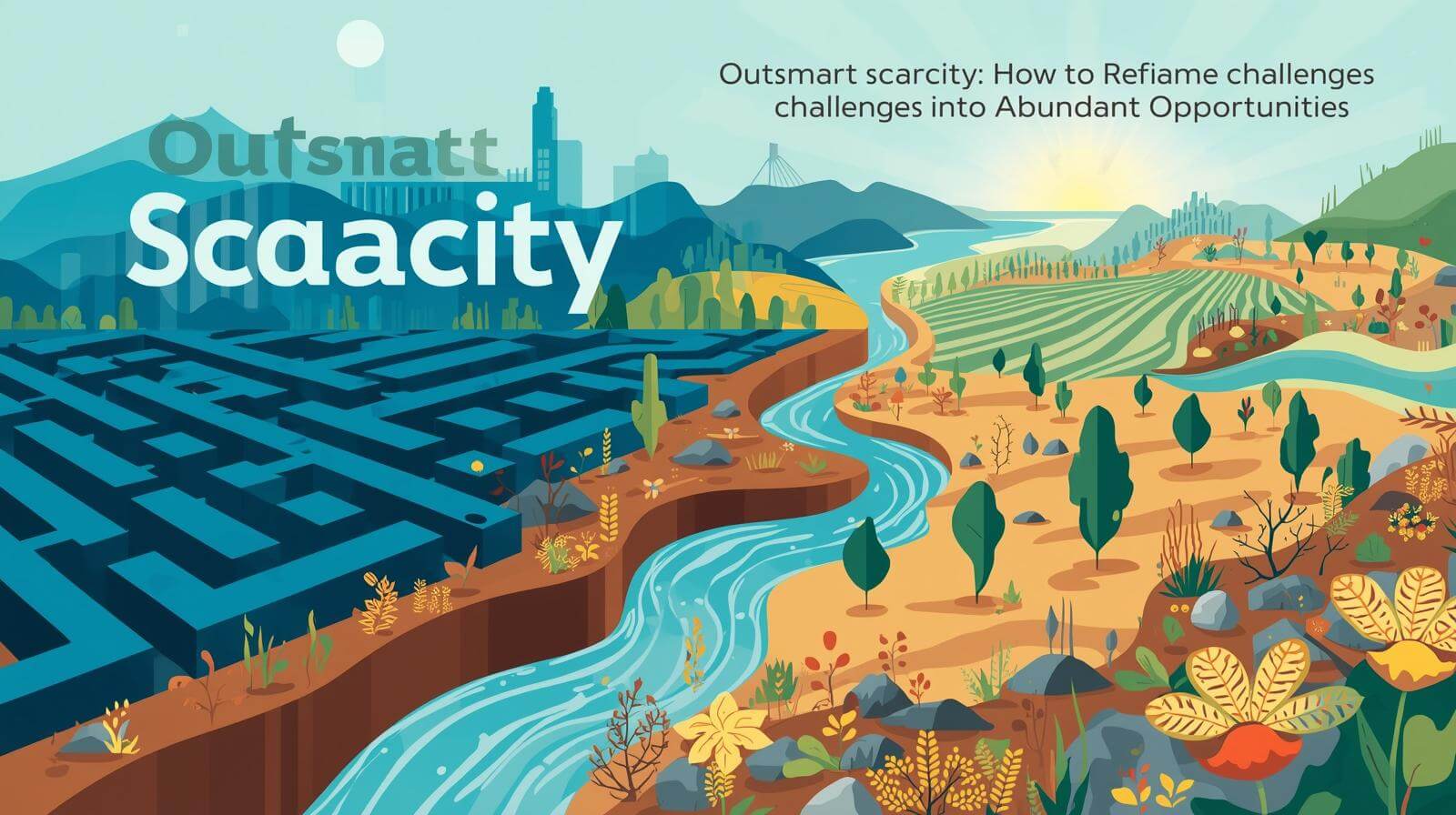
Outsmart Scarcity

How to Reframe Challenges into Abundant Opportunities

Even with the best gratitude practice, moments of challenge and perceived scarcity will arise. It’s in these moments that our mindset is truly tested. This week, we’ll explore how to actively shift your perspective from a scarcity-driven fear to an abundance-focused view of opportunity, even when things feel tough. This isn’t about ignoring problems, but about seeing them through a lens of potential growth and learning.

Understanding the Scarcity Trap
A scarcity mindset tells us there isn’t enough – not enough time, money, love, or opportunities. It often stems from past experiences or societal conditioning and can manifest as fear, anxiety, envy, and a tendency to hold onto things (or ideas) too tightly. It blinds us to possibilities and keeps us stuck in a cycle of lack.

The Power of Perspective Reframing
Perspective reframing is the conscious act of changing the way you look at a situation, especially a challenging one. It’s about asking, “What else could this mean?” or “What can I learn from this?” Instead of seeing a setback as an end, you start to see it as a detour, a lesson, or an unexpected opening for something new.

Practical Steps to Shift Your View

  • Identify the Scarcity Thought: Catch yourself when you’re thinking, “I don’t have enough,” or “This is impossible.” Write it down.
  • Question the Thought: Is it absolutely true? What evidence supports it? What evidence contradicts it? Often, scarcity thoughts are based on assumptions or past fears, not current reality.
  • Find the Hidden Opportunity: For every challenge, there’s usually a hidden opportunity for growth, learning, or innovation.
    • Challenge: “I lost my job.”
    • Reframed Opportunity: “This is a chance to pursue a career I’m more passionate about, learn new skills, or start my own venture.”
    • Challenge: “My business proposal was rejected.”
    • Reframed Opportunity: “This feedback helps me refine my idea, strengthens my resilience, and opens the door to collaborating with a different partner.”
  • Practice Gratitude in Adversity: Even in tough times, there are often things to be grateful for – your health, supportive friends, lessons learned, or simply the resilience you’re discovering. Acknowledging these can soften the blow of scarcity and open your mind to solutions.
  • Limit Exposure to Scarcity Narratives: Be mindful of news, social media, or conversations that constantly focus on lack, fear, and negativity. Seek out inspiring stories of resilience and abundance.

Shifting from a scarcity mindset to one of abundance is an ongoing practice, but it’s one of the most empowering shifts you can make. By actively reframing challenges, questioning limiting beliefs, and integrating gratitude, you’ll not only navigate difficulties with more grace but also discover a wealth of opportunities you might have otherwise missed.

Related Posts:

The Power of Thankfulness

Beyond Thank you

Outsmart Scarcity

Beyond “Thank You”

Deepening Your Gratitude Practice

Last week, we explored the basics of daily gratitude and its incredible potential to foster an abundance mindset. This week, we’re going beyond the simple “thank you” and diving into ways to deepen your gratitude practice. It’s about cultivating a richer, more profound sense of appreciation that can truly transform your emotional landscape and attract even more positive experiences.

The Difference Between Casual and Deep Gratitude
Casual gratitude is acknowledging something good that happened. Deep gratitude, however, involves a more visceral, emotional connection to the feeling of thankfulness. It’s not just what you’re grateful for, but how you feel about it. It’s pausing to truly savor the feeling, recognizing the effort or circumstances that led to it, and understanding its significance in your life.

Techniques to Cultivate Profound Appreciation

  • Sensory Gratitude: Don’t just list things; experience them. If you’re grateful for your morning coffee, take a moment to smell its aroma, feel the warmth of the mug, and taste its richness. If you’re grateful for nature, really see the colors, hear the sounds, and feel the breeze.
  • “Why” Gratitude: For each item on your gratitude list, ask yourself “why” you are grateful for it. For example, instead of just “I’m grateful for my job,” try: “I’m grateful for my job because it provides security, allows me to learn new things, and connects me with supportive colleagues.” This adds layers to your appreciation.
  • Contrasting Gratitude: Sometimes, appreciating the good means remembering what it’s like without it. Thinking about a past struggle you’ve
  • overcome can heighten your gratitude for your current well-being. This isn’t about dwelling on the negative, but about highlighting the contrast to magnify your appreciation.
  • Gratitude Meditation: Find a quiet space and focus on your breath. Then, bring to mind people, experiences, or objects you’re grateful for. Allow the feeling of gratitude to wash over you, noticing it in your body.

The Ripple Effect: How Deep Gratitude Attracts More Abundance
When you consistently practice deep gratitude, you aren’t just feeling good; you’re also changing your energetic vibration. You become more open, more positive, and more attuned to opportunities. This heightened state of being can act as a magnet, drawing more things, people, and experiences into your life that align with your grateful perspective. It’s the law of attraction in action, powered by genuine appreciation.

Conclusion:
Moving beyond superficial thankfulness to a deeper gratitude practice takes a little more intention, but the rewards are immense. By truly savoring and understanding your blessings, you strengthen your abundance mindset and open yourself up to a world of even greater possibilities.

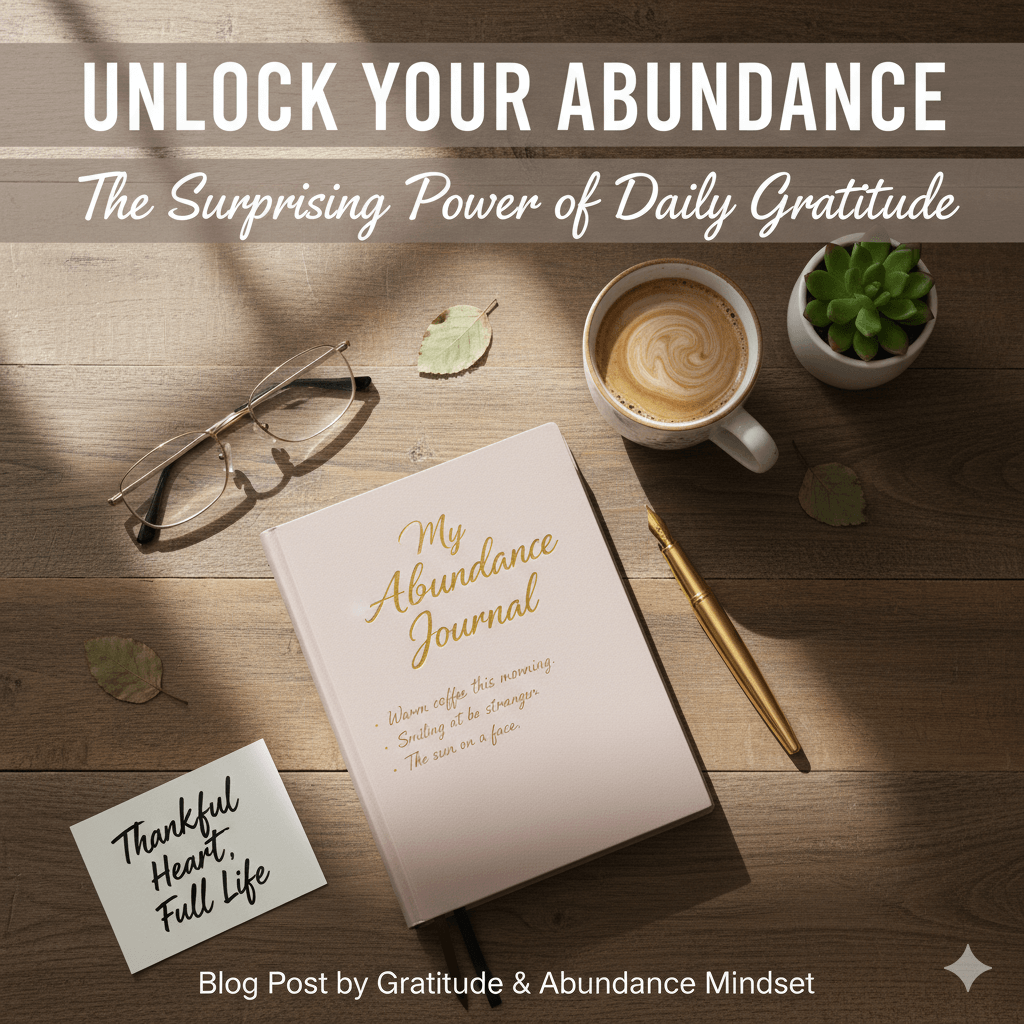
The Power of Thankfulness

The Power of Thankfulness

Unlocking Your Abundance Mindset

Do you ever feel like you’re constantly chasing the next big thing, always wanting more? While ambition is great, an insatiable desire for “more” can sometimes overshadow the incredible blessings already present in your life. This week, we’re diving into the transformative power of gratitude and how embracing it can profoundly shift your perspective from scarcity to an abundance mindset.

What is an Abundance Mindset?
An abundance mindset isn’t about having unlimited resources; it’s about believing there are enough resources and opportunities for everyone, including yourself. It’s the belief that good things are always possible and that you are capable of creating and attracting positive experiences. Conversely, a scarcity mindset focuses on limitations, lack, and the idea that there isn’t enough to go around.

Gratitude: Your Gateway to Abundance
How does gratitude fit into all of this? Gratitude is the conscious appreciation for what you have, rather than focusing on what you lack. When you consistently practice gratitude, you train your brain to notice the good, big and small, in your life. This simple shift in perspective is a direct pathway to cultivating an abundance mindset. You start to see opportunities instead of obstacles, and blessings instead of burdens.

Simple Gratitude Rituals to Start Today
Ready to begin your gratitude journey? Here are a few easy rituals you can incorporate into your daily life:

  • Gratitude Journal: Dedicate a few minutes each day to write down 3-5 things you’re grateful for. Be specific!
  • Morning Reflections: Before you even get out of bed, think of one thing you appreciate about the coming day or the past day.
  • Gratitude Walk: As you go about your day, consciously notice things that bring you joy or comfort – the warmth of the sun, a beautiful flower, a friendly face.
  • Express Thanks: Make it a point to genuinely thank someone each day, whether in person, by text, or a quick note.

Shifting to an abundance mindset doesn’t happen overnight, but consistent gratitude practice is a powerful catalyst. Start small, be consistent, and watch how your perspective—and your life—begins to transform.

Related Posts:

0
    0
    Your Cart
    Your cart is emptyReturn to Shop
    Verified by MonsterInsights