Vision Casting

We often hear about goal setting, but how often do we talk about Vision Casting?

While a goal is a target you want to hit, a vision is the identity you want to inhabit. Vision casting is the process of painting a vivid, detailed picture of your future self so clearly that your brain begins to recognize it as your current reality.

If you’ve ever felt like you’re “checking the boxes” but not actually changing, it’s because you’re focusing on what you are.

We’ve all been there: you set a massive goal on January 1st, stay excited for exactly three days, and then life gets in the way. Suddenly, the “future you” feels like a distant stranger living in a different zip code.

You revert to old habits, and that version of yourself – the one who is disciplined, calm, and successful—seems like a fictional character.

The problem isn’t your willpower. The problem is that you are chasing a goal without casting a vision. Goals tell you what you want to achieve; vision casting tells you who you need to be.

To bridge the gap between where you are and where you want to be, you must learn to embody your highest self today. Here is how you do it.

1. Define the Character of Your Highest Self

Vision casting starts with a character audit. If you met the highest version of yourself on the street, what would you notice? Don’t look at their bank account; look at their essence.

  • How do they respond to stress? Instead of spiraling, they respond with calm, perspective, and a solution-oriented mindset.
  • What is their energy like in a room? They don’t shrink to fit in; their presence is confident, inviting, and grounded.
  • How do they treat their body? They don’t see exercise as a chore; they treat their body as a temple of high performance, fueling it with intention and movement.

The Shift: Stop asking “What do I want to do?” and start asking “Who is the person who already has what I want?”

2. Move from Goal – Setting to Identity – Shifting

A goal is an external target (e.g., “I want to write a book”). An identity is an internal state (e.g., “I am a writer”).

When you cast a vision, you are choosing a new identity. When your actions stem from your identity, they become effortless. The highest version of you doesn’t have to “try” to wake up early; they wake up early because that is simply who they are.

3. Close the “Zip Code” Gap

If your highest self feels like they live in a different zip code, it’s because your daily environment is still reflecting your old self. To embody the new version, you must bring that “future zip code” into your current reality through micro-embodiments:

  • Dress the Part: Even if you work from home, dress in a way that makes you feel like the CEO of your life.
  • Curate Your Inputs: Listen to the podcasts and read the books that the highest version of you would find interesting.
  • Audit Your Language: Stop saying “I’m trying to…” and start saying “I am…” or “I choose to…”

4. The Daily Vision Cast

Vision casting isn’t a one-time event; it’s a daily practice. Every morning, spend five minutes in “The Future Lab.” Close your eyes and visualize yourself navigating your day as your highest version.

See yourself handling that difficult meeting with grace. See yourself choosing the healthy meal. Feel the pride of a day well-spent. By the time you open your eyes, your brain won’t know the difference between the vision and reality—and you will find yourself acting accordingly.

Nurturing Your Soul Tribe

Cultivating a Community of Authentic Connection

As we journey on our soul’s path, having a supportive community is invaluable. Your “soul tribe” is the group of people who see you, accept you, and champion your growth. This week, we explore how to find and nurture these deeply resonant connections.

What is a Soul Tribe and Why Do You Need One?

Your soul tribe is comprised of individuals who you feel an instant and deep connection with. These are the people who “get” you on a fundamental level. A soul tribe provides a sense of belonging, mutual support, and a safe space to be your most authentic self. They are the family you choose.

The Qualities of a Soul-Aligned Friendship

  • Unconditional Acceptance: They love and accept you for who you are, flaws and all.
  • Mutual Growth: They inspire you to be a better person and you do the same for them.
  • Shared Values: You are aligned on the things that truly matter in life.
  • Authentic Communication: You can be open and honest with each other without fear of judgment.

How to Call in Your Soul Tribe

Finding your soul tribe often happens when you are actively living in alignment with your own soul’s path.

  • Follow Your Passions: Get involved in activities and communities that light you up.
  • Be Your Authentic Self: The more you embody your true self, the more you will attract those who resonate with you.
  • Set the Intention: Clearly define the qualities you desire in your friendships and hold that intention in your heart.

Nurturing Your Community: The Give and Take of Authentic Connection

Like any relationship, your connection with your soul tribe requires nurturing. Be present for them, celebrate their wins, and offer support during challenges. Authentic community is built on a foundation of reciprocity and mutual care.

Celebrating Your Connections: Rituals for a Thriving Soul Tribe

  • Regular Gatherings: Create intentional time to connect, whether it’s a monthly dinner or a weekly check-in call.
  • Shared Practices: Engage in activities together that nourish your souls, like meditation, nature walks, or creative projects.

By calling in and nurturing your soul tribe, you create a powerful network of support that will enrich your life and help you stay true to your soul’s path.

Awaken Your Awareness: Practical Steps for Mindfulness in Everyday Life

Awaken Your Awareness: Practical Steps for Mindfulness in Everyday Life

In our fast-paced world, it’s easy to get caught up in the rush of daily responsibilities, often operating on autopilot. But mindfulness offers us a powerful tool to bring awareness, presence, and peace into our everyday lives. By cultivating mindfulness, we can deepen our connection with ourselves, others, and the world around us. Here are some practical steps to integrate mindfulness into your daily routine.

1. Start Your Day with Intention

Instead of reaching for your phone first thing in the morning, take a few deep breaths and set an intention for the day. Ask yourself, “How do I want to show up today?” This simple practice creates a mindful foundation for the rest of your day.

2. Practice Mindful Breathing

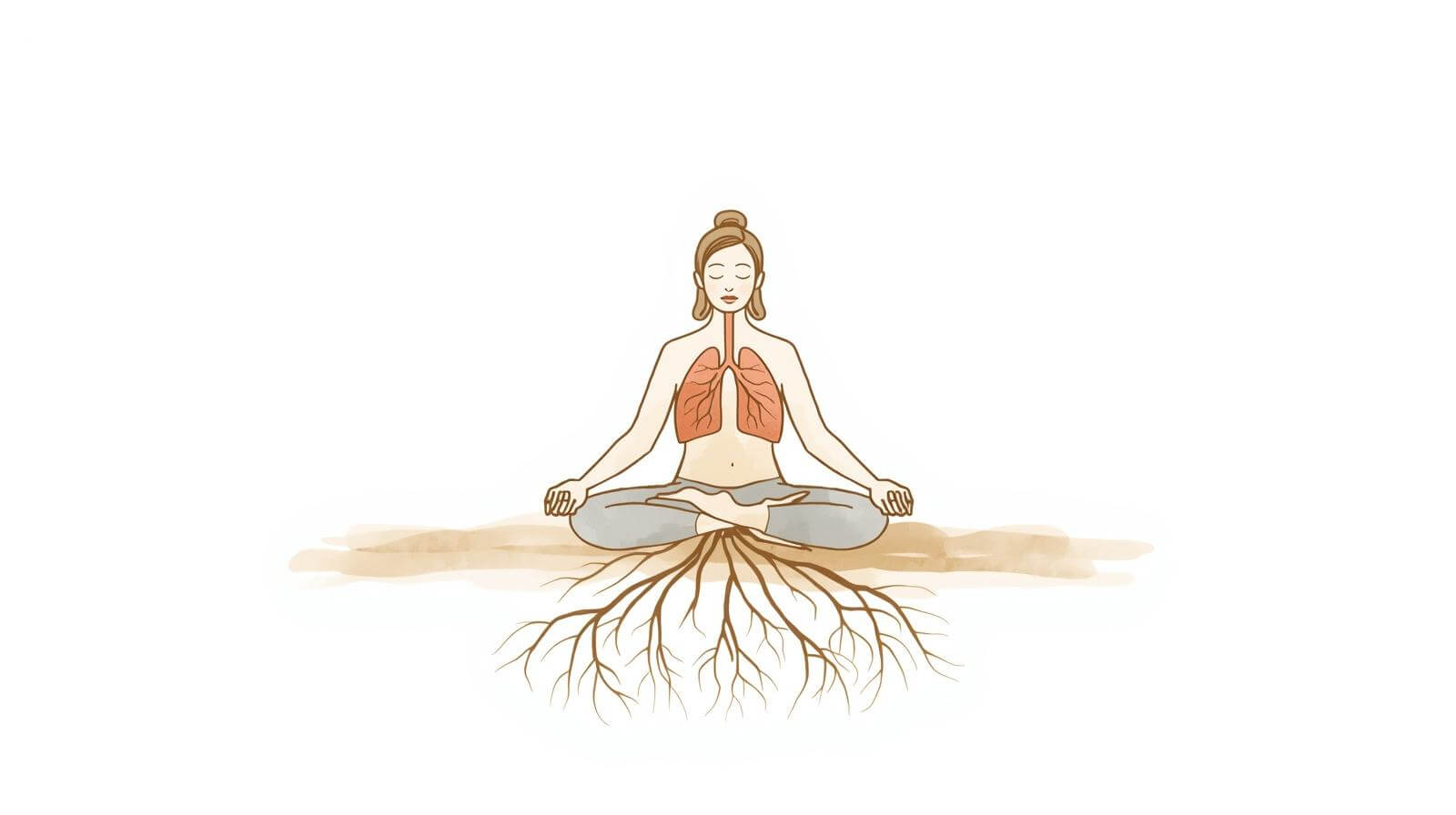
Our breath is always with us, making it a perfect anchor for mindfulness. Throughout the day, take a moment to focus on your breath. Inhale deeply through your nose, hold for a few seconds, and exhale slowly. This simple act helps to ground you in the present moment and reduces stress.

3. Engage in Conscious Eating

Eating is a daily activity often done mindlessly. Instead of rushing through meals, try eating with full awareness. Notice the colors, textures, and flavors of your food. Chew slowly and savor each bite. This practice enhances digestion and fosters gratitude for nourishment.

4. Be Present in Daily Activities

Whether you’re washing dishes, walking, or driving, bring full attention to what you’re doing. Observe the sensations, sounds, and movements involved in the activity. This transforms mundane tasks into opportunities for mindfulness.

5. Take Mindful Pauses

Throughout the day, pause for a few seconds to check in with yourself. Notice how you’re feeling physically, emotionally, and mentally. These mindful check-ins help you stay connected to your inner state and prevent stress from accumulating.

6. Cultivate Gratitude

At the end of the day, reflect on three things you’re grateful for. This practice shifts your focus from what’s missing to what’s abundant, fostering a sense of contentment and peace.

7. Create a Mindful Evening Routine

Before bed, engage in a calming practice such as journaling, meditation, or gentle stretching. This helps to quiet the mind, release the day’s tension, and prepare for restful sleep.

By incorporating these simple mindfulness practices, you can transform your daily life into a more peaceful, present, and fulfilling experience. Mindfulness is not about perfection but about bringing awareness to the present moment with compassion and curiosity. Start small, be patient with yourself, and watch as mindfulness brings greater clarity and joy into your life.

Are you ready to awaken your awareness? Begin today with just one mindful breath.

The Power of Breath: Techniques for Reducing Stress and Finding Inner Peace

In the rush of daily life, it’s easy to become overwhelmed by stress, anxiety, and mental clutter. However, one of the most powerful tools for finding calm and balance is something we often take for granted—our breath. Conscious breathing can shift our energy, regulate our nervous system, and bring us into a state of peace and mindfulness. In this blog post, we will explore the power of breath and techniques that can help you reduce stress and cultivate inner harmony.

The Connection Between Breath and Mind

Breath is the bridge between the body and mind. When we are anxious or stressed, our breathing tends to become shallow and rapid, signaling the body’s fight-or-flight response. By slowing down and deepening our breath, we send a message to the nervous system that we are safe, triggering the relaxation response. This simple yet profound shift can help us regain clarity, presence, and inner peace.

Breathing Techniques for Stress Reduction

1. Diaphragmatic Breathing (Belly Breathing)

This technique engages the diaphragm, allowing for deep, full breaths that calm the mind and body. How to Practice:

  • Sit or lie down in a comfortable position.
  • Place one hand on your chest and the other on your abdomen.
  • Inhale deeply through your nose, allowing your belly to rise while keeping your chest still.
  • Exhale slowly through your mouth, feeling your abdomen fall.
  • Repeat for several minutes, focusing on the rhythm of your breath.

2. Alternate Nostril Breathing (Nadi Shodhana)

A balancing breath practice that harmonizes the left and right hemispheres of the brain, promoting relaxation and mental clarity. How to Practice:

  • Sit comfortably with a straight spine.
  • Use your right thumb to close your right nostril and inhale through your left nostril.
  • Close your left nostril with your right ring finger and release your right nostril.
  • Exhale through your right nostril, then inhale through the right nostril.
  • Close the right nostril again, release the left nostril, and exhale through the left.
  • Repeat for a few minutes, focusing on the breath’s flow.

3. 4-7-8 Breathing (Relaxing Breath)

This technique is excellent for reducing anxiety and promoting sleep. How to Practice:

  • Inhale through your nose for 4 seconds.
  • Hold the breath for 7 seconds.
  • Exhale slowly through your mouth for 8 seconds.
  • Repeat this cycle for four breaths, gradually increasing as needed.

4. Box Breathing (Square Breathing)

A method used by athletes and military personnel to maintain focus and composure under stress. How to Practice:

  • Inhale through your nose for 4 seconds.
  • Hold the breath for 4 seconds.
  • Exhale through your mouth for 4 seconds.
  • Hold again for 4 seconds before beginning the next inhale.
  • Repeat for several rounds, visualizing a square as you breathe.

Integrating Breathwork into Daily Life

Breath awareness doesn’t have to be limited to formal practice; it can be integrated into everyday activities. Try the following:

  • Take deep, mindful breaths while waiting in line or sitting in traffic.
  • Start and end your day with a few minutes of conscious breathing.
  • Use breath techniques before a stressful meeting or conversation.
  • Practice breath awareness during meditation, yoga, or mindful walking.

Conclusion

Breath is a powerful tool for transformation, offering a pathway to reduce stress, increase mindfulness, and reconnect with inner peace. By incorporating simple breathing techniques into your daily routine, you can cultivate a sense of calm and clarity, no matter the external circumstances. Start today—breathe deeply, exhale fully, and embrace the tranquility that already resides within you.

The Art of Presence: How to Cultivate Mindfulness in Daily Life

In our fast-paced world, it’s easy to get caught up in the whirlwind of responsibilities, distractions, and worries about the past or future. However, true peace and fulfillment come from embracing the present moment. Mindfulness—the practice of being fully present and engaged in the now—can transform your daily life by reducing stress, enhancing awareness, and deepening your connection with yourself and the world around you.

The Power of Mindfulness

Mindfulness is not just a buzzword; it is a practice rooted in ancient traditions that has been scientifically proven to improve mental and emotional well-being. By bringing our attention to the present, we cultivate greater clarity, patience, and joy. The good news is that mindfulness doesn’t require hours of meditation—it can be effortlessly woven into everyday activities.

Simple Ways to Incorporate Mindfulness Into Daily Life

1. Mindful Breathing

One of the easiest ways to practice mindfulness is through conscious breathing. Take a few deep breaths, focusing on the sensation of air entering and leaving your body. This simple practice can ground you in the present and bring a sense of calm amidst a busy day.

2. Mindful Eating

Instead of rushing through meals, take time to truly savor each bite. Pay attention to the flavors, textures, and aromas of your food. Chew slowly, and express gratitude for the nourishment. Mindful eating not only enhances digestion but also strengthens your relationship with food.

3. Mindful Walking

Walking is an excellent opportunity to practice mindfulness. Whether you’re strolling in a park or walking to work, focus on the sensation of your feet touching the ground, the rhythm of your steps, and the sounds around you. Walking with awareness can transform an ordinary activity into a meditative experience.

4. Mindful Listening

How often do we truly listen when someone is speaking? Practice mindful listening by giving your full attention to the person in front of you. Avoid interrupting or planning your response while they talk. Simply be present and engaged in the conversation.

5. Mindful Tasks

Everyday chores, such as washing dishes, drinking tea, or folding laundry, can become acts of mindfulness. Instead of rushing through them, focus on the sensations involved. Feel the warmth of the water, the texture of the fabric, or the aroma of your tea. These small moments of awareness add up to a more mindful life.

6. Mindful Gratitude

Take a few moments each day to reflect on what you’re grateful for. A gratitude practice shifts your focus from what’s lacking to the abundance in your life. This simple habit cultivates joy and appreciation for the present moment.

Making Mindfulness a Way of Life

Mindfulness is not about achieving perfection but about gently bringing your awareness back to the present whenever your mind wanders. The more you practice, the more natural it becomes. By integrating mindfulness into your daily routine, you can experience greater peace, resilience, and a deeper connection to life itself.

Final Thoughts

Living mindfully is a gift you can give yourself every day. Whether it’s through breathing, eating, walking, listening, or expressing gratitude, each moment offers an opportunity to be fully present. Start small, be patient with yourself, and watch as mindfulness transforms the way you experience life.

The Role of Visualization in Spiritual Practice

In the vast realm of spiritual growth, visualization stands out as a powerful tool that can transform your inner world and amplify your connection to the divine. As a Spiritual Energy Practitioner and Mentor at The Awakening Tulip LLC, I have witnessed firsthand the profound impact that visualization can have on one’s spiritual journey. Whether you are new to spiritual practices or have been on this path for years, understanding and utilizing visualization can open new doors to enlightenment and inner peace.

What is Visualization?
Visualization is the practice of creating vivid mental images that align with your desires, goals, or spiritual intentions. It’s more than just daydreaming—it’s a focused and intentional process that allows you to harness the power of your mind to manifest change in your life. By picturing specific outcomes or experiences, you are engaging your subconscious mind, which plays a critical role in shaping your reality.

The Spiritual Significance of Visualization
In spiritual practice, visualization is more than a mental exercise; it is a bridge between the physical and spiritual realms. When you visualize, you tap into the energy of your thoughts and intentions, aligning them with the universe’s higher vibrations. This alignment can help you manifest your desires, heal emotional wounds, and connect more deeply with your higher self and the divine.

For example, many spiritual traditions incorporate visualization in meditation, prayer, or ritual. By visualizing light, energy, or divine symbols, practitioners can elevate their consciousness, attract positive energy, and deepen their spiritual connection. Visualization is also a key component in chakra healing, where one imagines energy flowing through and balancing each chakra, promoting overall well-being.

How to Practice Visualization

  • Set Your Intention: Before you begin, clearly define what you want to achieve through your visualization. Whether it’s healing, manifesting a goal, or enhancing your spiritual connection, having a clear intention will guide your practice.
  • Find a Quiet Space: Choose a calm and quiet environment where you won’t be disturbed. This helps you focus your mind and tune into your inner world.
  • Relax and Focus: Close your eyes, take deep breaths, and relax your body. Let go of any tension or distractions. Bring your focus to your intention and allow the mental images to form in your mind.
  • Engage All Your Senses: The more vivid and detailed your visualization, the more powerful it becomes. Engage all your senses—see the colors, feel the textures, hear the sounds, and even smell the scents. This makes the experience more real to your subconscious mind.
  • Maintain Positive Energy: As you visualize, hold onto positive emotions like love, gratitude, and joy. These emotions amplify the energy of your visualization, making it more effective.
  • Trust the Process: Visualization is a practice that requires trust and patience. Believe in the power of your mind and the spiritual forces that support you. Over time, you’ll begin to notice shifts in your energy and reality.

The Benefits of Visualization in Spiritual Practice

  • Enhanced Manifestation: By consistently visualizing your goals and desires, you align your energy with the outcome, making it easier to manifest in your life.
  • Healing and Balance: Visualization can be used to heal emotional and physical wounds by directing positive energy to areas that need it. It’s particularly effective in chakra balancing and aura cleansing.
  • Spiritual Growth: Visualization deepens your spiritual practice by helping you connect with your higher self, spirit guides, and the divine. It can also enhance your intuition and psychic abilities.
  • Stress Relief and Relaxation: Visualization can be a powerful tool for reducing stress and promoting relaxation. By focusing on peaceful and serene images, you can calm your mind and body, creating a sense of inner peace.

Conclusion
Visualization is a versatile and powerful tool that can greatly enhance your spiritual practice. As you incorporate it into your daily routine, you’ll begin to experience a deeper connection to your true self and the spiritual energies around you. Whether you’re seeking healing, manifestation, or spiritual enlightenment, visualization offers a pathway to transform your inner and outer worlds.

At The Awakening Tulip LLC, we integrate visualization techniques into our holistic approach to wellness, guiding you on your journey to spiritual enlightenment and personal growth. Embrace the power of your mind and start visualizing the life and spiritual connection you desire.

Cultivating Self-Awareness: The Second Step Towards Authenticity and Fulfillment

In our journey towards living authentically and finding true fulfillment, we embarked on the first step last week: journaling. Today, let’s delve deeper into the second step, which is cultivating self-awareness and understanding.

Self-awareness is the cornerstone of personal growth and transformation. It involves becoming intimately familiar with our thoughts, emotions, beliefs, values, and behaviors. By shining a light on the inner workings of our minds and hearts, we can uncover hidden patterns, motivations, and obstacles that may be holding us back from living our best lives.

The process of cultivating self-awareness is multifaceted and requires commitment and courage. Here are some essential components:

Introspection: Take time regularly to reflect on your experiences, thoughts, and feelings. Journaling, as mentioned in the previous post, is an excellent tool for introspection. Set aside dedicated time each day or week to explore your inner landscape without judgment or censorship.

Mindfulness Practices: Cultivate mindfulness through practices such as meditation, deep breathing, or simply paying attention to the present moment. Mindfulness helps us become more attuned to our thoughts and feelings as they arise, allowing us to respond consciously rather than react impulsively.

Seeking Guidance: Don’t hesitate to reach out for support from mentors, therapists, or trusted friends and family members. Sometimes, an outside perspective can provide valuable insights and help us see blind spots that we may have missed on our own. You can schedule an appointment with Kimberly (Spiritual Coach) as well.

Exploring Core Beliefs and Values: Take time to identify your core beliefs and values. These are the guiding principles that shape your thoughts, decisions, and actions. Reflect on whether these beliefs and values align with who you truly are and what you aspire to become.

Embracing Vulnerability: Embrace vulnerability as a pathway to self-discovery and growth. Be willing to explore uncomfortable emotions and experiences, knowing that they often contain valuable lessons and opportunities for healing.

Acceptance and Compassion: Practice self-compassion and acceptance as you navigate your inner landscape. Be gentle with yourself, especially when confronting difficult truths or facing setbacks. Remember that self-awareness is a journey, and it’s okay to stumble along the way.

Cultivating self-awareness is not a one-time endeavor but an ongoing process that unfolds over time. It requires patience, persistence, and a willingness to dive deep into the depths of our being. As we become more intimately acquainted with ourselves, we gain greater clarity about who we are, what we stand for, and what brings us true fulfillment.

The rewards of self-awareness are manifold. It empowers us to make conscious choices aligned with our authentic selves, rather than being driven by unconscious patterns or external expectations. It deepens our relationships with others as we learn to relate from a place of authenticity and vulnerability. And ultimately, it leads to a life of greater meaning, purpose, and fulfillment.

So let’s embrace the journey of self-discovery with open hearts and minds. Let’s commit to cultivating self-awareness as the second step towards living a life of authenticity and fulfillment. And let’s remember that the most profound transformation often begins with a single step taken with courage and intention.

The Power of Proper Breathing: Unlocking Health and Wellness

Proper breathing is often overlooked but holds immense power in improving our overall health and well-being. From reducing stress and anxiety to enhancing physical performance, mastering the art of breathing can have profound effects on our lives. In this guide, we’ll delve into the science behind proper breathing techniques, explore their benefits, and provide practical tips for incorporating them into your daily routine.

The Science of Proper Breathing:

Our respiratory system plays a crucial role in delivering oxygen to our cells and removing carbon dioxide from our bodies. Proper breathing involves the efficient use of our diaphragm—the primary muscle responsible for breathing—to fully expand our lungs and maximize oxygen intake. Diaphragmatic breathing, also known as belly breathing, allows for deeper inhalation and exhalation, promoting relaxation and reducing the body’s stress response.

Benefits of Proper Breathing:

Stress Reduction: Deep breathing triggers the body’s relaxation response, lowering levels of stress hormones like cortisol and promoting a sense of calmness and tranquility.

Improved Mental Clarity: Oxygen is essential for brain function, and proper breathing can enhance cognitive function, focus, and concentration.

Enhanced Physical Performance: We can all benefit from proper breathing techniques, which optimize oxygen delivery to muscles, improve endurance, and reduce fatigue.

Better Sleep: Deep breathing exercises can help alleviate insomnia and promote better sleep quality by calming the nervous system and inducing relaxation.

Boosted Immune Function: Proper breathing supports lymphatic drainage and enhances immune function, helping the body defend against infections and illness.

Practical Tips for Proper Breathing:

Practice Diaphragmatic Breathing: Sit or lie down in a comfortable position, place one hand on your abdomen and the other on your chest, inhale deeply through your nose, feeling your abdomen rise, then exhale slowly through your mouth, feeling your abdomen fall.

Incorporate Breathing Exercises: Explore different breathing exercises such as alternate nostril breathing, box breathing, or the 4-7-8 technique to find what works best for you.

Mindful Breathing: Cultivate mindfulness by paying attention to your breath throughout the day, taking moments to pause, and observe the sensations of inhalation and exhalation.

Maintain Good Posture: Stand or sit with your spine straight and shoulders relaxed to allow for optimal lung expansion and efficient breathing.

Practice Consistency: Set aside dedicated time each day to practice breathing exercises, whether it’s during meditation, yoga, or before bedtime.

Proper breathing is a powerful tool that can positively impact every aspect of our lives, from our physical health to our emotional well-being. By incorporating simple breathing techniques into our daily routine and cultivating mindfulness around our breath, we can harness the transformative potential of proper breathing to lead healthier, happier lives. Start your journey towards better breathing today and experience the profound benefits it has to offer.

[ays_quiz id=”2″]

The Power of Mantras: Unlocking Spiritual Harmony and Inner Peace

In the labyrinth of spiritual practices, a mantra stands as a beacon of resonance and significance. Derived from ancient Sanskrit, “mantra” is a compound of two words: “man,” meaning mind, and “tra,” meaning instrument or tool. Together, a mantra serves as a tool for the mind, a sacred utterance or sound that holds profound spiritual and psychological implications.

Defining Mantra:

At its essence, a mantra is a sound, word, or phrase repeated rhythmically to aid concentration and meditation. It encapsulates the vibrational energy of specific syllables or words, each carrying a unique resonance that extends beyond its linguistic meaning. Mantras are intrinsic to various spiritual traditions, including Hinduism, Buddhism, and Jainism, and have transcended cultural boundaries to become a global phenomenon.

Uses of Mantras:

  1. Meditation and Focus: The primary purpose of a mantra is to serve as a focal point during meditation. The rhythmic repetition of sounds helps calm the mind, directing attention away from distractions and toward a more profound state of awareness. This meditative practice can lead to enhanced concentration, mental clarity, and inner tranquility.
  2. Spiritual Connection: Mantras often hold sacred or divine vibrations. Whether invoking deities, cosmic energies, or universal principles, chanting a mantra is a way to establish a connection with the spiritual realm. It serves as a bridge between the material and the metaphysical, fostering a sense of unity and reverence.
  3. Healing and Transformation: The vibrational quality of mantras is believed to have a transformative impact on the individual. Practitioners often use specific mantras to invoke healing energies, promote emotional well-being, or facilitate personal growth. The resonance of the sounds is thought to bring about positive shifts in one’s consciousness.
  4. Cultural and Ritualistic Practices: Mantras are integral to many religious and cultural ceremonies. From traditional Hindu rituals to Buddhist chants, these sacred utterances play a role in fostering a sense of community, continuity, and tradition. They are woven into the fabric of ceremonies, marking important milestones and celebrations.
  5. Affirmations and Positive Psychology: In a secular context, mantras are embraced as affirmations or positive statements. When repeated with intention, they can influence one’s mindset and contribute to a more positive outlook on life. This psychological aspect of mantras aligns with practices in mindfulness and self-help.

In the symphony of spiritual tools, the mantra emerges as a melody that resonates through time and culture. Whether used for meditation, spiritual connection, healing, or cultural rituals, the power of a mantra lies in its ability to transcend the mundane and elevate the consciousness. As individuals across the globe continue to seek avenues for inner peace and self-discovery, the rhythmic repetition of sacred sounds remains a timeless and universal practice.

The Art of Chanting: A Sacred Symphony for Mind, Body, and Soul

In the realm of spiritual practices, chanting stands as a time-honored tradition, a symphony of sound that resonates through the corridors of history. Rooted in diverse cultures and spiritual paths, chanting is more than a melodic expression; it is a transformative tool for the mind, body, and soul. In this exploration, we’ll unravel the essence of chanting, its profound effects, and the myriad ways in which it is used across spiritual landscapes.

Defining Chanting:

Chanting is the rhythmic repetition of words, phrases, or sounds, often in a melodic or harmonious manner. This age-old practice transcends linguistic barriers, finding its place in rituals, ceremonies, and meditative pursuits across cultures and religions. The act of chanting involves not only the vocalization of sounds but also a deliberate engagement of the mind and spirit.

The Uses of Chanting:

  1. Meditative Focus: At its core, chanting serves as a powerful tool for meditation. The rhythmic cadence of repetitive sounds acts as a focal point, guiding the mind away from external distractions and into a state of heightened awareness. This meditative quality fosters a sense of inner stillness and tranquility.
  2. Spiritual Invocation: Chants often hold sacred or spiritual significance. Whether invoking divine energies, connecting with higher states of consciousness, or honoring revered deities, chanting is a means of establishing a bridge between the material and the spiritual realms. It becomes a vehicle for communion with the sacred.
  3. Healing Vibrations: The vibrational frequencies produced during chanting are believed to have healing properties. In various traditions, specific chants are employed for physical, emotional, or spiritual healing. The resonance of the sounds is thought to harmonize the energy within the body and promote a state of balance.
  4. Community and Rituals: Chanting is a communal activity, bringing people together in shared expressions of faith and celebration. From religious ceremonies to cultural rituals, the collective voice creates a sense of unity, continuity, and shared purpose. Chants are woven into the fabric of ceremonies, marking important occasions and transitions.
  5. Mantras and Affirmations: Chants often incorporate mantras or affirmations, encapsulating the power of intention. The repetition of these sacred words is believed to align the practitioner with specific energies, fostering personal growth, and inviting positive transformations in mindset and consciousness.

Conclusion:

In the tapestry of spiritual practices, chanting emerges as a thread that weaves through the human experience. Whether as a meditative tool, a conduit for spiritual connection, or a communal expression of faith, the art of chanting transcends boundaries and speaks to the universal yearning for harmony and transcendence. As individuals and communities continue to explore avenues for spiritual growth and self-discovery, the rhythmic dance of chanting remains a timeless and resonant practice, echoing through the corridors of the human soul.

0
    0
    Your Cart
    Your cart is emptyReturn to Shop
    Verified by MonsterInsights