Cultivating Daily Spiritual Awareness

In a world that often feels “wired but tired,” the spiritual conversation of 2026 has shifted. We are moving away from the era of “optimization overload”—where we tracked every heartbeat and optimized every calorie—and toward a deeper, more grounded state of being.

The next step in our collective evolution isn’t about knowing more; it’s about living what we know in our bodies. This is the essence of embodied mindfulness. It is the practice of bringing spiritual awareness down from the clouds and into our bones, breath, and daily actions.

What is Embodied Mindfulness?

Traditional mindfulness often focuses on the mind—observing thoughts and staying present. Embodied mindfulness takes this a step further. It is the integration of awareness with the physical self. Instead of just thinking about being calm, you learn to feel safety in your nervous system.

When we are embodied, we aren’t just “living from the neck up.” We are tuned into the subtle signals of the body: the rhythm of our breath, the tension in our shoulders, and the “gut feelings” that guide our intuition. This connection is the ultimate bridge to spiritual awareness.

The Power of Daily Rituals as Anchors

If mindfulness is the “what,” rituals are the “how.” In the energetic climate of 2026, rituals have become our essential anchors. They are not rigid chores, but “wellness snacks”—small, intentional moments that signal to our brain and spirit that we are safe, present, and connected.

By turning mundane habits into sacred rituals, we create a “spiritual nervous system” that can withstand the acceleration and change of modern life.

3 Rituals to Cultivate Spiritual Awareness Today

1. The Morning “Vagal” Greeting

Before you reach for your phone, reach for your breath. A major trend this year is focusing on vagal tone—the health of your vagus nerve.

  • The Ritual: Place one hand on your heart and one on your belly. Take three deep “coherent breaths” (inhaling for 5 seconds, exhaling for 5). As you breathe, notice the physical sensation of your hands moving.
  • The Spiritual Shift: This signals to your body that your presence is the first and most important “input” of the day, grounding your spirit before the digital world intervenes.

2. Midday Sensation Resets

Midday is often when our attention fractures. Instead of pushing through “brain rot,” use a sensory ritual to return to the now.

  • The Ritual: Engage in a “3-2-1 Sensory Scan.” Stop what you are doing and identify 3 things you can feel (the chair against your legs, the air on your skin), 2 things you can hear, and 1 scent or taste.
  • The Spiritual Shift: This pulls your consciousness out of “time-traveling” (worrying about the future or past) and back into the only place spirituality actually exists: the present moment.

3. Evening Nervous System Downregulation

In 2026, rest is no longer optional; it is foundational. An evening ritual helps process the day’s “emotional charge.”

  • The Ritual: Try a magnesium soak or warm foot bath paired with light journaling. Write down one thing you are releasing from today and one intention for rest.
  • The Spiritual Shift: This acts as a closing ceremony for your day, allowing your spirit to detach from “doing” so it can simply “be” during sleep.

The Benefits: Why Embodiment Matters

When you commit to embodied mindfulness and daily rituals, the benefits transcend simple stress relief:

  • Clarity over Reactivity: You learn to respond to life from a place of centeredness rather than reacting from a place of triggers.
  • Deeper Intuition: By listening to the body’s wisdom, you gain access to a “deeper knowing” that logic alone cannot provide.
  • Sustainable Resilience: You build a nervous system that can handle the highs and lows of life without burning out.

Final Thoughts: Start Where You Are

Cultivating daily spiritual awareness doesn’t require a Himalayan retreat or a two-hour meditation practice. It requires the courage to slow down and inhabit your own skin.

Choose one ritual this week. Don’t worry about doing it perfectly—simply focus on feeling it. Your body is the temple of your spirit; it’s time to come home to it.


Ready to dive deeper? Explore our guide on Nervous System Regulation for 2026.
From Head to Heart

A Guide to Embodied Mindfulness & Daily Rituals

In our fast-paced, digital-first world, it’s easy to live entirely “from the neck up.” We spend our days processing data, scrolling through feeds, and checking off to-do lists, often forgetting that we have a body until it sends us signals of pain or exhaustion.

Embodied mindfulness is the bridge back to ourselves. Unlike traditional mindfulness, which often focuses solely on observing thoughts, embodiment practices invite you to inhabit your physical form. By integrating daily rituals like breathwork and grounding, you can move from a state of constant “doing” into a state of present “being.”

What is Embodied Mindfulness?

Embodied mindfulness is the practice of staying present by tuning into the “felt sense” of your body. It’s the difference between thinking about being calm and feeling the weight of your body in your chair. When we practice embodiment, we tap into our body’s natural intelligence to regulate our nervous system, lower cortisol, and improve emotional resilience.

1. Breathwork: Your Internal Anchor

Your breath is the only part of your autonomic nervous system that you can consciously control. It is the fastest way to signal to your brain that you are safe.

The Ritual: The “Extended Exhale”

  • How to do it: Inhale through your nose for a count of 4. Pause briefly. Then, exhale through pursed lips (as if blowing through a straw) for a count of 6 or 8.
  • Why it works: Longer exhales activate the vagus nerve, which triggers the parasympathetic nervous system—your “rest and digest” mode.
  • Daily Integration: Practice this for 2 minutes before opening your laptop in the morning or while waiting in line.

2. Grounding: Reconnecting with the Earth

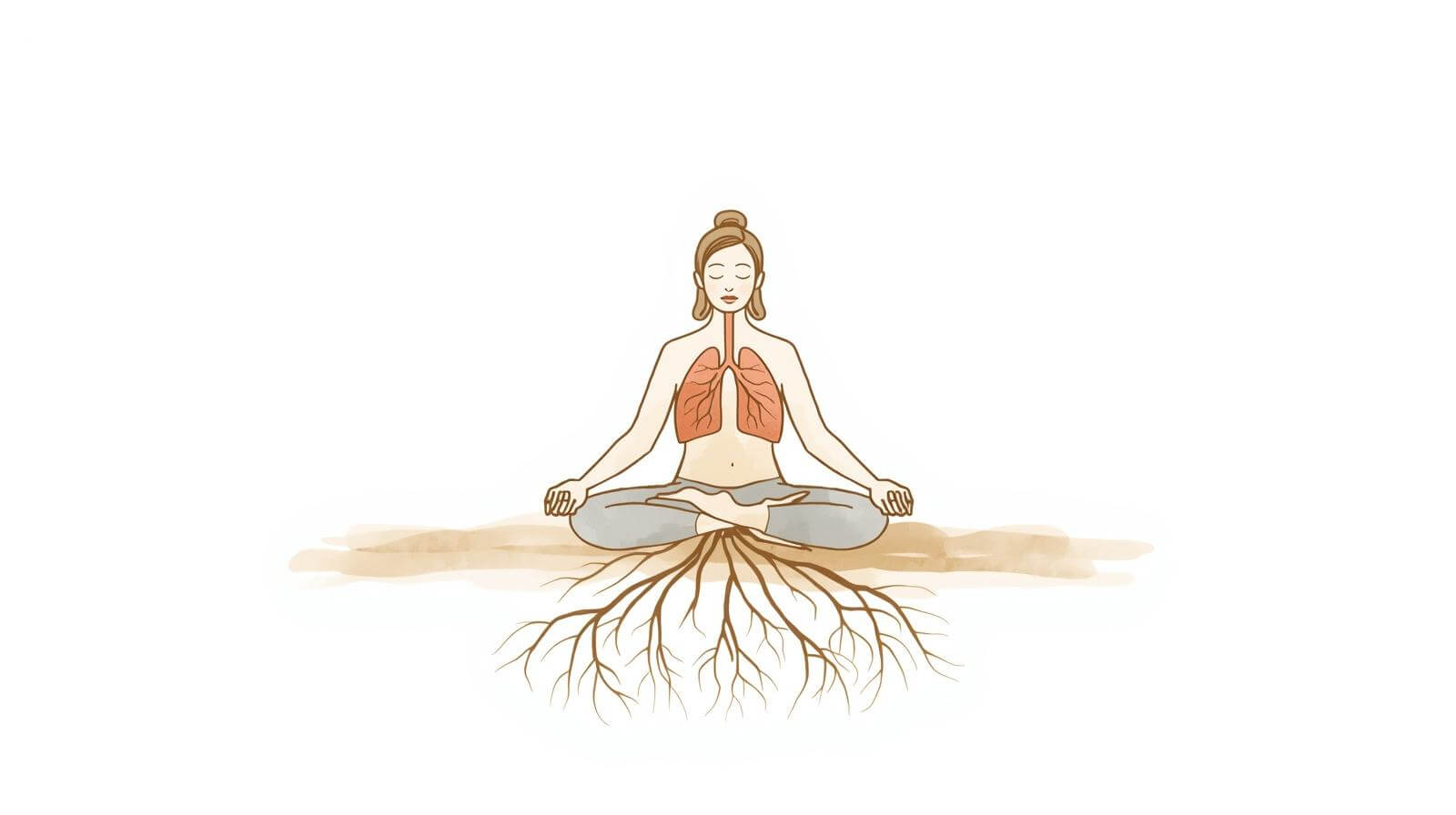
Grounding (or “earthing”) is the practice of physically or energetically connecting with the earth to stabilize your energy. In a world of high-frequency stress, grounding acts as a lightning rod for anxiety.

The Ritual: The “Feet-to-Floor” Check-in

  • How to do it: If possible, step outside barefoot on grass or soil. If you’re indoors, sit with both feet flat on the floor. Close your eyes and visualize roots growing from the soles of your feet deep into the earth. Notice the texture, temperature, and pressure.
  • Why it works: This practice shifts your awareness away from racing thoughts and down into your physical foundation, providing an immediate sense of stability.
  • Daily Integration: Make this your “transition ritual” when moving from work mode to home mode.

3. Creating Your Daily Rituals

A ritual is simply a routine infused with intention. To make embodied mindfulness and daily rituals stick, they don’t need to be long—they just need to be consistent.

  • Morning (The Awakening): Before checking your phone, place a hand on your heart and take three deep diaphragmatic breaths. Notice the rise and fall of your chest.
  • Mid-Day (The Reset): Use the “5-4-3-2-1” grounding technique. Acknowledge 5 things you see, 4 things you can touch, 3 things you hear, 2 things you can smell, and 1 thing you can taste.
  • Evening (The Release): Practice gentle somatic stretching or a “body scan” in bed. Start from your toes and work your way up, consciously releasing tension in each muscle group.

The Benefits of a Somatic Life

When you commit to these embodiment practices, the benefits extend far beyond a moment of “zen.” You’ll likely notice:

  • Reduced Anxiety: A more regulated nervous system.
  • Improved Focus: Less mental “clutter” and better presence.
  • Emotional Intelligence: A better understanding of how emotions manifest physically (e.g., a tight chest or a clenched jaw) before they overwhelm you.

Conclusion

Embodied mindfulness isn’t about achieving a perfect state of peace; it’s about coming home to yourself, over and over again. By weaving breathwork and grounding into your daily rituals, you transform your body from a vehicle for your head into a sanctuary for your soul.

Ready to start? Pick one practice—breathwork or grounding—and try it for just three minutes today. Your body will thank you.


Mindfulness for Emotional Regulation

In our fast-paced, screen-saturated world, it’s easy to live entirely “from the neck up.” We spend our days processing data, managing schedules, and navigating digital spaces, often forgetting that our emotions don’t just happen in our heads—they happen in our bodies.

When we lose touch with our physical selves, we lose our most effective tool for emotional regulation. This is where Embodied Mindfulness and Daily Rituals come in. By shifting from “thinking” about our feelings to “sensing” them, we can find a grounded calm that no amount of logic can provide.

What is Embodied Mindfulness?

Standard mindfulness often focuses on observing thoughts. Embodied mindfulness goes deeper: it is the practice of bringing non-judgmental awareness to your physical sensations.

Scientific research into interoception—our ability to sense the internal state of our bodies—shows that people with higher body awareness are better at regulating their emotions. When you can feel your chest tightening before you start shouting, or notice your breath becoming shallow before an anxiety attack peaks, you gain a window of opportunity to respond rather than react.

The Power of Daily Rituals as Nervous System Anchors

While a “habit” is something we do on autopilot (like brushing our teeth), a ritual is a habit infused with intention. Rituals act as anchors for the nervous system. They send cues of safety to the brain, telling it: “We are here. We are safe. We are in control.”

By combining embodied mindfulness with daily rituals, you create a “bottom-up” approach to emotional regulation—calming the brain by first calming the body.


3 Rituals to Regulate Your Emotions

Here are three simple, embodied rituals you can integrate into your day to help manage stress and find emotional balance.

1. The “Threshold Breath” (Transition Ritual)

We often carry the stress of one meeting or task into the next. To stop this “emotional bleeding,” choose a physical threshold—like your office door or the kitchen entrance.

  • The Practice: Every time you walk through that door, pause. Place one hand on your belly. Take one slow, deep breath, feeling the expansion of your ribs and the grounding of your feet on the floor.
  • Why it works: It breaks the “autopilot” cycle and resets your nervous system before you enter a new environment.

2. The 5-Sense Sensory Anchor (Grounding Ritual)

When emotions feel like a storm, your mind is usually in the past (regret) or the future (anxiety). You need to get back to the now.

  • The Practice: Stop what you are doing and name:
    • 5 things you can see (the texture of the wall, the light on a leaf).
    • 4 things you can touch (your clothes, the cool desk).
    • 3 things you can hear (distant traffic, your own breath).
    • 2 things you can smell.
    • 1 thing you can taste.
  • Why it works: It forces your brain to shift from the “Default Mode Network” (rumination) to the “Task Positive Network” (present-moment awareness).

3. The “Closing Ceremony” (Evening Ritual)

Many of us struggle with “bedtime procrastination” because we haven’t emotionally processed the day.

  • The Practice: At the end of your workday or before bed, perform a physical “closing.” This could be washing your hands with intention—feeling the water and “rinsing away” the day’s demands—or lighting a candle and blowing it out to signify that work-time is over.
  • Why it works: It creates a clear psychological and physical boundary, allowing your body to shift into “rest and digest” mode.

Tips for Making It Stick

  • Consistency over Intensity: You don’t need to meditate for an hour. A 30-second ritual performed daily is more effective for your brain than a 2-hour retreat once a year.
  • Name the Sensation: Instead of saying “I’m stressed,” try “I feel a buzzing in my hands and a weight on my shoulders.” Naming the physical sensation creates “emotional distance,” making the feeling easier to manage.
  • Be Kind to the Wanderer: Your mind will wander. That’s what minds do. The “magic” of mindfulness isn’t having a blank mind; it’s the moment you realize you’ve wandered and gently bring yourself back to your body.

Final Thoughts

Emotional regulation isn’t about “fixing” your feelings; it’s about building a bigger container to hold them. By practicing embodied mindfulness and honoring daily rituals, you stop being a passenger to your emotions and start becoming an anchored observer of your life.

Which of these rituals will you try today? Start small, stay in your body, and breathe.

From Stillness to Inspiration: Using Mindfulness to Awaken Hidden Passions

Discover how mindfulness practices can help you reconnect with forgotten dreams and spark new artistic pursuits.

In the hustle of daily life, our true passions can become buried under responsibilities and distractions. Mindfulness offers a pathway to rediscover these hidden desires by bringing focused attention to the present moment.

The Connection Between Mindfulness and Creativity

Practicing mindfulness enhances your ability to observe thoughts and feelings without judgment. This heightened awareness can reveal long-forgotten interests and open doors to new creative outlets. Research indicates that mindfulness can boost divergent thinking, a key component of creativity. ​

Practical Mindfulness Techniques

  • Breath Awareness: Regularly focusing on your breath anchors you in the present and creates mental space for creative ideas to emerge.​
  • Body Scans: Paying attention to physical sensations can uncover emotions linked to suppressed passions, guiding you toward activities that resonate deeply.​
  • Mindful Observation: Engaging fully with your surroundings can inspire fresh perspectives and ideas. For instance, observing nature with all your senses can lead to creative insights.​

Integrating Mindfulness into Daily Life

Set aside dedicated time each day for mindfulness practices. Over time, this commitment can peel back layers of routine and rediscover the passions that bring you joy and fulfillment.​

Awaken Your Awareness: Practical Steps for Mindfulness in Everyday Life

Awaken Your Awareness: Practical Steps for Mindfulness in Everyday Life

In our fast-paced world, it’s easy to get caught up in the rush of daily responsibilities, often operating on autopilot. But mindfulness offers us a powerful tool to bring awareness, presence, and peace into our everyday lives. By cultivating mindfulness, we can deepen our connection with ourselves, others, and the world around us. Here are some practical steps to integrate mindfulness into your daily routine.

1. Start Your Day with Intention

Instead of reaching for your phone first thing in the morning, take a few deep breaths and set an intention for the day. Ask yourself, “How do I want to show up today?” This simple practice creates a mindful foundation for the rest of your day.

2. Practice Mindful Breathing

Our breath is always with us, making it a perfect anchor for mindfulness. Throughout the day, take a moment to focus on your breath. Inhale deeply through your nose, hold for a few seconds, and exhale slowly. This simple act helps to ground you in the present moment and reduces stress.

3. Engage in Conscious Eating

Eating is a daily activity often done mindlessly. Instead of rushing through meals, try eating with full awareness. Notice the colors, textures, and flavors of your food. Chew slowly and savor each bite. This practice enhances digestion and fosters gratitude for nourishment.

4. Be Present in Daily Activities

Whether you’re washing dishes, walking, or driving, bring full attention to what you’re doing. Observe the sensations, sounds, and movements involved in the activity. This transforms mundane tasks into opportunities for mindfulness.

5. Take Mindful Pauses

Throughout the day, pause for a few seconds to check in with yourself. Notice how you’re feeling physically, emotionally, and mentally. These mindful check-ins help you stay connected to your inner state and prevent stress from accumulating.

6. Cultivate Gratitude

At the end of the day, reflect on three things you’re grateful for. This practice shifts your focus from what’s missing to what’s abundant, fostering a sense of contentment and peace.

7. Create a Mindful Evening Routine

Before bed, engage in a calming practice such as journaling, meditation, or gentle stretching. This helps to quiet the mind, release the day’s tension, and prepare for restful sleep.

By incorporating these simple mindfulness practices, you can transform your daily life into a more peaceful, present, and fulfilling experience. Mindfulness is not about perfection but about bringing awareness to the present moment with compassion and curiosity. Start small, be patient with yourself, and watch as mindfulness brings greater clarity and joy into your life.

Are you ready to awaken your awareness? Begin today with just one mindful breath.

The Power of Breath: Techniques for Reducing Stress and Finding Inner Peace

In the rush of daily life, it’s easy to become overwhelmed by stress, anxiety, and mental clutter. However, one of the most powerful tools for finding calm and balance is something we often take for granted—our breath. Conscious breathing can shift our energy, regulate our nervous system, and bring us into a state of peace and mindfulness. In this blog post, we will explore the power of breath and techniques that can help you reduce stress and cultivate inner harmony.

The Connection Between Breath and Mind

Breath is the bridge between the body and mind. When we are anxious or stressed, our breathing tends to become shallow and rapid, signaling the body’s fight-or-flight response. By slowing down and deepening our breath, we send a message to the nervous system that we are safe, triggering the relaxation response. This simple yet profound shift can help us regain clarity, presence, and inner peace.

Breathing Techniques for Stress Reduction

1. Diaphragmatic Breathing (Belly Breathing)

This technique engages the diaphragm, allowing for deep, full breaths that calm the mind and body. How to Practice:

  • Sit or lie down in a comfortable position.
  • Place one hand on your chest and the other on your abdomen.
  • Inhale deeply through your nose, allowing your belly to rise while keeping your chest still.
  • Exhale slowly through your mouth, feeling your abdomen fall.
  • Repeat for several minutes, focusing on the rhythm of your breath.

2. Alternate Nostril Breathing (Nadi Shodhana)

A balancing breath practice that harmonizes the left and right hemispheres of the brain, promoting relaxation and mental clarity. How to Practice:

  • Sit comfortably with a straight spine.
  • Use your right thumb to close your right nostril and inhale through your left nostril.
  • Close your left nostril with your right ring finger and release your right nostril.
  • Exhale through your right nostril, then inhale through the right nostril.
  • Close the right nostril again, release the left nostril, and exhale through the left.
  • Repeat for a few minutes, focusing on the breath’s flow.

3. 4-7-8 Breathing (Relaxing Breath)

This technique is excellent for reducing anxiety and promoting sleep. How to Practice:

  • Inhale through your nose for 4 seconds.
  • Hold the breath for 7 seconds.
  • Exhale slowly through your mouth for 8 seconds.
  • Repeat this cycle for four breaths, gradually increasing as needed.

4. Box Breathing (Square Breathing)

A method used by athletes and military personnel to maintain focus and composure under stress. How to Practice:

  • Inhale through your nose for 4 seconds.
  • Hold the breath for 4 seconds.
  • Exhale through your mouth for 4 seconds.
  • Hold again for 4 seconds before beginning the next inhale.
  • Repeat for several rounds, visualizing a square as you breathe.

Integrating Breathwork into Daily Life

Breath awareness doesn’t have to be limited to formal practice; it can be integrated into everyday activities. Try the following:

  • Take deep, mindful breaths while waiting in line or sitting in traffic.
  • Start and end your day with a few minutes of conscious breathing.
  • Use breath techniques before a stressful meeting or conversation.
  • Practice breath awareness during meditation, yoga, or mindful walking.

Conclusion

Breath is a powerful tool for transformation, offering a pathway to reduce stress, increase mindfulness, and reconnect with inner peace. By incorporating simple breathing techniques into your daily routine, you can cultivate a sense of calm and clarity, no matter the external circumstances. Start today—breathe deeply, exhale fully, and embrace the tranquility that already resides within you.

The Art of Presence: How to Cultivate Mindfulness in Daily Life

In our fast-paced world, it’s easy to get caught up in the whirlwind of responsibilities, distractions, and worries about the past or future. However, true peace and fulfillment come from embracing the present moment. Mindfulness—the practice of being fully present and engaged in the now—can transform your daily life by reducing stress, enhancing awareness, and deepening your connection with yourself and the world around you.

The Power of Mindfulness

Mindfulness is not just a buzzword; it is a practice rooted in ancient traditions that has been scientifically proven to improve mental and emotional well-being. By bringing our attention to the present, we cultivate greater clarity, patience, and joy. The good news is that mindfulness doesn’t require hours of meditation—it can be effortlessly woven into everyday activities.

Simple Ways to Incorporate Mindfulness Into Daily Life

1. Mindful Breathing

One of the easiest ways to practice mindfulness is through conscious breathing. Take a few deep breaths, focusing on the sensation of air entering and leaving your body. This simple practice can ground you in the present and bring a sense of calm amidst a busy day.

2. Mindful Eating

Instead of rushing through meals, take time to truly savor each bite. Pay attention to the flavors, textures, and aromas of your food. Chew slowly, and express gratitude for the nourishment. Mindful eating not only enhances digestion but also strengthens your relationship with food.

3. Mindful Walking

Walking is an excellent opportunity to practice mindfulness. Whether you’re strolling in a park or walking to work, focus on the sensation of your feet touching the ground, the rhythm of your steps, and the sounds around you. Walking with awareness can transform an ordinary activity into a meditative experience.

4. Mindful Listening

How often do we truly listen when someone is speaking? Practice mindful listening by giving your full attention to the person in front of you. Avoid interrupting or planning your response while they talk. Simply be present and engaged in the conversation.

5. Mindful Tasks

Everyday chores, such as washing dishes, drinking tea, or folding laundry, can become acts of mindfulness. Instead of rushing through them, focus on the sensations involved. Feel the warmth of the water, the texture of the fabric, or the aroma of your tea. These small moments of awareness add up to a more mindful life.

6. Mindful Gratitude

Take a few moments each day to reflect on what you’re grateful for. A gratitude practice shifts your focus from what’s lacking to the abundance in your life. This simple habit cultivates joy and appreciation for the present moment.

Making Mindfulness a Way of Life

Mindfulness is not about achieving perfection but about gently bringing your awareness back to the present whenever your mind wanders. The more you practice, the more natural it becomes. By integrating mindfulness into your daily routine, you can experience greater peace, resilience, and a deeper connection to life itself.

Final Thoughts

Living mindfully is a gift you can give yourself every day. Whether it’s through breathing, eating, walking, listening, or expressing gratitude, each moment offers an opportunity to be fully present. Start small, be patient with yourself, and watch as mindfulness transforms the way you experience life.

Cultivating Self-Awareness: The Second Step Towards Authenticity and Fulfillment

In our journey towards living authentically and finding true fulfillment, we embarked on the first step last week: journaling. Today, let’s delve deeper into the second step, which is cultivating self-awareness and understanding.

Self-awareness is the cornerstone of personal growth and transformation. It involves becoming intimately familiar with our thoughts, emotions, beliefs, values, and behaviors. By shining a light on the inner workings of our minds and hearts, we can uncover hidden patterns, motivations, and obstacles that may be holding us back from living our best lives.

The process of cultivating self-awareness is multifaceted and requires commitment and courage. Here are some essential components:

Introspection: Take time regularly to reflect on your experiences, thoughts, and feelings. Journaling, as mentioned in the previous post, is an excellent tool for introspection. Set aside dedicated time each day or week to explore your inner landscape without judgment or censorship.

Mindfulness Practices: Cultivate mindfulness through practices such as meditation, deep breathing, or simply paying attention to the present moment. Mindfulness helps us become more attuned to our thoughts and feelings as they arise, allowing us to respond consciously rather than react impulsively.

Seeking Guidance: Don’t hesitate to reach out for support from mentors, therapists, or trusted friends and family members. Sometimes, an outside perspective can provide valuable insights and help us see blind spots that we may have missed on our own. You can schedule an appointment with Kimberly (Spiritual Coach) as well.

Exploring Core Beliefs and Values: Take time to identify your core beliefs and values. These are the guiding principles that shape your thoughts, decisions, and actions. Reflect on whether these beliefs and values align with who you truly are and what you aspire to become.

Embracing Vulnerability: Embrace vulnerability as a pathway to self-discovery and growth. Be willing to explore uncomfortable emotions and experiences, knowing that they often contain valuable lessons and opportunities for healing.

Acceptance and Compassion: Practice self-compassion and acceptance as you navigate your inner landscape. Be gentle with yourself, especially when confronting difficult truths or facing setbacks. Remember that self-awareness is a journey, and it’s okay to stumble along the way.

Cultivating self-awareness is not a one-time endeavor but an ongoing process that unfolds over time. It requires patience, persistence, and a willingness to dive deep into the depths of our being. As we become more intimately acquainted with ourselves, we gain greater clarity about who we are, what we stand for, and what brings us true fulfillment.

The rewards of self-awareness are manifold. It empowers us to make conscious choices aligned with our authentic selves, rather than being driven by unconscious patterns or external expectations. It deepens our relationships with others as we learn to relate from a place of authenticity and vulnerability. And ultimately, it leads to a life of greater meaning, purpose, and fulfillment.

So let’s embrace the journey of self-discovery with open hearts and minds. Let’s commit to cultivating self-awareness as the second step towards living a life of authenticity and fulfillment. And let’s remember that the most profound transformation often begins with a single step taken with courage and intention.

The Power of Proper Breathing: Unlocking Health and Wellness

Proper breathing is often overlooked but holds immense power in improving our overall health and well-being. From reducing stress and anxiety to enhancing physical performance, mastering the art of breathing can have profound effects on our lives. In this guide, we’ll delve into the science behind proper breathing techniques, explore their benefits, and provide practical tips for incorporating them into your daily routine.

The Science of Proper Breathing:

Our respiratory system plays a crucial role in delivering oxygen to our cells and removing carbon dioxide from our bodies. Proper breathing involves the efficient use of our diaphragm—the primary muscle responsible for breathing—to fully expand our lungs and maximize oxygen intake. Diaphragmatic breathing, also known as belly breathing, allows for deeper inhalation and exhalation, promoting relaxation and reducing the body’s stress response.

Benefits of Proper Breathing:

Stress Reduction: Deep breathing triggers the body’s relaxation response, lowering levels of stress hormones like cortisol and promoting a sense of calmness and tranquility.

Improved Mental Clarity: Oxygen is essential for brain function, and proper breathing can enhance cognitive function, focus, and concentration.

Enhanced Physical Performance: We can all benefit from proper breathing techniques, which optimize oxygen delivery to muscles, improve endurance, and reduce fatigue.

Better Sleep: Deep breathing exercises can help alleviate insomnia and promote better sleep quality by calming the nervous system and inducing relaxation.

Boosted Immune Function: Proper breathing supports lymphatic drainage and enhances immune function, helping the body defend against infections and illness.

Practical Tips for Proper Breathing:

Practice Diaphragmatic Breathing: Sit or lie down in a comfortable position, place one hand on your abdomen and the other on your chest, inhale deeply through your nose, feeling your abdomen rise, then exhale slowly through your mouth, feeling your abdomen fall.

Incorporate Breathing Exercises: Explore different breathing exercises such as alternate nostril breathing, box breathing, or the 4-7-8 technique to find what works best for you.

Mindful Breathing: Cultivate mindfulness by paying attention to your breath throughout the day, taking moments to pause, and observe the sensations of inhalation and exhalation.

Maintain Good Posture: Stand or sit with your spine straight and shoulders relaxed to allow for optimal lung expansion and efficient breathing.

Practice Consistency: Set aside dedicated time each day to practice breathing exercises, whether it’s during meditation, yoga, or before bedtime.

Proper breathing is a powerful tool that can positively impact every aspect of our lives, from our physical health to our emotional well-being. By incorporating simple breathing techniques into our daily routine and cultivating mindfulness around our breath, we can harness the transformative potential of proper breathing to lead healthier, happier lives. Start your journey towards better breathing today and experience the profound benefits it has to offer.

[ays_quiz id=”2″]

Unveiling the Inner Oracle: Defining, Developing, and Using Intuition

In a world dominated by data and logic, the quiet whispers of intuition often go unheard. Yet, this innate gift, our inner oracle, can be a profound guide in navigating the complexities of life. In this blog post, we embark on a journey to understand, develop, and harness the power of intuition for a more enriching and purposeful existence.

Intuition, often described as the “gut feeling” or the “inner knowing,” is a subtle yet powerful aspect of human consciousness. It’s that unspoken understanding that transcends logic, arising from a deeper well of wisdom within. While difficult to define precisely, intuition is a form of instinctive knowledge that emerges without conscious reasoning.

Contrary to popular belief, intuition is not a mystical gift bestowed upon a select few; rather, it’s a skill that can be developed and honed. The first step in nurturing your intuition is to cultivate trust in your inner wisdom. Pay attention to those hunches, gut feelings, and fleeting insights that may seem unrelated to rational thought.

Embrace mindfulness practices, such as meditation and self-reflection, creates a space for intuition to surface. These practices help quiet the noise of everyday life, allowing the whispers of your inner oracle to be heard more clearly. The process of developing intuition is akin to building a relationship with oneself, it is a patient and ongoing journey of self-discovery.

Intuitive insights often manifest in various forms – a sudden knowing, a feeling of resonance or discomfort, or even a vivid dream. Being attuned to these signals requires a heightened sense of awareness. Regularly check in with your emotions, physical sensations, and the subtle messages your body may convey.

Journaling can be a powerful tool in recognizing patterns and connections between intuitive insights and subsequent events. As you document your experiences, you’ll likely uncover a tapestry of wisdom woven by your inner oracle. The more you acknowledge and validate these intuitive nudges, the more attuned you become to their guidance.

Intuition is not a replacement for critical thinking; rather, it complements rational analysis by providing a broader perspective. When faced with decisions, both significant and mundane, consult your intuition as a valuable guide. Trust the inner compass that has been refined through your journey of self-discovery.

Recognize that intuition often speaks in whispers and nudges, offering insights that may not align with immediate logic. Be patient with the process, and allow the wisdom of your inner oracle to inform your choices. Over time, you’ll likely find that decisions made in harmony with your intuition lead to a more authentic and fulfilling life.

In a world that often emphasizes external knowledge and analytical thinking, tapping into the wellspring of intuition is a courageous act of self-discovery. As we define, develop, and use intuition, we unlock a profound source of guidance that can illuminate our path with wisdom and purpose.

Remember, intuition is a personal journey, and there’s no one-size-fits-all approach. Cultivate a relationship with your inner oracle, trust the whispers of wisdom, and let intuition be your guiding light on the journey to a more fulfilling and authentic life.

0
    0
    Your Cart
    Your cart is emptyReturn to Shop