Unveiling the Enchanting Energies of August 2023

As August embraces the world in its warm and radiant embrace, the energies of this magical month begin to unfold, carrying with them an aura of wonder and transformation. In August 2023, the cosmic forces align to create a celestial symphony that promises to enchant and inspire us all. Join us as we embark on a journey to explore the mystical energies that August brings forth, offering us a unique opportunity for growth, renewal, and self-discovery.

The Radiant Leo Season

August heralds the reign of the confident and charismatic Leo, the lion of the zodiac. Under the vibrant influence of this fire sign, we are encouraged to embrace our inner strength, unleash our creativity, and bask in the limelight of our passions. Leo’s energy ignites a spark within us, motivating us to pursue our dreams with zeal and determination.

During this season, we may find ourselves drawn to self-expression and taking bold steps towards our ambitions. It’s a time to embrace our unique qualities, celebrate our individuality, and exude self-assurance. As the lion roars, it reminds us to be courageous and take pride in our accomplishments, no matter how big or small.

The Perseid Meteor Shower

One of the most eagerly anticipated celestial events of August is the Perseid meteor shower. As Earth passes through the debris left behind by the Swift-Tuttle comet, the night sky transforms into a mesmerizing canvas of shooting stars. The Perseids symbolize a moment of release and letting go, as the streaking meteors remind us of the beauty in impermanence and the importance of embracing change.

The meteor shower serves as a profound reminder to make wishes and set intentions for the future. Harnessing the power of this celestial spectacle, we can channel our desires into the universe, trusting that our dreams will manifest in due time.

The Full Sturgeon Moon

On August’s 14th night, the Full Sturgeon Moon graces the sky, named by indigenous North American tribes after the abundant fish found in the Great Lakes and other major water bodies. As the moon shines at its brightest, it illuminates the path of introspection, urging us to dive deep into our emotions and gain clarity on the areas of our lives that require healing and nurturing.

During this time, it’s essential to practice self-care, spend time in nature, and engage in meaningful rituals that aid in releasing emotional baggage. The Full Sturgeon Moon offers an opportunity for forgiveness and liberation from past burdens, fostering emotional growth and a renewed sense of purpose.

Embracing the Magic

August 2023 serves as a magical portal to manifest our desires and bring positive change into our lives. It’s a time to embrace our inner strength, let go of what no longer serves us, and cultivate a spirit of adventure and wonder.

Here are some ways to tap into the enchanting energies of August:

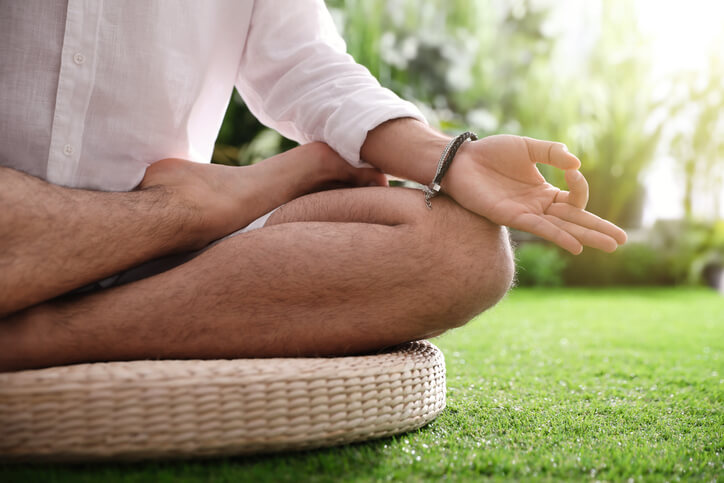
Meditation and Introspection: Take time for daily meditation and self-reflection. Connect with your inner self to gain clarity on your aspirations and align your actions with your soul’s purpose.

Creative Expression: Allow your creative juices to flow freely. Engage in art, music, writing, or any other form of expression that resonates with your soul.

Setting Intentions: Harness the power of the Perseid meteor shower by setting clear intentions for your goals and dreams. Write them down and trust in the universe’s ability to manifest them.

Connect with Nature: Spend time in nature, immerse yourself in its beauty, and feel its calming energies. The natural world has a profound way of grounding us and connecting us to the greater cosmos.

Perform Acts of Kindness: Spread love and kindness to those around you. Acts of compassion not only enrich the lives of others but also attract positive energies into your own life.

Conclusion As August 2023 unfolds its wings of enchantment, let us embrace the magical energies it bestows upon us. From the radiant Leo season to the cosmic dance of the Perseid meteor shower and the illumination of the Full Sturgeon Moon, this month offers a wondrous opportunity for growth, self-discovery, and transformation. Seize the magic, trust in the universe, and embark on this journey of inner exploration and manifestation. Together, let us make this August a month of wonder an

Good Things Happen When You Start To Ask For What You Want

There is power in asking for what you want. It forces you to know yourself, what you prefer, and what you need. This clarity makes it possible to have a life filled with things you like, and the support that makes life easier and fun.

The result of asking for what you want is a ripple effect of good things that begin to materialize in your life. A satisfaction builds from living a fulfilled life by being direct and articulate about your needs.

People who don’t ask for what they want struggle with three things consistently:

Feeling unsupported. People who don’t ask for what they want feel unsupported by those closest to them at home and at work. They feel like they are always giving and compromising, while never having what they want. This is true – because no one knows what they want.

Being a martyr. This characteristic is found in people who will grudgingly support others’ decisions while sacrificing their own personal desires. This is a psychological complex – based on repeating patterns that places oneself in a victim role. People can sense your underlying anger and resentment, and will naturally avoid being in relationship with someone who acts like this.

Being passive aggressive. Without the ability to ask for what they want, people can resort to silently aggressive or sabotaging behavior to leak out their frustrations without a face-to-face confrontation. This behavior perpetuates the anger they feel and can cause rifts in relationships.

Being able to ask for what you want removes these struggles and makes it possible to have higher quality relationships and personal satisfaction.

People who ask for what they want experience these three good things:

Feeling valued. People who ask for what they want will generally receive it: from going to their favorite restaurant on date night to watching the blockbuster movie they’ve been waiting to watch. By asking for their heart’s desire, they usually find that it can happen. Feeling valued comes from being able to have your needs and wants routinely met.

Being respected. People who are direct, who know what they want, and ask for it in polite ways are respected. They are viewed as trustworthy and safe to be in relationship with. They are seen as highly confident leaders.

Being confident. The knowledge that you are valued and respected builds on itself and causes your confidence to bloom. Being a well-functioning person is attractive and rewarding. People enjoy being in relationship with confident people, and they tend to have more rewarding life experiences while not letting petty things get in their way.

Of course, the material things that come from asking for what you want are nice – but the bigger prize is the experience of being in healthy relationships that are rewarding and respectful. Living your life with a sense of value and reciprocity is never a bad thing.

Related Articles:

Asking Out Loud Helps You Figure Out What You Really Want

Self-Care

Have you ever witnessed a two-and-a-half-year-old child have a meltdown for what seems like no reason at all? Parents of toddlers know that oftentimes, the child doesn’t really know what it is that they want. They can’t yet articulate their desires clearly enough to avoid the emotional meltdown.

The best way to help a toddler through the cognitive process of asking for help is to get them talking out loud. The process of talking helps them identify the pieces of the puzzle in their mind, and helps them start to put those pieces together. Soon we realize that she wants her dolly to eat a bowl of pretend mashed potatoes while she rides the unicorn.

Nothing much changes as we develop into adulthood. We sometimes need to process out loud to figure things out. Our mind can work in loops. We go over and over the things that weigh on us, and sometimes the only way to break the loop is to speak out loud with someone else who can help us process those thoughts.

Asking out loud helps you figure out what you want, because there is someone else in the conversation to ask clarifying questions. These questions require you to sort through the issue and get very clear on what you need in the way of help.

Having someone to process with you isn’t the only way to verbally sort through and identify what you really want. You can have a conversation with yourself when no one else is available. Speaking and processing out loud is no different than practicing a speech or public speaking. The more you hear your own voice, the better you can identify with what is being said. Things always sound clearer when spoken aloud than when heard in our minds.

Try recording yourself and replaying the one-way conversation. These voice notes are a great way to process out loud and you can go back to review the ideas and details. This is a perfect way of capturing information when the issue is at the top of your mind -whether you are driving, exercising, or otherwise unable to write anything down. Most smartphones have a voice note app factory-installed.

Sometimes the best way to sort through a problem and ask for help is to process the issue out loud in conversation. Whether you have the help of a friend, your smartphone, or are speaking to no one in particular, the act of speaking out loud helps you figure out what you really want. From there you can prepare to get the help you need.

Related Articles:

Don’t Expect Others to Read Your Mind

Self-Care

We’ve all been there. We’ve all needed help and wished someone would see our need and feel compelled to fill it. We do so much for others without asking for anything in return and wish our efforts would be validated when we need assistance.

This simply isn’t practical and is the root cause for many of the issues that come out on a therapist’s couch. To receive help, we need to actually articulate our need – and get specific about it. We can’t expect anyone to read our mind.

Only a very small segment of the population can be micro-focused enough to see when someone needs help and be able to make things easier without being prompted. The theory called The Diffusion Of Responsibility states that people are less likely to take responsibility and do something if others are present. There is a sense that someone else will surely step in and take the lead. Without the ask, the need remains unmet.

 So, why don’t people ask for help? Reasons like:

  • Fear
  • Pride
  • Being Overwhelmed
  • Confusion

The most effective course of action to get support is knowing what you want, being prepared for help, and asking for help.

Know what you want. This seems simple – but is it? You may know you want help cleaning the house, and you likely have a running list in your head of the chores that could be done. In order to ask for help, your recruits will need to know which chores need to be covered and what your expectations are for their completion. The more specific you are about what you need, the better.

Be prepared for help. Before you ask, be prepared. Have what you need on hand for the people supporting you. Do you need any physical items to get the help you need? Will the people supporting you need resources to help? Know what is needed to get the job done, and be ready with it when the time comes. You may have a running list in your head of what it takes to get the task completed, but that info has got to be transferred to the people helping you out.

Ask for help. Be direct. This doesn’t mean being forceful, bossy, or rude. Just be direct. “I need help getting Sarah to school on Tuesday morning, would she be able to catch a ride with you if I have her ready to go at 7:00 am?”

In this scenario, you are stating what you want, specifying that you will have your daughter ready at a very specific time, and being direct about what you need for support. All the bases are covered.

When life feels overwhelming, we may need a hug – and we will certainly need help. Confusing the need for emotional support with material support can be dangerous. If you need help, understand that people can’t read your mind. They will likely be supportive if you know what you need, are prepared for them to help, and you ask them directly for their help.

Related Articles:

The Vital Connection Why Physical Health Is Essential for Spiritual Well-being

In our pursuit of a fulfilling and meaningful life, we often tend to overlook the intrinsic connection between physical health and spiritual well-being. While spiritual health is commonly associated with practices such as meditation, prayer, and self-reflection, the significance of physical health should not be underestimated. In this blog post, we will explore the profound interdependence between physical and spiritual health and why nurturing our physical bodies is vital for our spiritual growth.

  1. The Temple of the Soul: Our bodies serve as the vessels for our souls, and by taking care of our physical health, we honor this sacred connection. When we neglect our bodies, we limit our ability to fully experience and express ourselves spiritually. Optimal physical health allows us to engage in spiritual practices with greater focus, energy, and vitality, fostering a deeper connection with our inner selves.
  2. Mind-Body Integration: The mind and body are intricately connected, forming a holistic system that profoundly impacts our overall well-being. Physical exercise, for instance, not only enhances our physical strength but also boosts our mental clarity and emotional stability. When we engage in activities that promote physical fitness, we create a solid foundation for spiritual growth, as a healthy body supports a calm and receptive mind.
  3. Energy Flow and Vitality: Spiritual practices often involve the cultivation and channeling of energy within our bodies. By nurturing our physical health, we optimize the flow of energy, allowing it to move freely and unobstructed. Regular exercise, proper nutrition, and adequate rest enhance our vitality and support the harmonious flow of life force energy, enabling us to delve deeper into our spiritual practices and experiences.
  4. Disciplined Self-Care: Caring for our physical well-being requires discipline and self-awareness. This process fosters the development of important qualities such as self-discipline, self-love, and self-respect. By honoring our bodies through healthy habits and conscious choices, we cultivate a mindset of self-care that extends to our spiritual journey. This integrated approach encourages us to treat ourselves with compassion and kindness, nurturing both our physical and spiritual selves.
  5. Unity of Body, Mind, and Spirit: Recognizing the interconnectedness of our physical, mental, and spiritual dimensions is essential for holistic growth. Neglecting any one aspect disrupts the delicate balance of our being. By tending to our physical health, we create an environment that supports the alignment of body, mind, and spirit. This harmony allows us to delve into profound spiritual experiences, enabling us to connect with our inner divinity and explore the depths of our consciousness.

As spiritual beings on a human journey, it is imperative that we acknowledge the importance of physical health in nurturing our spiritual well-being. By embracing practices that prioritize our physical well-being, we lay a solid foundation for personal growth, spiritual exploration, and inner transformation. By honoring the intricate connection between body and spirit, we embark on a holistic journey towards self-discovery, experiencing the profound unity of body, mind, and soul.

Self-Assessment: Match Your Ideal Organization Solutions to Your Personality

Mentor Self-Care

What does the state of your desk and overall office say about your personality or the day-to-day business tasks you’re trying to complete? Are you trying to make an organization system work to no avail?

Answer these questions to match up your personality with your ideal organization solution to keep your office and your desk clutter-free and sparkling clean.

1. Do you prefer a clean, orderly desk and office area?

  • Yes, otherwise I get distracted with non-work things.
  • Not sure; I never really thought about it before.
  • No, I know where everything is, so clutter doesn’t bother me.

2. Does clutter make you feel claustrophobic?

  • Yes! I feel like I can’t breathe in a messy room.
  • Sometimes, usually when I’m looking for something I need, and it’s buried under stacks of paper.
  • No. Never.

3. Are you afraid that you’ll lose things or never see them again if you put them away?

  • No, I’m a big believer in finding a place for everything.
  • Sometimes, especially if I’m just throwing random stuff in a drawer or cabinet.
  • Yes! I can’t explain why, I just feel like I’ll have to tear the house apart again to find what I need, and I’ll end up with a bigger mess.

4. How would you describe those items cluttering your desk or office space?

  • The important things I need to run my business.
  • I have many piles of business-related things, but I know where everything is.
  • I’m not sure; I have a mish mash of items for business and for my personal life.

5. Have you ever tried hiring a professional organizer to streamline your organizational systems?

  • Yes, and it was a lifesaver!
  • No but I’m about ready to give it a try.
  • What’s a professional organizer?

6. Have you ever considered hiring a personal assistant to clean out your office?

  • Yes, but can I hire her just for that project?
  • You can do that?
  • No, it seems like a waste of money.

7. Do you believe that the look of a clean desk and office is important?

  • Yes, it’s important for my business image.
  • Not really. If I can run my business, I don’t care what my desk looks like.
  • No. I have more important things on my mind than having a clean desk.

8. How would YOU assess your current organizing style?

  • I’m a minimalist. I prefer everything in its place and only the necessities within easy reach.
  • I’m a stacker. I don’t need fussy organizing tools; I know where everything is in my office even if it looks messy to an outsider.
  • I’m a saver. I can’t throw anything away for fear that I may need it one day.

9. Do you put things away immediately or leave them around?

  • I always put things away when I’m done with them.
  • It depends on what the item is. If it’s a tool, I’ll wait until the whole project is complete.
  • No, I leave things around. I usually get distracted with something else before I clean up.

10. Do you feel your office clutter (or lack thereof) contributes to your productivity level?

  • Yes, my clean desk prepares me to focus just on work tasks and I can get started right away.
  • Possibly, I never thought about that correlation before.
  • No, that sounds ridiculous that clutter would affect my job performance.

Take a look at your answers; do you notice any patterns?

In general, if you’re a Minimalist who likes everything in its place and is bothered by clutter, then you have a vast array of organizing tools to choose from for your desk and office space.

If you’re a Saver but you know where everything is, you may prefer a more customized organization method. Some Savers use their piles as visual reminders, so choosing to use binders instead of hidden filing systems may be a better choice.

If you’re a No Rules type of person who isn’t bothered in the least by clutter, you may prefer to delegate this cleaning and organization to a professional who can take the task and run with it. Those who are constantly on the run and don’t have time in their own schedules will also benefit from delegating this task.

Professional organizers can help any personality type but the key to success is being honest about your preferences and hiring an organizer who will truly take your preferences to heart instead of implanting a one-size-fits-all solution.

Understanding the Distinction: Meditation vs. Mindfulness – Unraveling the Paths to Inner Peace

In today’s fast-paced and hectic world, many people are turning to ancient practices like meditation and mindfulness to find solace and inner peace. While these terms are often used interchangeably, they represent distinct practices with unique characteristics. In this blog post, we will delve into the differences between meditation and mindfulness, exploring their definitions, techniques, and benefits. By understanding these practices better, you can choose the approach that resonates most with you and embark on a transformative journey towards improved well-being.

Meditation: Cultivating Deep Serenity

Meditation is a time-honored practice that has been embraced across various cultures and spiritual traditions for thousands of years. Its primary objective is to train the mind, enabling individuals to attain a state of profound calmness and relaxation. Through focused attention, meditation aims to quiet the incessant stream of thoughts that typically occupy our minds. This can be achieved by concentrating on a specific object, such as the breath, a mantra, or a visual image. The ultimate goal is to unlock inner peace, enhance mental clarity, and heighten self-awareness. Meditation encompasses different forms, including mindfulness meditation, loving-kindness meditation, and transcendental meditation, each offering its unique approach to achieving tranquility.

Mindfulness: Embracing Present-Moment Awareness

Mindfulness, on the other hand, represents a quality of awareness and a state of being fully present in the current moment. It involves paying deliberate attention to one’s thoughts, emotions, physical sensations, and the surrounding environment, without judgment or attachment. While mindfulness is often cultivated through meditation, it extends beyond formal practice and can be integrated into various daily activities. Whether it’s savoring a meal, walking in nature, or engaging in conversation, mindfulness allows individuals to embrace a non-reactive and accepting mindset, enabling them to observe experiences without getting entangled in them. By developing a heightened sense of self-awareness, mindfulness becomes a powerful tool for stress reduction and personal growth.

Conclusion:

In summary, meditation and mindfulness are interconnected yet distinct practices. Meditation serves as a broader term encompassing various techniques aimed at achieving mental stillness and tranquility. On the other hand, mindfulness represents a state of being fully present and engaged in the present moment, fostering a non-judgmental awareness of one’s experiences. While meditation can be viewed as a formal practice, mindfulness permeates every aspect of life. Both practices offer an array of benefits for mental and emotional well-being, including stress reduction, enhanced self-awareness, and an increased sense of inner peace.

By recognizing the differences between meditation and mindfulness, you can choose the approach that resonates most with your personal journey. Whether you decide to delve deep into meditation or embrace the mindfulness of everyday life, both paths hold the potential to bring profound positive changes to your well-being. Embark on this transformative exploration, and may you find the peace and clarity you seek.

Celebrating Midsummer: Embracing the Radiant Energy of the Summer Solstice

Mentor

Introduction: As the sun reaches its highest point in the sky and the warm rays bathe the Earth in golden brilliance, we find ourselves at the enchanting moment of Midsummer, also known as Litha or the Summer Solstice. This sacred time of the year is steeped in ancient traditions and folklore, marking the longest day and the shortest night. In 2023, as we gather to celebrate this celestial event, let us explore the significance of Midsummer and how we can embrace the radiant energy it brings forth.

  1. The Celestial Dance: The Summer Solstice holds great astronomical significance, marking the day when the Earth’s axial tilt leans closest to the sun. This results in the longest day and the shortest night of the year in the Northern Hemisphere. It is a time when the sun appears to pause, inviting us to reflect on the eternal dance between light and darkness, and the delicate balance of nature.
  2. Ancient Roots and Cultural Traditions: Midsummer has been celebrated by various cultures throughout history, each infusing the day with their unique customs and rituals. From the joyous maypole dances and bonfires of Scandinavia to the mesmerizing Stonehenge gatherings in England, these traditions pay homage to the sun’s power and the bountiful gifts of the earth. As we honor the wisdom of our ancestors, we can also create our own traditions that resonate with our individual spirituality and connection to nature.
  3. Communing with Nature: One of the most beautiful aspects of Midsummer is its close association with nature. The vibrant landscapes, abundant flora, and the symphony of birdsong all beckon us to immerse ourselves in the great outdoors. Whether it’s a serene walk in the woods, a picnic in a sun-kissed meadow, or a dip in a refreshing lake, this is the perfect time to embrace the healing power of nature and reconnect with the Earth’s rhythms.
  4. Embracing the Light Within: Midsummer is not only a celebration of the external sun but also an invitation to kindle the light within ourselves. Just as the sun’s energy nourishes the Earth, this is a time for personal growth and renewal. Set intentions for the months ahead, reflecting on your aspirations, and harnessing the sun’s energy to fuel your journey. Take time for self-reflection, meditate, and express gratitude for the blessings in your life.
  5. A Time for Joy and Community: Midsummer is a season of joy, abundance, and community. It is an opportune moment to gather with loved ones, friends, and kindred spirits to celebrate the interconnectedness of all beings. Host a garden party, organize a bonfire gathering, or participate in a local Midsummer festival. Share stories, laughter, and delectable seasonal treats, fostering a sense of togetherness and creating lasting memories.

Conclusion: As we rejoice in the luminous warmth of the Summer Solstice and celebrate Midsummer 2023, let us immerse ourselves in the magic of this auspicious time. Draw inspiration from ancient traditions, embrace the natural world around us, and ignite the light within our hearts. In doing so, we align ourselves with the harmonious rhythms of the universe and embrace the infinite possibilities that lie ahead. May this Midsummer bring you an abundance of joy, love, and radiant energy.

Opting for Nutritious Snacks

Mentor

Incorporating nourishing snacks into your diet is essential for maintaining a healthy lifestyle. By making wise choices when it comes to snacking, you can support your overall well-being and energy levels throughout the day. Here are some tips and ideas to help you indulge in healthy snacking while savoring delicious flavors.

  1. Embrace Fresh Fruits and Vegetables: Instead of reaching for processed snacks high in added sugars and unhealthy fats, opt for fresh fruits and vegetables. These natural, nutrient-packed options provide an abundance of vitamins, minerals, and dietary fiber. Satisfy your sweet tooth with juicy berries, refreshing watermelon, or crunchy apple slices. As for veggies, crisp carrot sticks, colorful bell pepper strips, or crisp celery are all excellent choices.
  2. Wholesome Grains and Seeds: Snacks containing whole grains and seeds can be a great source of energy and important nutrients. Consider incorporating whole grain crackers or rice cakes into your snacking routine. Pair them with a dollop of hummus or a spread of nut butter for added flavor and satiety. Additionally, include seeds such as chia, flax, or pumpkin seeds in your trail mixes or sprinkle them over yogurt for a delightful crunch.
  3. Protein-Packed Options: Protein is an essential macronutrient that helps keep you feeling full and satisfied. Opt for protein-rich snacks like Greek yogurt, cottage cheese, or hard-boiled eggs. These choices provide a significant protein boost and can help maintain muscle mass and promote healthy bodily functions.
  4. Nuts and Nut Butters: Incorporating nuts and nut butters into your snacking routine can provide a healthy dose of essential fats and nutrients. Almonds, walnuts, and cashews are excellent choices due to their high content of heart-healthy fats. Spread a tablespoon of almond or peanut butter onto whole grain bread or enjoy a handful of mixed nuts for a filling and nutritious snack.
  5. Hydration is Key: Sometimes, our bodies mistake thirst for hunger. Stay adequately hydrated by drinking plenty of water throughout the day. When snacking, consider incorporating hydrating options like cucumber slices, watermelon cubes, or herbal teas. These choices not only quench your thirst but also offer additional nutrients and a refreshing taste.
  6. Mindful Snacking: Snacking mindfully involves being fully present and aware of your eating habits. Slow down and savor each bite, paying attention to the flavors, textures, and aromas of your snacks. By practicing mindful snacking, you can foster a healthier relationship with food and prevent overeating.

By incorporating these tips and ideas into your daily routine, you can enjoy healthy snacking that nourishes your body and supports your well-being. Remember, making small, sustainable changes to your diet can have a significant impact on your overall health.

Social Isolation And Your Mental Health

Mentor

The COVID-19 pandemic prompted physical distancing that influenced further research into the effect of social isolation on humans. However, social isolation and its problems were widespread even before the pandemic.

A 2018 study by the Pew Research Center found that one in ten Americans felt isolated and lonely most of the time. Socially isolated people lack friends and, as a result, are left feeling depressed and lonely.

While everyone is at risk of being negatively influenced by social isolation, older adults are at an increased risk because they likely must face more factors such as illness, loss of friends, and living alone. According to a paper from the National Academies of Sciences, Engineering, and Medicine (NASEM), social isolation is linked with an increased vulnerability to several mental health issues such as dementia and depression. NASEM also found that more than 1/3 of adults above the age of 45 feel lonely and are considered socially isolated.

The following signs are pointers to the fact that you’re socially isolated:

  • Avoiding social interactions
  • Frequently canceling plans with friends
  • Feeling relief when plans with friends are canceled
  • Experiencing panic when considering social interactions
  • Feeling distressed when alone
  • A deep fear or dread of social activities

The Numbers

Recent studies have found strong evidence linking people who are socially isolated with bad physical and mental health.

Although it’s tricky to precisely measure social isolation, there is clear evidence that people who are socially isolated leave their mental health more vulnerable to various issues.

Recent research has observed:

  • Social isolation poses an increased risk of premature death from various conditions. This risk rivals that of physical inactivity, obesity, and even smoking.
  • Socially isolated individuals are at an increased risk – about 50% – of having dementia.
  • Social isolation was linked to increased rates of anxiety, depression, and suicide.
  • People with health conditions are at a 50% more risk of death and hospitalization when socially isolated.

A 2015 study that reviewed the effects of social isolation in life co-authored by Hawkley concluded that social isolation could ruin not only our mental and cognitive health but also our physical health too.

In 2019, Kassandra Alcaraz of the American Cancer Society examined data collected from about 600,000 adults and observed that the risk of premature death was increased with social isolation (American Journal of Epidemiology).

Coping With Social Isolation

Social isolation could lead to several adverse long-term effects on our mental health. However, at some point in life, we might be required to handle social isolation. The following steps can be taken to cope better with social isolation:

  • Accept your feelings: It’s easy to ignore our feeling, especially when it comes to social isolation, as you do not have someone to talk to. However, acknowledging your feeling is the first step to handling social isolation better.

  • Go outdoors: While a stroll in nature isn’t socializing, it’s immensely beneficial to our mental health and physical health. Sunlight has been proven to help boost our moods, and it contains vitamin D, which helps alleviate signs of depression.

  • Pursue your hobbies: Adulthood can make us focus on creating a living and forgetting the things we love. When you’re socially isolated, focus on doing the things you genuinely love. It can be an old hobby or pursuing a previously ignored interest. This redirects your mind from being lonely and focuses it on something positive.

  • Self-care: The body reacts to social isolation uniquely. It feels stressed, and this causes problems with our muscles, blood pressure, breathing, and more. It’s important to counteract these responses to stress by paying even more attention to self-care. Take warm relaxing baths, meditate, or listen to soothing music. The trick is finding what works for you and sticking to it.
0
    0
    Your Cart
    Your cart is emptyReturn to Shop
    Verified by MonsterInsights